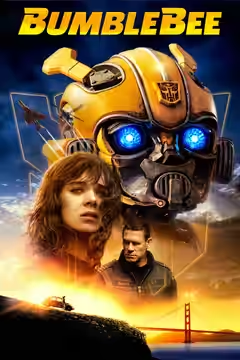
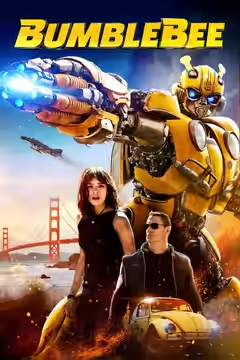
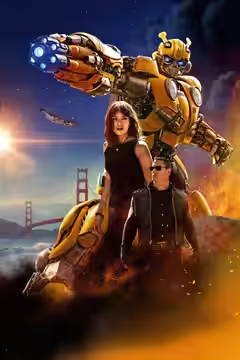
Travis Knight’s Bumblebee is a warm, engaging adventure with a friendship worth caring about. Hailee Steinfeld makes it work, even when the familiar plot calls everyone away for another explanation.
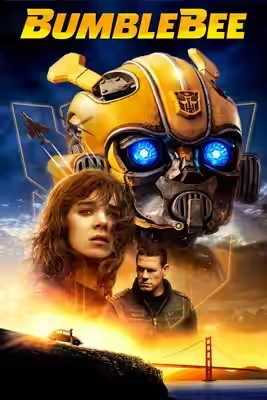
Bumblebee is a good-natured adventure that understands why we might want to spend time with a robot before asking us to worry about him. Travis Knight puts Charlie Watson and her unlikely friend at the centre, and the film is better whenever it stays with them. The story around that friendship is familiar, sometimes to the point of impatience, but the affection is persuasive. We recommend it to anyone who likes their science fiction with room for people.
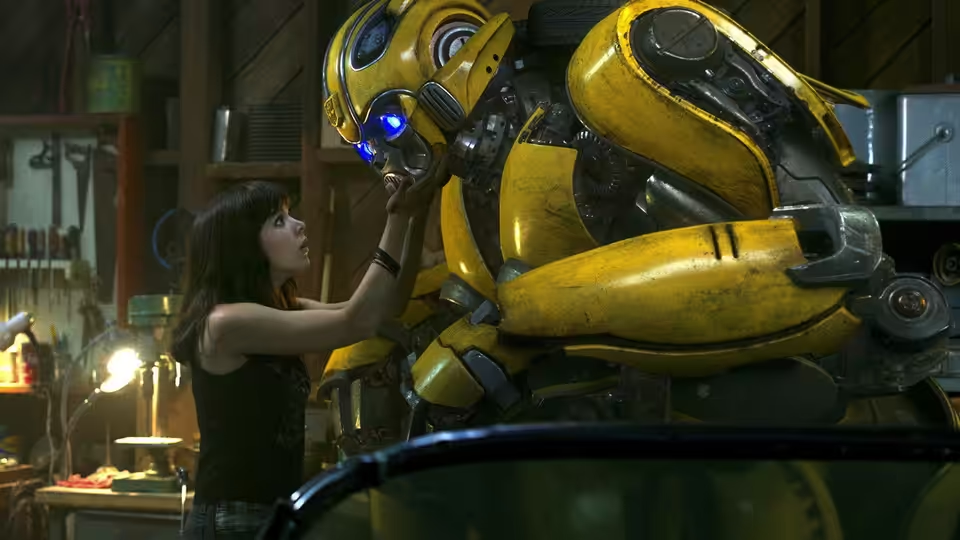
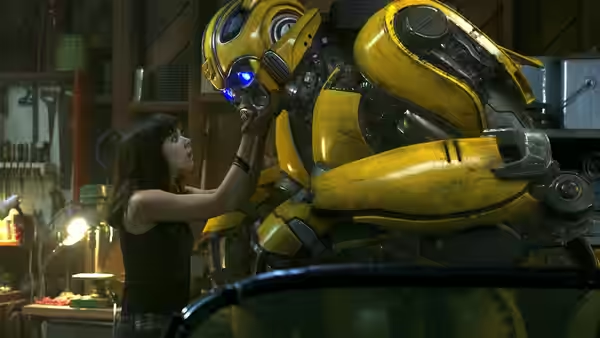
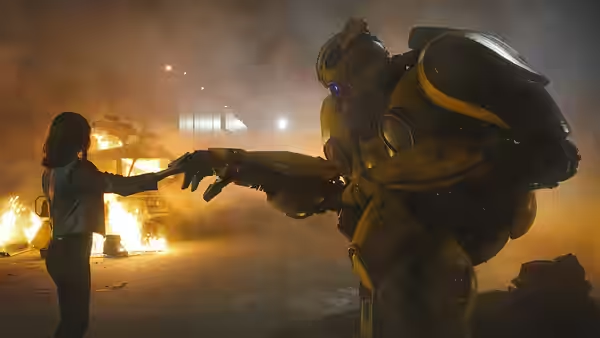
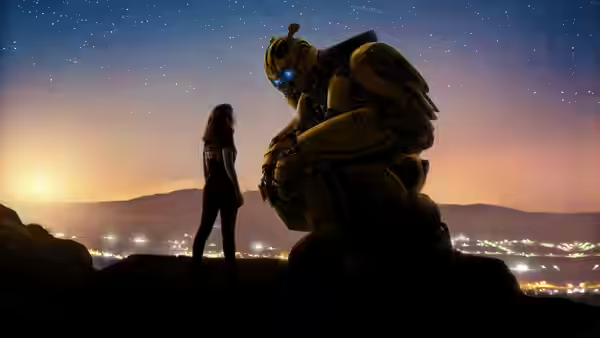
Hailee Steinfeld does much of the work as Charlie, giving Christina Hodson’s coming-of-age story a person we can recognise beneath its well-used lessons. She treats Bumblebee as someone whose reactions deserve her full attention, and that helps us do the same. Their quieter exchanges moved us more than we expected, because the expressive animation gives her something to respond to and she never condescends to it. There is patience in the performance that the plotting could use more often.
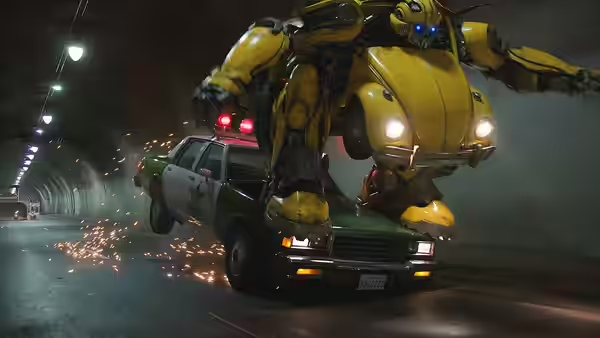
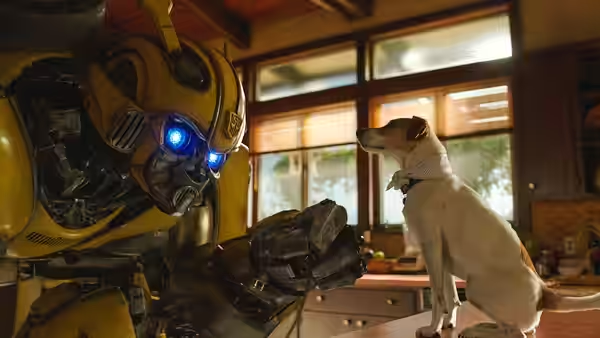
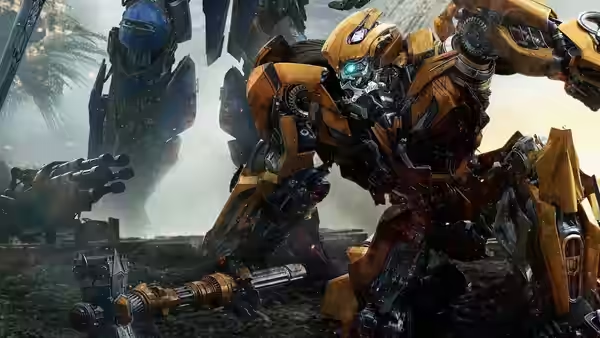
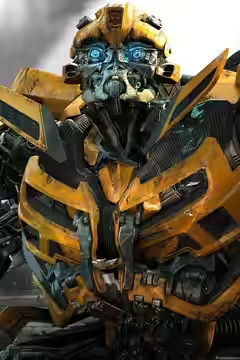
Travis Knight handles the robot’s physical presence with similar care. The animation lets Bumblebee look uncertain as well as formidable, and his awkwardness makes the physical comedy work without requiring somebody to explain the joke. Enrique Chediak’s cinematography gives the action enough colour and clarity for us to follow the robots as they move. The fights benefit from that readability, but so do the smaller gestures: we have time to notice how Bumblebee responds to the people around him.
Sean Haworth’s production design makes the 1980s setting inviting, though the film can be too pleased with its period references. There are stretches when recognising the decade seems to be offered as entertainment in itself, and the characters are better company than the reminders. Dario Marianelli’s music supports the warmth, but sometimes encourages feelings that the central pairing has already earned. A little less encouragement would have been enough.
Paul Rubell’s editing gives the robot encounters a cleaner flow than the surrounding explanations, which repeatedly interrupt the film’s momentum. The Decepticon material is where Christina Hodson’s script most often sounds as though it is supplying information for a different, less interesting evening. None of this is difficult to follow; it simply takes time away from the pair we came to see. At 114 minutes, the film has stretches that could be shorter without making Charlie’s friendship with Bumblebee feel rushed.
Against the louder habits of the Transformers films, this smaller focus is welcome, though being easier to follow is hardly an ambitious standard on its own. Travis Knight’s interest in Charlie makes the difference, giving the action someone whose safety matters to us before the fighting starts. There is still a conventional adventure to sit through, and it becomes less distinctive as the action takes over. Watch it for Hailee Steinfeld and the robot, with some tolerance for the explanations that keep interrupting them.