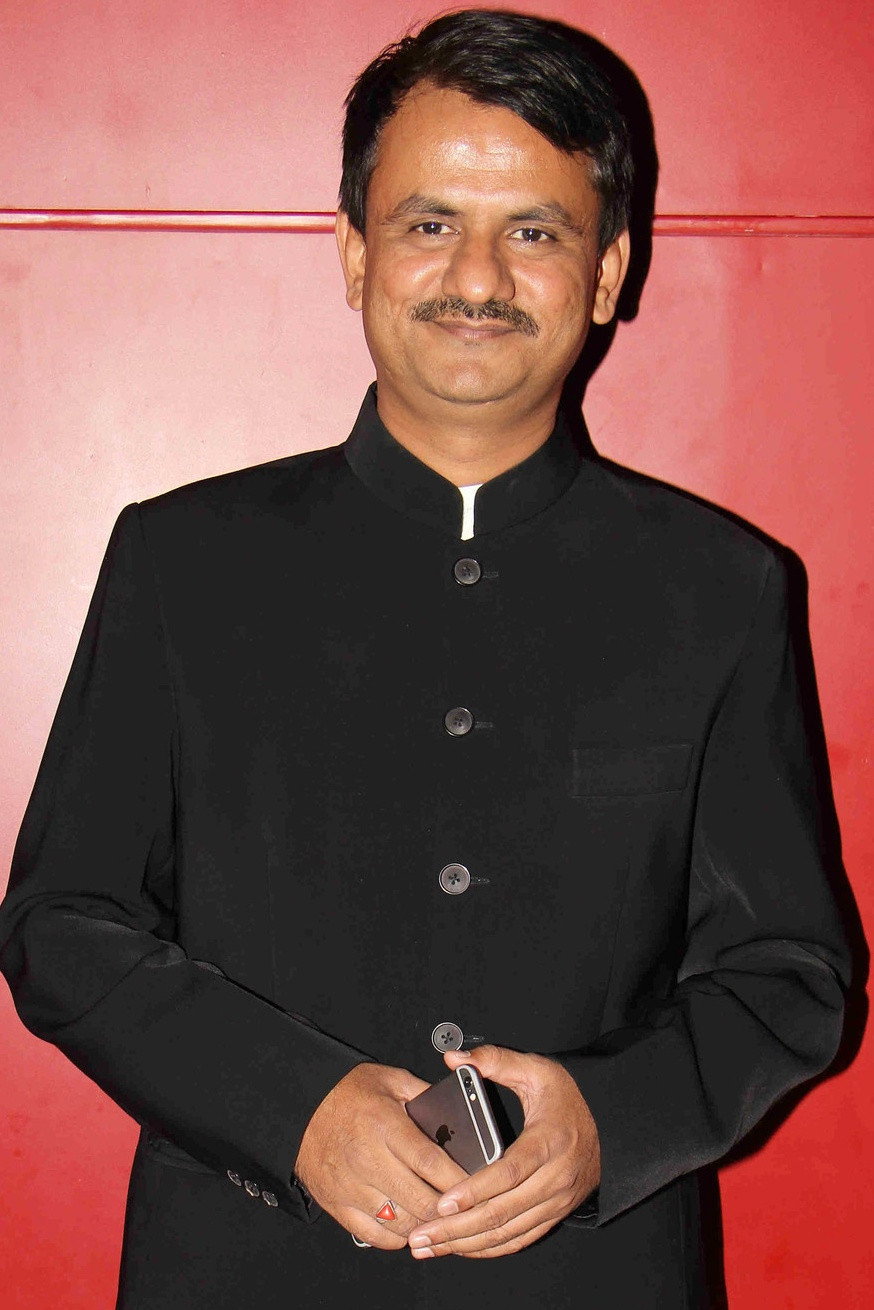
Nitesh Tiwari’s wrestling drama is involving and well acted, with contests we can follow and care about. Its length and familiar training routines hold it back, but sports-film devotees should find the effort worthwhile.
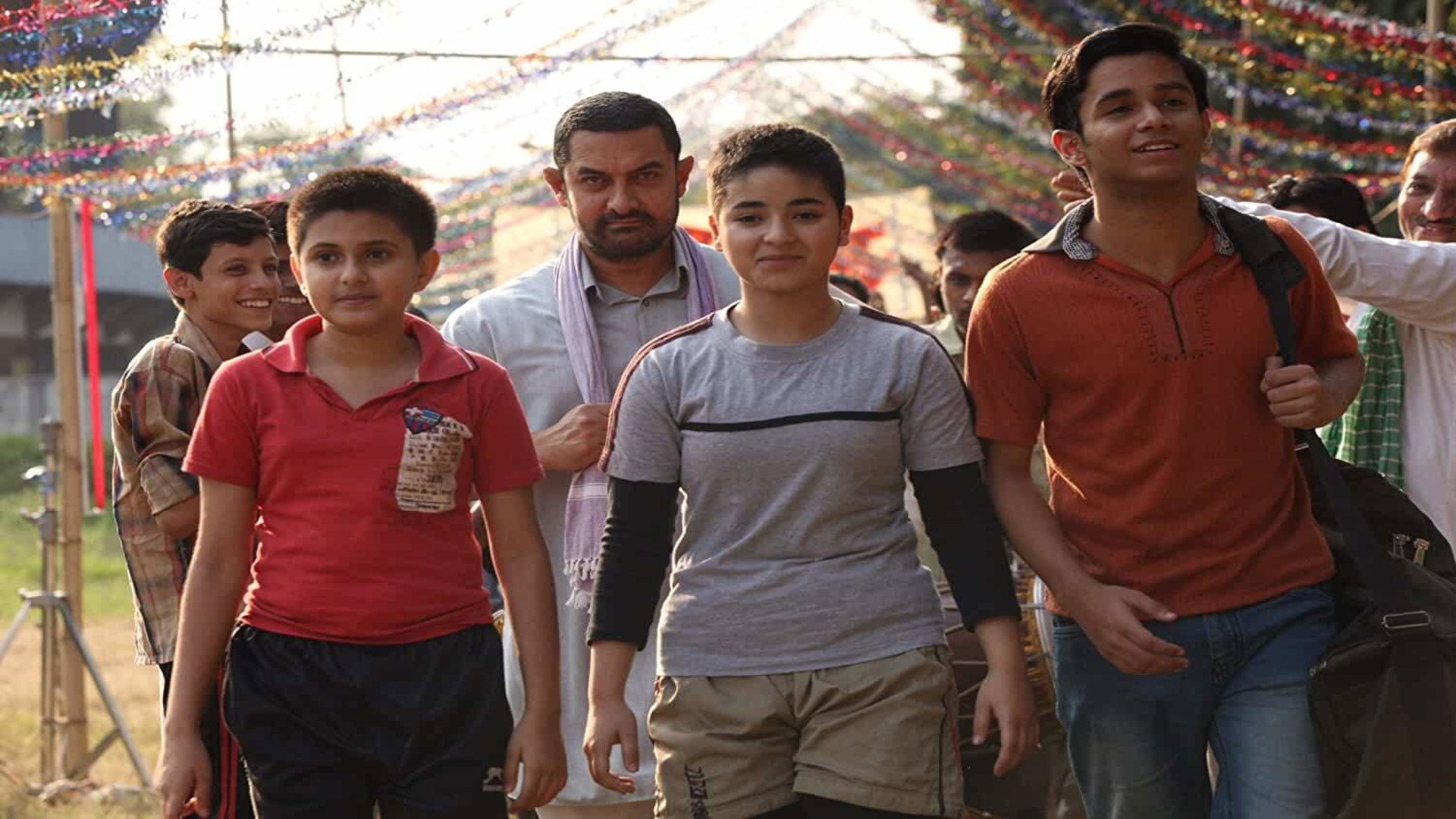
Dangal is a good sports drama, carried through its more familiar passages by the wrestling and the cast. Director Nitesh Tiwari takes a father who has put his own ambitions aside and gives him daughters he can push towards the success he missed. That makes for an uneasy kind of encouragement, especially when the society around them has firm ideas about what girls should do. The film is at its most engaging when it is establishing how this family works.
Aamir Khan gives Mahavir Singh Phogat the stubbornness this story needs without making him a simple dispenser of wise advice. We can believe in his commitment and still question how much say his daughters have in it. Zaira Wasim and Suhani Bhatnagar play the young Geeta and Babita, with Fatima Sana Shaikh and Sanya Malhotra taking the roles as they grow older. Their physical performances give the sisters a presence that the emphasis on Mahavir sometimes threatens to deny them.
The wrestling is where Tiwari most firmly earns our attention. Satyajit Pande’s cinematography and Ballu Saluja’s editing make the contests intelligible, allowing the performers’ physical skill and exertion to carry the excitement. We tensed up watching the women wrestle, because their physical effort makes every small advantage look hard to hold. A sports film needs that clarity, particularly when it cannot count on every viewer knowing the rules of the sport.
Production designers Sandeep Meher and Laxmi Keluskar do useful, unobtrusive work: the surroundings never compete for attention with the people doing the wrestling. Pritam Chakraborty’s music is less discreet, and welcome for it. The songs supply a hearty push when the training follows the expected pattern, giving those passages an energy the writing does not always provide.
At 161 minutes, however, Dangal asks for more patience than its story consistently repays. The early sections have a curiosity about this family that the later stretches do not always retain. Once the familiar sports-film routines take over, Tiwari spends too long giving us the training and encouragement we already know how to read. Saluja gives the wrestling shape, but the film around it needs a firmer cut. The repeated encouragement begins to feel unnecessary once the physical difficulty is so apparent.
The film’s challenge to gender roles also has a limit. Mahavir’s determination occupies so much of the story that his daughters’ opportunity can seem to depend on having a sufficiently forceful man to arrange it. Khan makes that father interesting, but Tiwari does not examine his authority as closely as we would like. The actresses have to do much of the work of making the sisters matter in their own right.
If sports dramas are your sort of thing, there is enough good wrestling here to justify another training sequence or two. These contests reward proper attention, so this is a poor choice for an evening spent glancing between two screens. Settle in, and allow the father more time to make his point than he strictly needs.