Ryan Reynolds makes this foul-mouthed superhero comedy worth an evening, with help from Morena Baccarin. The constant wisecracking gets tiring, and the story follows plenty of the superhero conventions it keeps mocking.
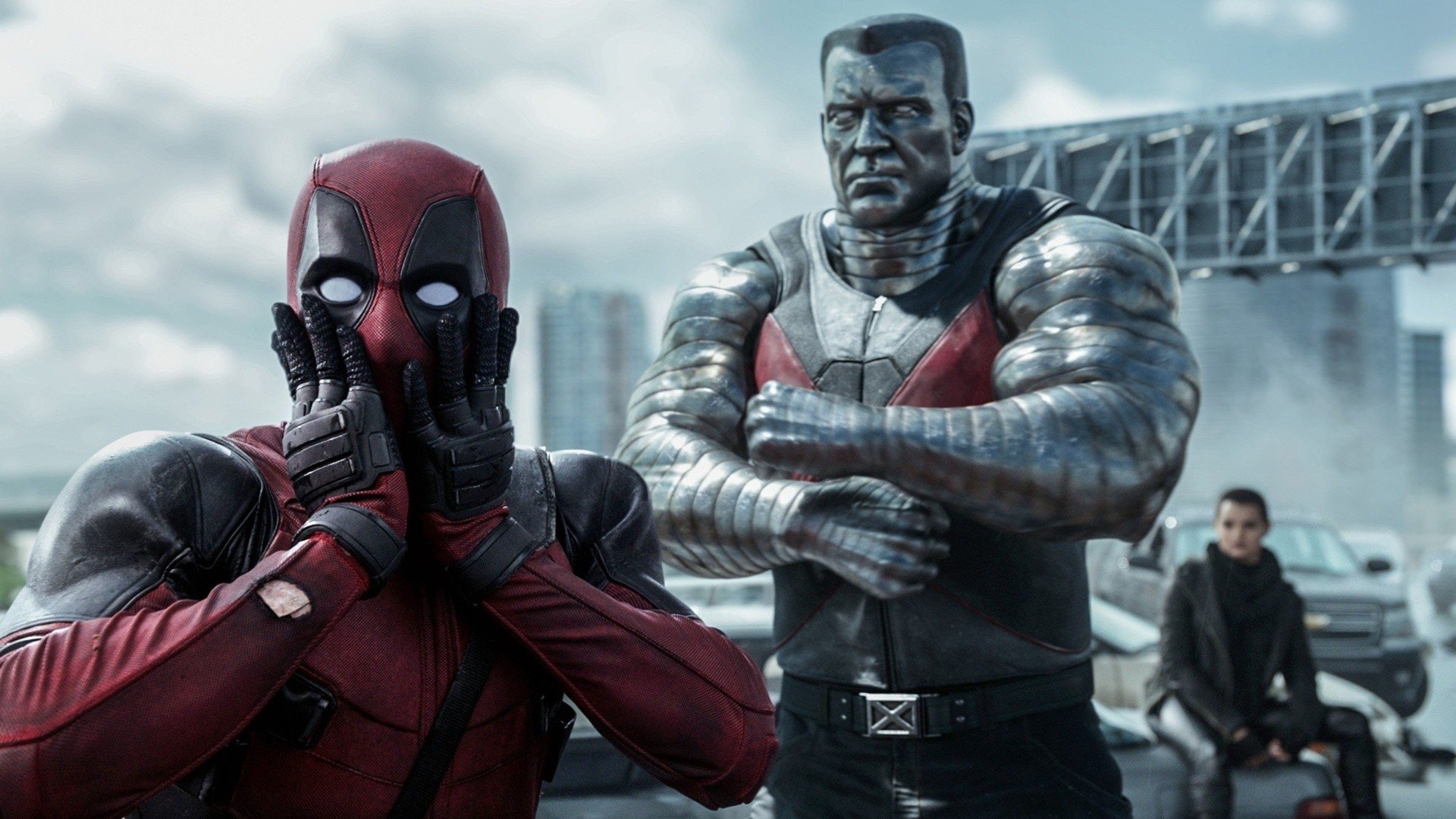
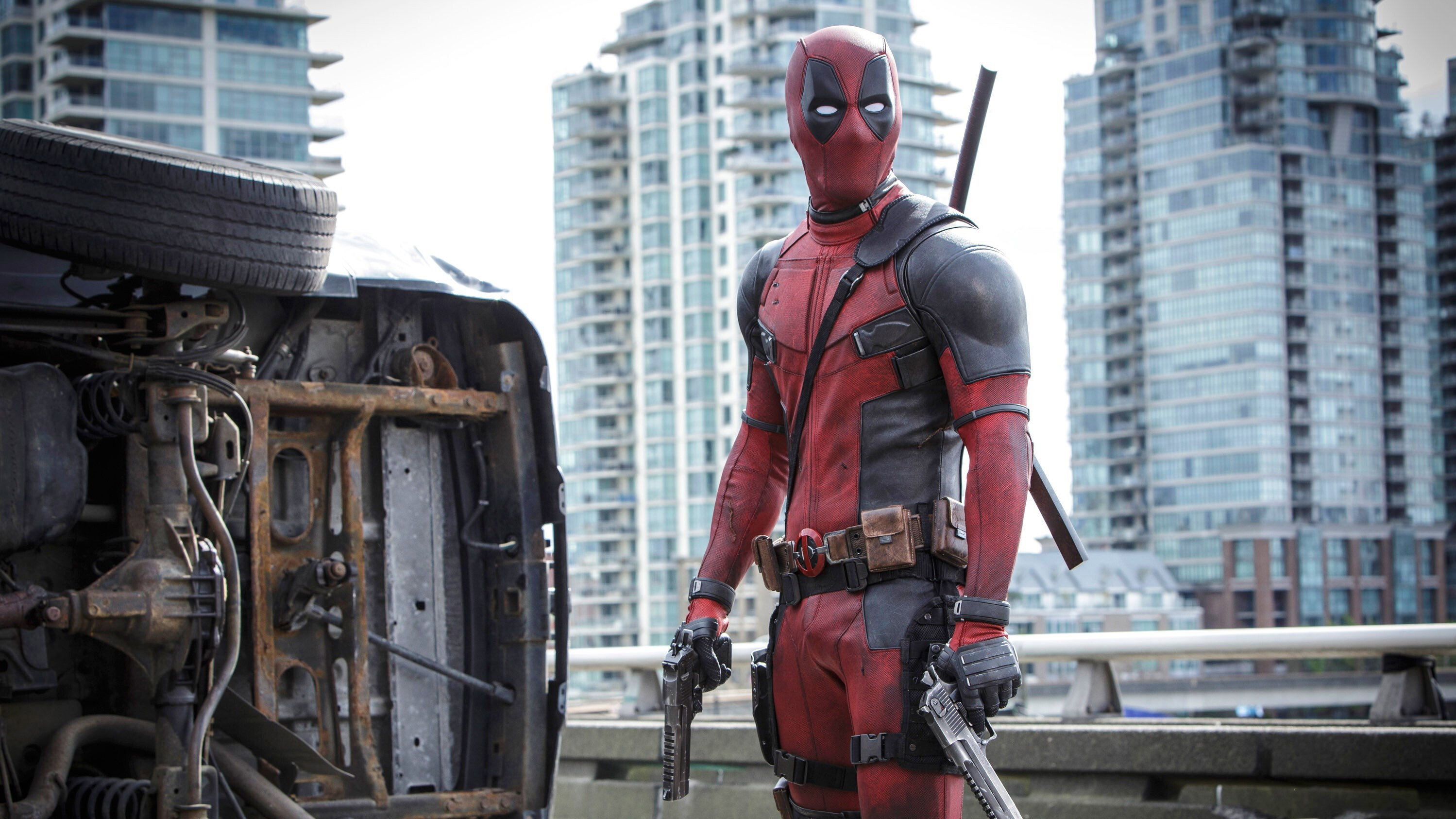
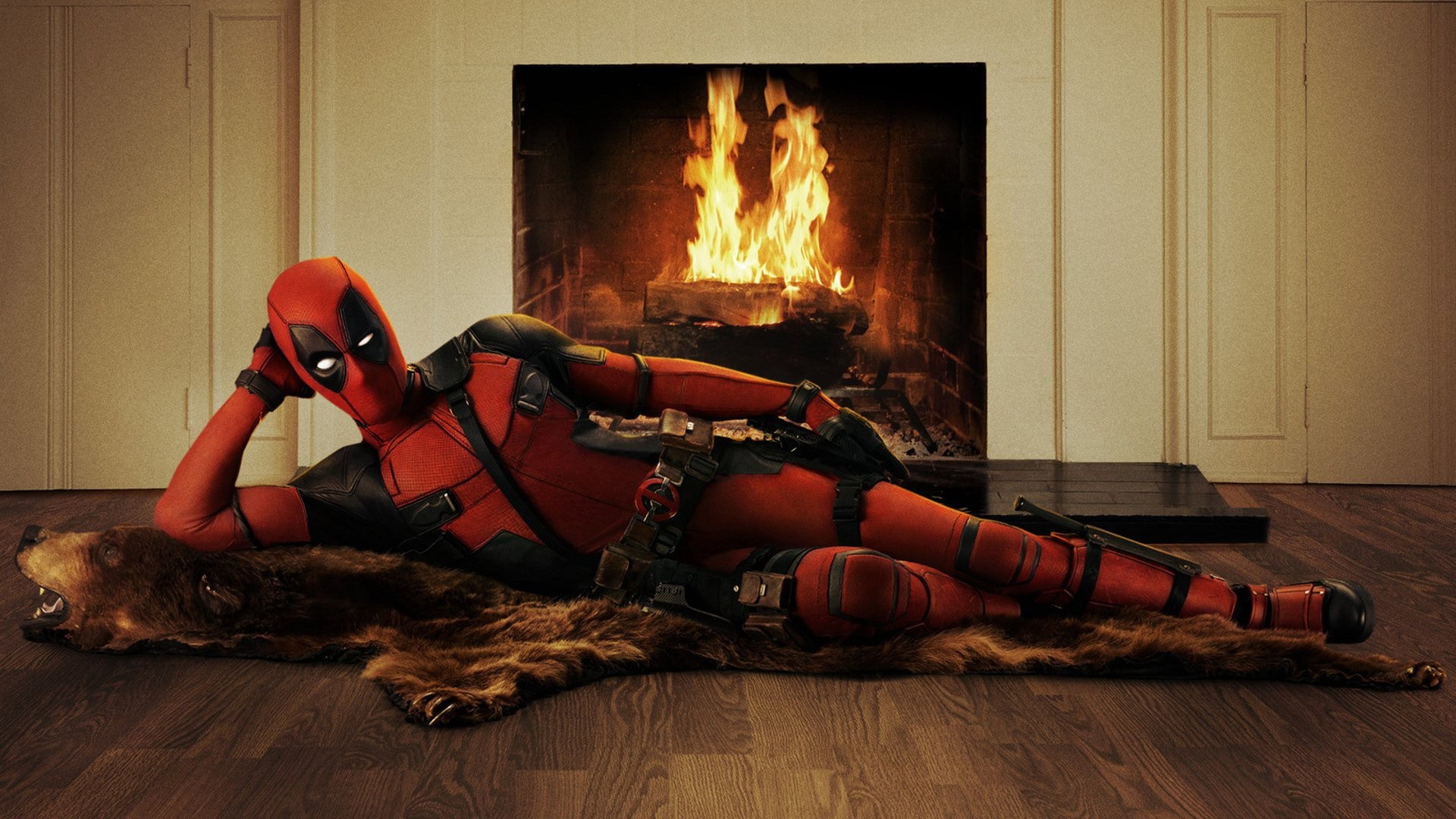
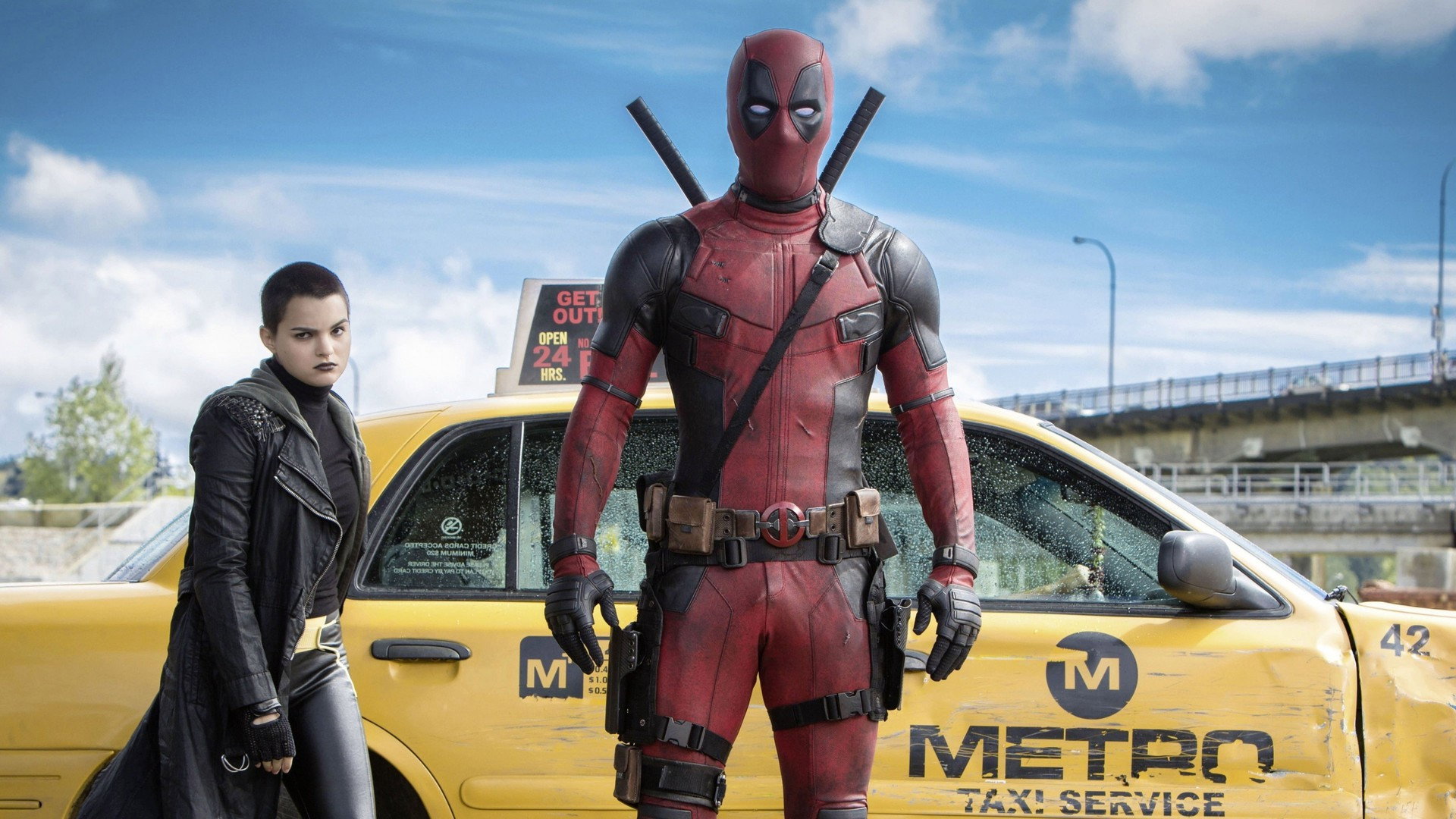
Tim Miller’s Deadpool is worth an evening for Ryan Reynolds, whose comic timing keeps a familiar superhero origin story agreeably disreputable. It wants to make us laugh at the solemn business of becoming a costumed saviour, and usually succeeds when its leading man is doing the talking. The swearing and gore are less reliable sources of amusement, however enthusiastically the film supplies both. At 108 minutes, it is sensibly brief, although the jokes begin to repeat themselves before the running time becomes an issue.
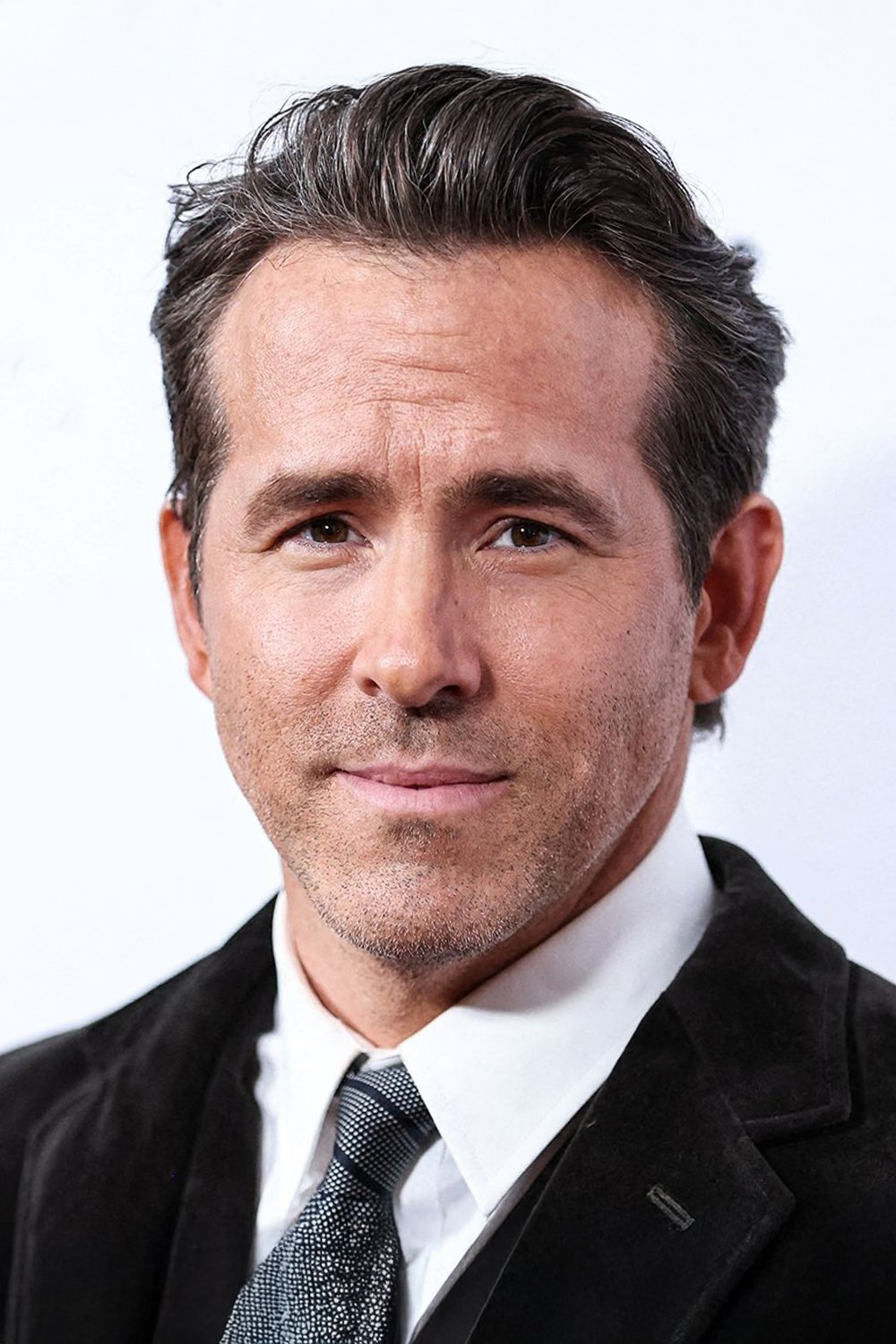
Reynolds plays Wade as someone who cannot resist turning even violence into an opportunity to be liked. His delivery has enough anxious eagerness to keep the character from becoming an intolerable show-off, a useful quality in a man who keeps addressing the audience. We laughed when he broke off from the killing to speak to the camera, because the need to have us appreciate his performance is so cheerfully indecent. The joke depends on Reynolds making that interruption feel like a personal invitation.
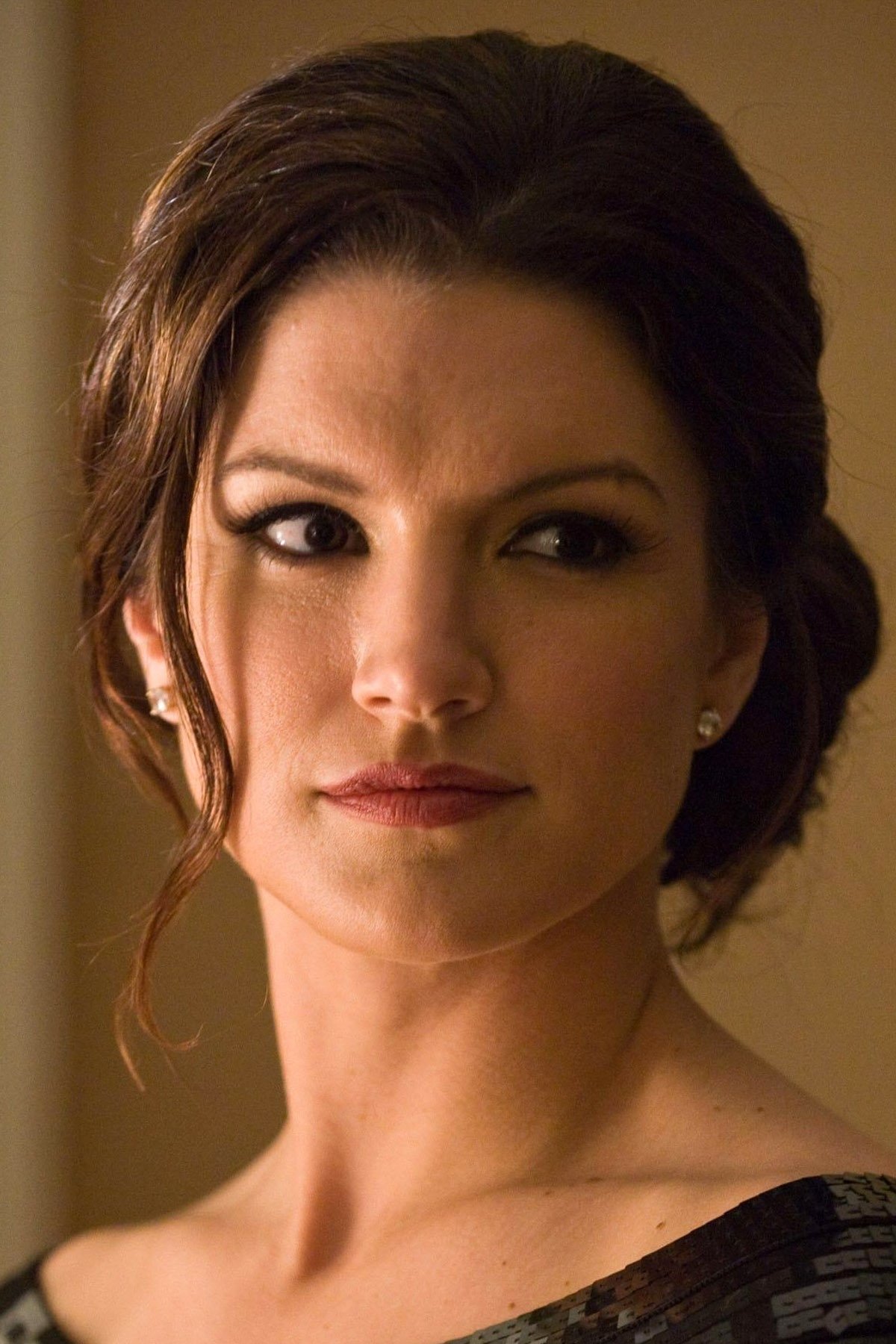
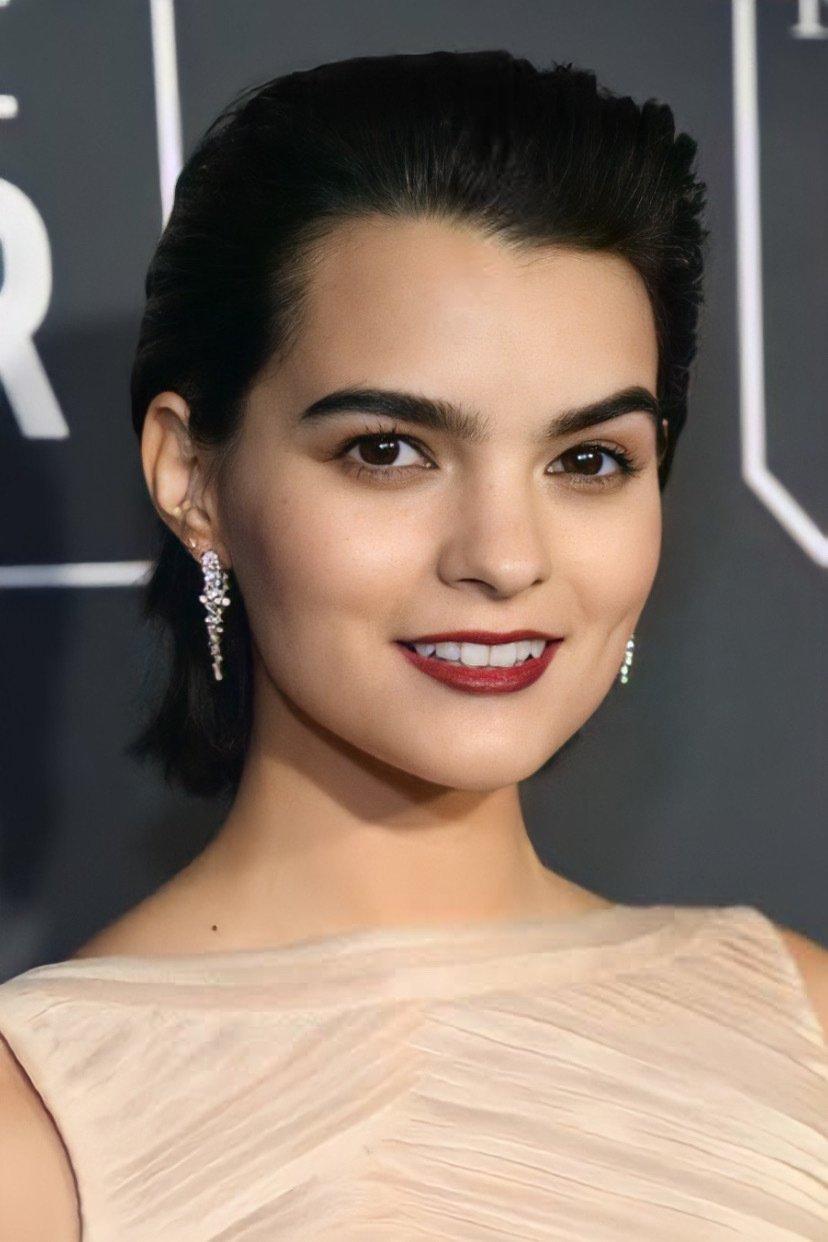
Morena Baccarin, as Vanessa, gives him someone worth paying attention to besides himself. Their chemistry helps the romance survive a screenplay by Rhett Reese and Paul Wernick that too often treats the love interest as another requirement of the origin story. We wanted more time with the pair, because their rapport gives Wade’s chatter a warmth that the more indiscriminate obscenity cannot provide. Baccarin makes an impression despite the thinness of the part.
Julian Clarke’s editing does useful work with the scrambled chronology, keeping the origin material from arriving as one long explanation. That arrangement supplies changes of pace without making the story difficult to follow. Ken Seng’s cinematography gives the fights enough clarity for their comic rhythm to register, and Miller understands that a violent gag still needs legible movement. These passages work because we can follow the physical business while Reynolds keeps talking.
The surroundings are less distinctive: Sean Haworth’s production design rarely competes with the performance for our attention. That is not necessarily a fault in a comedy so dependent on its lead, though there is little pleasure here in simply looking around. Tom Holkenborg’s score is similarly secondary; the timing that matters belongs to the dialogue and the cuts. The film’s personality is so concentrated in Reynolds that the other departments can seem employed chiefly to keep him moving.
Reese and Wernick’s weaker jokes rely on the assumption that recognising a superhero convention is enough to make it funny. The pop-culture references also arrive so insistently that a missed gag is often followed by another before the scene has recovered. There is still plenty of ordinary superhero plotting underneath the commentary, and the script’s willingness to point this out earns limited credit. The barrage of sexual jokes becomes wearing, particularly when the film seems pleased merely to have said something rude.
Superhero comedies have a straightforward problem: we must care just enough about people the film keeps inviting us to ridicule. Miller gets that balance right often enough, helped by the affection between Wade and Vanessa. Anyone hoping for a thorough demolition of superhero habits should lower their expectations before the first wisecrack. Choose it for Reynolds and Baccarin, with a reasonable tolerance for being interrupted.