Tony Scott’s action thriller is worth an evening for Bruce Willis and Damon Wayans trading insults under pressure. The plot gets untidy and the women deserve better, but the sour humour keeps it moving.
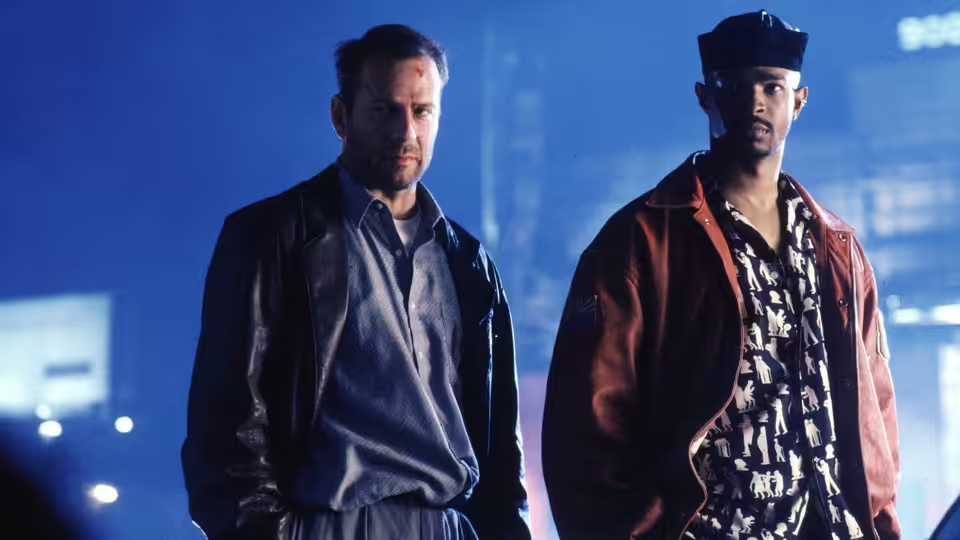
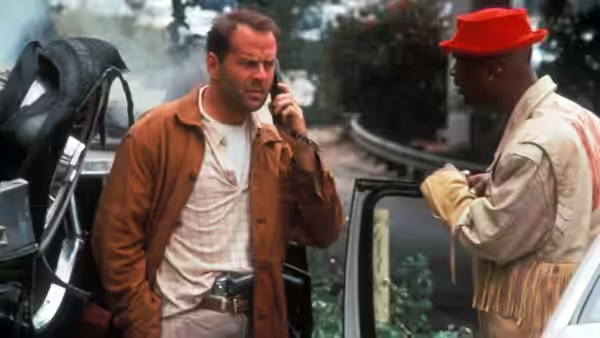
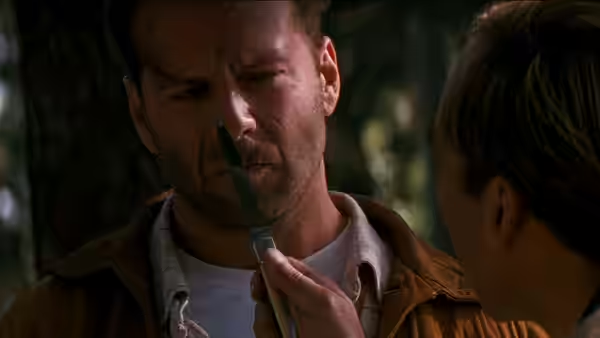
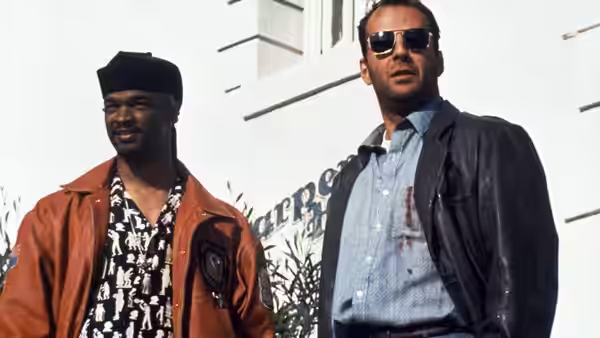
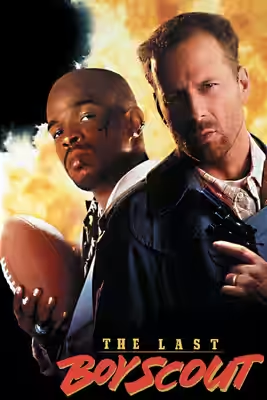
Tony Scott’s The Last Boy Scout earns its evening through Bruce Willis and Damon Wayans, who make mutual irritation a durable basis for a partnership. The action is forceful, the jokes land, and the plotting needs more care than it gets. The director understands the pleasure of watching people behave badly under pressure, though he is less interested in making us question that pleasure. For anyone who likes an action thriller with a bad temper, there is plenty here to enjoy.
Shane Black’s screenplay understands how an insult can keep a scene moving when another explanation would stop it dead. The two leads make the exchanges sound like a response to an aggravating working day, with neither much inclined to make the other’s life easier. We laughed at their put-downs because neither seems remotely concerned with winning the other’s approval. That offhand delivery matters: some of the jokes are juvenile enough to become unbearable if anybody insisted we admire them.
Ward Russell’s cinematography gives Los Angeles a dirty, overheated look, with smog and wavering heat making the city seem disagreeable before anyone opens their mouth. It suits leading men who already appear fed up with their surroundings. Brian Morris’s production design supports that abrasive atmosphere, although the crowded images sometimes leave us searching for a clear point of attention. Tony Scott keeps finding something else to look at, and the sheer visual activity can be a distraction when the investigation needs explaining.
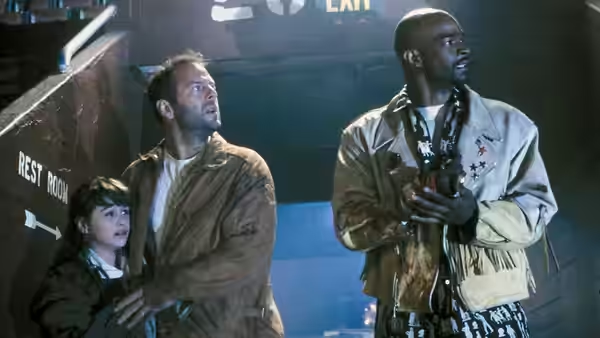
Editors Mark Goldblatt, Mark Helfrich and Stuart Baird give the elaborate action a briskness the plot badly needs. The shoot-outs and car chases arrive with enough energy to postpone questions about how neatly any of this fits together. Michael Kamen’s score gives the violence weight, although its insistence can grow tiring beside dialogue already working hard for our attention. We are rarely left waiting for something to happen, but we are sometimes hurried past things that needed explaining before the next burst of gunfire.
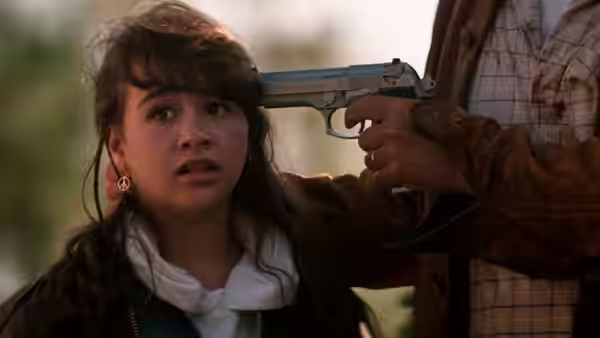
The treatment of women is a more substantial weakness than the untidy case. Chelsea Field’s Sarah Hallenbeck and Halle Berry’s Cory belong to a screenplay that saves most of its wit and curiosity for the men. Shane Black gives the male partnership room to be unpleasant, funny and engaging, while the women remain thinly drawn. That imbalance makes some of the nastiness feel lazy. Giving these characters more to do would have helped the comedy as much as the story.
By the standards of buddy action, this is familiar business made worth watching by the people doing it. Bruce Willis’s weariness and Damon Wayans’s comic timing keep the partnership engaging when the investigation becomes a nuisance, and Noble Willingham gives Sheldon Marcone welcome villainous conviction. We would have liked less dependence on violence to settle the writing’s difficulties, especially when the performers can hold our attention without it. Watch it for the partnership, and be prepared to forgive the case these two have been asked to solve.