Neill Blomkamp’s alien-refugee thriller is tense, bitterly funny and well worth the discomfort. Sharlto Copley makes its petty bureaucrat painfully recognisable, though the prolonged combat eventually takes attention away from the everyday cruelty.
An alien arrival ought to be a large enough event to interrupt office routine. In Neill Blomkamp’s District 9, people find ways to make the exclusion of the newcomers part of the job. It is a forceful, often funny science-fiction thriller, with a lead performance that makes its prejudice uncomfortably recognisable. We recommend it warmly, with a reservation about how readily it lets the shooting take over.
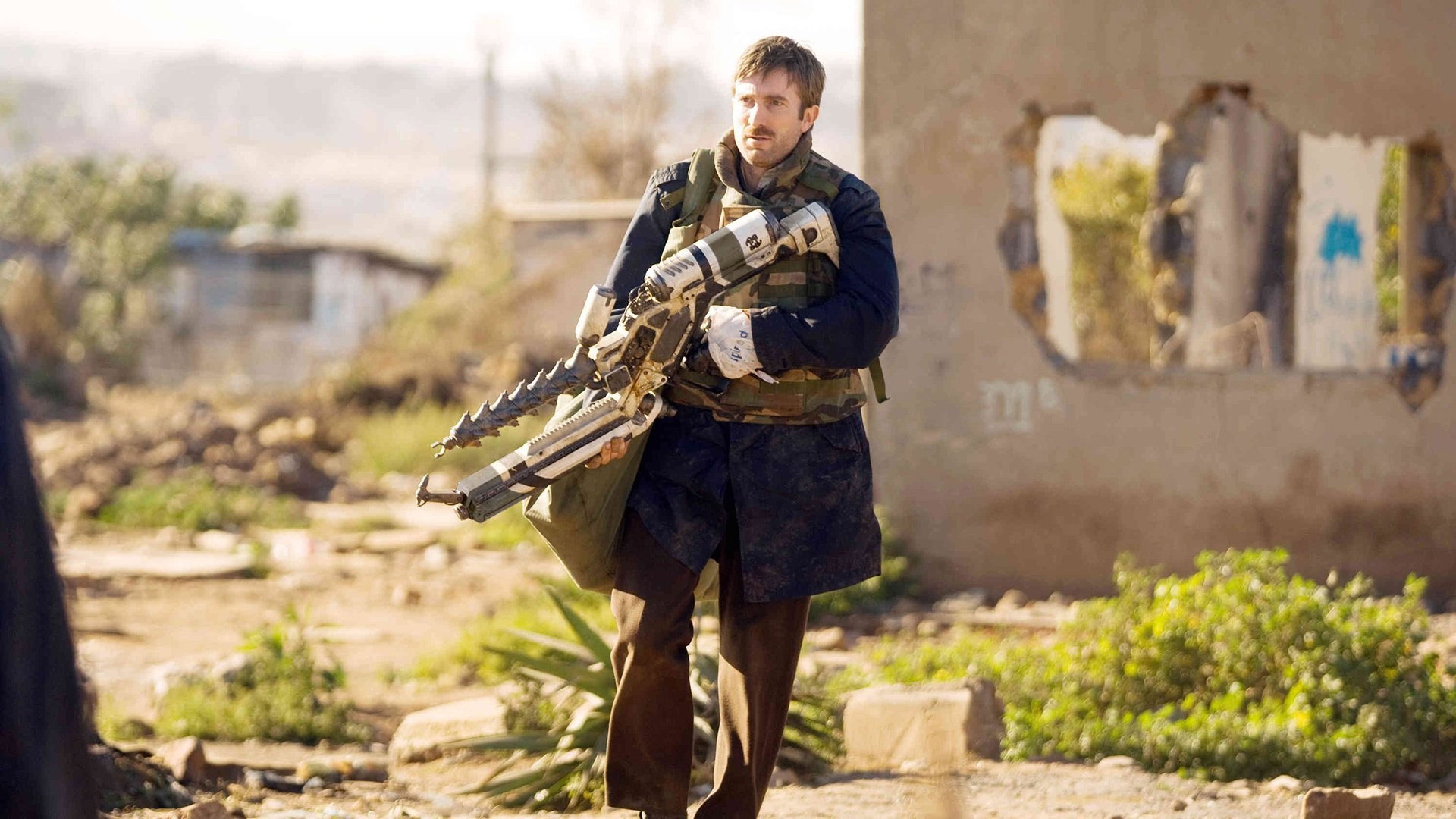
Copley plays Wikus van de Merwe as a man whose authority greatly exceeds his understanding. He has the busy manner of someone pleased to have a procedure to follow, and the performance is funny without asking us to excuse him. Blomkamp and co-writer Terri Tatchell are sharpest when they let this small official carry the ugliness of a larger system. Copley gives the fear room to grow without wiping away the vanity, which keeps Wikus from becoming too easy to like.
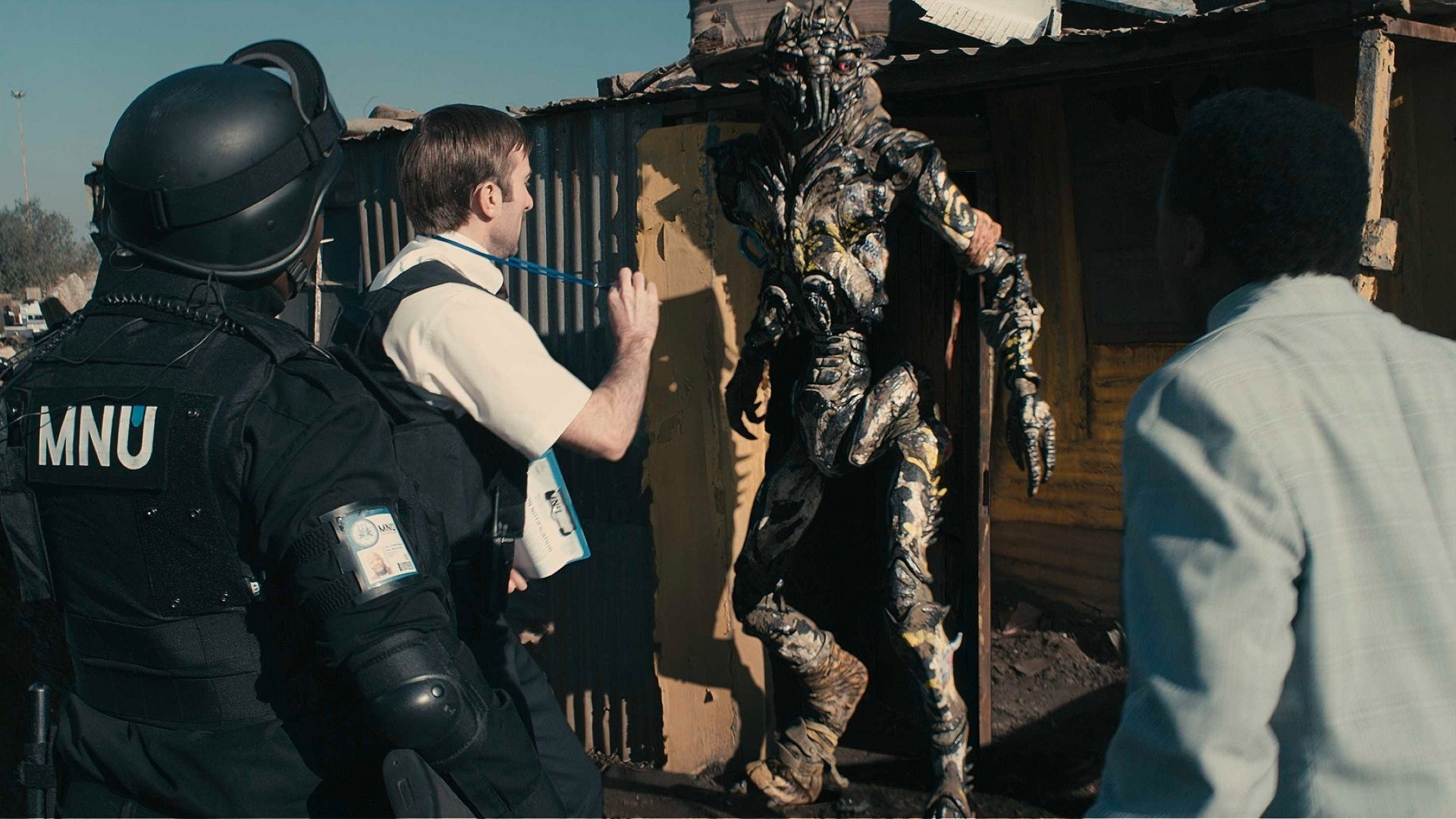
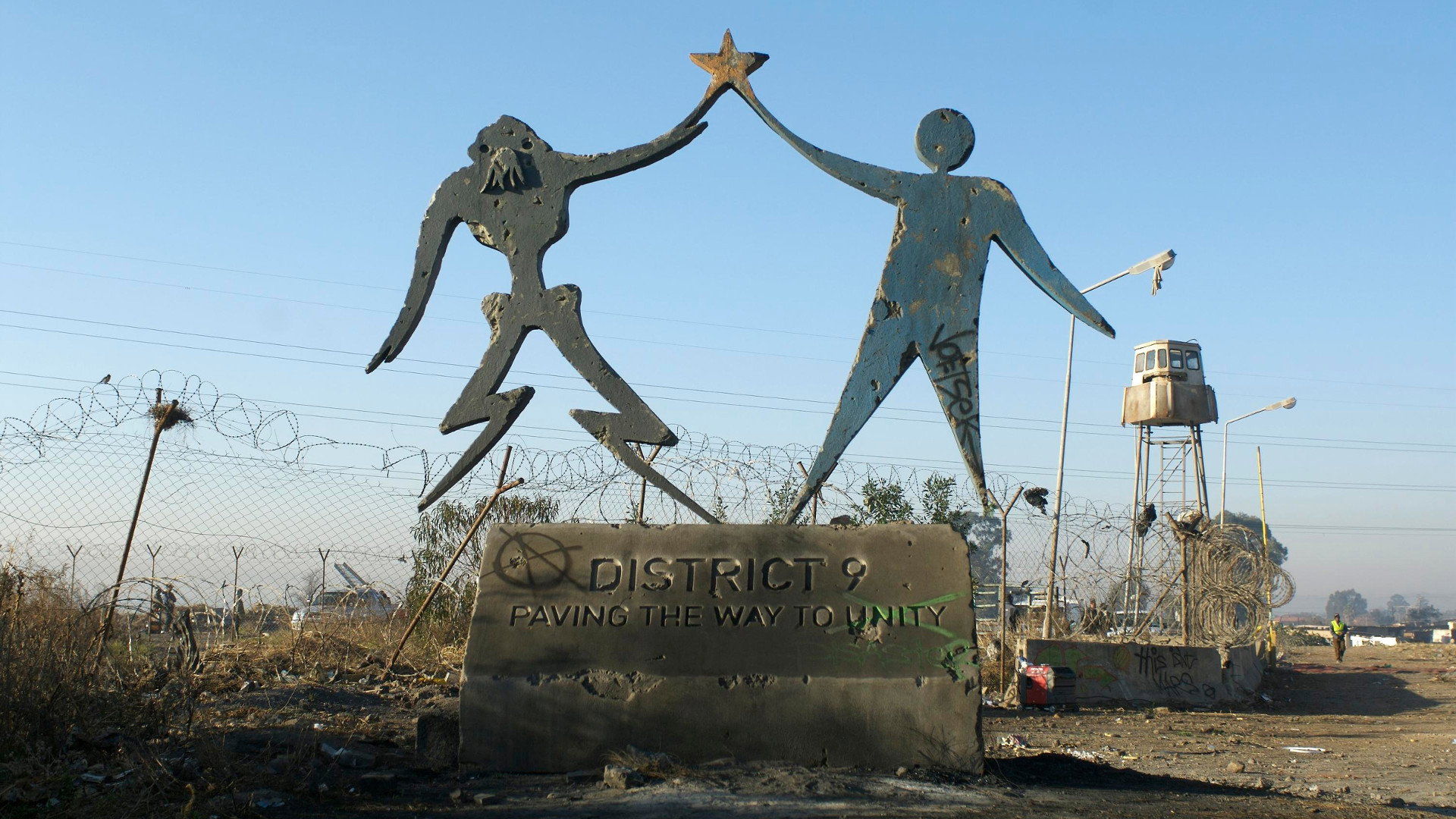
Trent Opaloch’s handheld photography gives Johannesburg the rough immediacy of a report made under pressure. The documentary passages make the aliens’ treatment feel established and publicly tolerated, with little of the distance that a polished science-fiction setting might provide. Philip Ivey’s production design is usefully shabby, giving both species somewhere to live rather than a display of interesting objects for the camera. The effects belong in that dirt. They make the aliens seem physically present even when their appearance is grotesque.
We were moved more than we expected by the father-and-son scenes among the aliens. The creatures look solid enough to share the humans’ streets, so we can watch a family relationship without continually inspecting how it has been made. These passages make the segregation hurt in a way that the broader satire cannot always manage. Blomkamp’s bitter humour also matters: the human response to the visitors is often so petty that the laughter arrives before we have properly considered what is happening.
The apartheid reference is plain, and the film does not need congratulating merely for making it. Blomkamp and Tatchell are less convincing when prejudice belongs to broad villains, because wicked people give an audience such a comfortable place to put the blame. That weakens a film otherwise good at making cruelty look routine. The corporate exploitation is clear enough, but the people behind it could use some of Copley’s awkward particularity.
Julian Clarke’s editing gives the pursuit a briskness that survives some ungainly changes of style. The move away from documentary observation makes sense once the action takes over, but the camera’s jostling is less useful when we need to see how a fight fits together. Clinton Shorter’s score supplies momentum without making these passages as distinctive as the opening. There is skill and pleasure in the mayhem, even as the film starts spending too long on it.
At 112 minutes, District 9 leaves a stronger impression than its familiar pursuit plot might suggest. Its stranded visitors give Blomkamp a way to examine human behaviour without allowing us the usual comfort of fearing an invader. Copley makes that examination awkward, because his small-mindedness is recognisable long before the situation becomes extraordinary. Watch it for him and the aliens, and allow for a later stretch in which the weapons get too much attention.