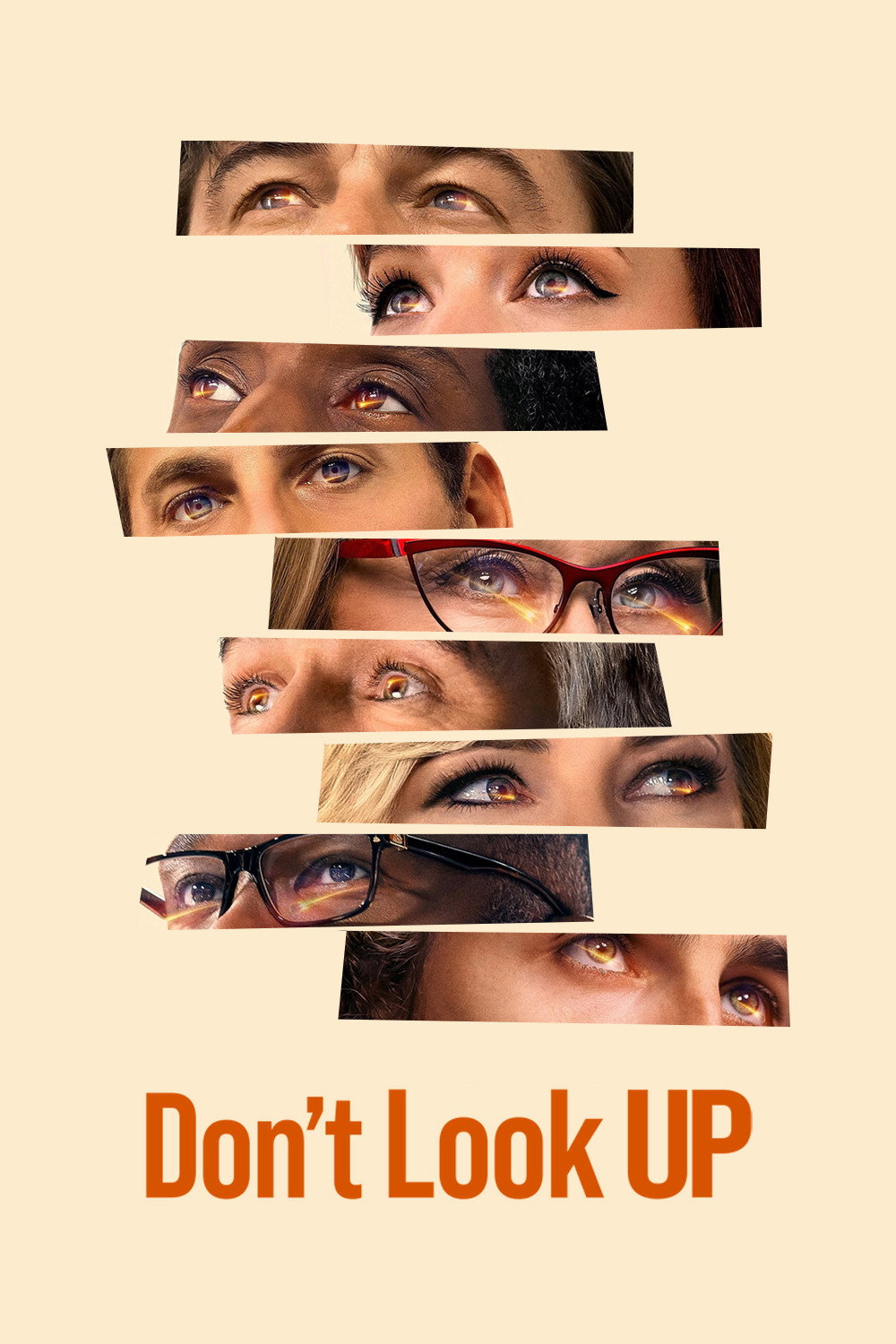
Adam McKay’s comet-as-climate-change satire has a first-rate cast, a handful of real laughs and a good last twenty minutes, and it spends most of its 138 minutes shouting at people who are not listening. Admire the actors; do not expect to be persuaded.
Adam McKay has written and directed a comedy about the end of the world in which a comet stands in for climate change. For 138 minutes two astronomers try to tell the United States that everything will be dead within the year, and the United States checks its phone. It is a good premise and McKay has the cast to play it. What he does not have is the patience to let a joke sit before he explains what it means.
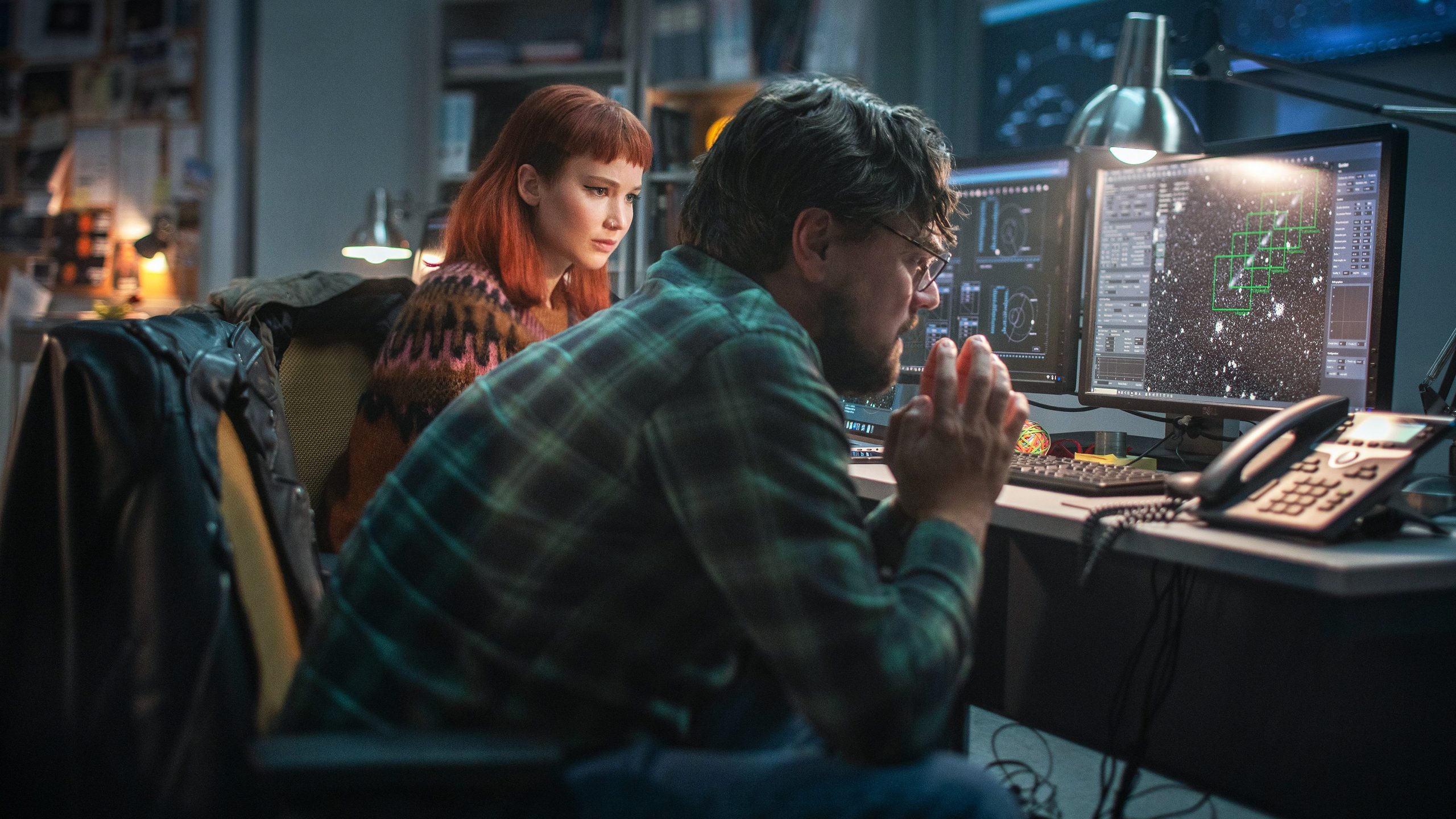
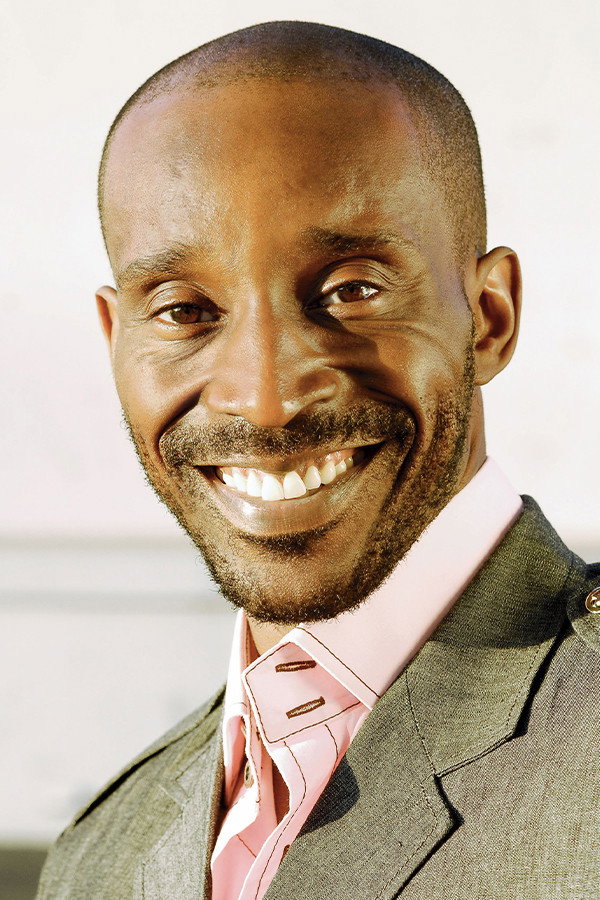
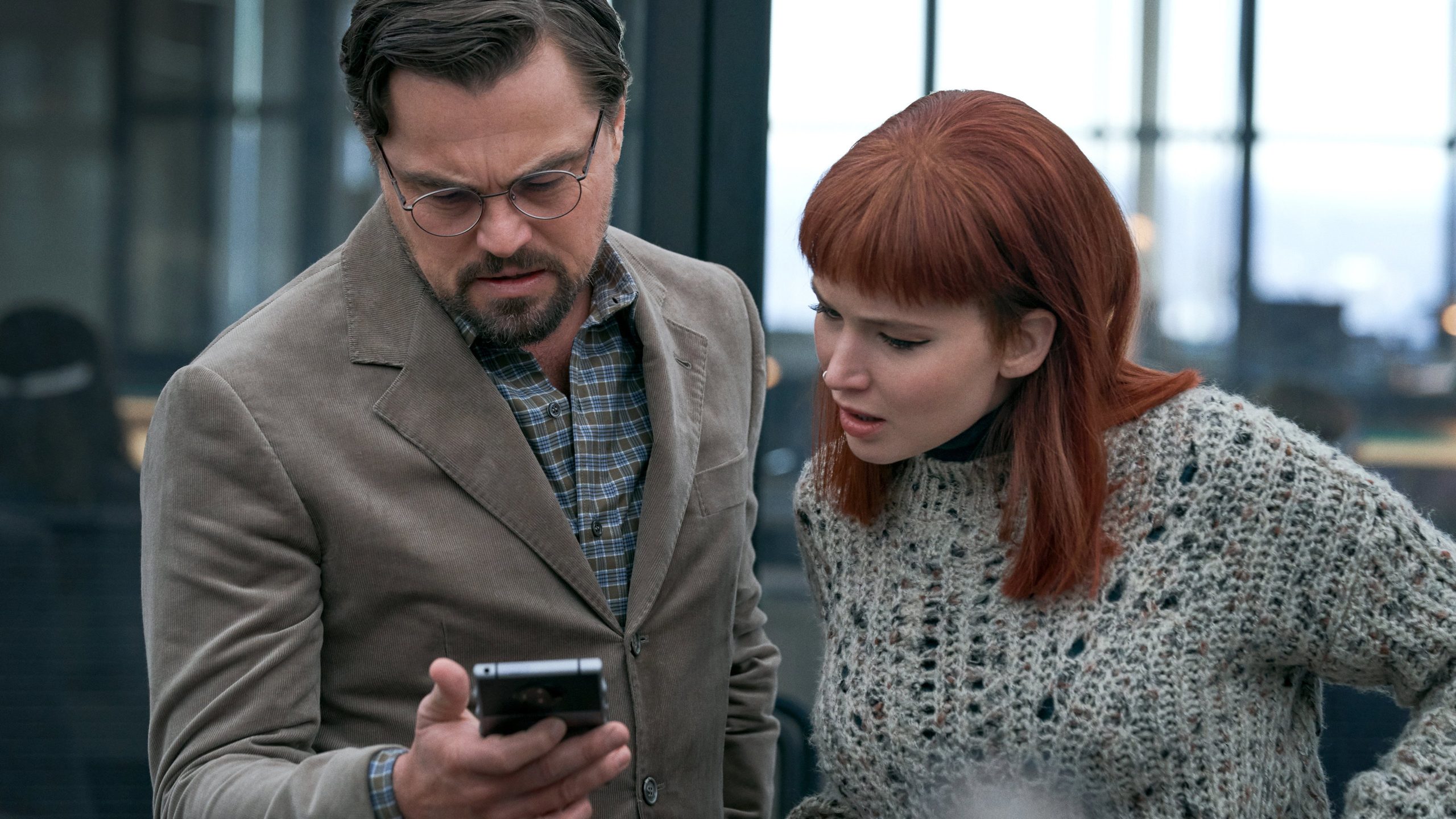
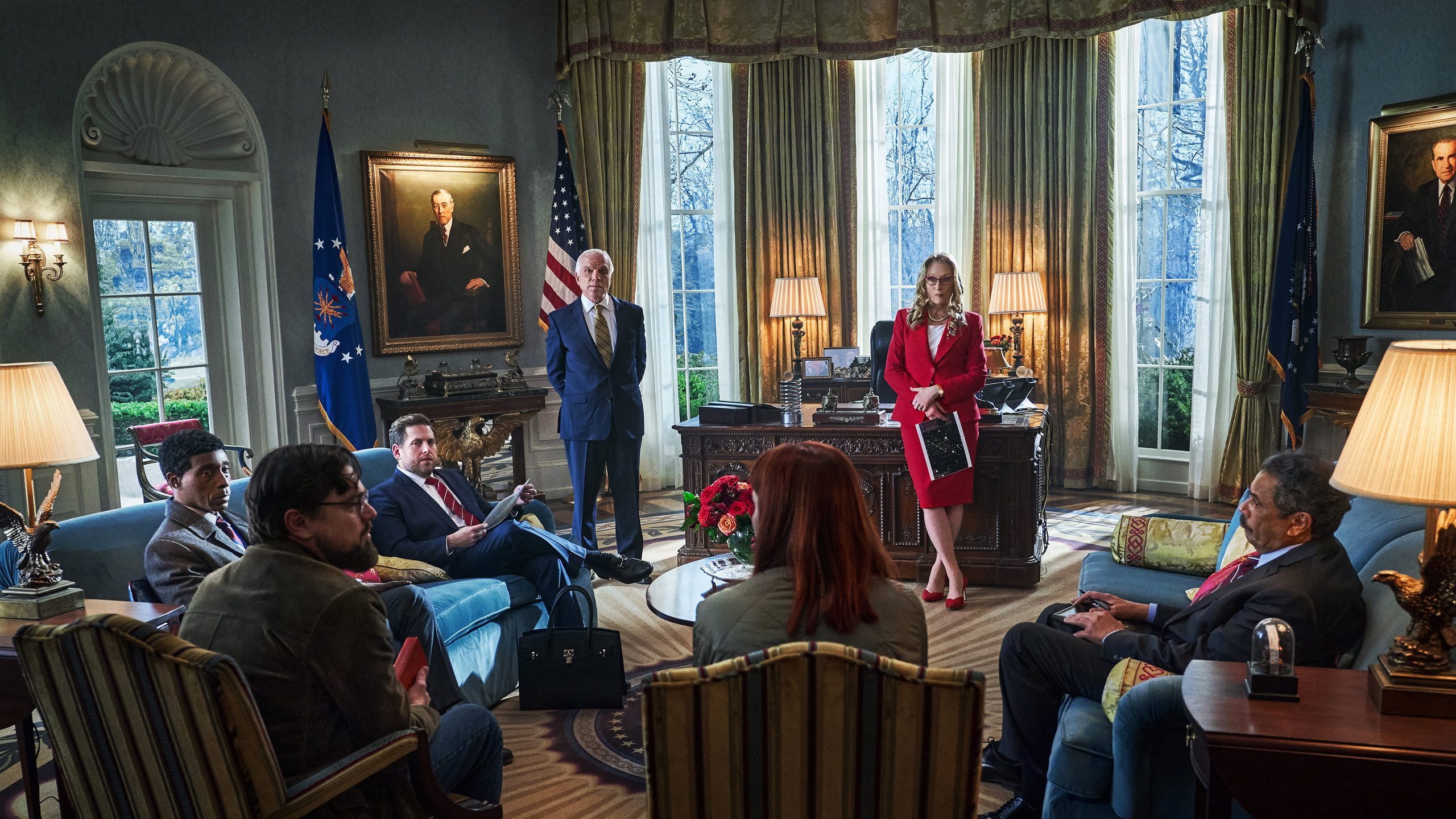
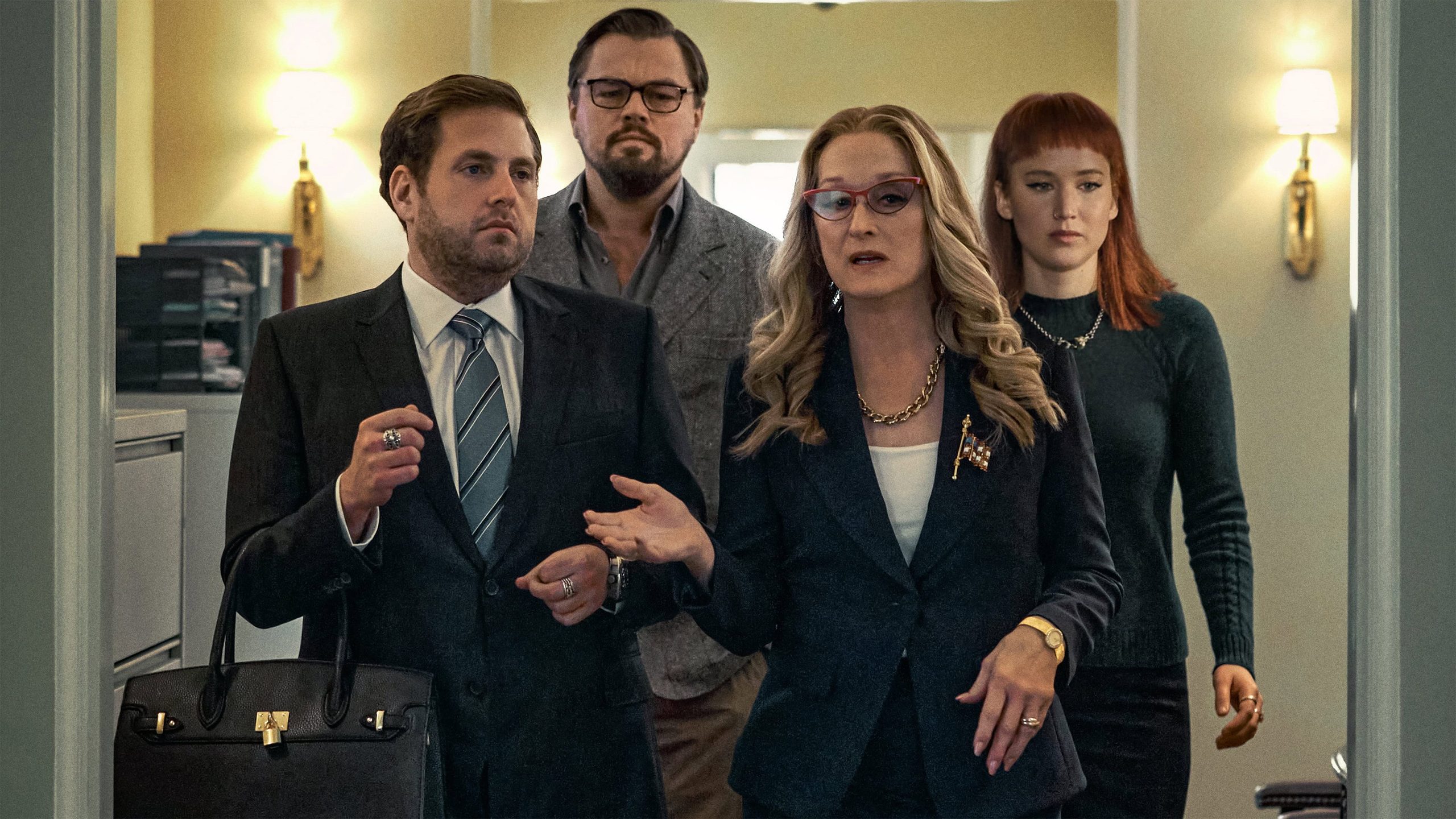
The first act is the best of it. Kate Dibiasky (Jennifer Lawrence) finds the comet on an ordinary night at the telescope, and Dr. Randall Mindy (Leonardo DiCaprio) does the sums and goes quiet. The flight to Washington with Dr. Teddy Oglethorpe (Rob Morgan), the hours in a White House corridor while President Orlean (Meryl Streep) deals with something she considers more pressing: this is well-timed comedy, and we laughed, properly, at least twice. Lawrence plays Kate as someone whose fury arrives before her sentences do, and she is the person on screen we believed. DiCaprio, in a bad haircut and a worse anorak, has a panic attack in a bathroom that is the truest minute in the film.
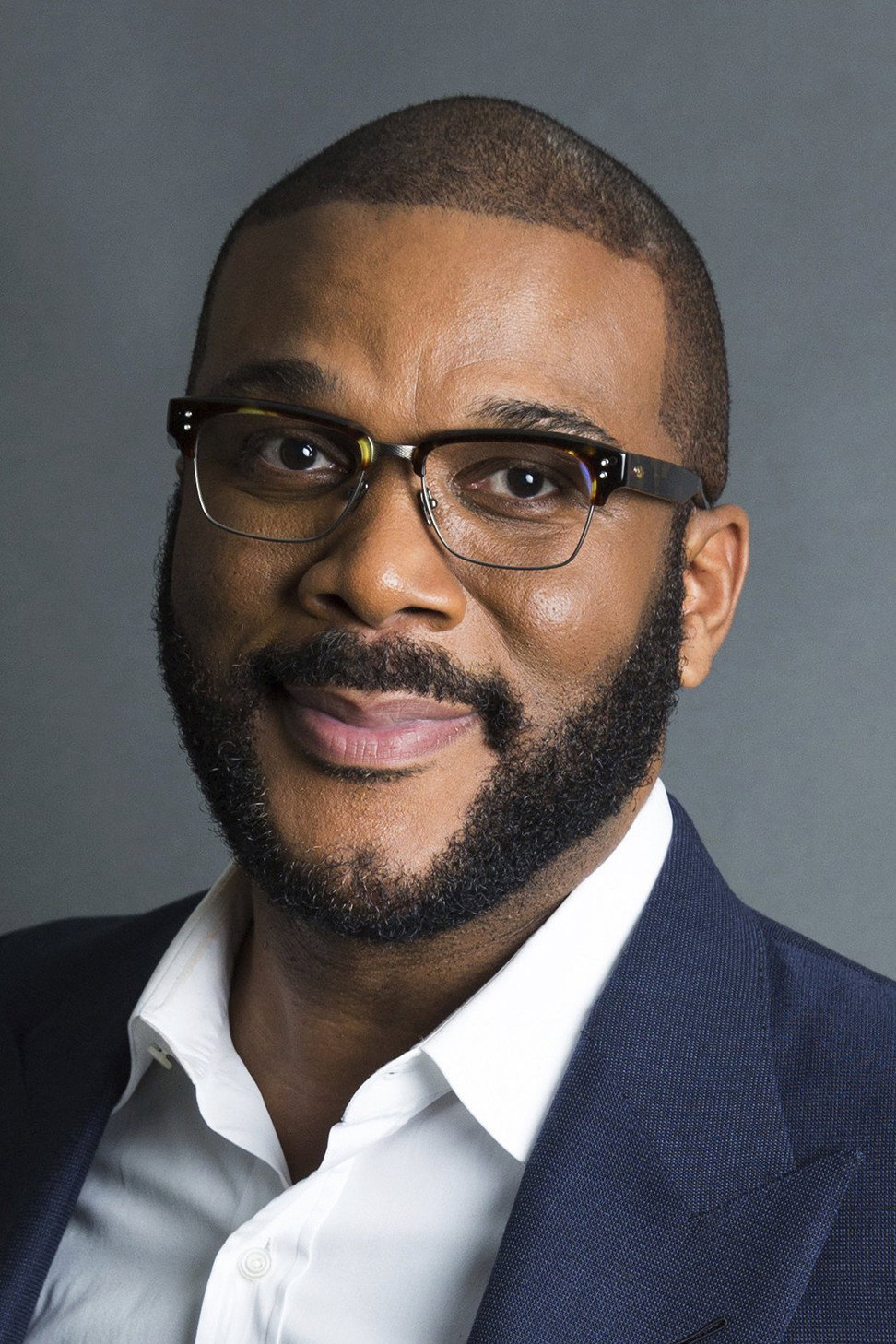
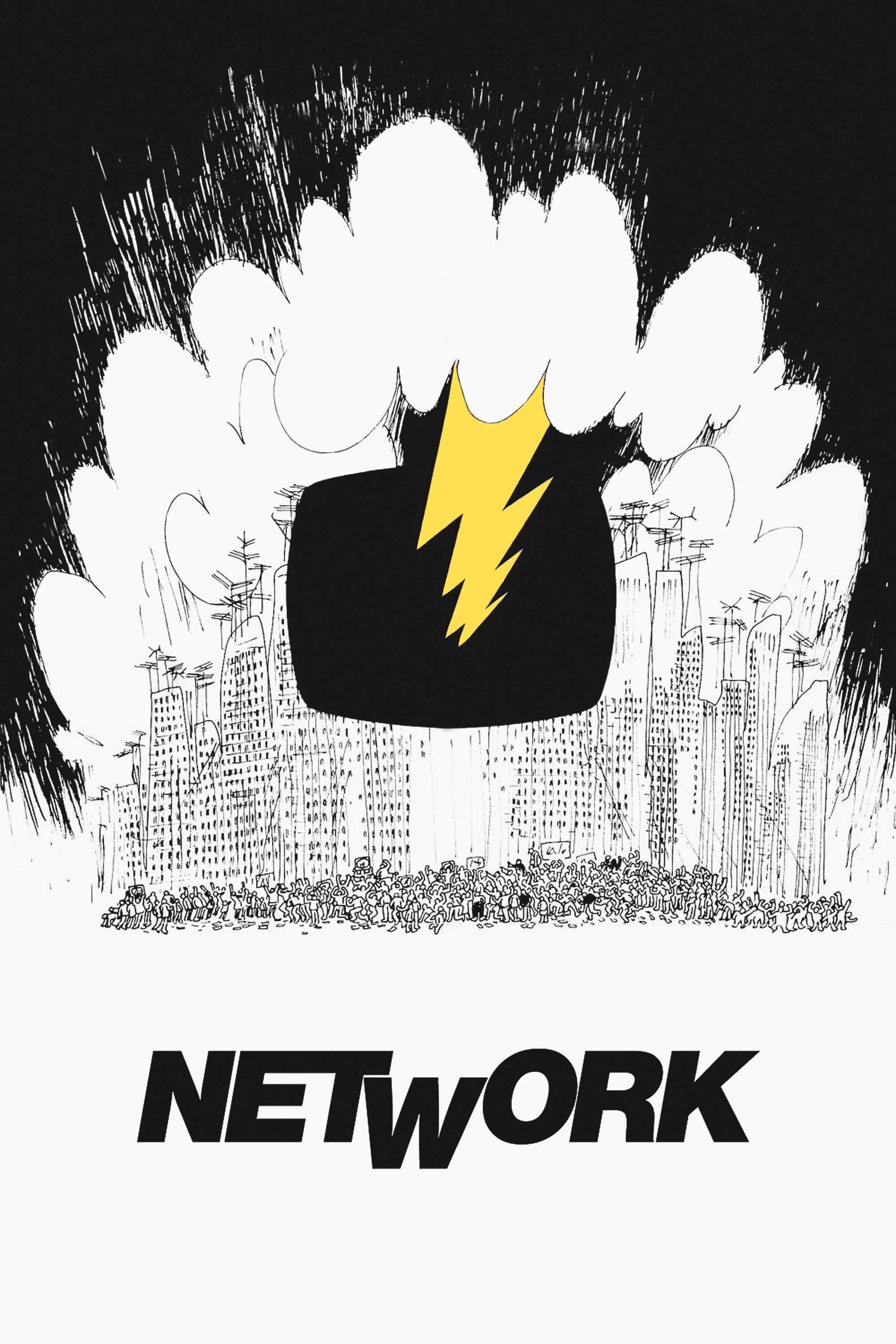
Then the film goes on television and stays there. Brie Evantee (Cate Blanchett) and Jack Bremmer (Tyler Perry) host a breakfast show on which nothing is allowed to be bad news for longer than a segment, and Clayton Hartley’s set for it, all curved glass and sunrise orange, is the right room for slotting the end of the world between a pop star’s break-up and the weather. Blanchett is a pleasure, brittle and bright and bored. But the joke is that the media is shallow, and McKay makes it, then makes it again, then makes it in a different room.
Hank Corwin cuts the film with inserts of insects, surf, a hand on a phone, a dog. The method can build an argument; here it reads as impatience. The film cannot stay on an actor for a minute without cutting to a caterpillar to remind us what is at stake. Nicholas Britell’s score does the opposite and does it better: big-band brass, a choir for the comet, and a slinky lounge tune under the White House that is funnier than most of the lines it accompanies.
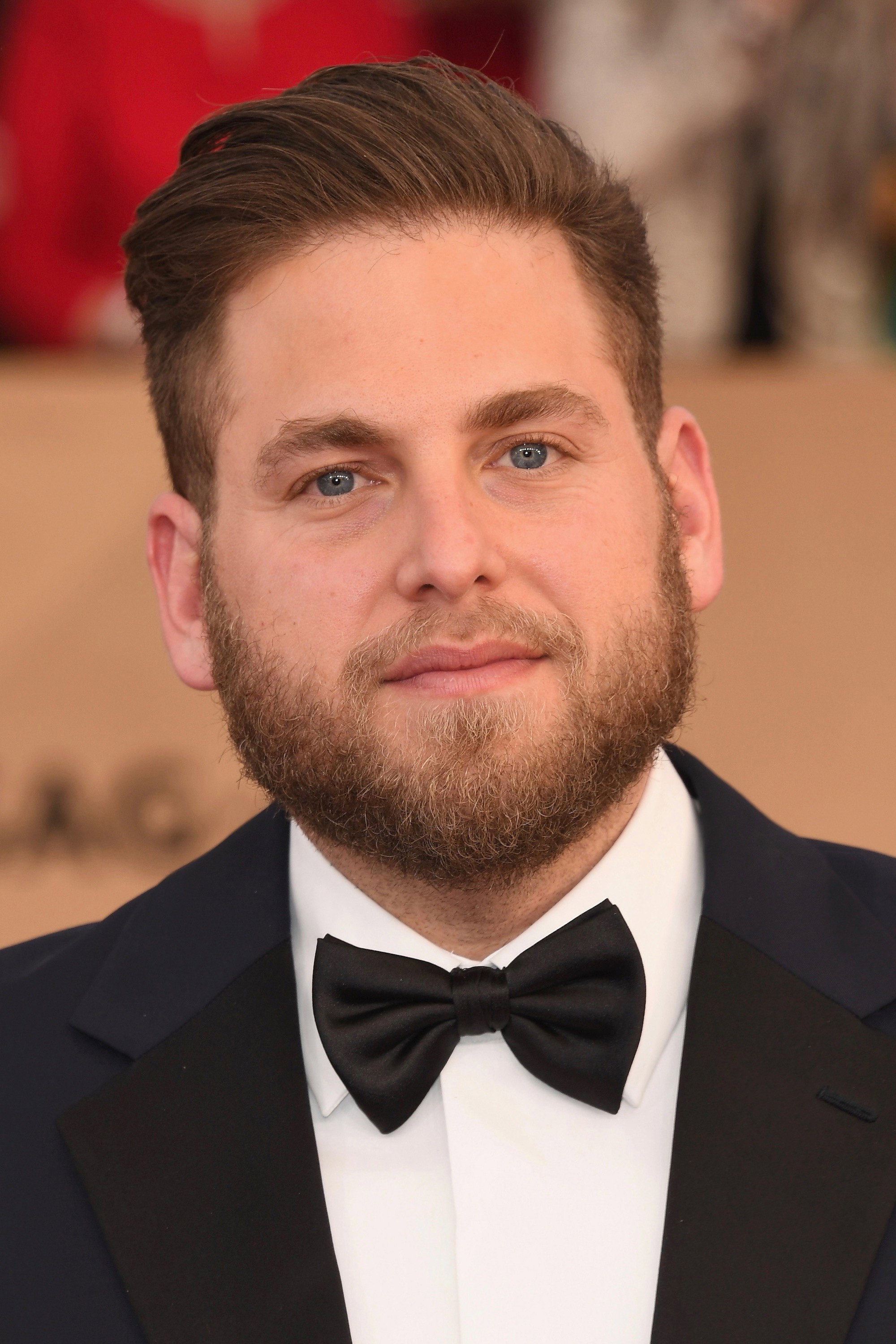
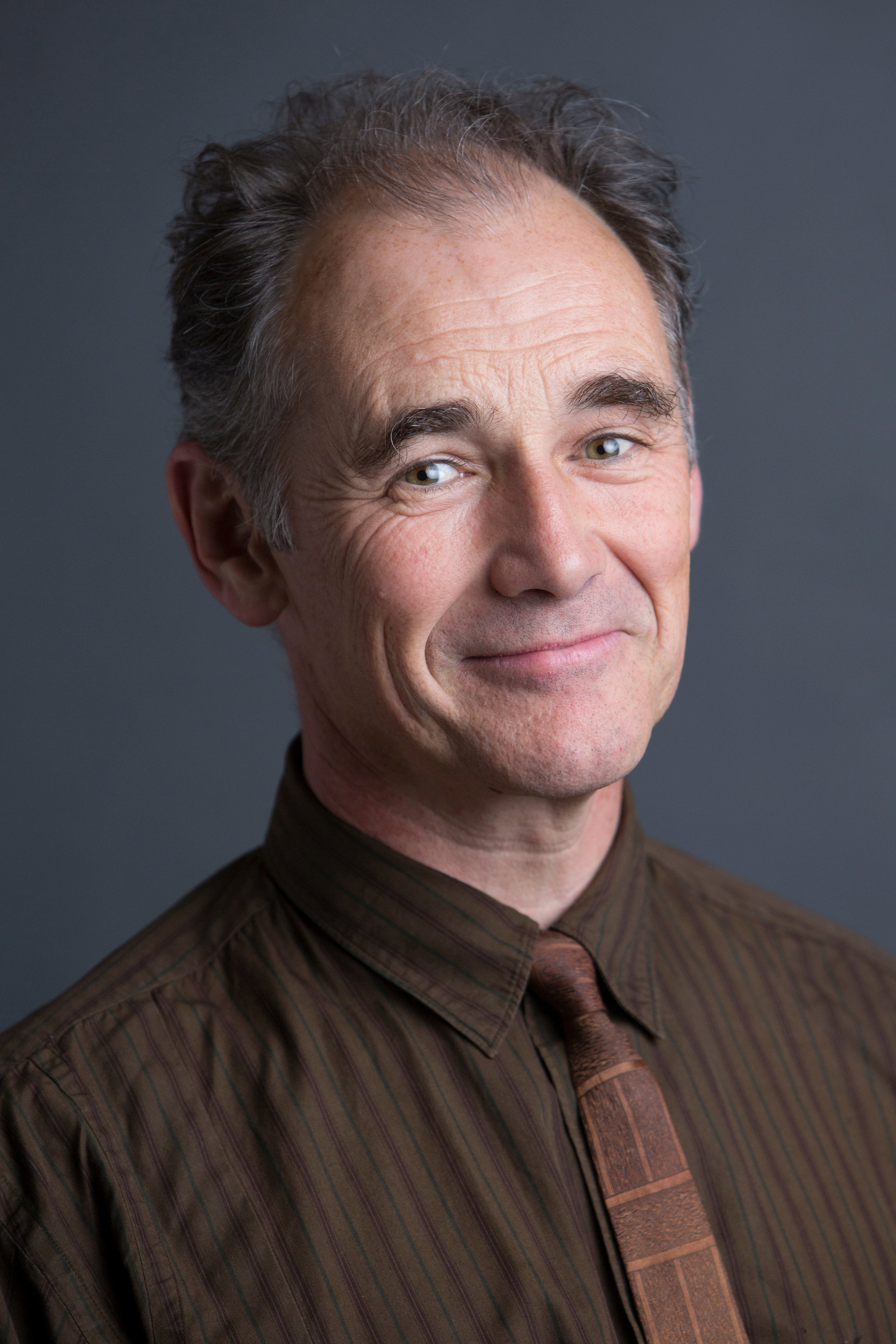
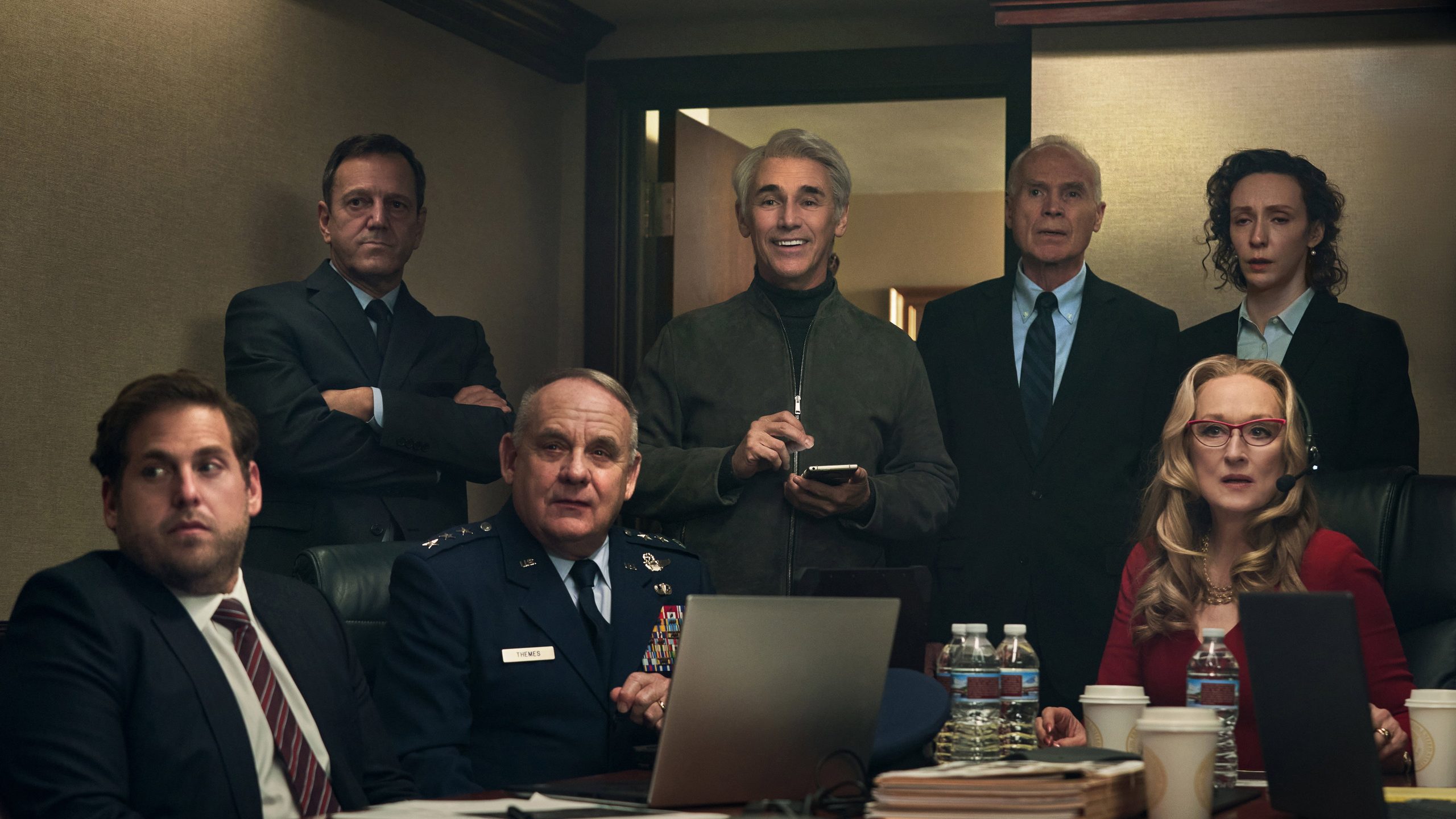
Mark Rylance and Jonah Hill give the two supporting turns worth an argument. Rylance’s Peter Isherwell, a tech billionaire who speaks in a small breathy voice and never finishes a thought, is the one figure McKay seems curious about rather than furious with, and Susan Matheson dresses him in the soft, colourless knitwear of a man who has never had to raise his voice. Hill’s Jason Orlean is a bully with a laptop, and Hill makes his stupidity specific. Streep is the weakest of the three; she plays a president assembled from recent headlines and never finds a second note.
Linus Sandgren shoots the observatory in cold blues and Washington in a hard, flat brightness, so the film looks like two different countries, which works. What does not work is the hour in the middle, when the plot has been set and the film has nothing to do but tell us that people are stupid. Past halfway we were bored, and then we were cross about being bored, because the actors were plainly having a good time and we were being lectured over their heads.
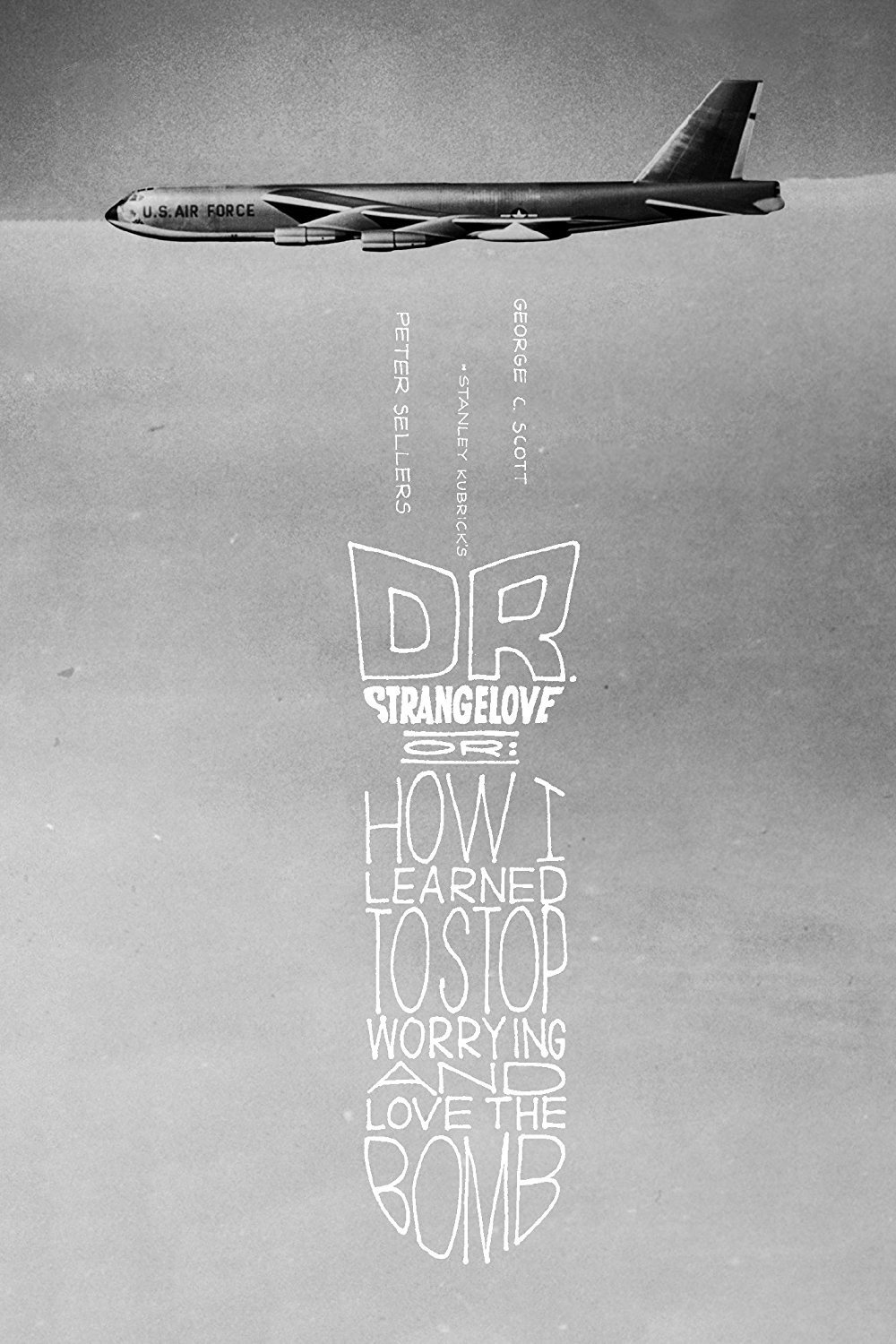
The second half takes a turn we will not describe. What we can say is that the last twenty minutes quieten down, sit at a table, and let the cast be sad rather than silly, and it moved us more than the preceding two hours had earned. Dr. Strangelove is the picture McKay is standing next to, and the difference is simple: Kubrick never once explains the joke.
The reviews split almost down the middle, and we can see both halves. Worth an evening if you want to watch a first-rate cast be angry on your behalf and do not mind being told what to think while they do it.