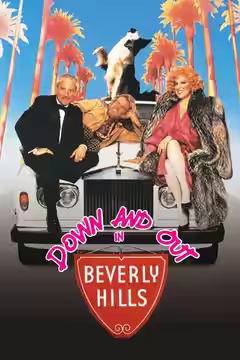
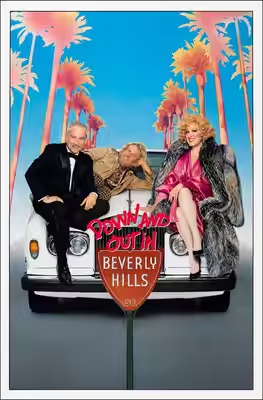
Paul Mazursky’s comedy gets good laughs from Beverly Hills snobbery, with Nick Nolte and Richard Dreyfuss giving it warmth. The story is thin, though, and the bustle too often smothers the sharper observations.
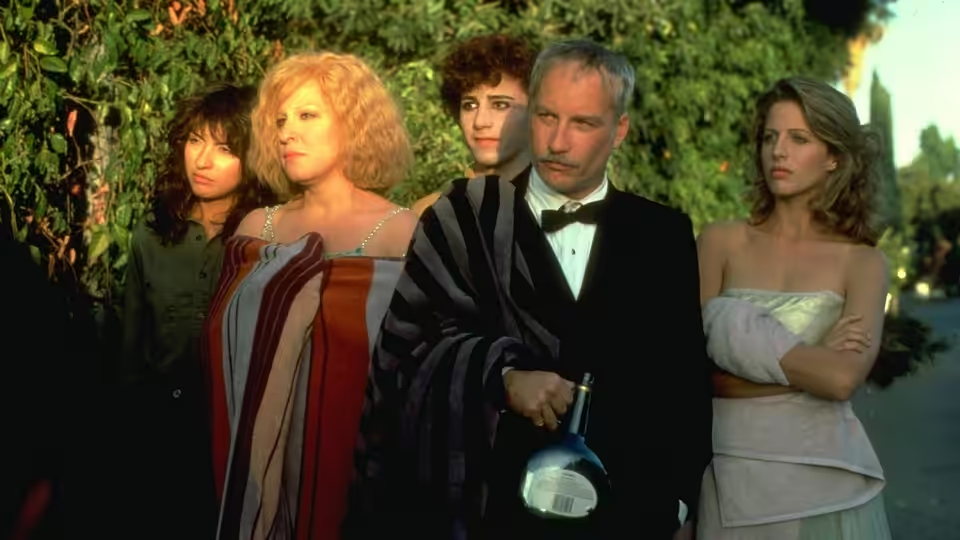
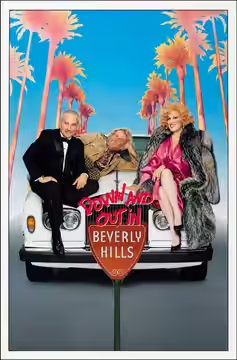
Paul Mazursky’s Down and Out in Beverly Hills is a likeable but thinly plotted comedy. The encounter between a desperate man and a wealthy family produces enough funny behaviour to keep us interested, but the film is reluctant to make its comfortable characters too uncomfortable. It enjoys their absurdity and rather likes their company. That affection is appealing, though it limits how much the jokes about snobbery can hurt.
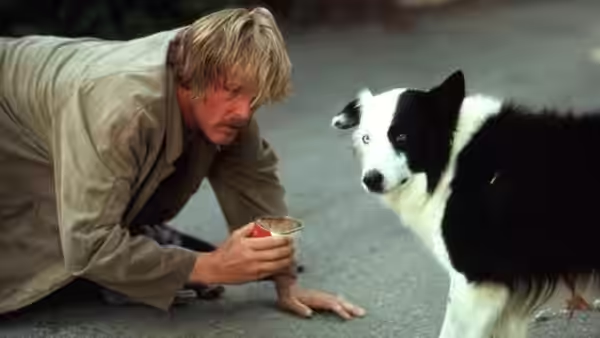
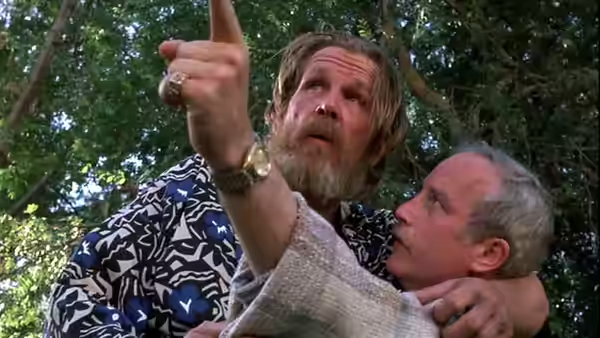
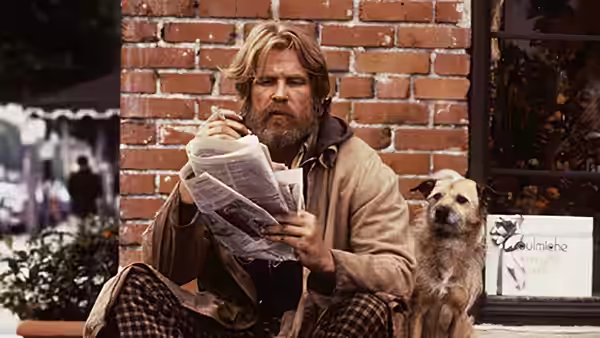
Nick Nolte gives Jerry Baskin enough weight to stop him becoming merely a device for embarrassing rich people. His comic presence does not cancel the desperation in the premise: this is a man who tries to drown himself. We were unexpectedly touched by his late-night scenes with Richard Dreyfuss, because the two actors let their characters seem capable of listening to each other. Those quieter passages give us time to care about the people involved.
Richard Dreyfuss makes Dave Whiteman’s concern feel mixed up with the strain of being respectable, a useful source of comedy. Bette Midler brings force to Barbara Whiteman, but there is so much comic activity that her performance can feel crowded. Richard Halsey’s editing keeps the business moving, sometimes beyond the point where a joke needs help. A little more time for an awkward reaction would have done more than another burst of activity.
Donald McAlpine’s cinematography makes Beverly Hills look inviting, which suits a film so willing to enjoy the place it teases. Pato Guzman’s production design gives the wealthy setting enough presence to hold our attention even when the story wanders. The problem is that looking at affluence becomes one of the film’s easier pleasures. Paul Mazursky seems content to let us enjoy these surroundings, too.
Andy Summers’s music helps the comedy along, although the film seldom needs further encouragement to be lively. The screenplay by Paul Mazursky and Leon Capetanos supplies plenty of comic situations. Connecting them into a convincing story proves more difficult. Some scenes make a pointed observation about snobbery, then the bustle resumes before it can register. At 103 minutes, the film is not long, but its stretches of frantic activity can make it feel overextended.
A comedy about a rich family’s encounter with an outsider need not turn into a lecture about inequality. It does need to decide how seriously it takes the outsider’s difficulties, particularly with an opening as desperate as this one. Here the desire to keep things agreeable makes Jerry Baskin’s place in the comedy feel uncertain. The actors supply sympathy, but the writing does not always know what to do with it.
There are enough good performances and funny moments here for an evening when a loose comedy will do. We would choose it for Nick Nolte and Richard Dreyfuss, with modest expectations of the social criticism surrounding them. Anyone hoping the Whitemans will be subjected to a thorough examination should choose something less fond of their company.