James Wong’s fantasy adventure is brisk, bland and short of reasons to care about its mystical quest. Chow Yun-Fat supplies some welcome silliness, but the thin writing and uneven action make this a poor evening’s entertainment.
Dragonball Evolution is a poor fantasy adventure, brisk enough to get through but too bland to recommend. James Wong has a workable proposition: combine a teenage story with martial arts and a quest to collect mystical balls before disaster strikes. At 85 minutes, the film has little room for detours, yet it still struggles to give that quest much urgency. The explanations tell us what has to be collected without making the danger feel close.
Ben Ramsey’s screenplay has plenty of mythology to get through, and treats explaining it as sufficient preparation for an adventure. There is little pleasure in discovering how this fantasy works, because its rules arrive with so little room for curiosity. The teenage material might have given Goku something familiar to worry about, but it feels borrowed and sits awkwardly beside the larger threat. Justin Chatwin is not persuasive enough to connect the two, leaving the central character hard to care about.
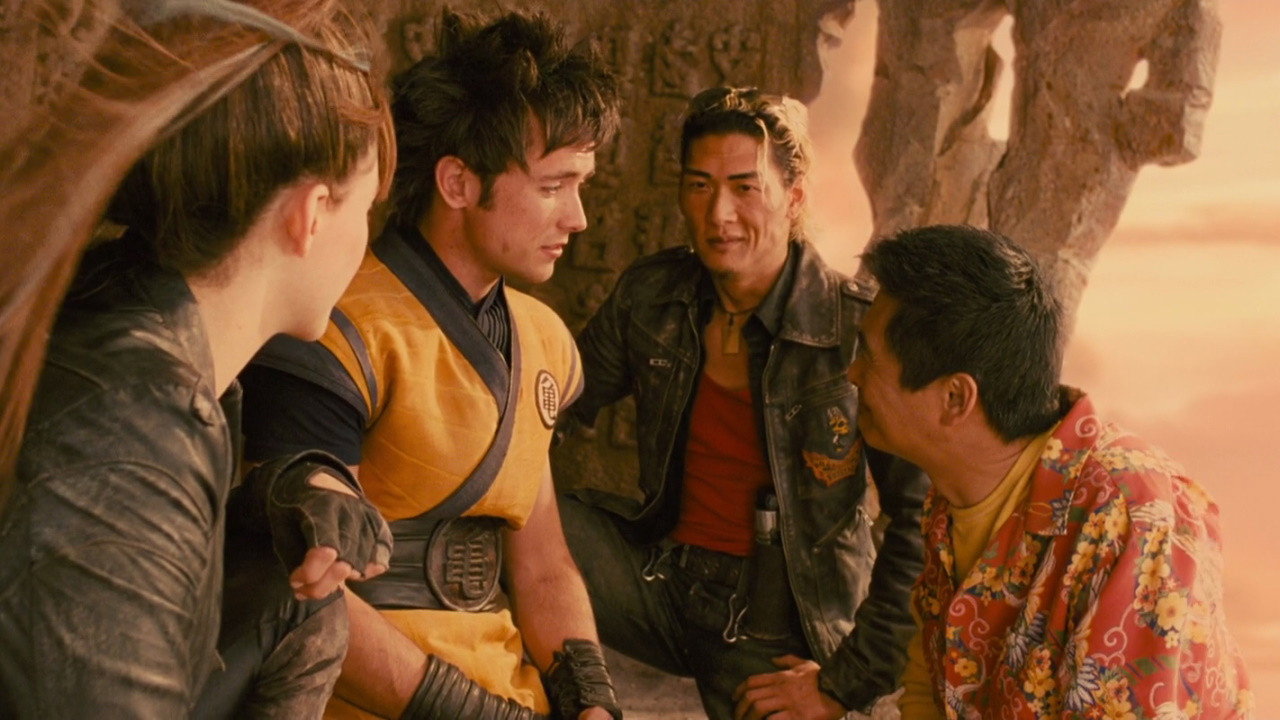
Chow Yun-Fat provides the clearest relief as Roshi, playing broadly enough to suggest that somebody has noticed the possibilities for comedy. We were briefly cheered by his clowning, because he brings a looseness to exchanges otherwise weighed down by explanation. His performance occasionally threatens to become distracting, but the interruption is welcome when the surrounding story is this dutiful. The rest of the cast takes the material seriously and works to make the awkward dialogue sound natural.
Robert McLachlan’s cinematography gives the film a reasonably polished finish, without finding much that distinguishes it from other effects-driven adventures. The images are serviceable, but they do not make us curious about what lies beyond the next fight. Bruton Jones’s production design similarly struggles to give the fantasy a place we can picture clearly afterwards. The teenage material and the supernatural business seem to belong to different films, and the settings do too little to bring them together.
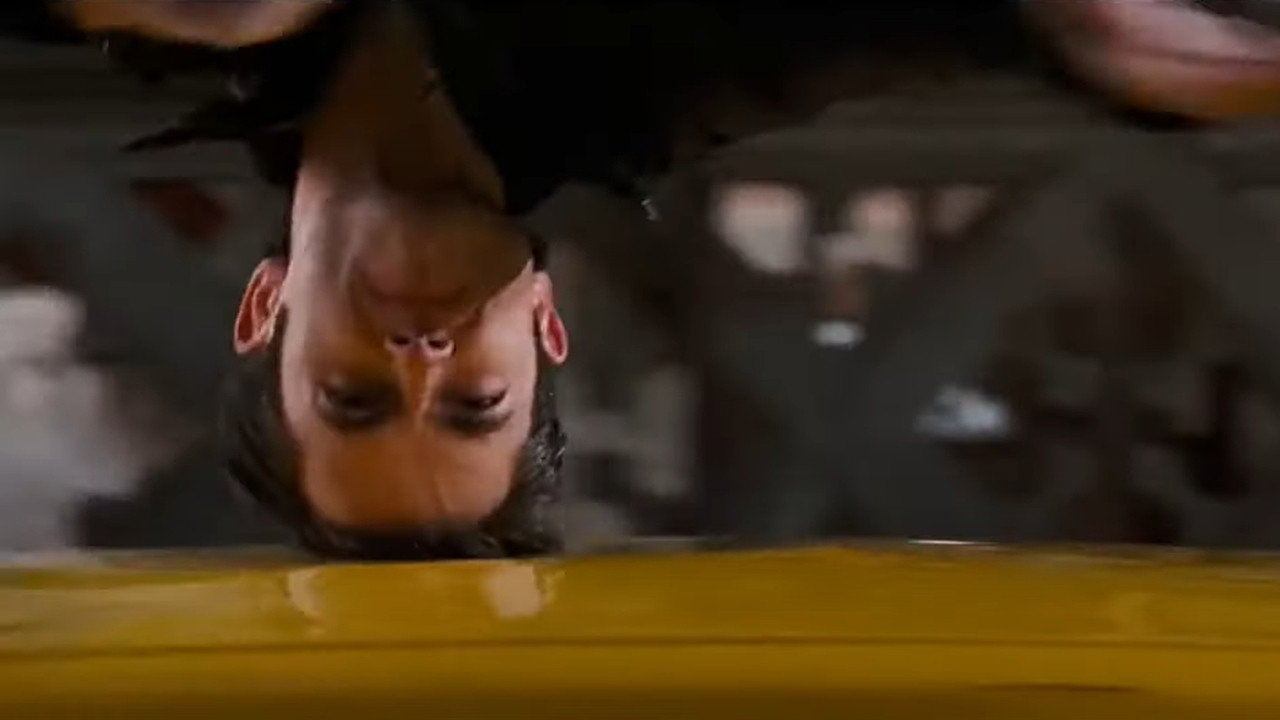
Editors Matthew Friedman and Chris Willingham keep things moving, although speed does not consistently help the fighting. Some exchanges have enough energy to hold our attention; others are broken up before the movement becomes satisfying. Too often, the cutting gets us from one blow to the next without letting us appreciate the skill involved. The effects are uneven too, with their artificiality becoming an occasional source of amusement rather than excitement.
Brian Tyler’s music pushes for excitement that the screenplay has not earned. The score makes the adventure sound important, but the urgency rarely carries over into the dialogue. It is another instance of capable people trying to compensate for characters who have been given too little to do beyond advancing the quest. The music cannot make those characters interesting on its own.
A martial arts fantasy can survive a foolish story if the fighting has character and the humour has confidence. Here, neither arrives often enough, and familiarity with the source material should not be necessary to follow such a short adventure. There are passable fights and an agreeable comic performance, but they are scattered through a film that gives newcomers little reason to stay interested. We would save the evening for something with more life in it.