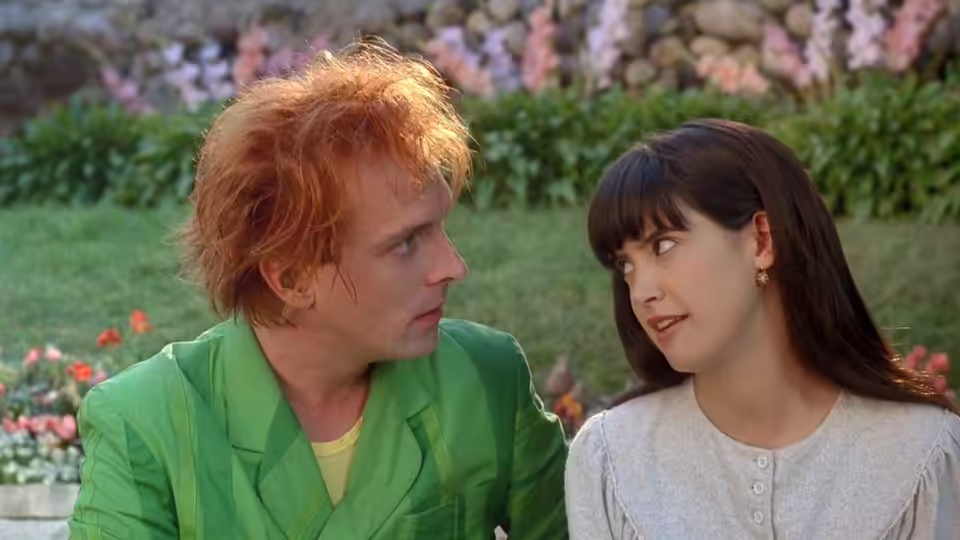
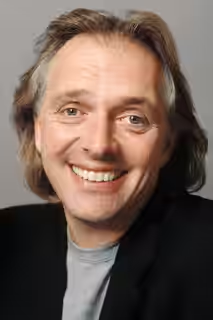
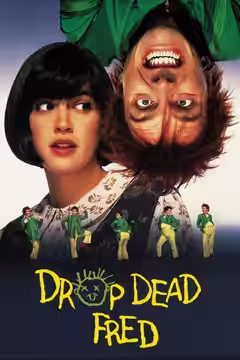
Rik Mayall supplies the bad behaviour and Phoebe Cates makes the nuisance bearable. There are laughs in this imaginary-friend comedy, but the jokes overstay and the warmth never quite persuades us.
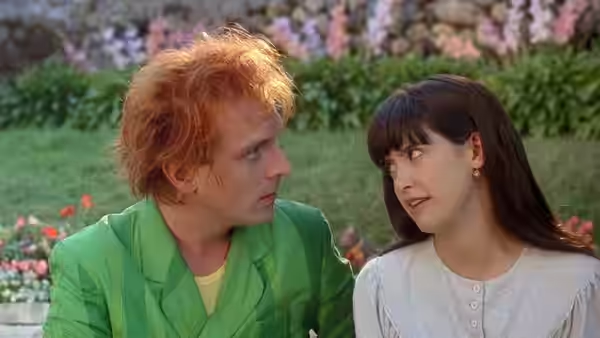
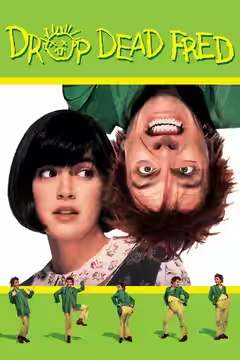
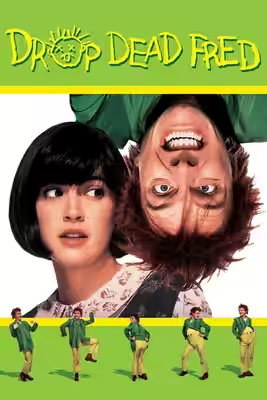
Drop Dead Fred has enough comic talent to make its disappointments irritating. Rik Mayall commits himself to being an intolerable imaginary friend, and Phoebe Cates supplies the physical comedy that makes his company intermittently worth enduring. We find the result mixed: a fantasy with some warmth and too many jokes left running after they have stopped being funny. Director Ate de Jong wants the bad behaviour to lead somewhere emotionally useful, but spends too much time explaining the trouble and too little inventing it.
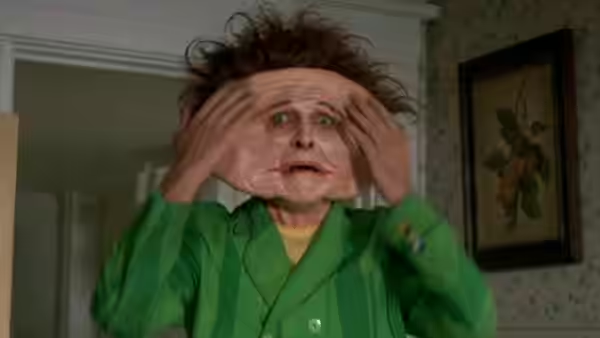
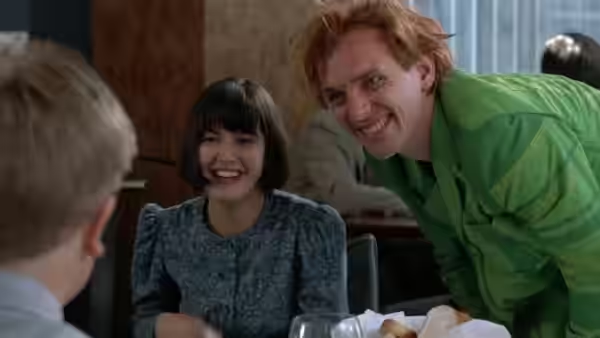
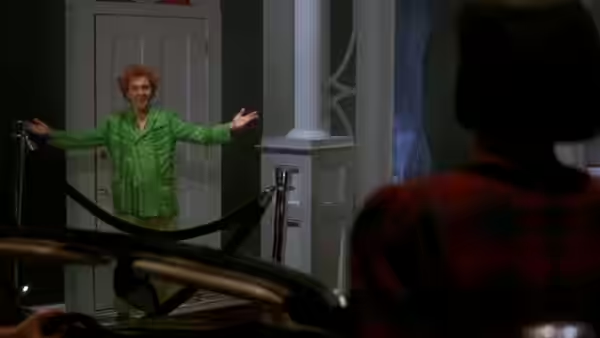
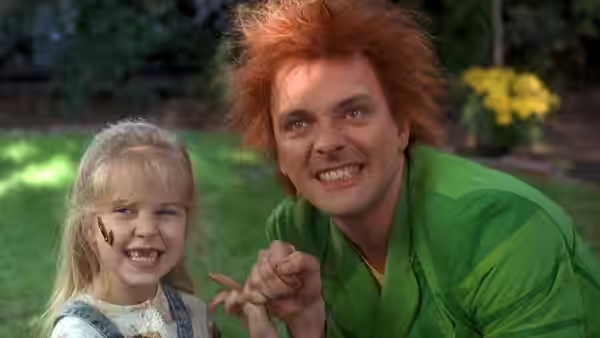
Rik Mayall understands the appeal of giving an imaginary friend no obligation to be pleasant. His performance has the energy of someone enjoying freedoms the rest of the cast cannot claim, and that energy is the film’s main resource. It also becomes exhausting when a scene offers him no fresh comic obstacle. We can enjoy his readiness to be objectionable while wishing the screenplay gave him more to do than keep insisting on it.
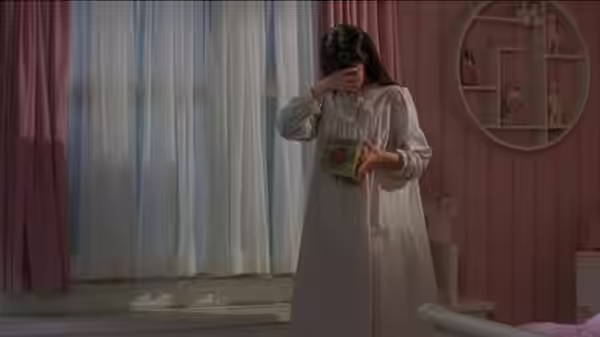
Phoebe Cates gives that energy something to work against. Her physical responses make the inconvenience of Fred’s company feel immediate, and her attempts to cope often provide the better comedy. Peter Deming’s cinematography keeps those responses readable, an important service in a film so dependent on one person’s reaction to another. There is pleasure in watching her work through the nuisance, even when the joke itself has become predictable.
Anthony Fingleton and Carlos Davis’s screenplay has an appealing problem to explore: how a friendship can become a nuisance without ceasing to matter. The explanations keep getting ahead of the comic invention, however, as though the premise requires defending before it can be enjoyed. Marshall Harvey’s editing does not solve the problem of slapstick that continues beyond its useful length. A performance this forceful needs firmer limits on how long each bout of misbehaviour can occupy the screen.
Joseph T. Garrity’s production design has its clearest comic use in the waiting room. The children there have imaginary companions of their own, briefly giving the fantasy something to do beyond accommodating Fred. We laughed at the suggestion that such companions might be an everyday problem other people also have. The setting makes the idea easy to grasp, and for once the film can trust a comic situation without explaining it into submission.
The difficulty is sustaining that confidence while making room for the gentler material. Randy Edelman’s score helps encourage a warmer response, but the music cannot quite persuade us to feel the affection the film asks for. Against the freedom promised by fantasy comedy, the repeated explanations and prolonged routines feel restrictive. At 99 minutes, the film is not unusually long, but its limited supply of comic ideas makes the stretches between successful jokes feel longer than they should.
There are enough signs of effort here to make outright dismissal unfair, particularly in the two central performances. An appetite for Rik Mayall’s naughtiness may carry an evening further than the writing does, and Phoebe Cates deserves attention for making so much of the reactions. Anyone who tires quickly of prolonged misbehaviour should leave Fred to more patient company.