Jim Carrey and Jeff Daniels are a fine double act in a comedy with little interest in good taste. The jokes repeat themselves, but enough land to make the trip worthwhile.
Dumb and Dumber is a good comedy with a reliable weakness: it often carries on after a joke has finished. Peter Farrelly gives Jim Carrey and Jeff Daniels a cross-country errand and plenty of opportunities to make it difficult. Their attempt to return a briefcase supplies enough story for the trip, though the ransom business is less interesting than the men carrying it. We recommend it for the double act, provided bodily functions have not exhausted their comic possibilities for you.
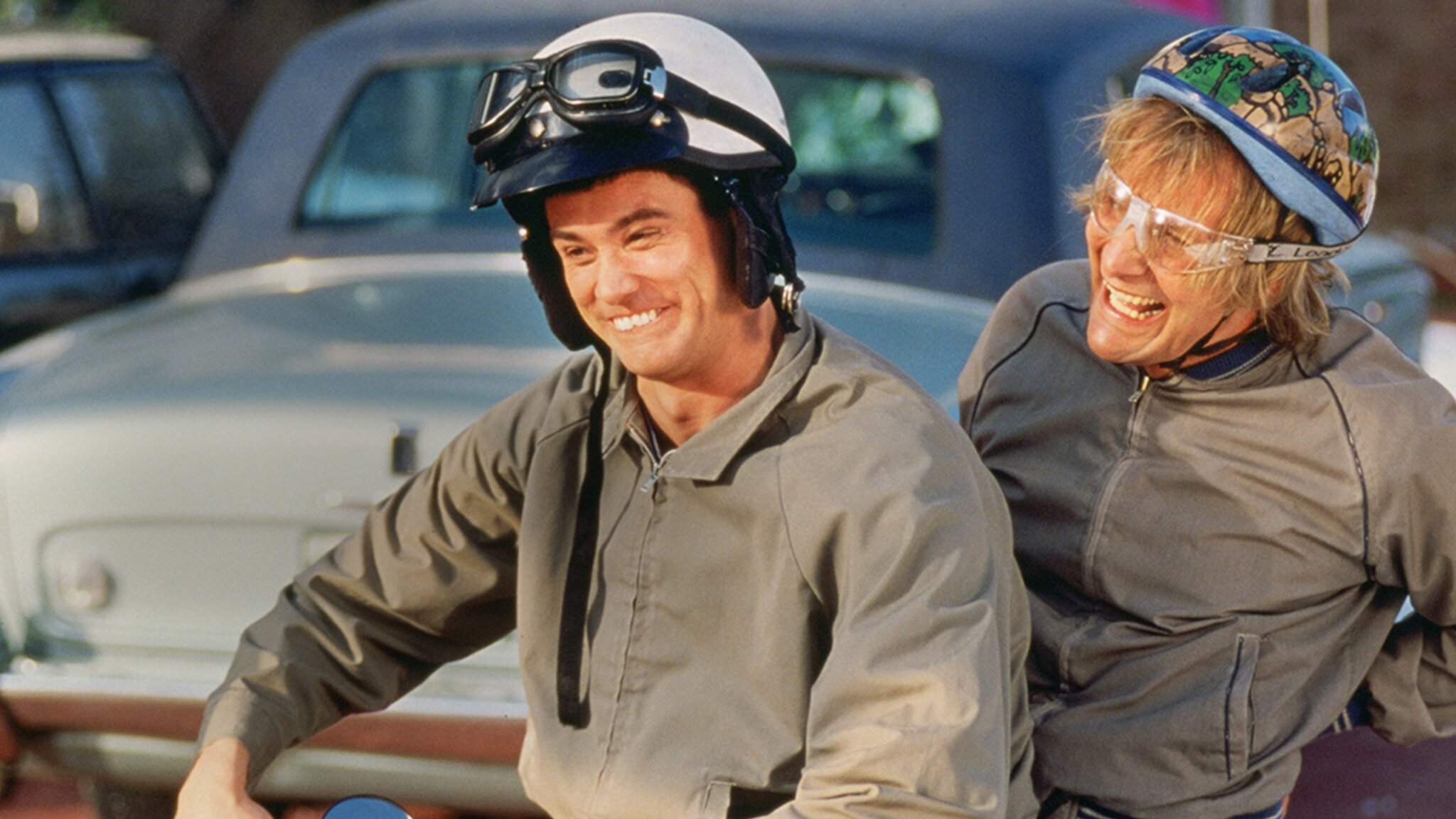
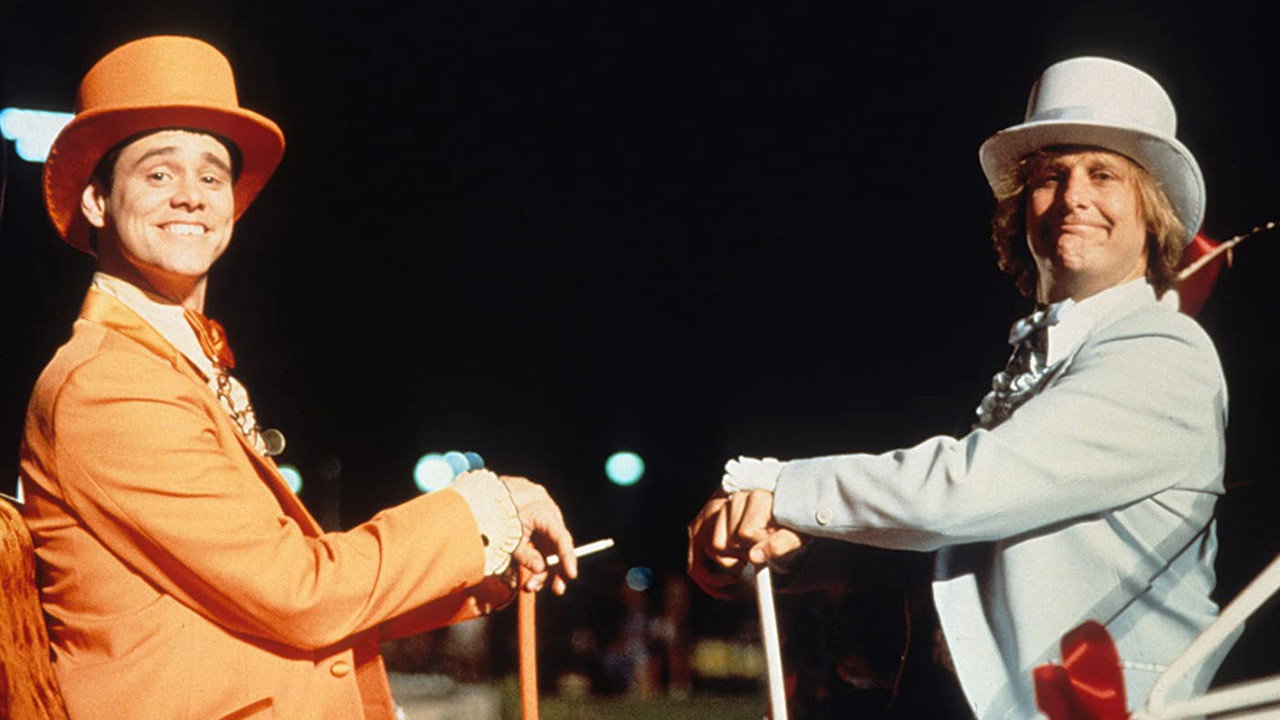
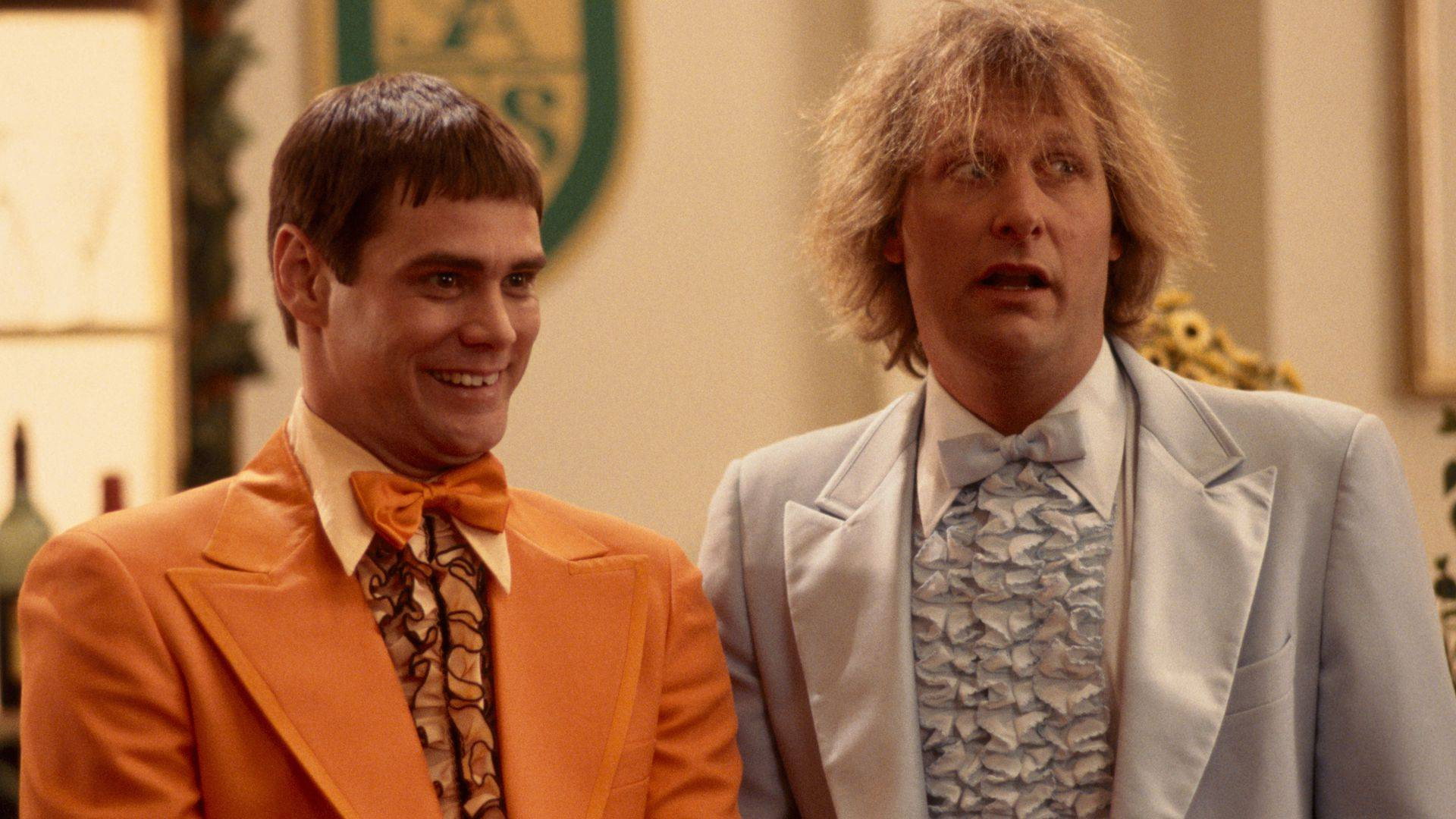
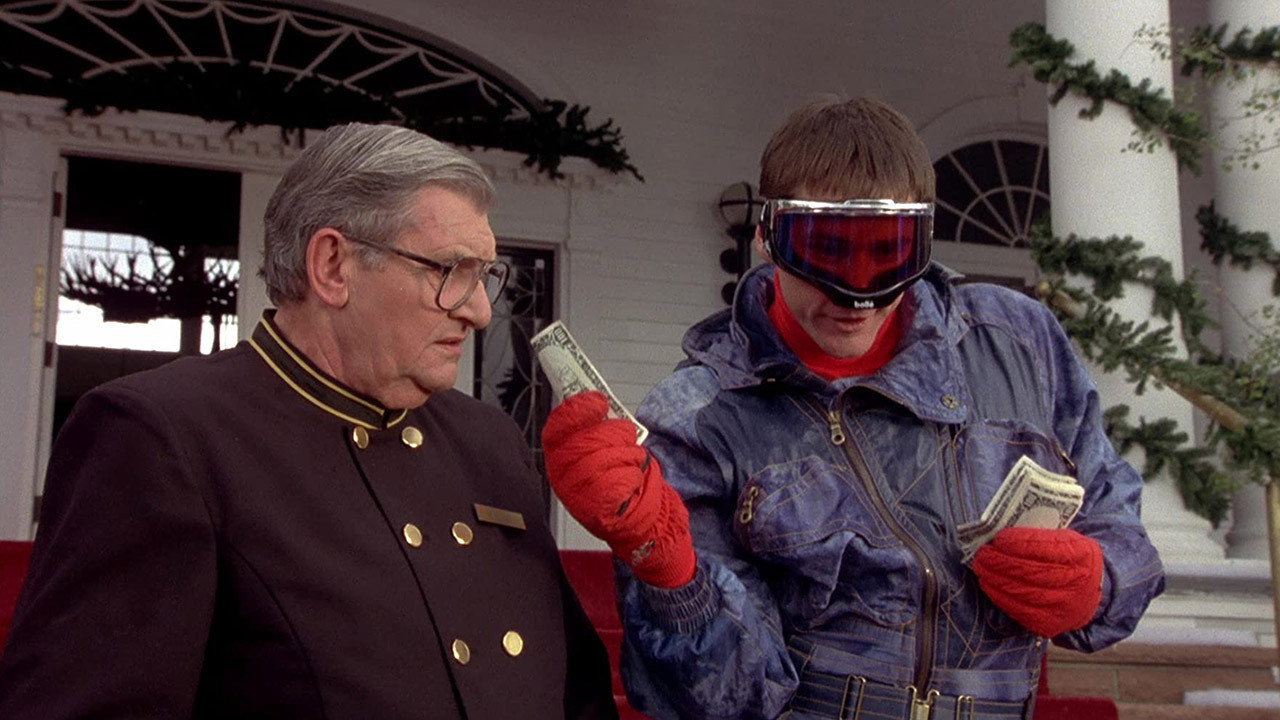
Carrey’s Lloyd Christmas rarely settles for a small facial expression. He stretches each reaction into a performance, sometimes until the effort becomes more noticeable than the joke. We laughed at his extravagant mugging, then felt slightly foolish for having done so. There is something disarming about an actor willing to work this hard for such a ridiculous result. Farrelly does not always know when to stop him.
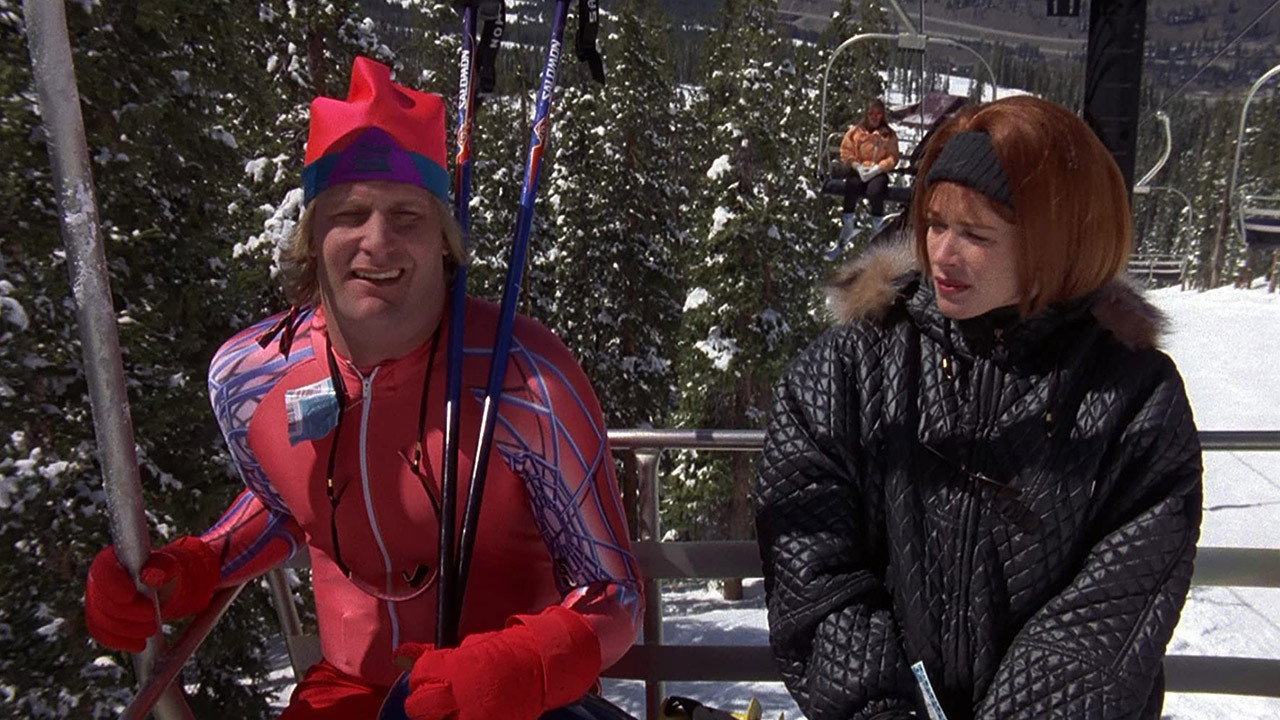
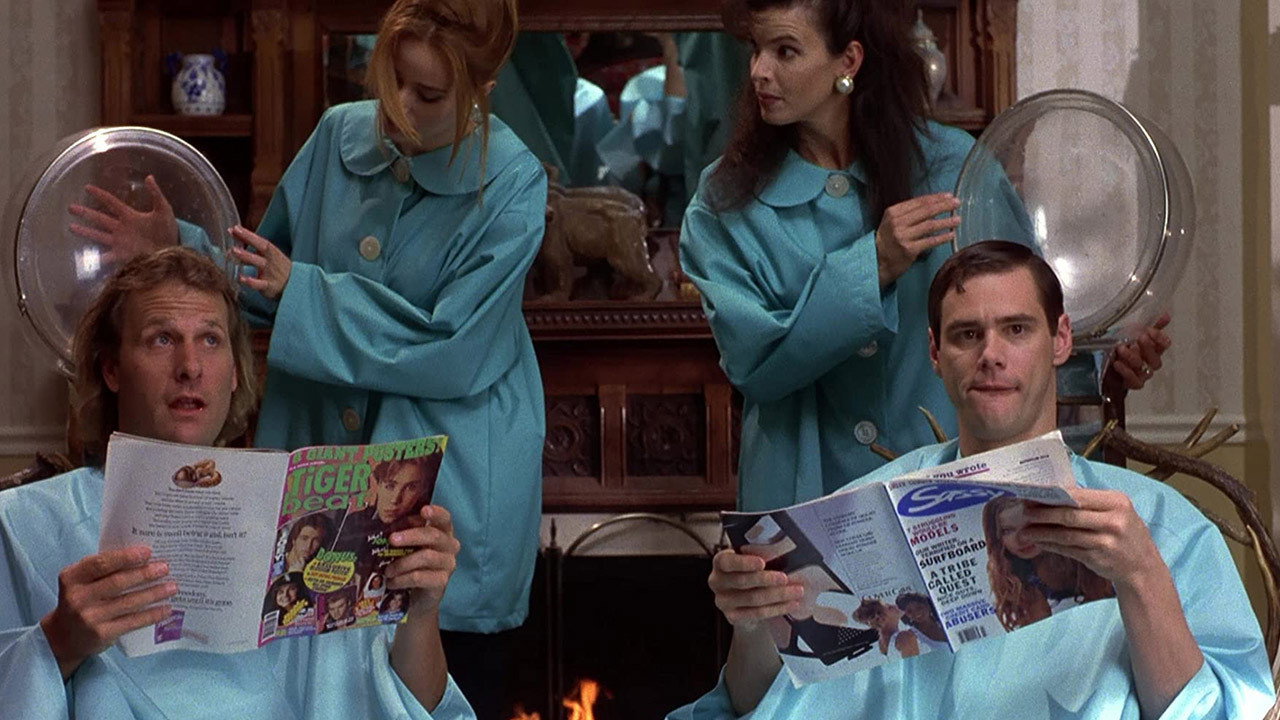
Daniels keeps the partnership in balance. As Harry Dunne, he gives stupidity a calm, matter-of-fact delivery that makes Lloyd’s exertions funnier. He never looks like an actor waiting to be excused from the material, and he does not play Harry as secretly brighter than his companion. There is care in the timing, especially in the contrast between Carrey’s insistence and Daniels’s quieter responses. We begin to enjoy their company, which helps when the next joke is one we have effectively heard already.
The script by Peter Farrelly, Bobby Farrelly and Bennett Yellin is less dependable. It keeps finding new occasions for the same basic discovery, that these men cannot manage something everybody else considers simple, and some of the bathroom humour relies on endurance after the surprise has gone. The road-comedy structure makes room for another encounter whenever the previous one runs out, but it also makes the repetitions harder to miss. At 107 minutes, the film asks for a little more patience than its supply of different jokes warrants.
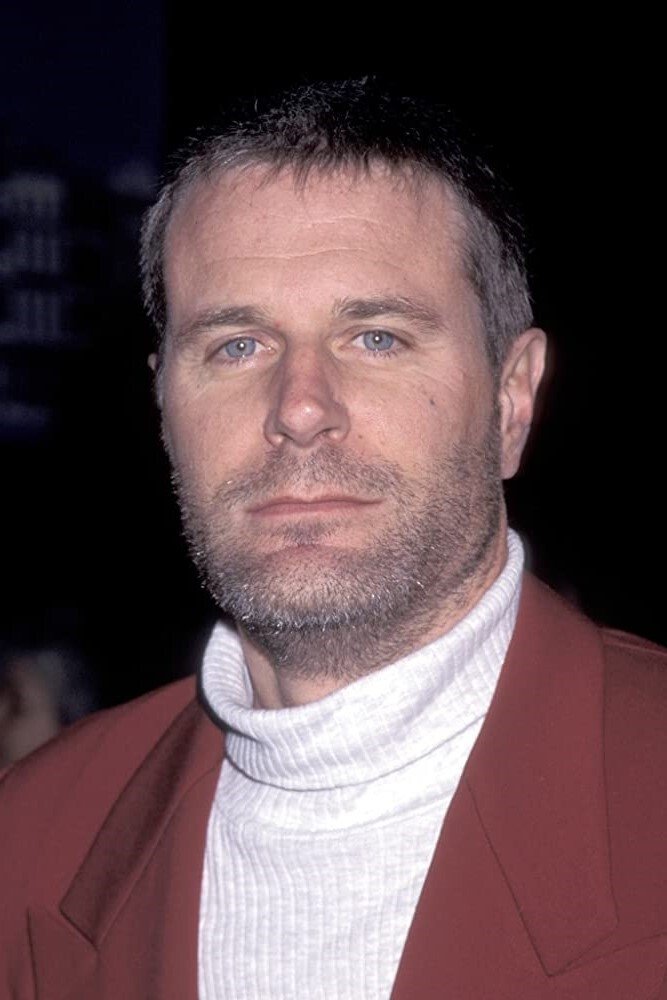
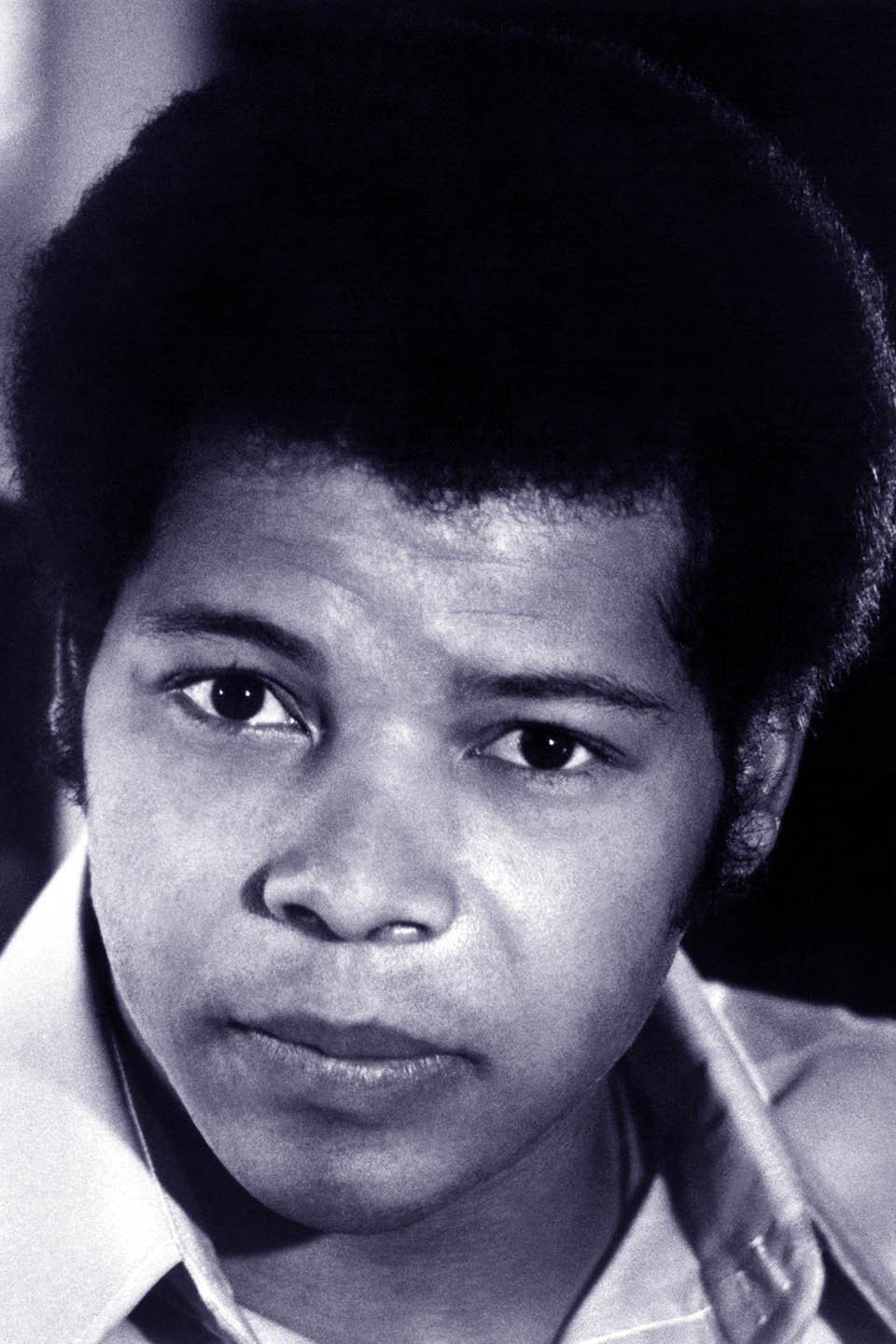
Mark Irwin’s cinematography keeps the physical comedy legible, giving the actors’ faces and bodies the attention they need. Sydney J. Bartholomew Jr.’s production design contributes to the polished finish without demanding attention for itself. Both departments take the material seriously enough to present it properly, which matters in a comedy this cheerfully crude. The staging is less consistent: some jokes have all the necessary enthusiasm and still fail to arrive with much force.
Christopher Greenbury’s editing serves the actors’ comic timing better than it controls the film’s length. Individual exchanges have a pleasing snap, but the accumulation of similar gags makes the journey feel longer than it needs to. Todd Rundgren’s music is a modest part of the pleasure, keeping things buoyant without competing with the stars. Nothing in the accompaniment is as important as the next response from Daniels.
Buddy comedies need companions worth keeping when the plot stops being interesting, and these two qualify. We do not need to imagine that they are secretly wise or misunderstood to enjoy the way they fit together. The film trusts its actors to make stupidity entertaining, and they usually repay that trust. Anyone hoping the bathroom jokes are just an opening phase should choose something else.