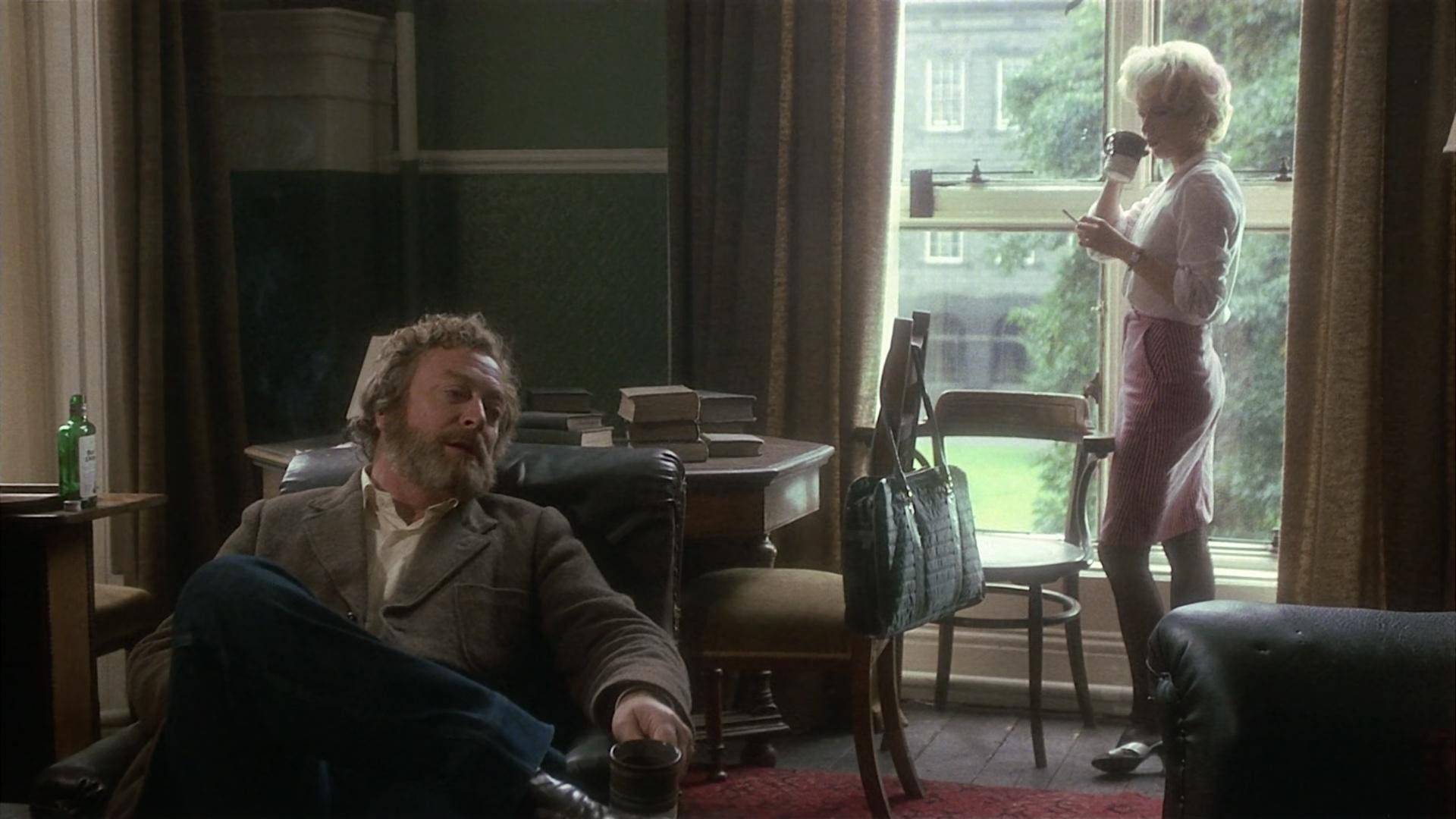
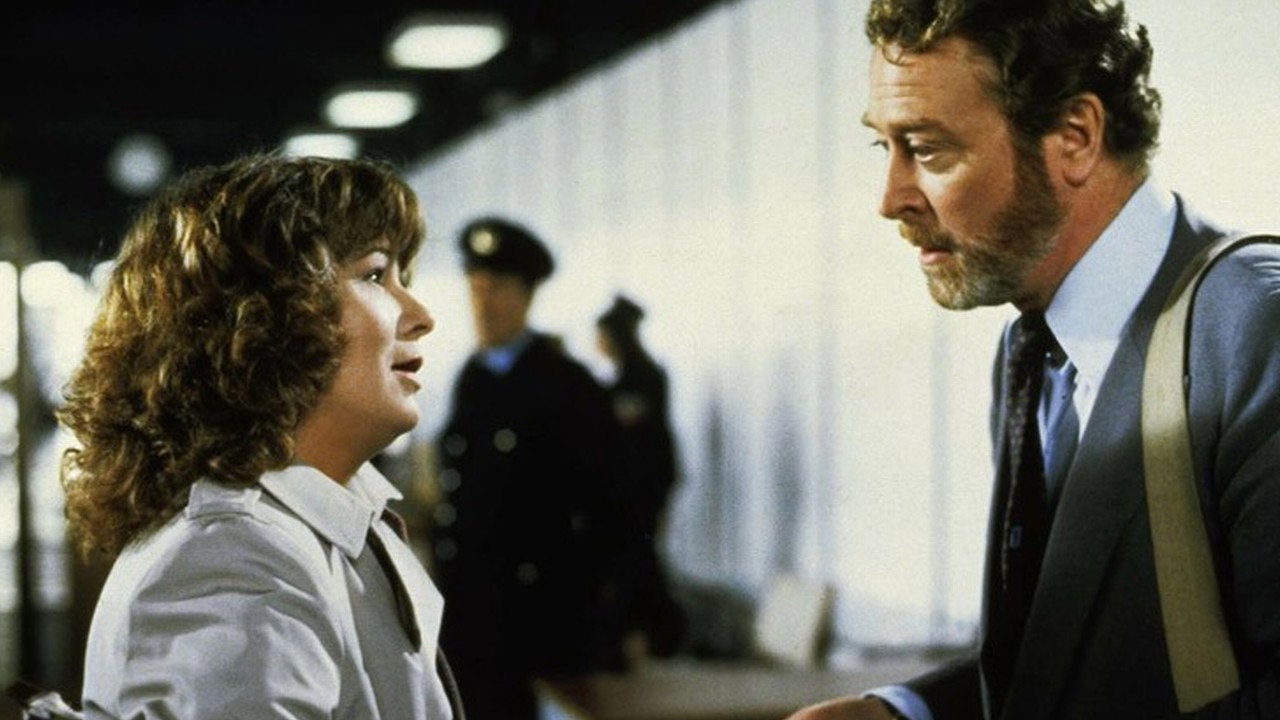
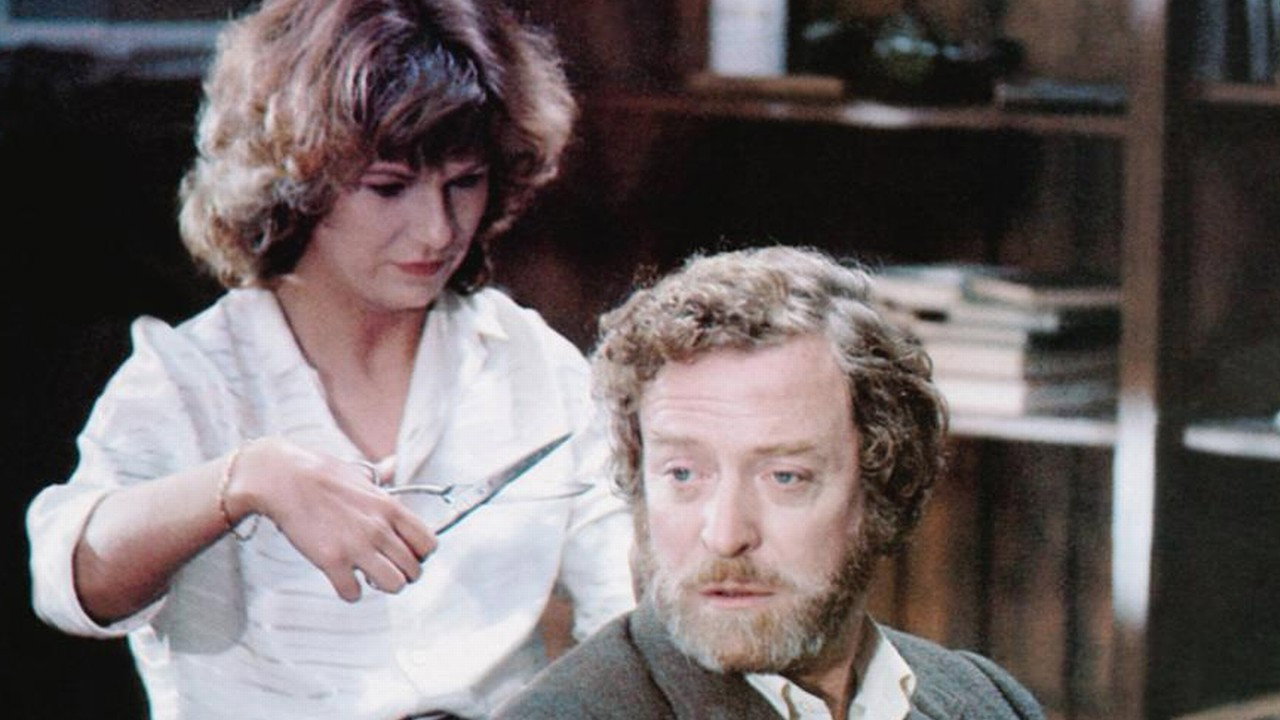
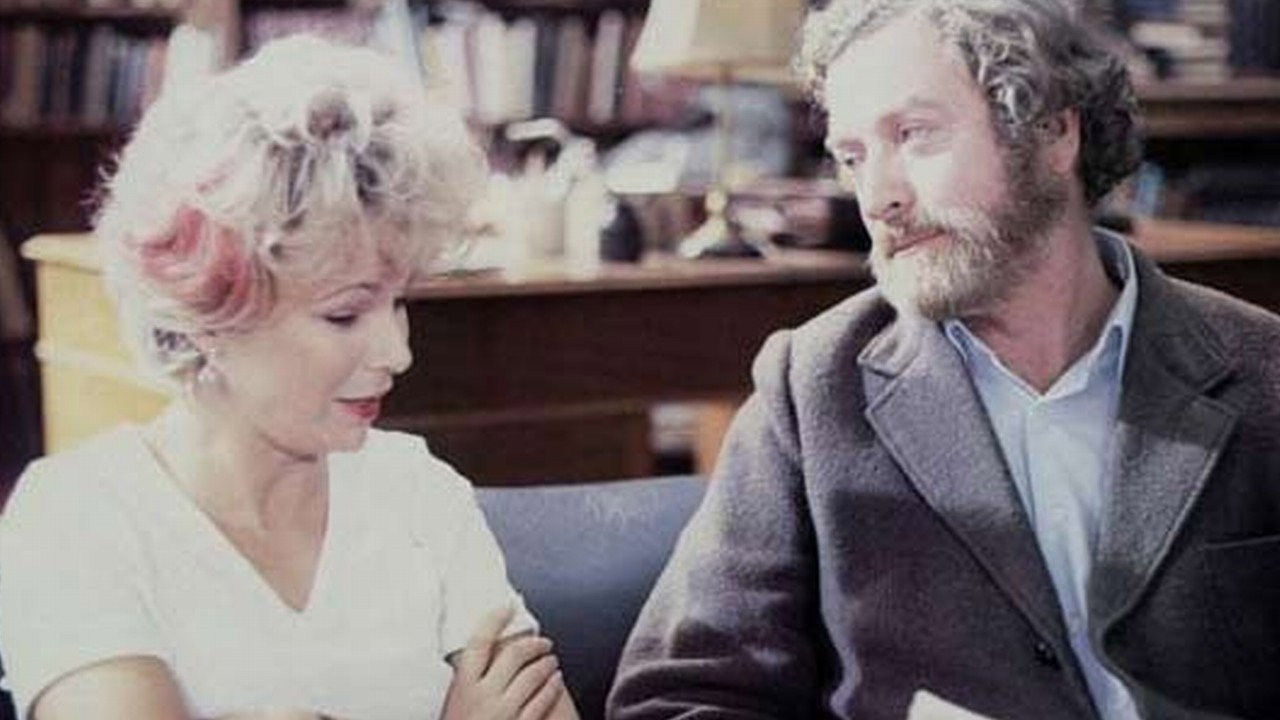
Julie Walters and Michael Caine make Educating Rita worth an evening. Lewis Gilbert’s direction can be plodding and the lessons are thin, but the actors make Rita’s wish to learn matter.
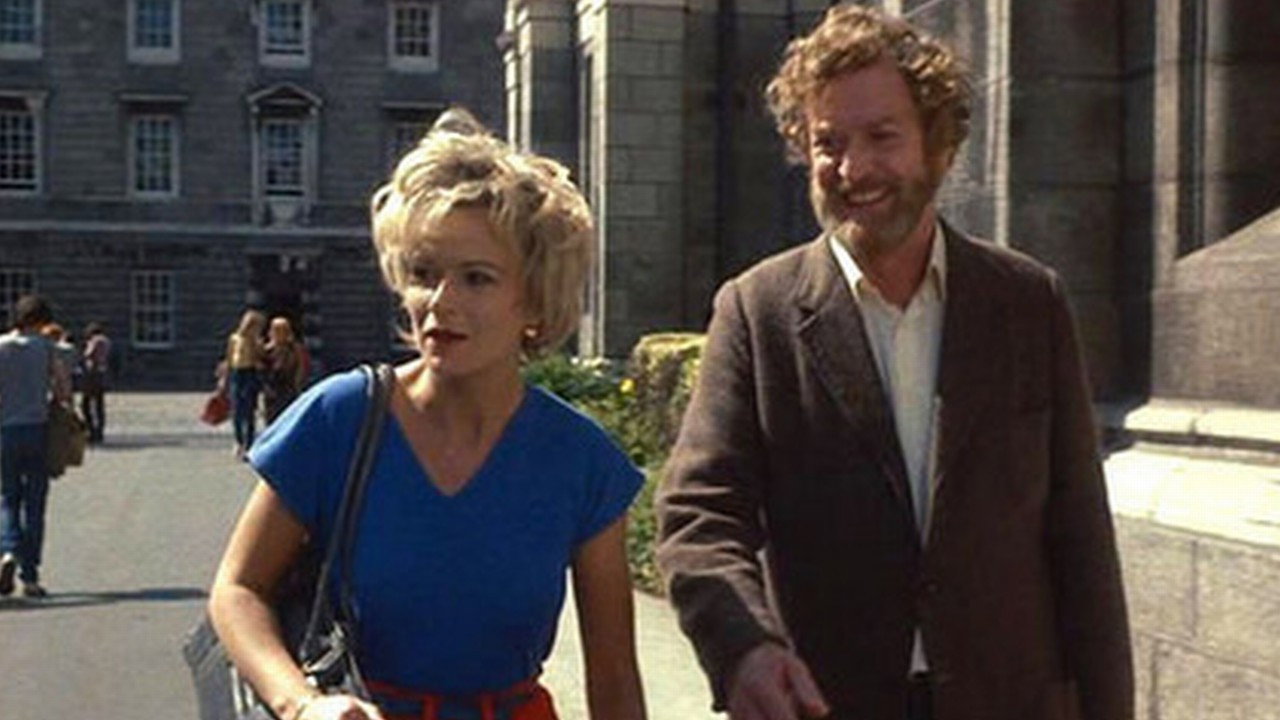
Educating Rita is a likeable, uneven comedy, worth seeing for Julie Walters and Michael Caine. Willy Russell’s screenplay gives them a promising difficulty: Rita wants an education from a professor who has become thoroughly disappointed in himself. Lewis Gilbert directs with more care than ease, and there are stretches when the effort shows. But the wish to learn matters here, and Walters makes it easy to care about a woman pursuing it.
Walters supplies the energy that Gilbert’s direction sometimes lacks. A working-class pupil confronting an educated man can too easily become an excuse for making him look foolish, with every exchange arranged to let her put him right. Russell occasionally settles for that easy laugh, but Walters makes Rita’s curiosity feel too pressing for the character to become smug. Her enthusiasm keeps the lessons alive even when the writing is content to offer another joke.
Caine is just as important, because Frank’s weariness prevents the relationship from settling into straightforward encouragement. His self-disgust moved us more than we expected: Caine makes it uncomfortable to watch a man teach when he has so little respect left for himself. He allows enough warmth through to make Rita’s interest in him credible, without asking us to find the professor’s unhappiness charming. The two performances suit each other, and their differences give Russell’s dialogue a liveliness that the direction cannot always supply.
Gilbert’s handling of the play is less assured outside that central relationship. The supporting characters add company without always adding much life, and their subplots take time away from the people we want to watch. Frank Watts’s photography is serviceable, but we rarely get a sense that the images help us understand these people beyond what they say. Garth Craven’s editing keeps their exchanges clear; it does less to prevent the subplots from breaking our concentration.
David Hentschel’s music keeps the tone amiable, sometimes more insistently than these performances require. The larger problem is Russell’s treatment of literature. We understand that Rita wants access to it, but the film is much less convincing about what she finds there, or why a particular piece of writing might change her mind. For a story built around education, it is surprisingly willing to let the relationship do the work of the lessons.
As a teacher-and-pupil comedy, it has the virtue of not making the teacher a comfortable figure of authority. Caine’s unhappiness keeps reminding us that knowing about books does not guarantee much contentment. That gives Walters something more interesting to work against than a succession of obstacles placed in her path. We believe in the difference between these people, and in their interest in each other, even when the film is vague about what they are studying.
These limitations keep the film from being as satisfying as its central pairing promises, but they do not cancel the pleasure of watching that pairing. Caine never makes weariness look like a lack of effort, and Walters supplies enough life to carry the more dutiful passages. At 106 minutes, it asks for a manageable amount of patience. See it for the conversation between these two; do not expect much of a reading list.