Film review

Face/Off

1997 · Directed by John Woo · 2h 19m · MPA R

In a sentenceJohn Travolta and Nicolas Cage swap faces, and neither has the decency to be subtle

ActionCrimeScience Fiction

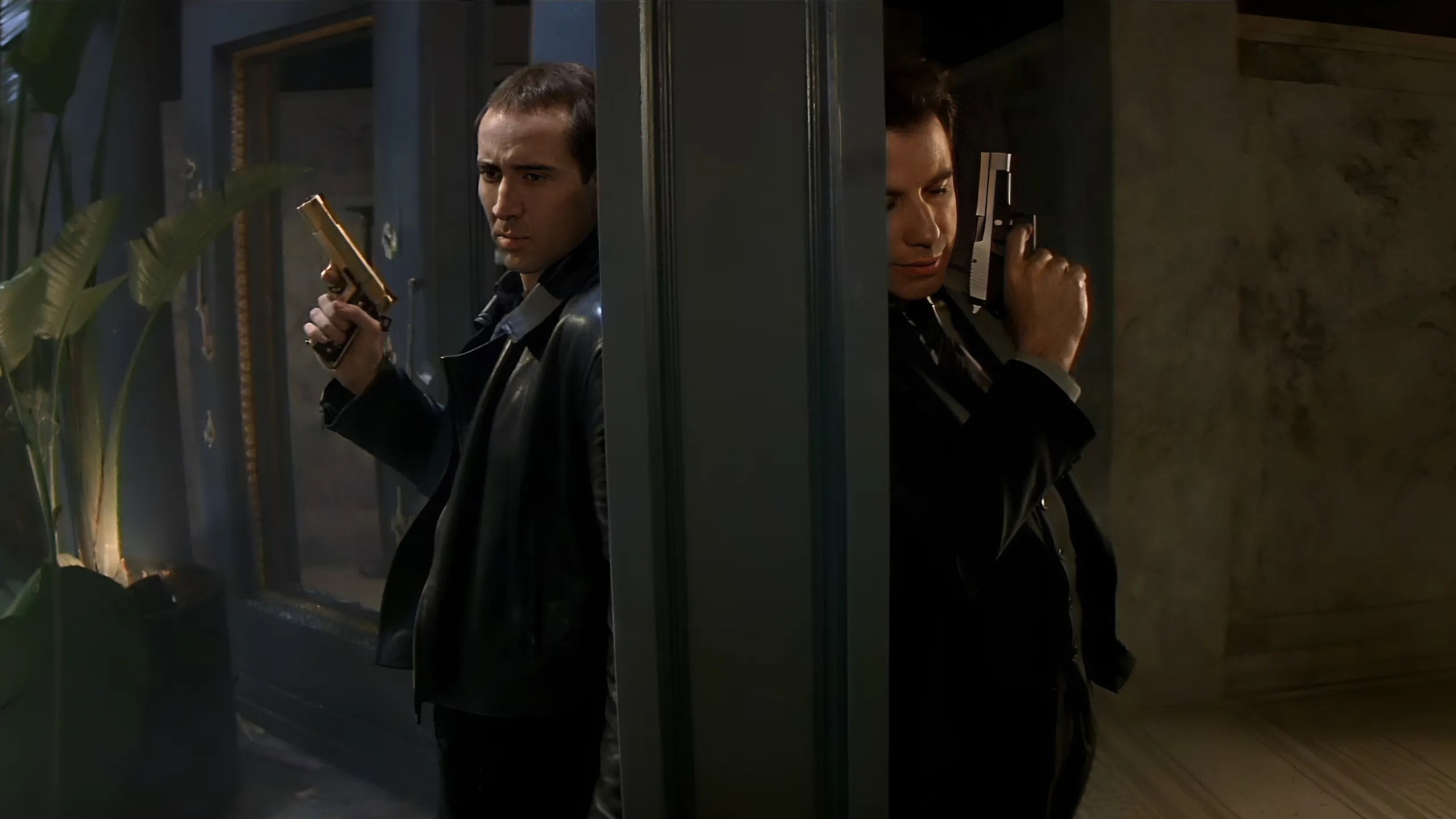
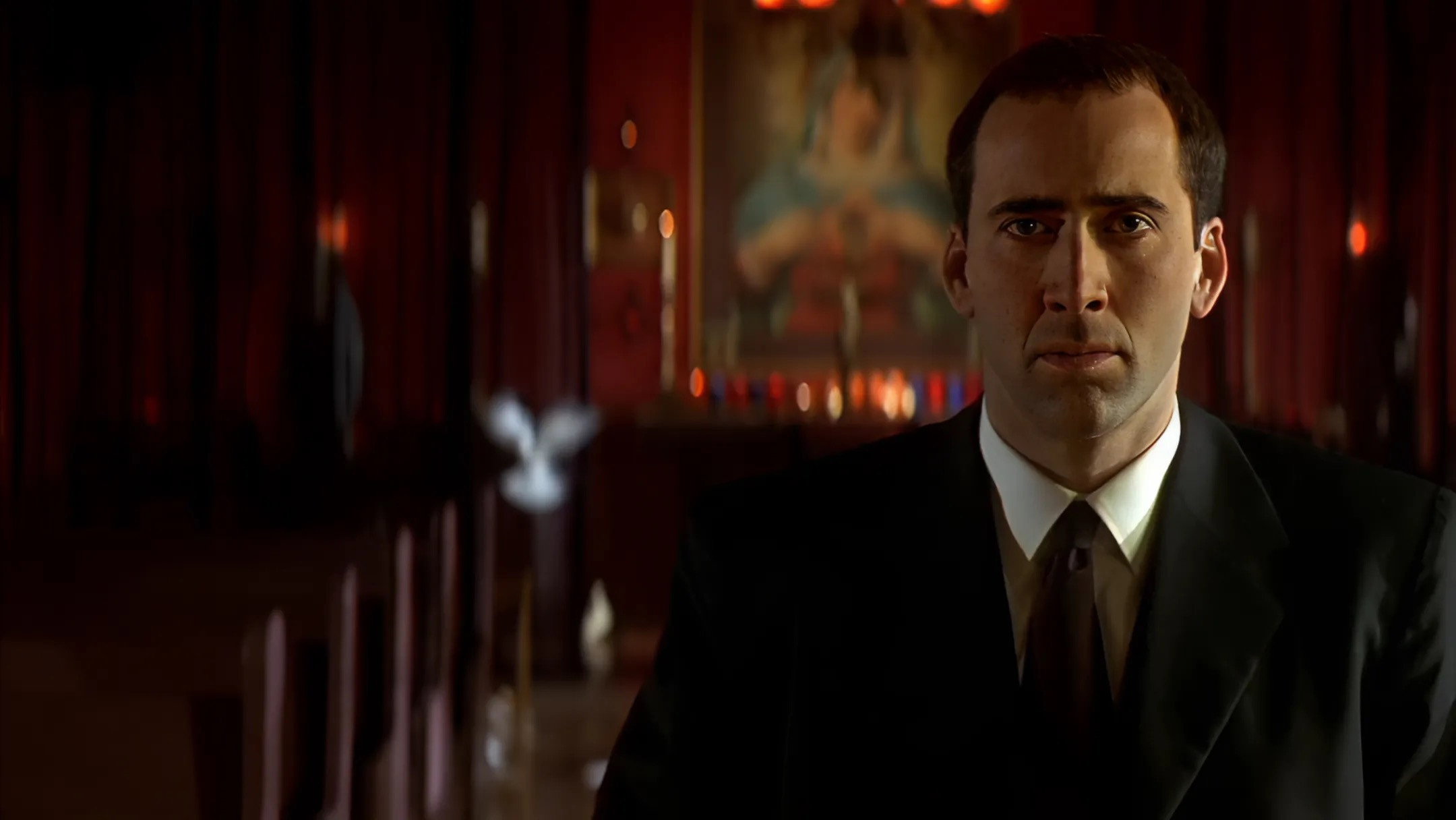
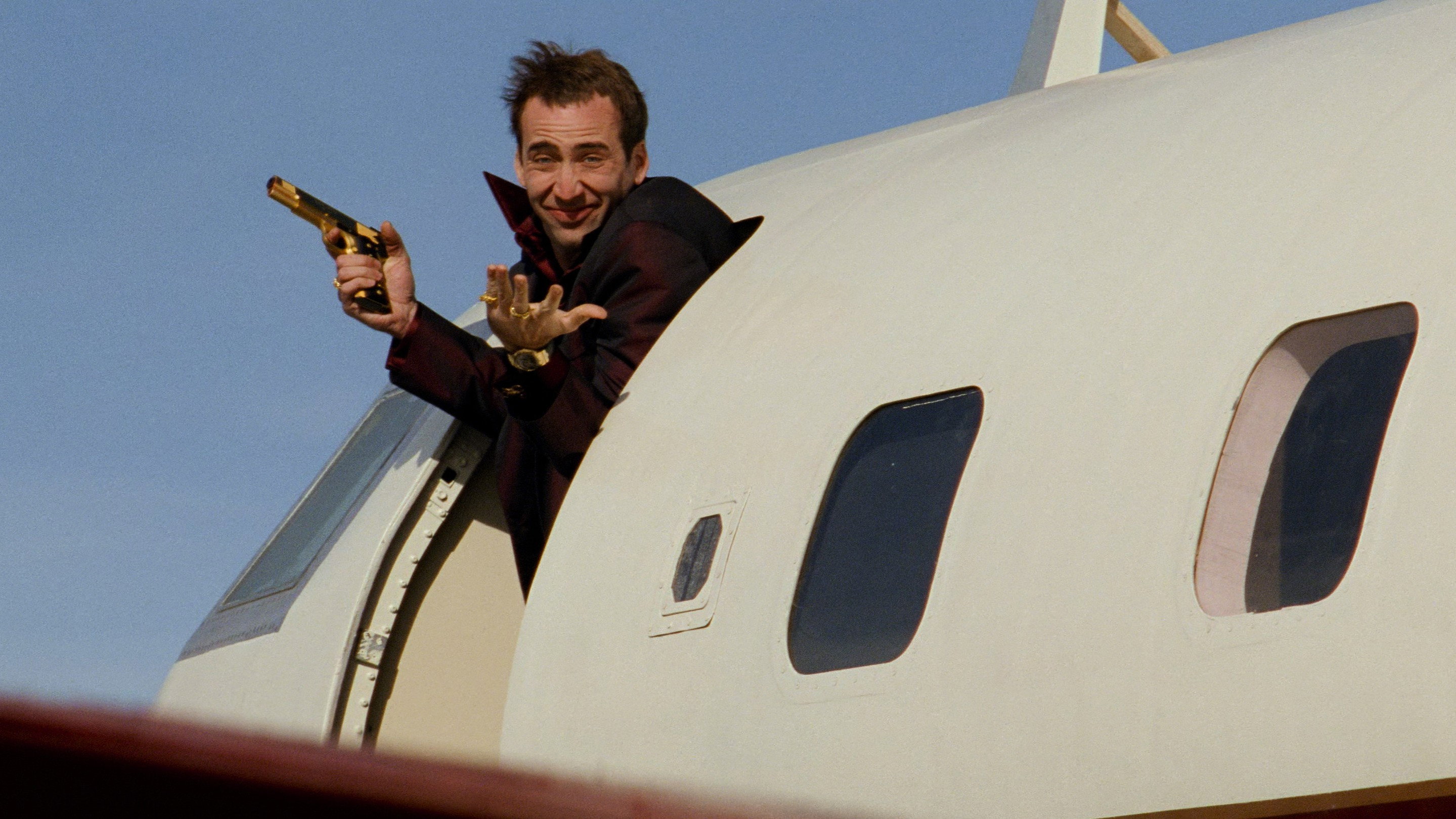
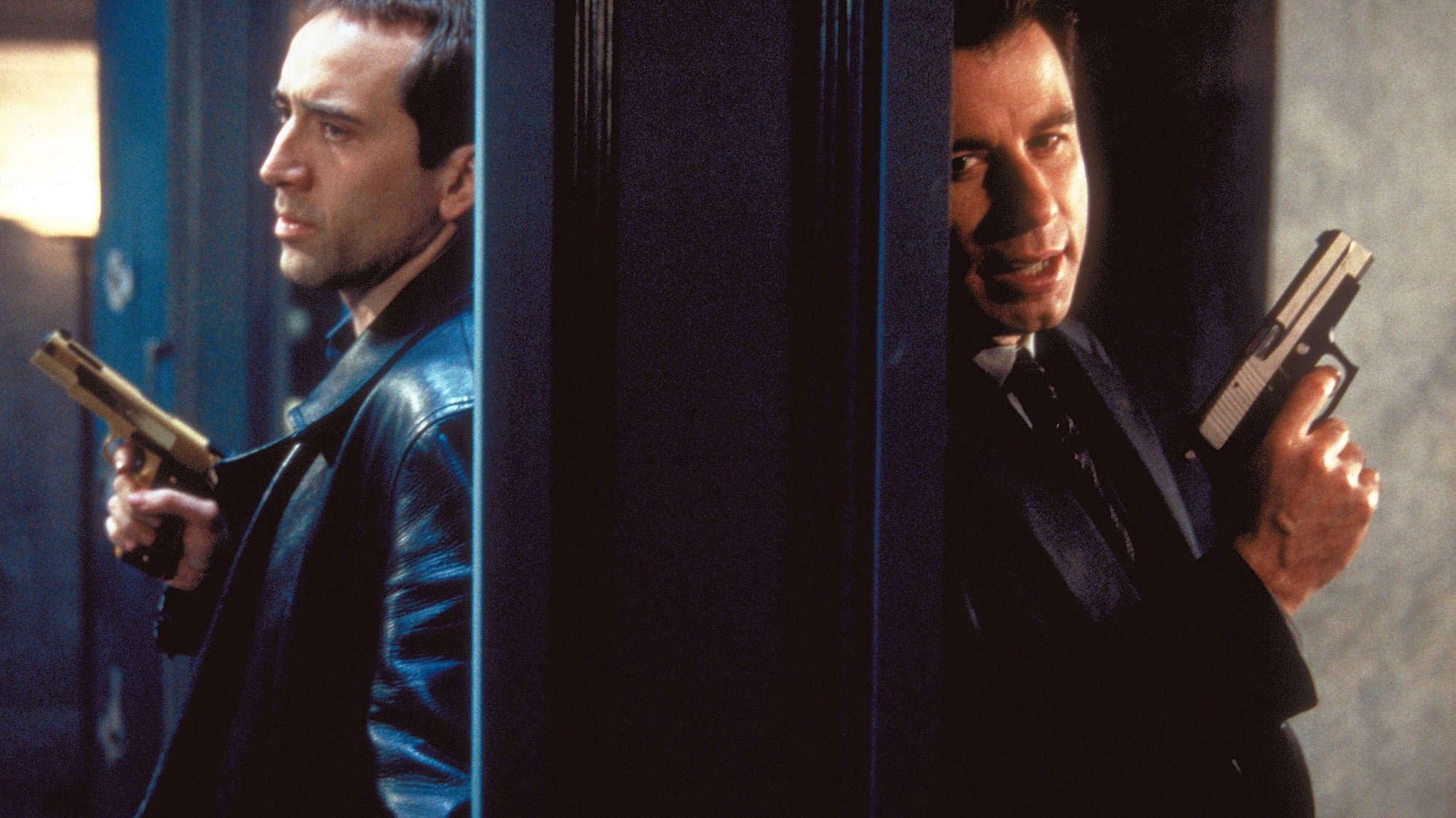
Sean Archer (John Travolta) sets out to trap Castor Troy (Nicolas Cage) by taking on his identity. The pursuit becomes an exchange, with each man having to pass as the other and deal with the lives attached to their borrowed faces. Private relationships become part of a confrontation that neither can conduct simply as himself. John Woo directs this action, crime and science-fiction film, with Joan Allen as Eve Archer, Alessandro Nivola as Pollux Troy and Gina Gershon as Sasha Hassler.

Plays from YouTube when you press play; nothing loads from them until then.

Fi1m review

John Woo makes a ridiculous identity swap convincing through the pleasure John Travolta and Nicolas Cage take in playing each other. The gunfire goes on too long, but the acting makes Face/Off worth every implausible assumption it asks us to accept.

Face/Off is an excellent action film with one substantial fault: it keeps shooting after we have had enough. John Woo takes a premise that sounds like an excuse for two stars to show off and gives them good reason to do so. Sean Archer, played by John Travolta, must become Castor Troy, played by Nicolas Cage, to trap him. The pleasure lies in watching both actors treat this absurd proposition as something worth taking seriously, without pretending it is remotely sensible.

Mike Werb and Michael Colleary’s screenplay makes identity an acting problem we can watch being worked out: how much of a person survives a change of face? Travolta and Cage answer through their borrowed mannerisms, each making the other’s presence clear without reducing the performance to an impersonation. We laughed at the nerve of it. The mimicry is funny because we recognise both men in the same performance, and affecting because the person underneath still needs to be believed.

Cage is particularly good at letting emotional unease interrupt the flamboyance, while Travolta makes the opportunity to misbehave look thoroughly welcome. There is generosity in the way they share the joke; neither performance would make much sense without the other. The domestic strain also matters, giving their game consequences beyond the question of who can fool whom. Joan Allen’s Eve Archer gives the domestic scenes a seriousness that helps prevent the leads’ double act from becoming merely a display.

Oliver Wood’s cinematography makes Woo’s elaborate choreography readable, and the action has the pleasure of movement carefully arranged for the camera. The shoot-outs are extravagant, but the staging is controlled enough that the actors are not lost inside them. Editors Steven Kemper and Christian Wagner sustain that excitement within individual sequences; the trouble is how many sequences the film wants. At 139 minutes, it gives us time to stop marvelling at the action and start waiting for the men to speak again.

John Powell’s score helps us take the emotional scenes seriously, though the music can hardly make every change of mood feel natural. Woo expects domestic unhappiness to hold our attention alongside extravagant violence, and sometimes pushes too hard to make it happen. Neil Spisak’s production design treats the science-fiction element seriously enough to support the actors without competing with their extravagance. That steadiness is useful when the performances demand so much of our attention.

The flaw is Woo’s appetite for another shoot-out when the last one has already done the job. Werb and Colleary have supplied a situation with room for embarrassment, intimacy and confusion, and repeated gun battles leave less time for those things to develop. The sentiment can also arrive too heavily signalled, particularly beside such exuberant violence. We accept the impossible premise readily enough; it is the insistence on exhausting its action possibilities that occasionally makes the film feel laboured.

Within the action genre, the unusual thing is how much depends on performance after the central gimmick has been explained. Woo understands that we will keep looking at a familiar actor who has become difficult to recognise, even when we know precisely how the trick works. That confidence carries the film through its excesses. Choose it for the two leads, allow for some surplus gunfire, and do not spend the evening trying to improve the science.
Critical consensus AI synthesised

79
Positive
5
Mixed
1
Negative
0

Most critics respond warmly to Face/Off, with praise centred on John Woo’s action choreography and the identity-swapping performances of Nicolas Cage and John Travolta. The leads’ imitation of each other’s mannerisms gives the outlandish premise humour and emotional weight. The reviews repeatedly credit Woo with making the action inventive and precisely staged, while the actors give the elaborate physical business something human to rest on.

Reservations concern how much action the story needs, and whether its plotting holds together. The New York Times praises the plotting as smart, while Time Out finds little sense in it but enjoys the flamboyance and self-parody. The Independent offers the clearest dissent, arguing that surplus shoot-outs weigh down a clever premise and weaken its psychological interest. The spread is largely favourable rather than sharply divided: even the more reserved assessments find value in the performances and Woo’s handling of action.

Empire
7 November 1997 · Adam Smith
85*

The critic hails John Woo's film as a triumphant high-octane action movie that revitalizes the genre with inventive, precisely choreographed set pieces and strong lead performances. Travolta and Cage excel in their swapped-identity roles, allowing Woo to fully deliver his signature Hong Kong-style flair on a Hollywood budget.

Read the full review →
Radio Times
★★★★ · Adrian Turner
80

The mix of bizarre plotting, high-octane thrills and sentimental drama does not always gel, but the critic singles out nice moments when Cage revives Travolta's stale marriage and the overblown action sequences.

Read the full review →
Time Out
25 September 2014 · TCh
80*

The critic notes that the plot makes little sense but praises John Woo's delirious poetic-kinetic style and the flamboyant performances of Cage and Travolta, which turn the film into an elaborate self-parody and examination of acting.

Read the full review →
The Independent
7 November 1997
60*

The review praises the clever premise and the actors' performances in swapped roles, which generate genuine emotional and ironic moments, while noting Woo's elegant action choreography. It criticizes the film for being weighed down by excessive, superfluous shoot-outs that undermine its psychological intelligence.

Read the full review →
The New York Times
27 June 1997 · Critic's Pick · Janet Maslin

The critic praises the film's strong characters, smart plotting, and breathless action, noting that Woo makes the viewer buy the loony premise with a smile. The bravura acting by Travolta and Cage is singled out for making the identity swap work on a human level.

Read the full review →
Variety
23 June 1997 · Todd McCarthy

The review highlights the provocative premise, virtuoso direction, and dazzling lead performances that offset a lack of dramatic structure. The actors' role-swapping and Woo's kinetic direction are praised, though excess in action sequences is noted as a flaw.

Read the full review →

Cast

Stills

Awards

Academy Awards, 1998

Nominated
Best Sound Editing

If you liked this, try…

The Killer poster

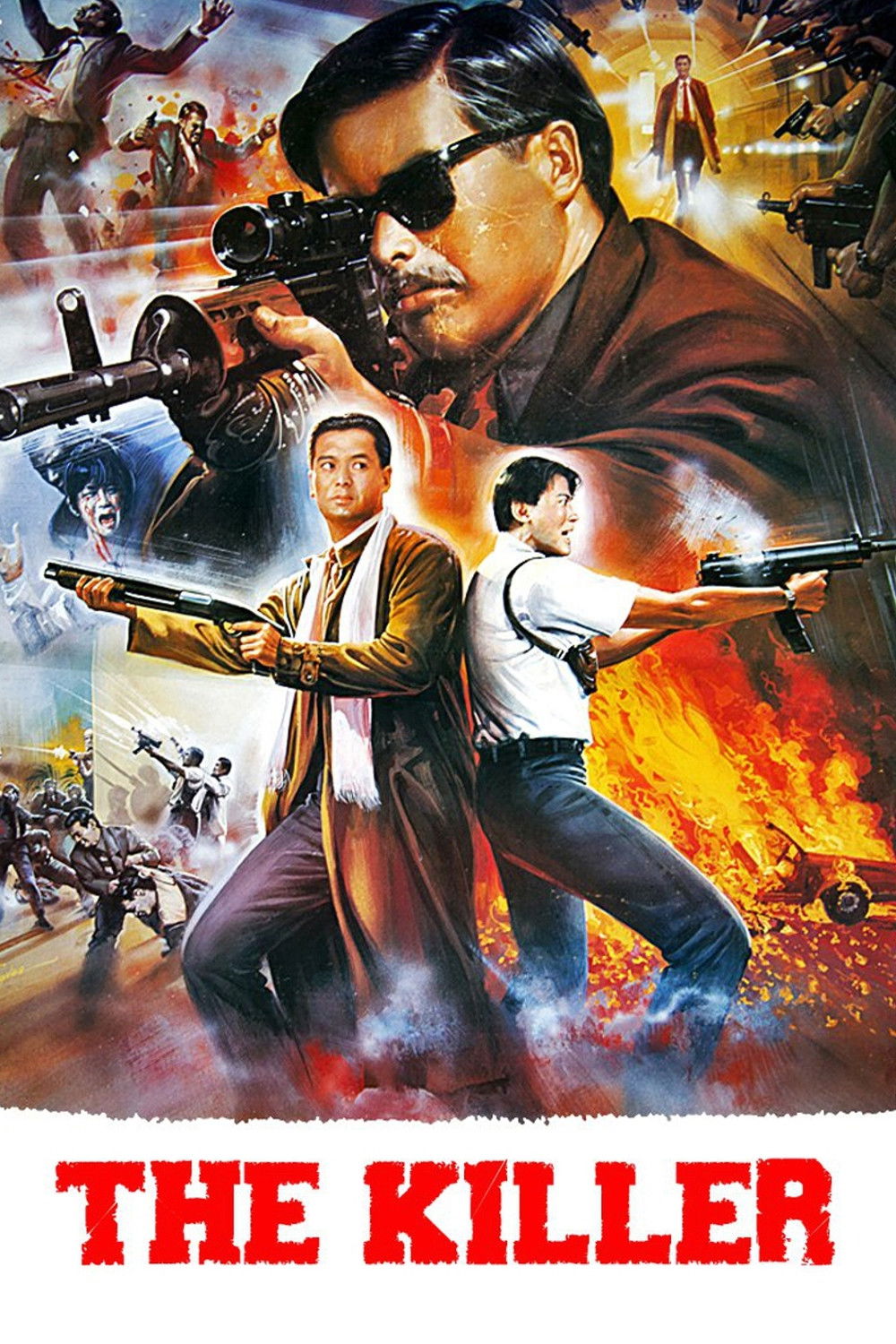
The Killer

1989 · Woo’s gun battles carry the same extravagant feeling, with a tighter story.

Seconds poster

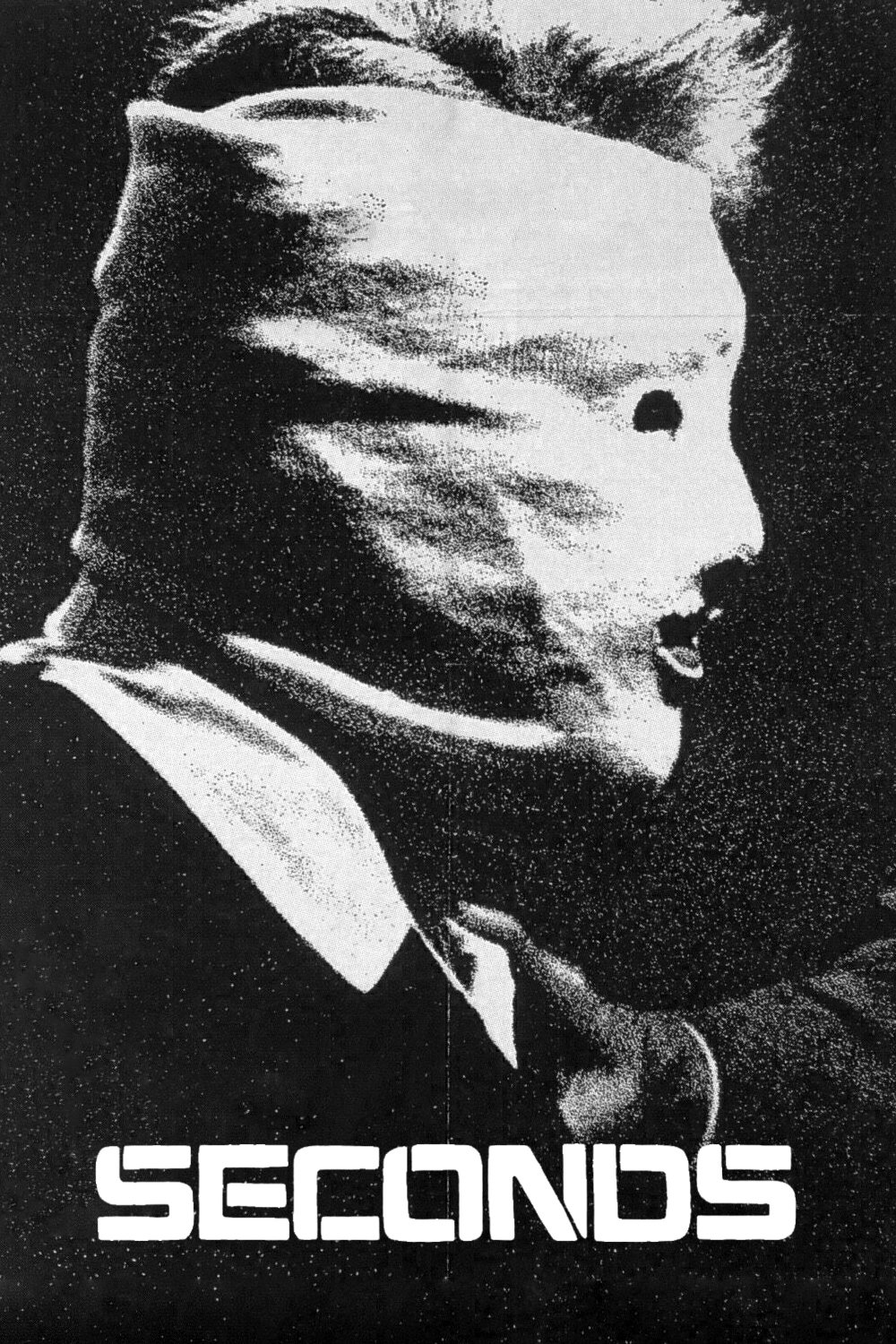
Seconds

1966 · Another borrowed identity, with far less pleasure in the change of face.

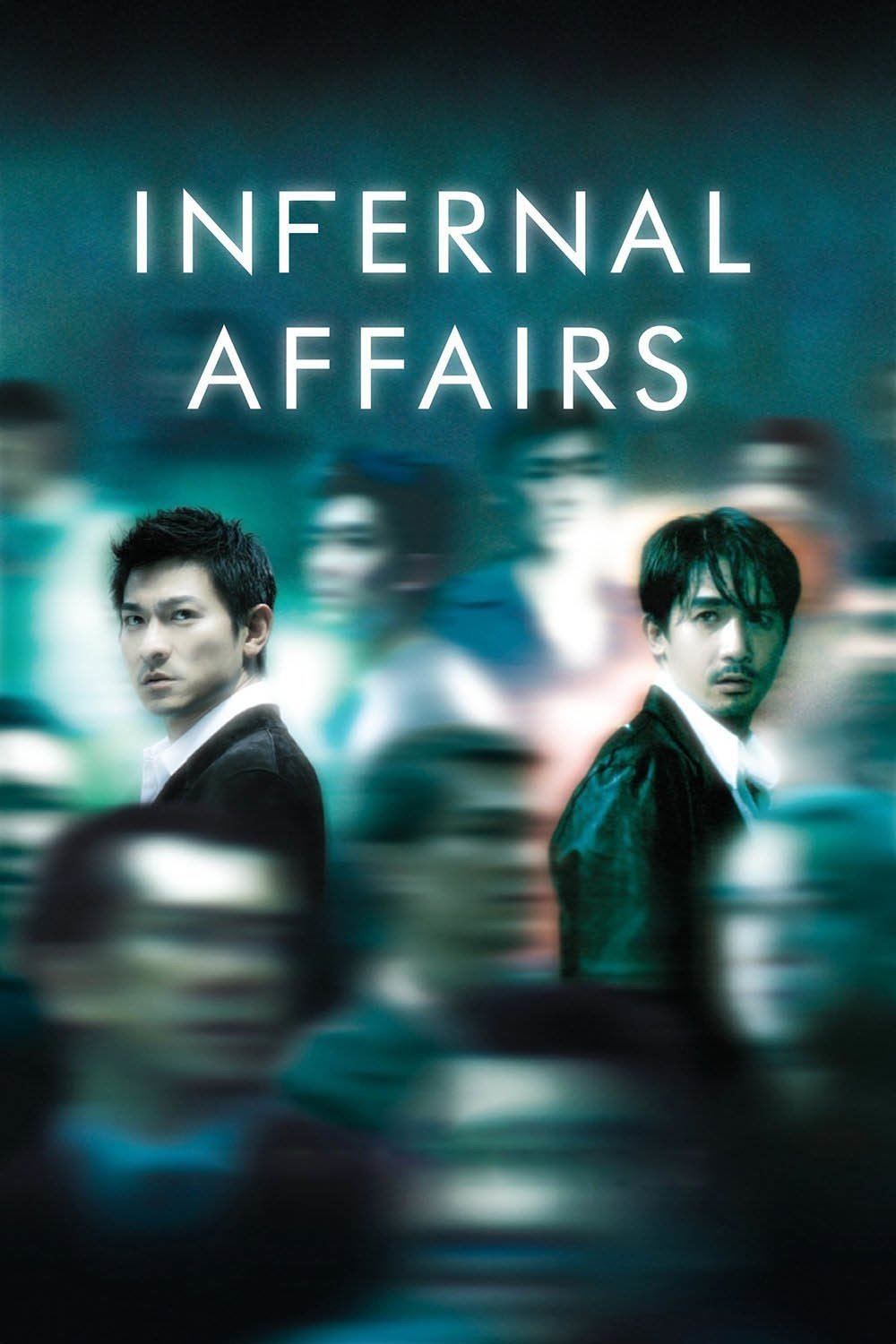
Infernal Affairs poster

Infernal Affairs

2002 · Two men living borrowed lives, with suspense that depends on their performances.

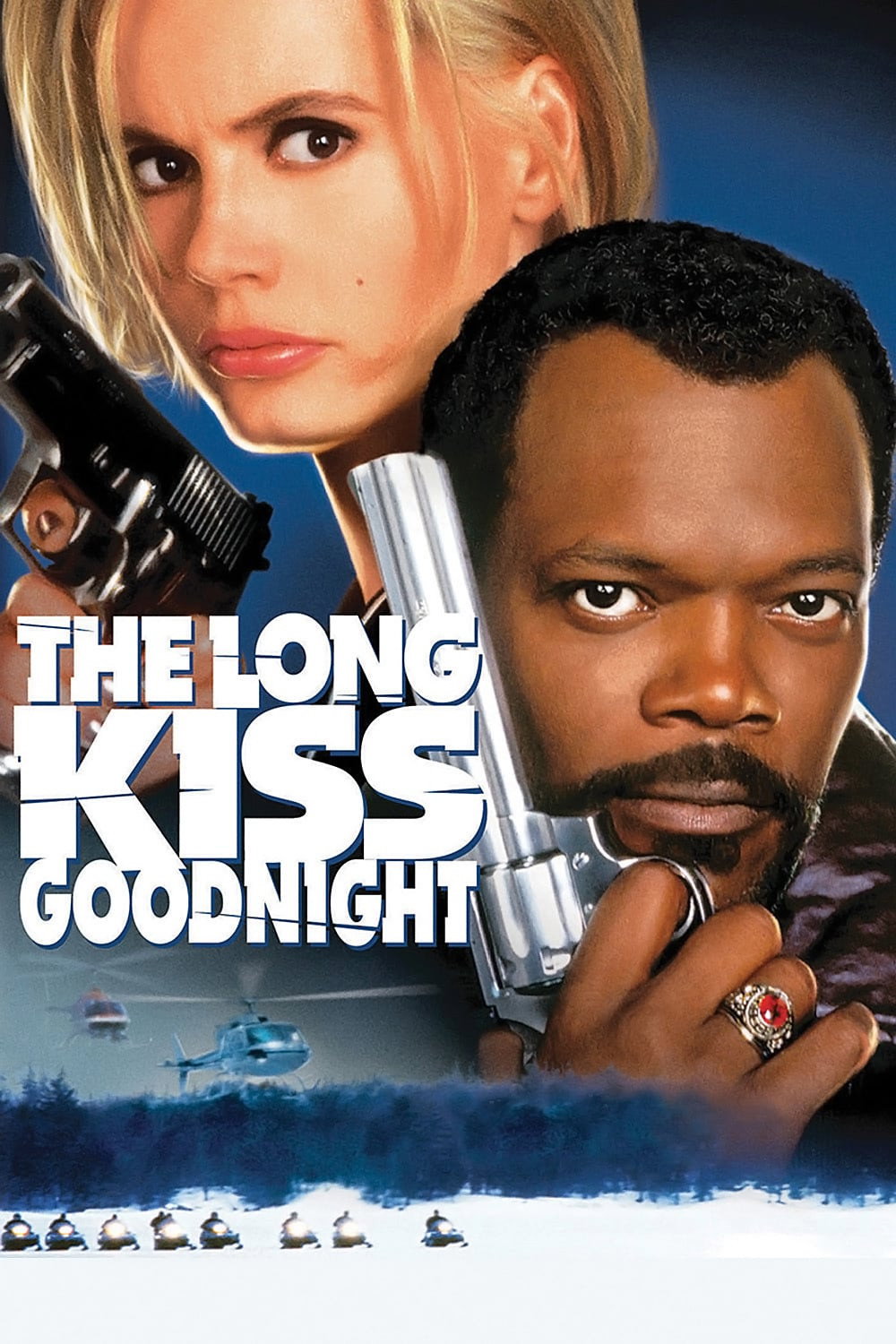
The Long Kiss Goodnight poster

The Long Kiss Goodnight

1996 · Amnesia, extravagant violence and performers who understand exactly how seriously to play it.

The Skin I Live In poster

The Skin I Live In

2011 · Almodóvar takes the terror of bodily reinvention somewhere colder and more troubling.