Errol Morris’s strangest film puts a lion tamer, a hedge cutter, a mole-rat man and a roboticist in the same edit suite and lets the cuts do the arguing. It is funny, odd and, in the garden, unexpectedly sad. The trick wears thin only in the last stretch.
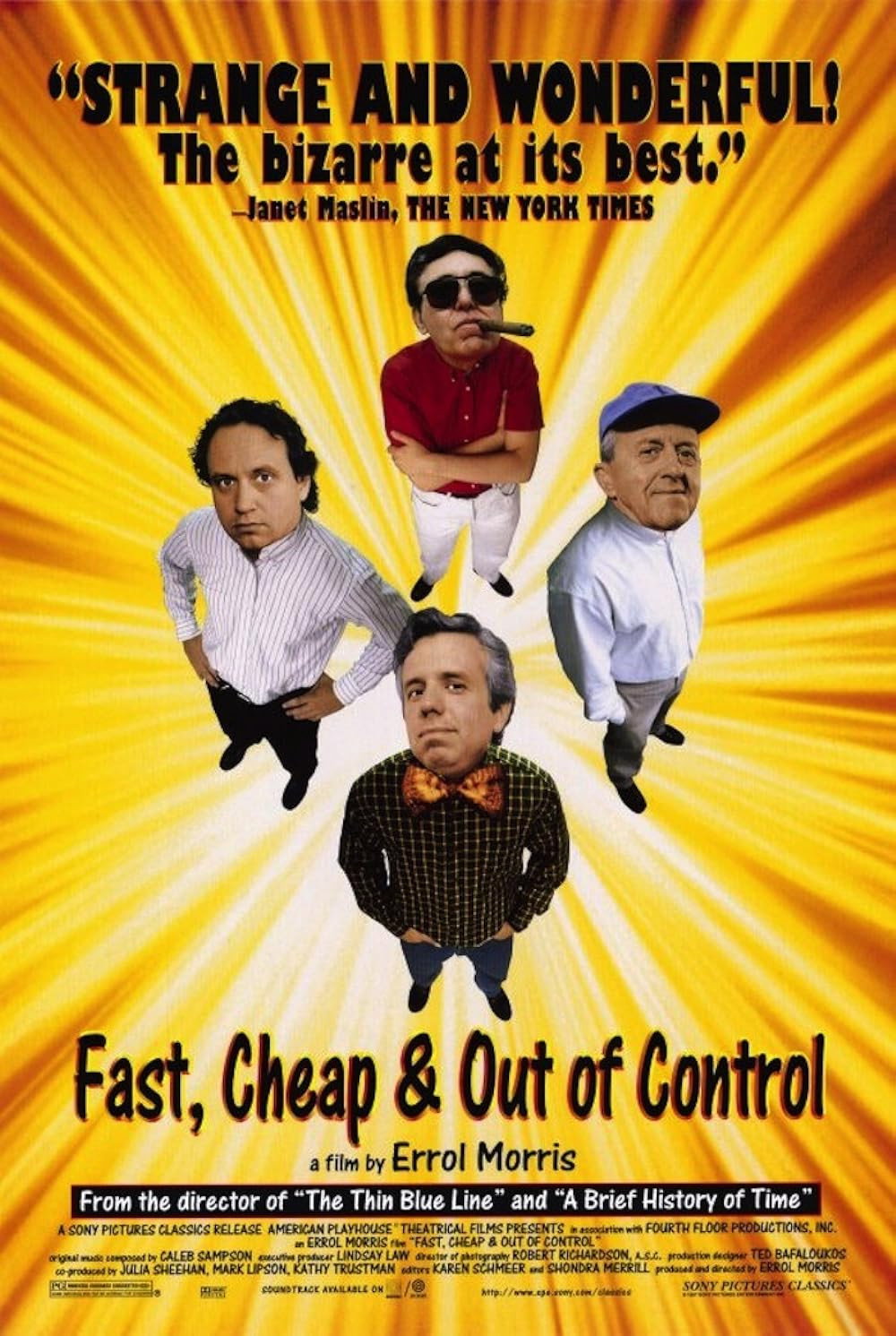
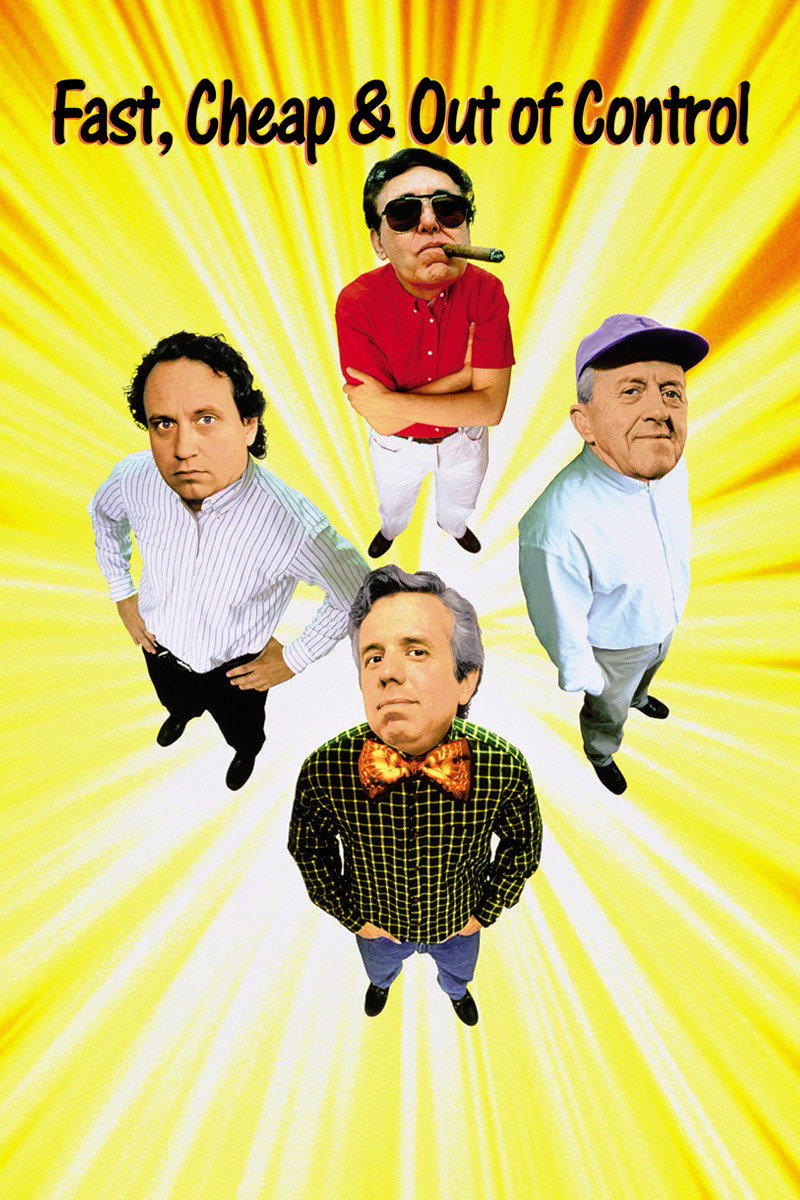
Errol Morris has found four men who have never met and asked each of them to talk about his work. Dave Hoover trains lions and tigers in a circus ring. George Mendonça cuts hedges into animals. Raymond A. Mendez studies naked mole-rats. Rodney Brooks builds robots that walk like insects. Morris cuts them together, for 83 minutes, and by the end you would swear they had been in the same room. It is the oddest film he has made and one of the best, with a reservation about the last twenty minutes that we will come to.
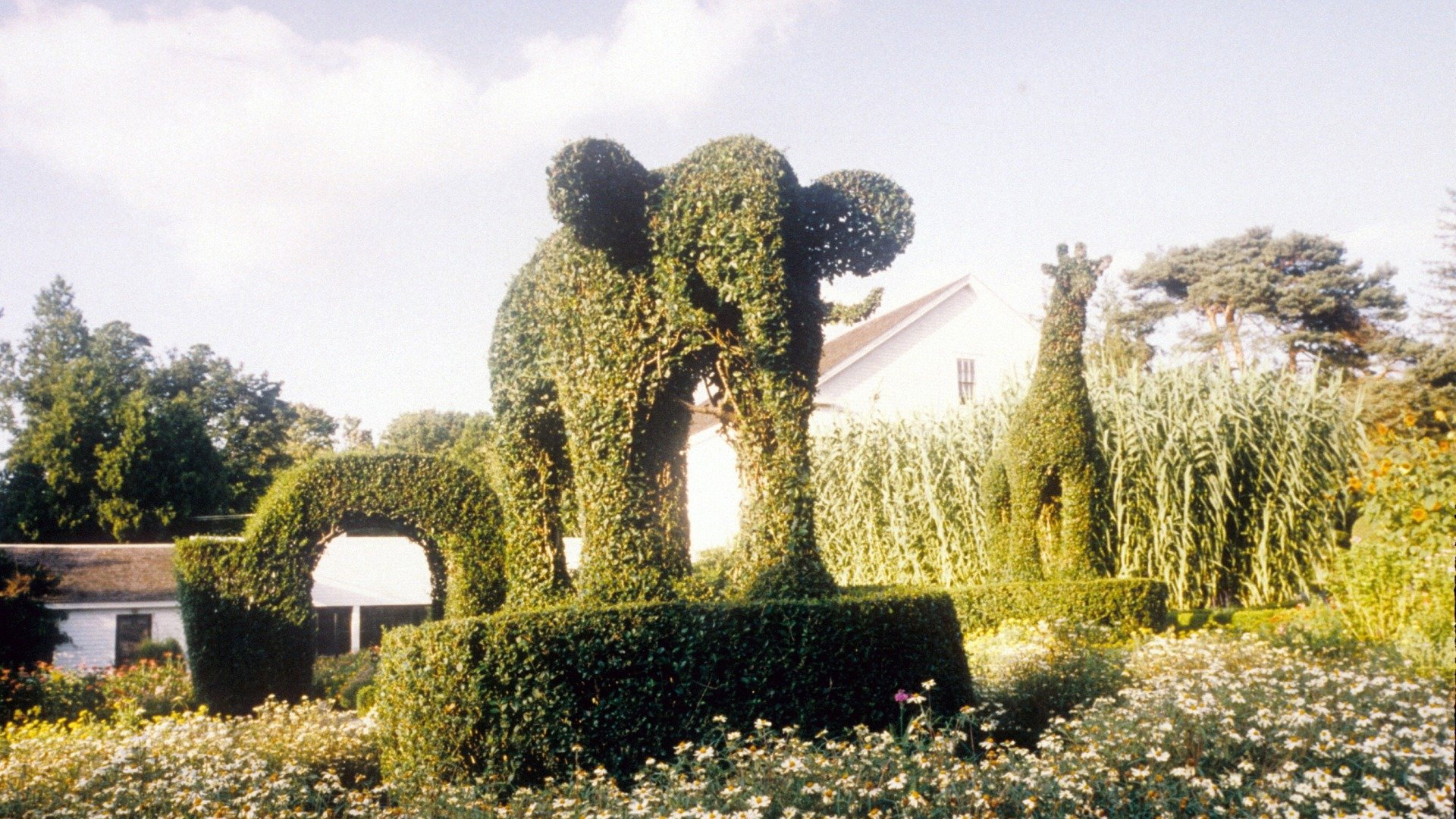
What the four have in common is control. Hoover explains that a four-legged chair works on a lion because the animal cannot decide which leg to concentrate on. Brooks says his robots have no plan; a handful of simple behaviours are stacked on top of each other and walking falls out of the pile. Mendez looks at a colony of blind rodents with a queen and a workforce and sees an insect nest. Mendonça walks round a privet giraffe with a pair of shears and no template, taking off what looks wrong. Each man is trying to make something behave, and each has a theory about what is inside it.
Robert Richardson shoots the interviews clean and close, the men looking straight down the lens. Everything else he shoots in whatever stock came to hand: colour and black and white, grainy home-cine footage, crisp slow motion of rain falling through a circus tent. Karen Schmeer and Shondra Merrill do the joining, and the joins are the film. Hoover talks about what a lion is thinking while one of Brooks’s robots picks its way across a floor. Mendez describes the colony while a hedge elephant stands in a downpour. Black-and-white serial footage of Clyde Beatty, Hoover’s hero, turns up throughout. Caleb Sampson’s score clanks and chimes underneath, half fairground organ and half machine, and it keeps the four strands moving at one speed.
We were moved more than we expected to be by an old man talking about hedges. Mendonça describes a hurricane stripping the garden, and the years it takes to grow an animal back, and wonders who will do the clipping when he is gone. Richardson films him in a hat in the rain, in slow motion, shears in hand, and the shot goes on long enough for you to see that nobody else is there. The reviews that find the film cold have not, we think, been watching the gardener.
The other three supply the comedy. Hoover speaks of his cats with the wary courtesy of a man who has been bitten. Brooks says, cheerfully, that we may all be nothing more than a bundle of small mechanisms and the sense of being someone is a by-product. Mendez says the pleasure of the mole-rats is that they look back at you. We laughed at the cut from Beatty wrestling a lion in a serial to Hoover in a modest tent describing the same move as a matter of chair placement.
The reservation is this. The film has no thesis, but it has one method, and by the last twenty minutes the method is showing. A robot next to a lion next to a hedge next to a rodent was a discovery the first time and a rhyme the third; by the fourth we were watching the cutting rather than the men. Brooks in particular thins out to a voice over other people’s pictures. At 83 minutes nothing overstays badly, but the ending arrives as a slowing down rather than a landing.
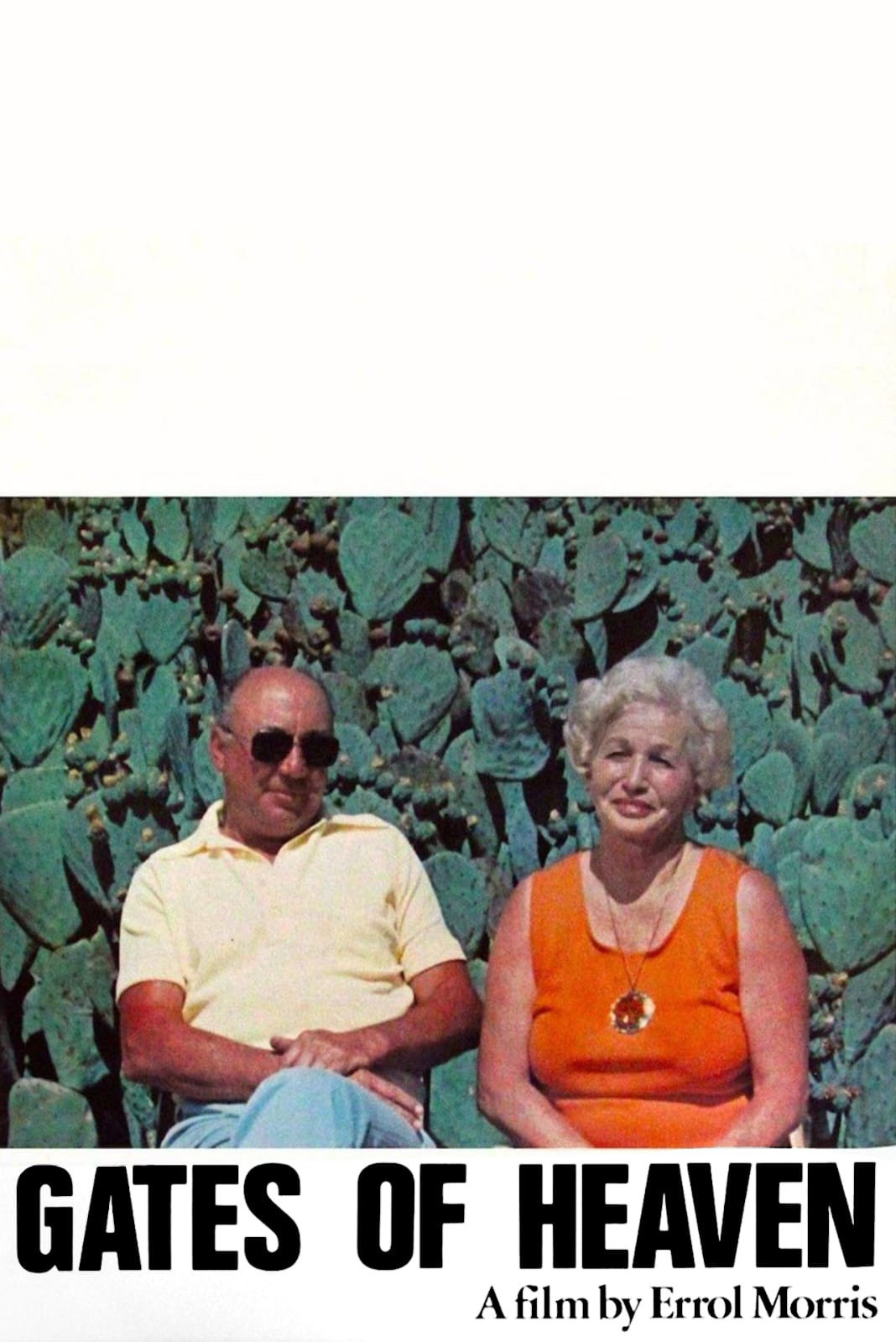
Morris’s Gates of Heaven (1978) let people talk about a pet cemetery until they had told you everything about themselves. The Thin Blue Line (1988) built a case. This film has no case, and its subjects are less exposed than his earlier ones because he is more interested in what they do than in who they are. Brooks thinks the future belongs to cheap robots that will not mind being lost. Mendonça thinks the hedges will die when he does. The film cannot decide which of them is the optimist, and neither could we.