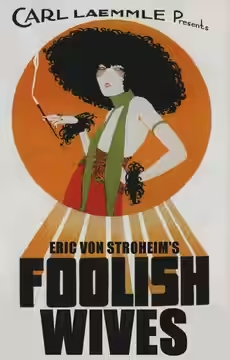
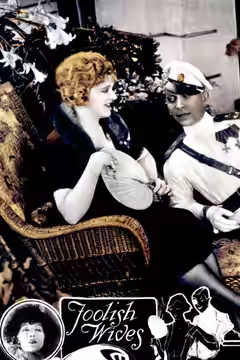
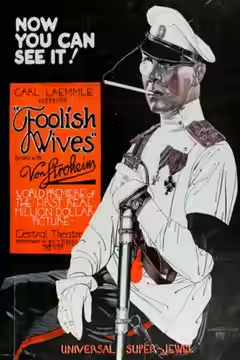
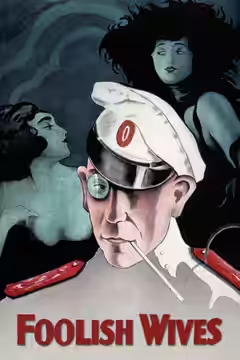
Erich von Stroheim gives Foolish Wives a compellingly unpleasant centre. The lavish setting and capable cast make it worth the evening, though the slow pace demands an appetite for prolonged moral discomfort.
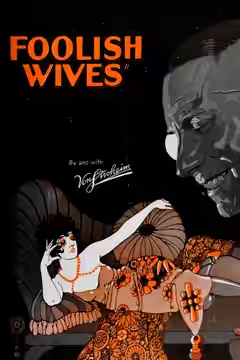
Erich von Stroheim makes Foolish Wives worth an evening, provided patience is part of the arrangement. As director, writer and star, he makes the Count’s bad character the main attraction and gives us little respite from it. The result is a good, sour drama whose central performance survives some sluggish storytelling. It runs for 143 minutes.
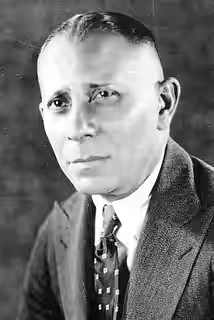
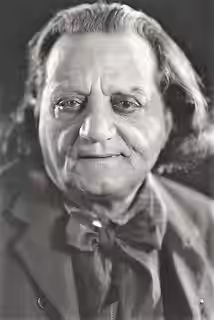
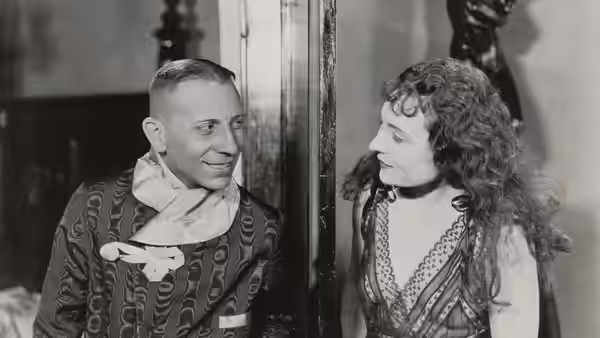
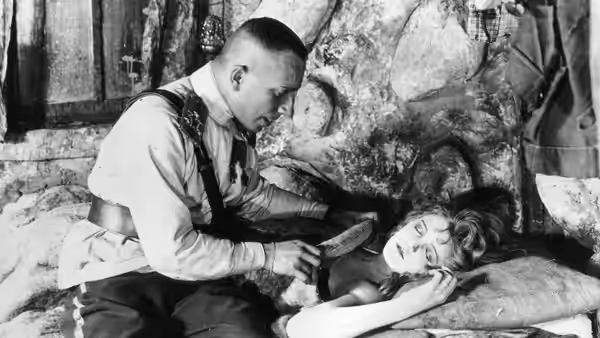
Count Wladislaw Sergius Karamzin holds our attention because the actor is so reluctant to soften him. The performance offers little encouragement to excuse his behaviour or enjoy it innocently. We felt uncomfortable at how much we wanted to keep watching him. The actor sustains the nastiness without making it monotonous, and that is a considerable achievement in a film that gives him so much of our time.
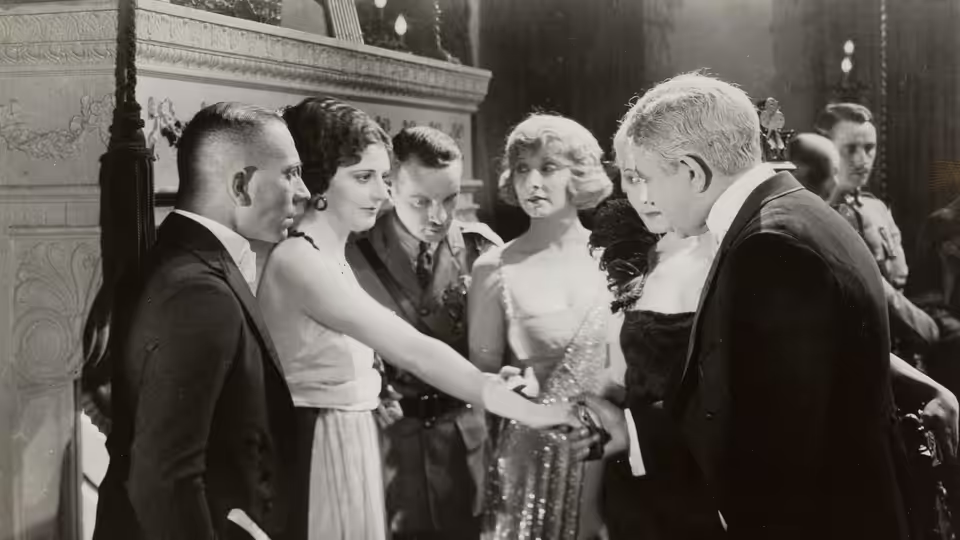
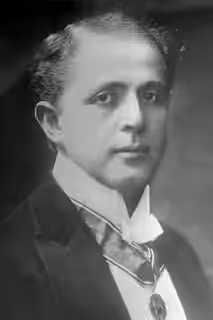
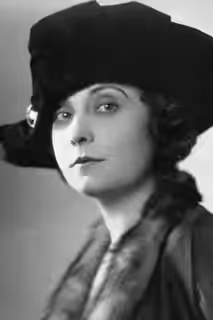
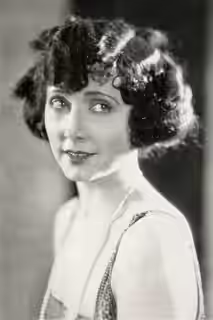
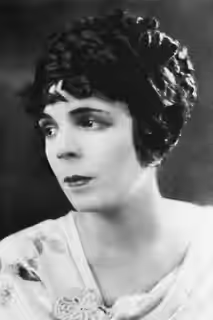
Miss DuPont’s Helen Hughes supplies a welcome alternative to the Count’s presence, and Rudolph Christians gives Andrew J. Hughes enough weight to hold our attention. Maude George and Mae Busch, as Princess Olga Petchnikoff and Princess Vera Petchnikoff, help keep the surrounding company from becoming anonymous. These are capable performances in a film dominated by its leading man. Even so, we occasionally wanted the director to take as much interest in the people around the Count as he takes in the Count himself.
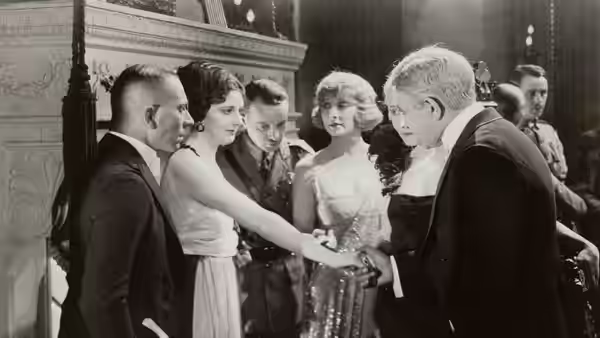
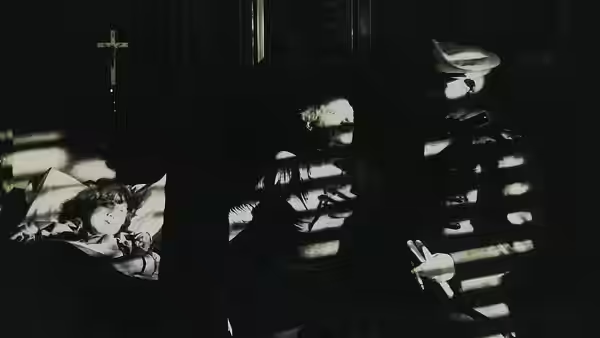
Monte Carlo matters because the luxury makes this company attractive before we have considered its character. Cinematographers William H. Daniels and Ben F. Reynolds give the setting a persuasive richness, allowing the surroundings to compete with the actors for our attention. The sets do useful dramatic work by making proximity to the Count seem desirable. Sigmund Romberg’s music provides a serviceable accompaniment, though our unease comes chiefly from the central performance.
Arthur Ripley’s editing is less persuasive. There are stretches when another dose of the Count adds little to what we already know, and the drama seems content to repeat its disapproval. A performance can remain interesting while the story around it stalls, and that happens too often here. The slow pace gives us time to examine the surroundings, but we begin paying attention to them when we should be concerned about the people.
As a thriller, it is too leisurely to promise sustained suspense. Its strength lies in the close attention paid to a man we would prefer to avoid, and in the director’s willingness to make that attention uncomfortable. The title raises a separate irritation: calling the wives foolish puts the judgement on women before the film has begun. Whatever judgement that invites, the Count’s behaviour gives us plenty to condemn without looking for excuses on his behalf.
This needs an appetite for spending time with a character whose appeal depends on how much we dislike him. Anyone hoping for a tightly wound thriller should make another choice; the interest here is in watching an actor make sustained villainy worth our attention. We would allow for the slower passages rather than pretend they all reward close scrutiny. Come for Erich von Stroheim, and do not expect him to make the evening comfortable.