Clint Eastwood’s cantankerous performance makes this blunt drama about prejudice and neighbourliness worth an evening. The script is heavy-handed and the supporting characters unevenly served, but Walt’s reluctant affection remains convincing.
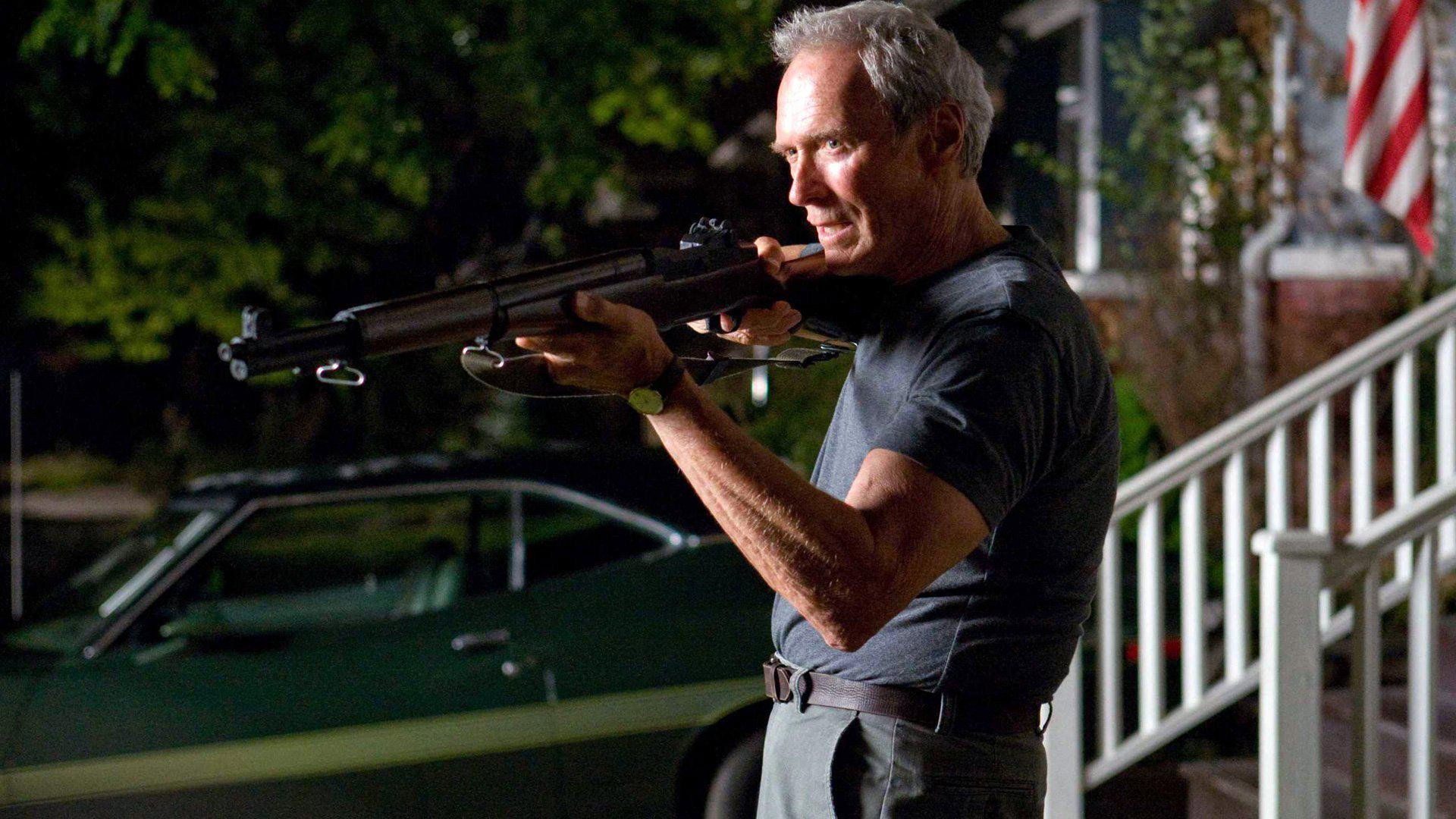
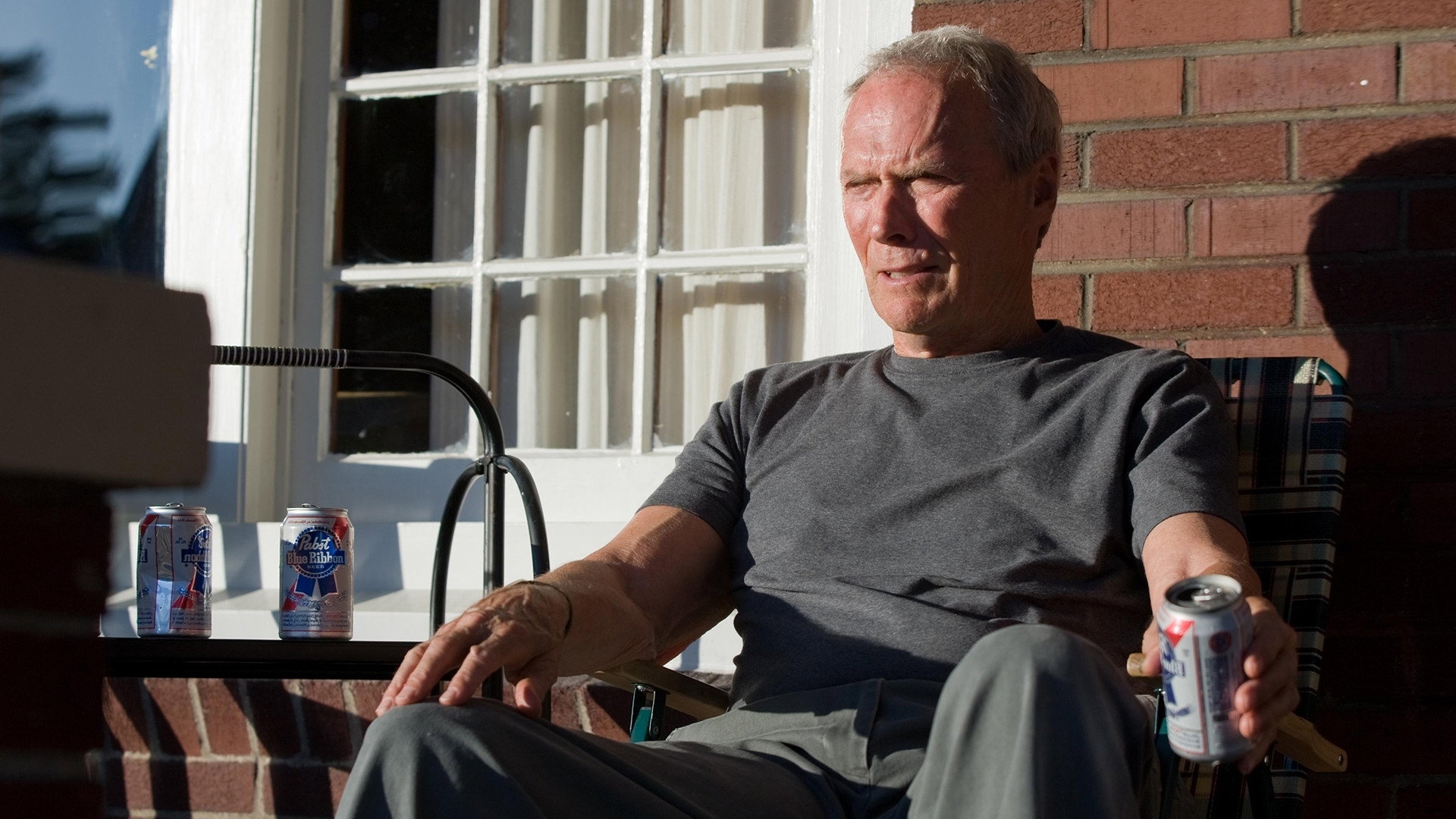
Clint Eastwood gives Gran Torino enough bad temper and wounded pride to make a familiar redemption story worth watching. It is a good, blunt drama, strongest when it allows its leading man to be funny and disagreeable at once. Walt Kowalski, a retired Detroit autoworker and Korean War veteran, regards his Hmong neighbours with open hostility. As he is drawn into their lives, the film asks how far an old man’s habits can change. Nick Schenk’s screenplay makes the destination fairly clear from the outset.
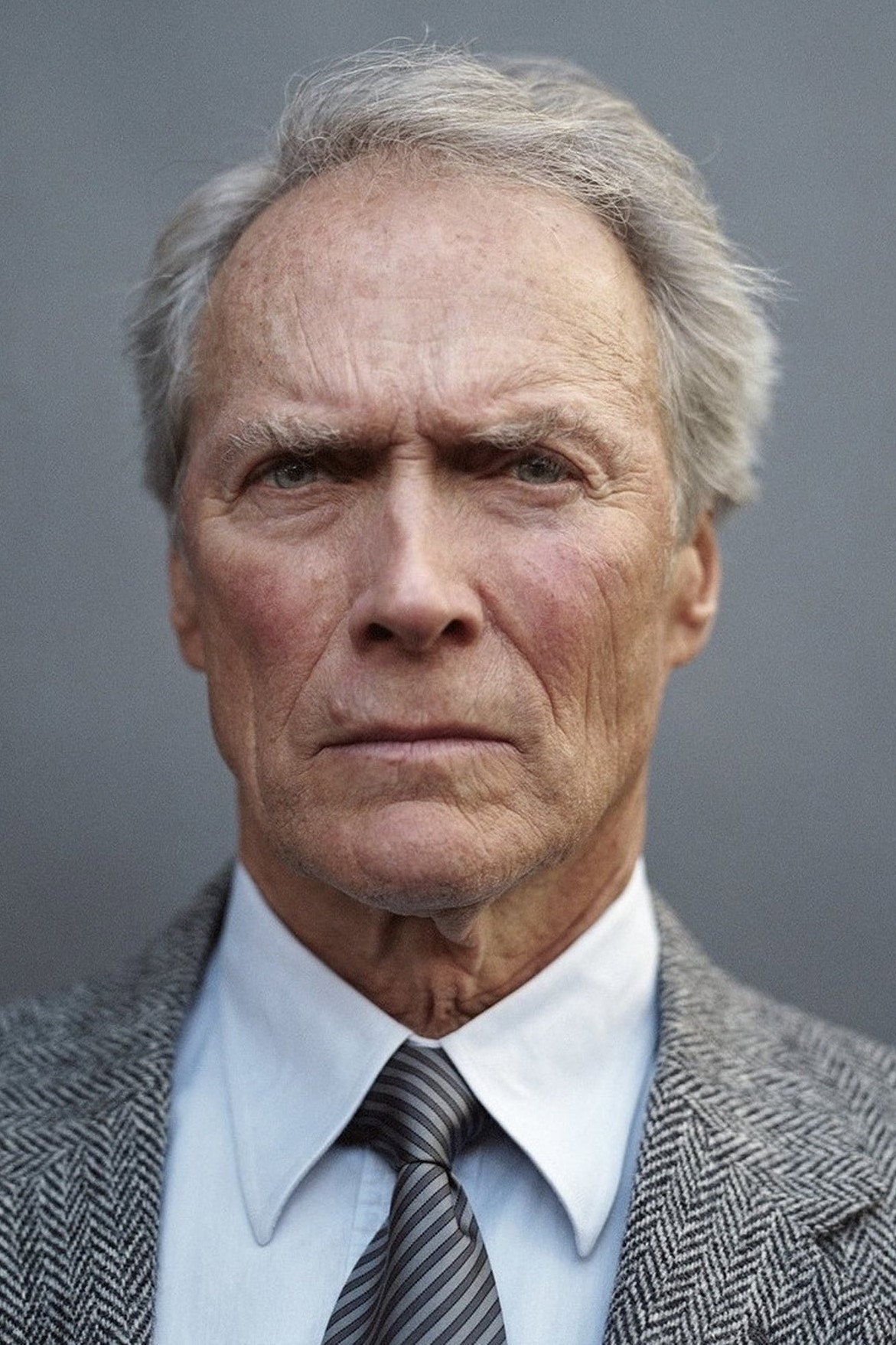
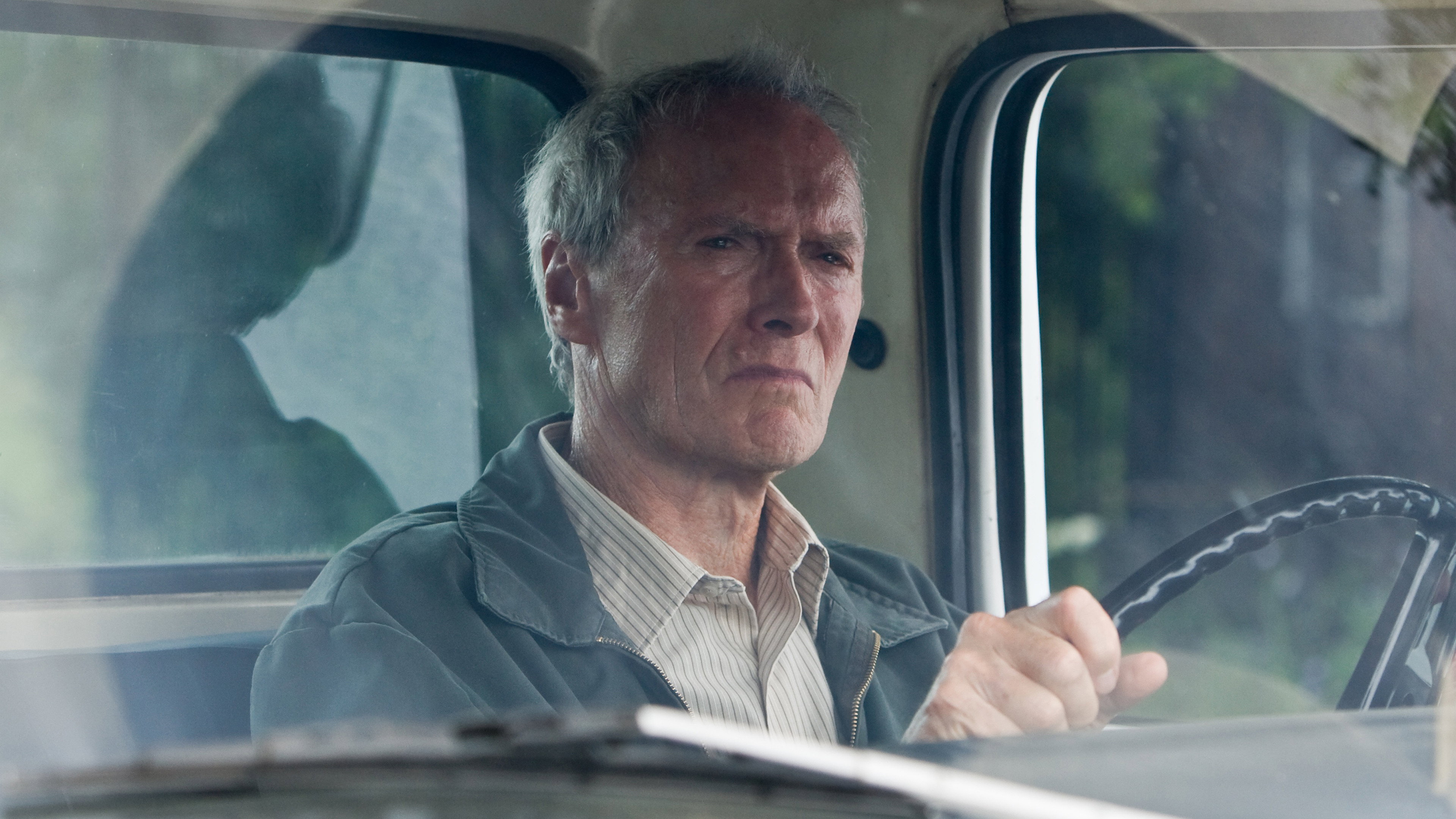
Eastwood makes Walt’s hostility funny through the effort he puts into sustaining it. The snarling delivery suggests a man who considers ordinary conversation an imposition, and the performance stays abrasive even when the story invites sympathy. We laughed at that voice, then felt uncomfortable when the racial contempt became part of the entertainment. Schenk depends heavily on the audience accepting Walt’s insults as evidence of a redeemable old grouch. Eastwood makes that gamble work more often than the writing deserves.
Bee Vang’s Thao and Ahney Her’s Sue give Walt people to deal with who cannot simply be dismissed as a changing neighbourhood. Her brings a useful directness to their exchanges, while Vang’s delivery can feel stiff. There is sincerity in both performances, but Schenk too often gives the younger characters the job of improving Walt. We get less sense of what their lives might look like without him. That imbalance matters in a film asking us to take his neighbours seriously.
Tom Stern’s cinematography is well judged for a drama dominated by Eastwood’s face: the images do not compete with that expression. James J. Murakami’s production design gives the neighbourhood an ordinariness that helps, keeping Walt’s hostility among recognisable domestic surroundings. This is an apt scale for the story, with people living close enough to make avoidance difficult. The plain presentation also makes the contrived conversations harder to overlook.
Joel Cox and Gary D. Roach’s editing gives the comedy room without letting the exchanges sprawl. The film’s 116 minutes feel proportionate to this modest story, and Eastwood’s direction rarely labours a moment as much as Schenk’s dialogue does. Kyle Eastwood and Michael Stevens’s music is similarly restrained, a sensible choice when the writing states so much outright. The problem is the predictability of Walt’s progress, which tidy pacing can only do so much to disguise.
The family scenes are where that writing becomes most troublesome. Walt’s relatives are presented as grasping caricatures, making it too easy to approve of his growing attachment elsewhere. Schenk has arranged the comparison so firmly that there is little for us to work out. Even so, we were moved by Walt’s reluctant affection for his neighbours, because Eastwood never makes kindness look easy for this man. His performance preserves some of the difficulty that the screenplay is so keen to settle.
Gran Torino also takes seriously the attraction of a tough man who promises to put things right. It belongs beside urban vigilante dramas, with their questions about who gets to use violence and who lives with the consequences. Eastwood’s attention to responsibility gives the film enough substance to survive its blunt lessons about prejudice. Watch it when you have patience for an old-fashioned redemption story and an actor unwilling to sweeten the old man at its centre.