Film review

Hail, Caesar!

2016 · Directed by Joel Coen, Ethan Coen · 1h 46m · MPA PG-13

In a sentenceEveryone in Hollywood is a fraud except the cowboy, and he cannot say his line

ComedyMystery

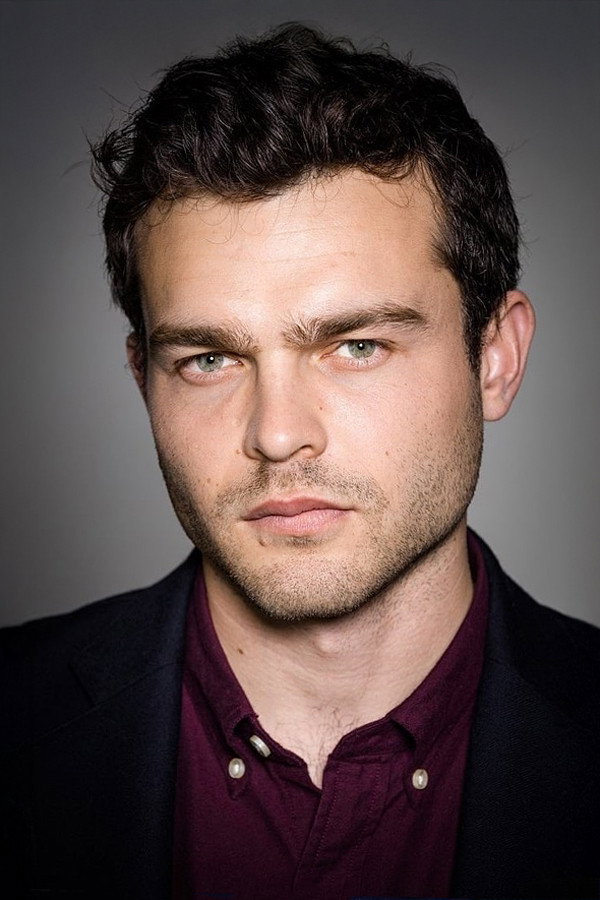
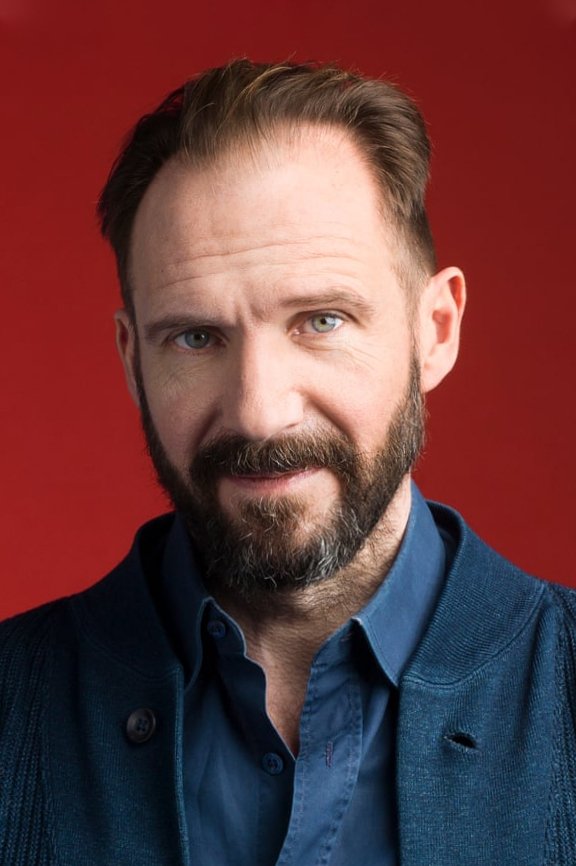
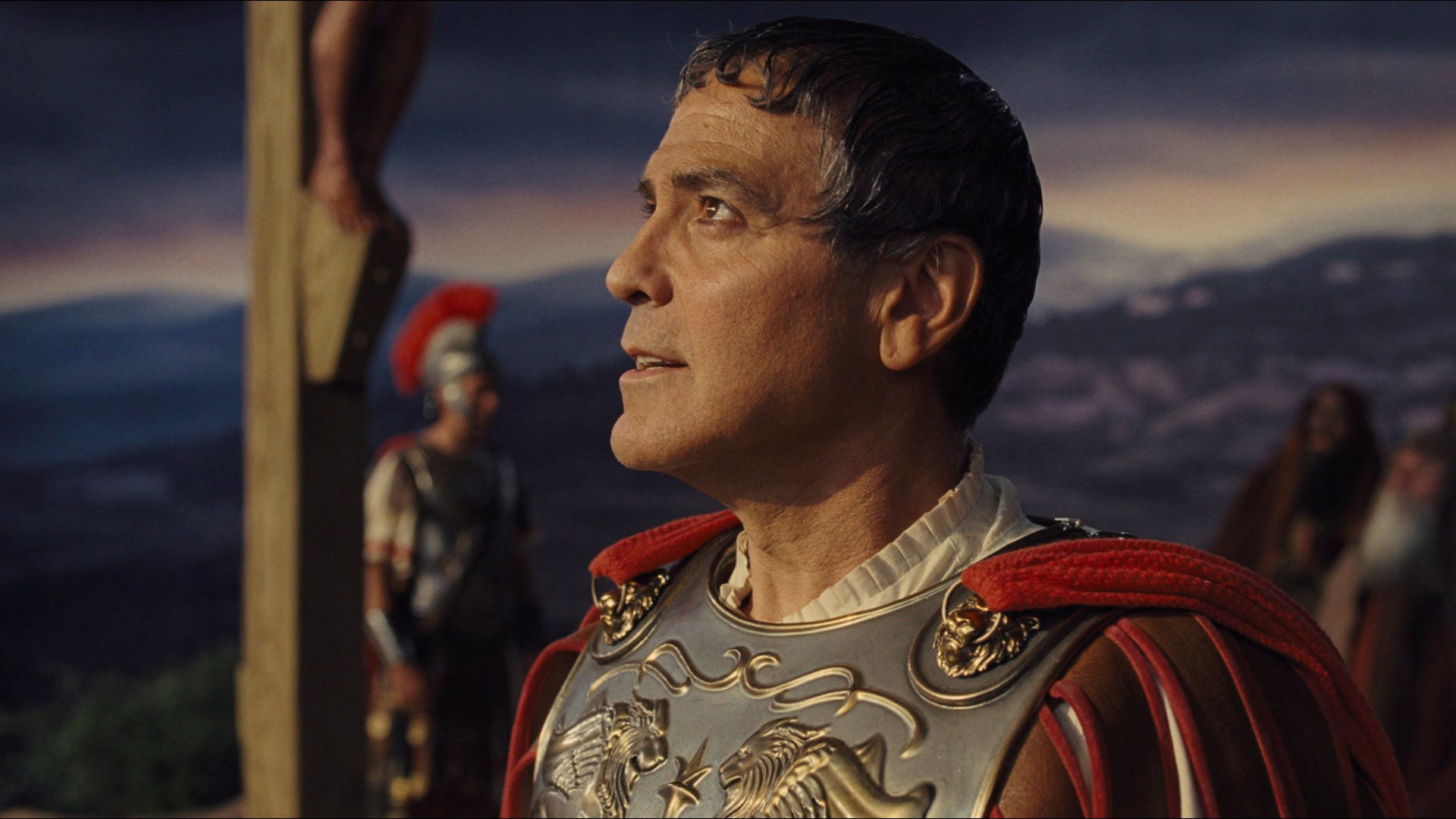
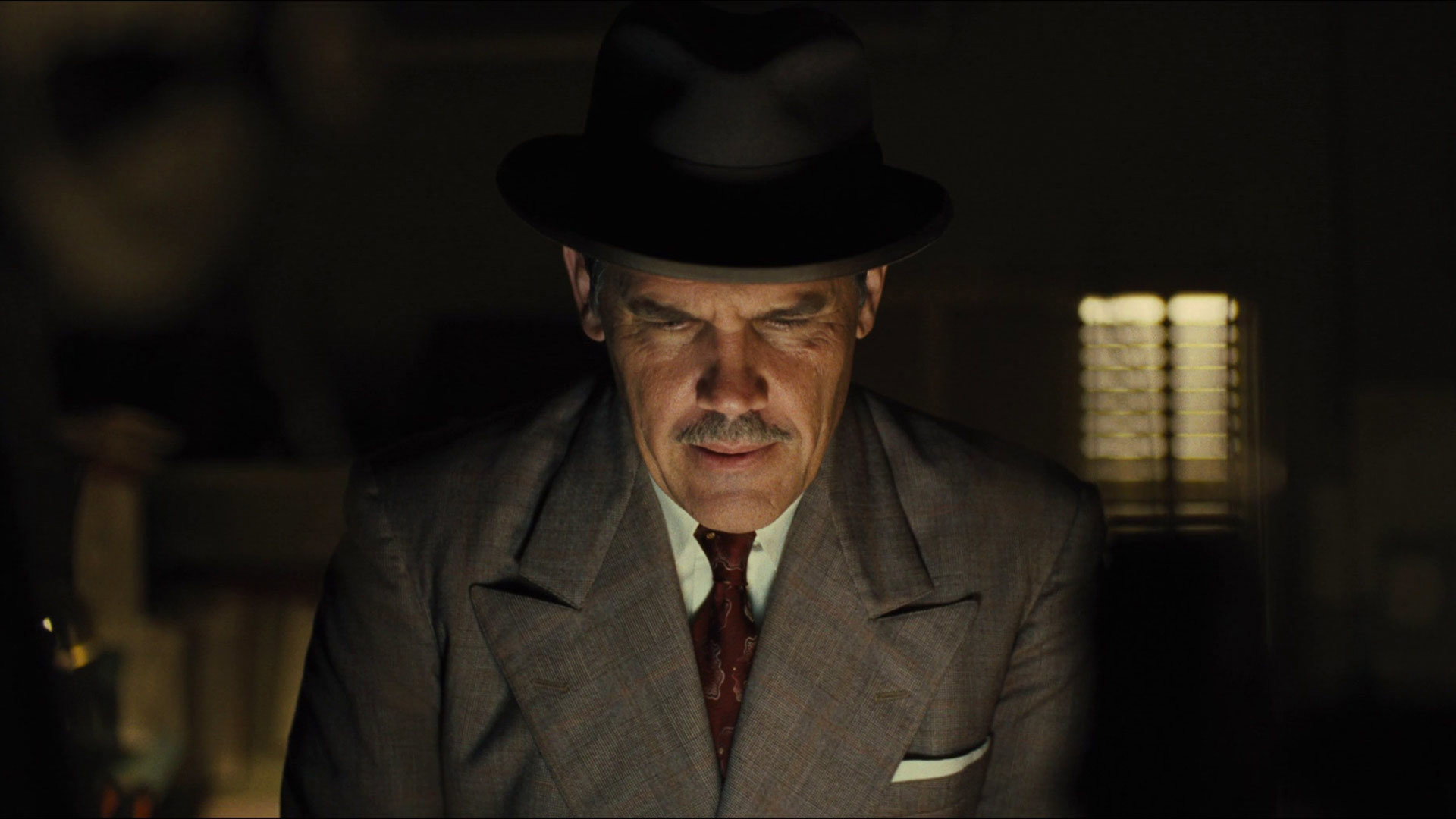
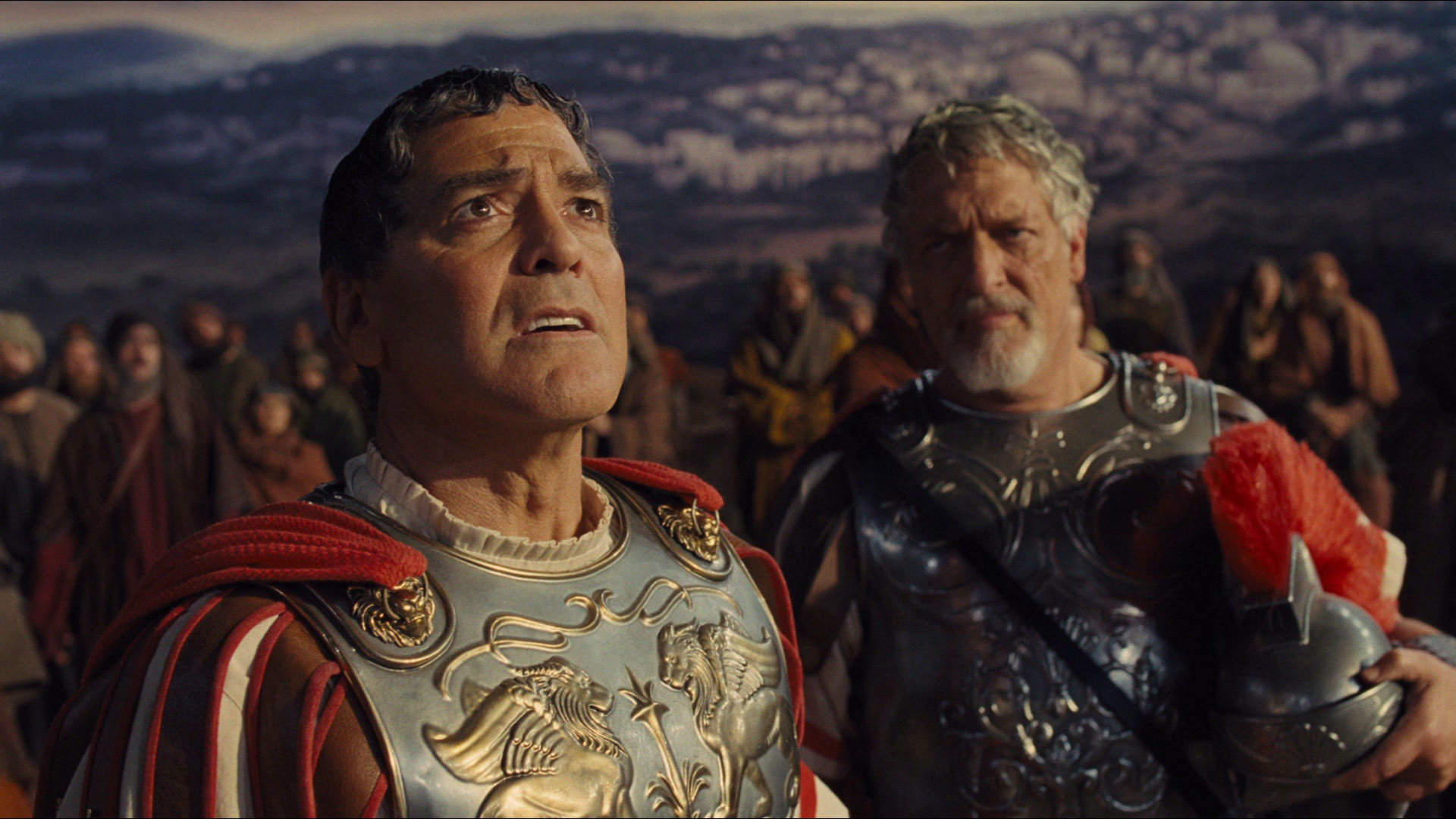
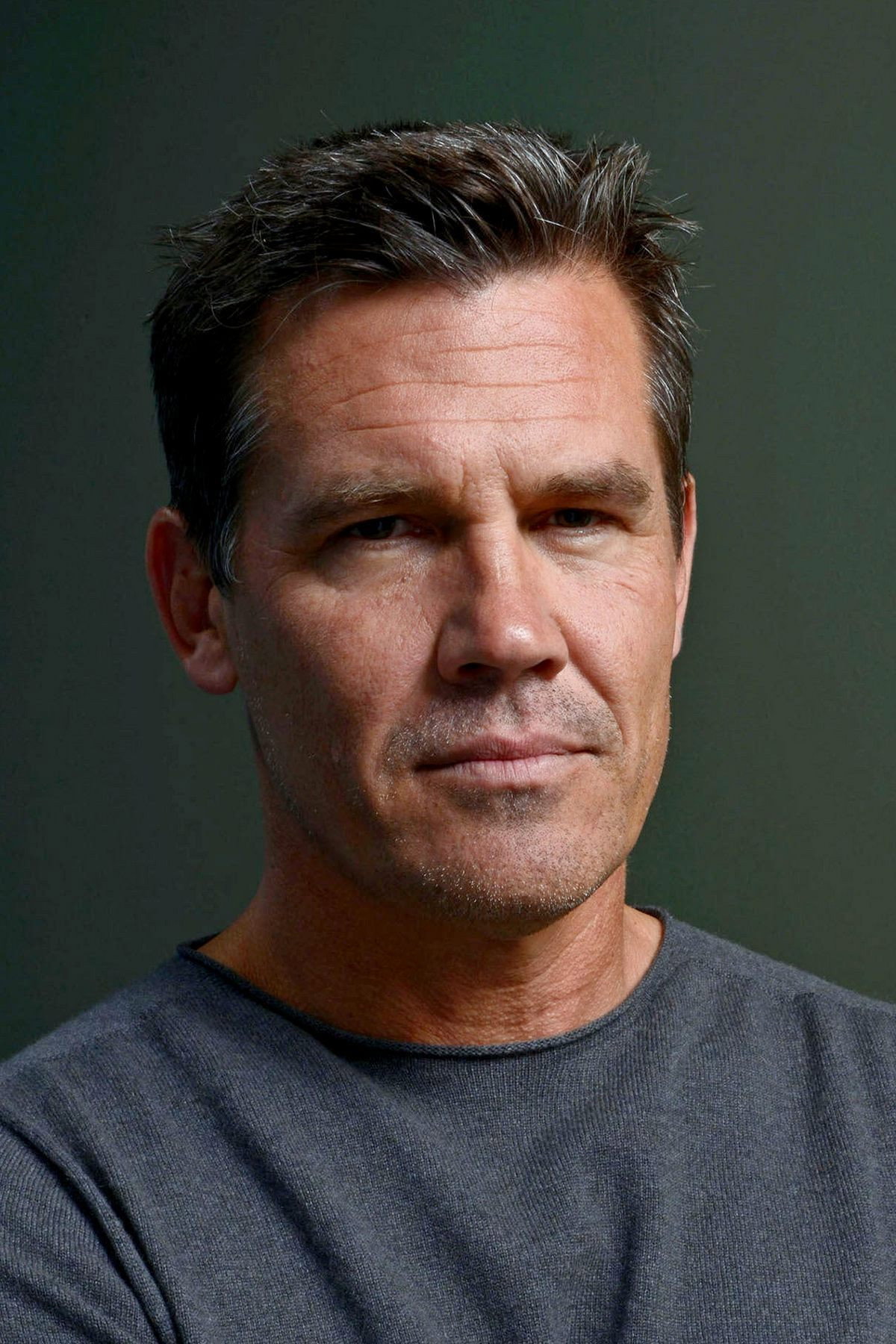
Hollywood, the early 1950s. Eddie Mannix (Josh Brolin) runs production at Capitol Pictures, which means he spends his days and most of his nights keeping the studio’s stars out of the newspapers. Today the lot is shooting the Roman epic that gives the film its name, a swimming picture built around DeeAnna Moran (Scarlett Johansson), and a drawing-room drama into which the singing cowboy Hobie Doyle (Alden Ehrenreich) has been dropped, to the despair of its director Laurence Laurentz (Ralph Fiennes). Then the epic’s star, Baird Whitlock (George Clooney), is drugged on set and carried off in his centurion’s skirt, and a ransom note arrives signed The Future. Mannix must get him back before the twin gossip columnists Thora and Thessaly Thacker (Tilda Swinton) find out, while an aircraft company keeps offering him a quieter job.

Plays from YouTube when you press play; nothing loads from them until then.

Fi1m review

The Coen brothers’ Hollywood comedy is a run of near-perfect pastiches, a sailor tap number, a water ballet, a singing cowboy in a dinner jacket, strung on a kidnapping plot that hardly matters. It is slighter than it looks and warmer than it sounds.

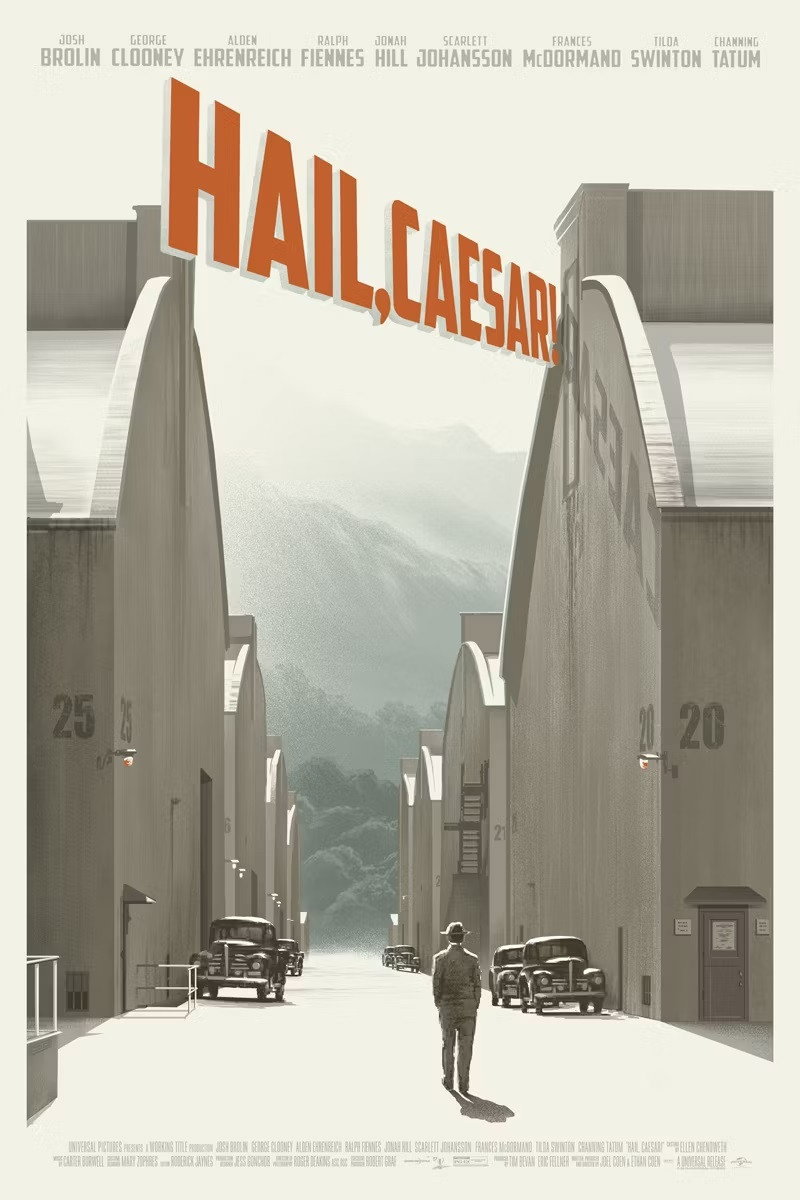
The Coen brothers have gone back to Capitol Pictures, the studio that swallowed Barton Fink twenty-five years earlier. It is now the early 1950s and the man running the lot is Eddie Mannix (Josh Brolin), a fixer who spends one day and one night putting out fires. The biggest fire is Baird Whitlock (George Clooney), star of the Roman picture that gives the film its name, who is drugged on set and carried off, skirt and breastplate and all. The film is that day. It is 106 minutes of set pieces wearing a plot as a disguise, and once you accept that, it is a good time.

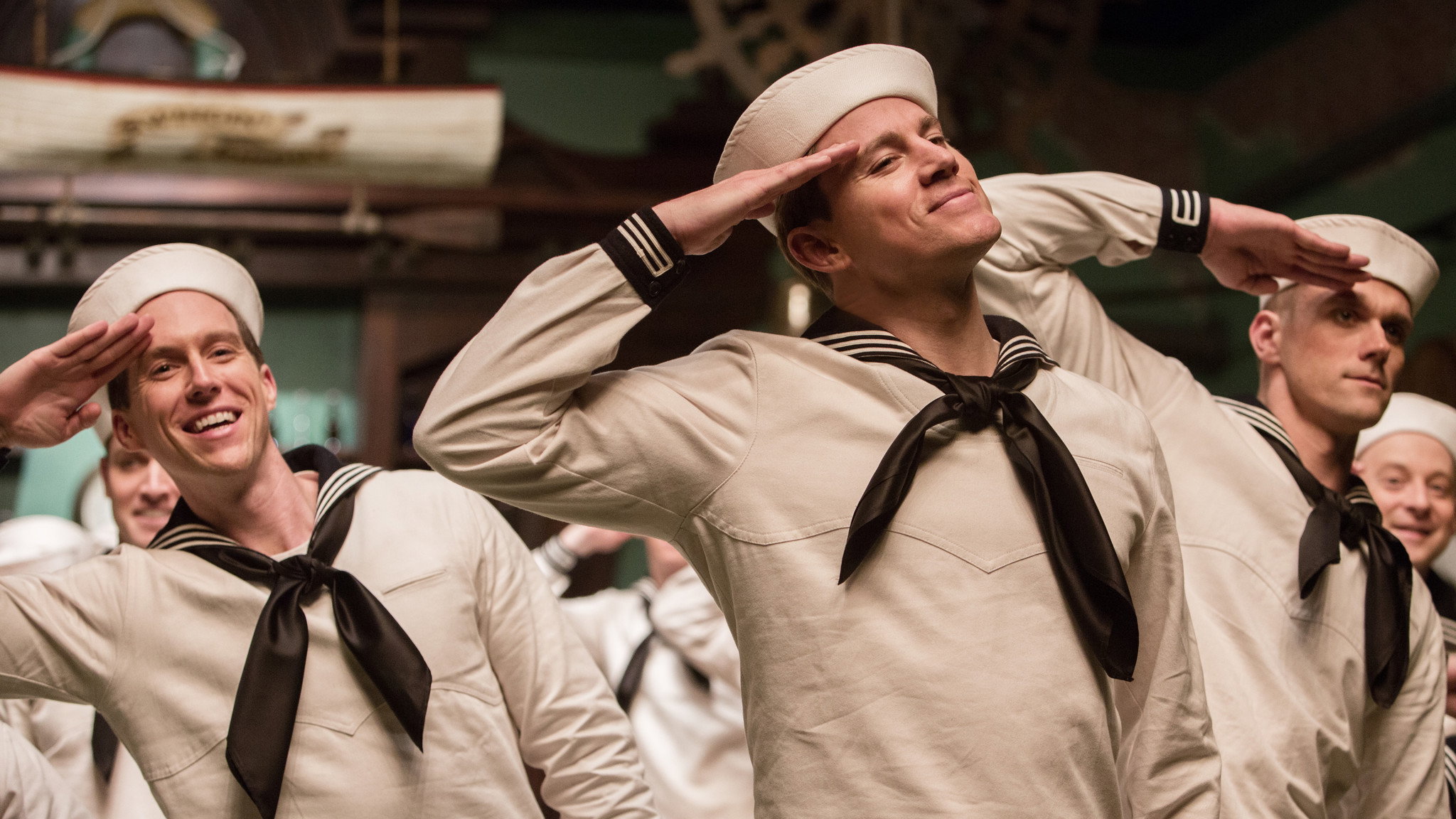
The pastiches are the point and they are done properly. Roger Deakins shoots each one in the manner of its period: the water ballet from directly above, the pool a hard turquoise, DeeAnna Moran (Scarlett Johansson) rising out of the middle in a rubber tail; Hobie Doyle’s western in flat sunshine with rope tricks and a horse that knows its cue; the drawing-room drama in soft silver; the Roman epic all gold and marble and reverent low angles. Jess Gonchor builds a lot where a short walk crosses a thousand years. Mary Zophres puts Johansson in the tail, Channing Tatum in sailor whites and Tilda Swinton in hats that could take an eye out. Carter Burwell writes the film-within-the-film a chorus that swells like the real thing, and gives Mannix’s actual night something quieter and more worried.

Two of the numbers are as good as anything the Coens have made. Burt Gurney (Tatum) leads a bar full of sailors in a tap routine lamenting the absence of women, played dead straight for the full length of a real number, and we grinned all the way through it, partly at the dancing and partly at how seriously everyone is taking it. And there is the scene in which Laurence Laurentz (Ralph Fiennes) tries to get Hobie to say the line “Would that it were so simple.” Fiennes’s patience curdles one syllable at a time; Alden Ehrenreich’s mouth simply cannot make the shape. We laughed harder than we had in months, and it is essentially two men saying five words.

Ehrenreich is the discovery. He plays Hobie as decent and baffled, a boy who can do anything with a lasso and nothing with a sentence, and the film, unusually for these directors, never sneers at him. Brolin does the heavier work. His Mannix slaps a starlet’s photographer, slaps Whitlock, and goes to confession at dawn to admit he has had a cigarette he promised his wife (Alison Pill) he would give up. An aircraft company keeps offering him a serious job with serious hours, and the film’s real question, asked quietly under the nonsense, is whether making nonsense is honourable work for a grown man. Clooney does his idiot routine well. Swinton plays both Thacker sisters as if they were the same woman refusing to admit it. Frances McDormand gets one scene as the editor C. C. Calhoun, a Moviola and a scarf, and it is perfect.

What does not work is the kidnapping. Once we meet the kidnappers, the film becomes a seminar, and the second half takes the plot somewhere we will not describe, except to say it comes to less than it should. Whitlock disappears from the film for long stretches. Around the hour mark we realised we were waiting for the next number rather than the next scene, and that is a fault in the writing, not in us. The Coens cut their own films, and the cutting between the lot and the beach house has a stop-start feel, so that neither strand builds. The ending is quiet on purpose. We understood that, and we still wanted more.

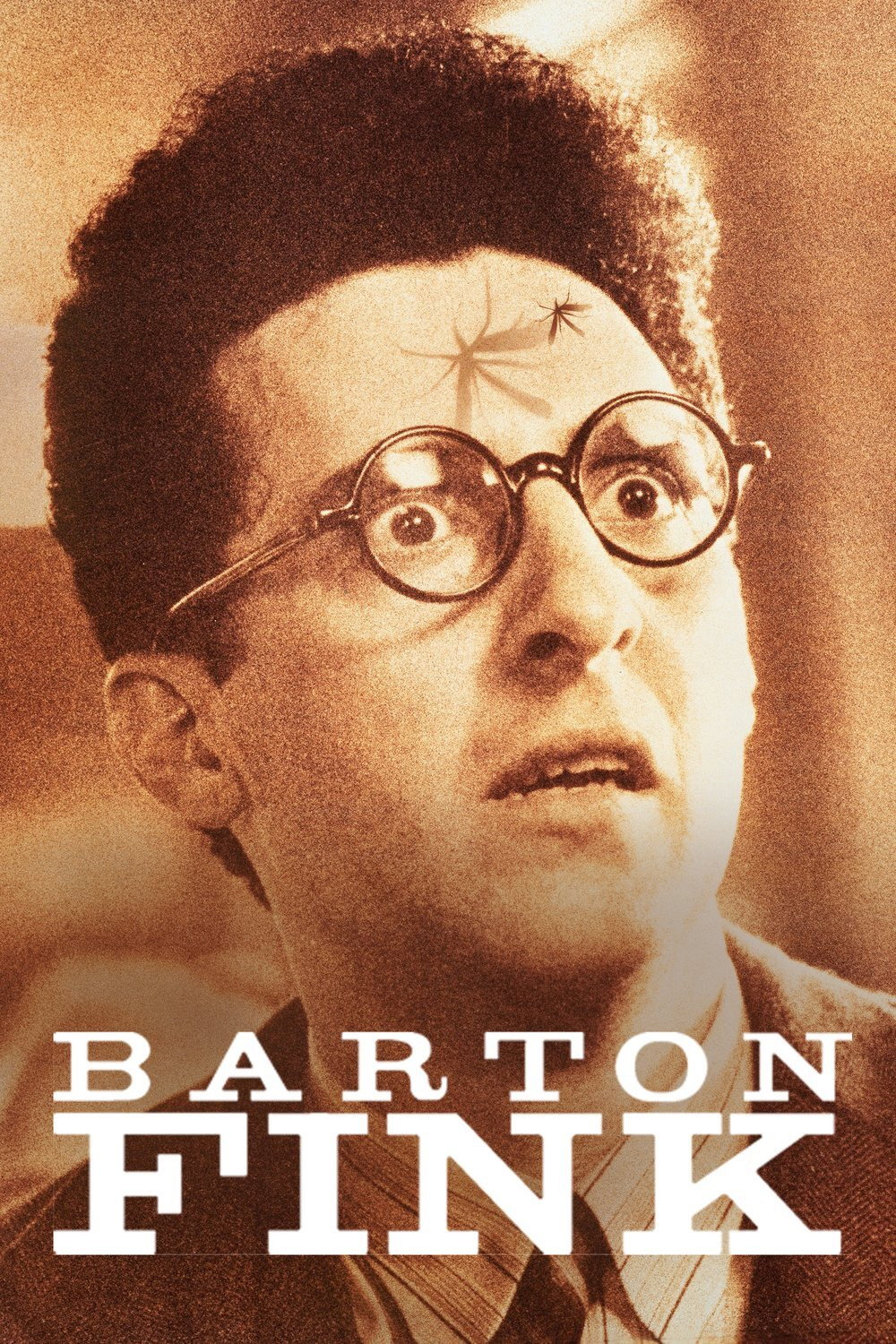
Barton Fink used this same studio to make a nightmare about whether pictures are worth a serious person’s life. This is the same lot in daylight asking the same thing, and it answers more kindly and with less force. See it for the sailors, the cowboy and the water ballet, and for Brolin’s jaw. Do not expect it to add up; the Coens have decided it should not. It carries a 12A, and the best of it would fit into forty minutes.
Critical consensus AI synthesised

70
Positive
20
Mixed
8
Negative
1

Most critics like it, find it affectionate rather than sneering, and land on the same pleasures. The set pieces get the warmest notices: Channing Tatum’s sailor dance, the water ballet, and Ralph Fiennes coaching a cowboy actor through a single line are named repeatedly as the moments that justify the ticket. Alden Ehrenreich is the performance most often singled out, with several reviews calling him the film’s discovery, and the studio-era recreations are credited to regular Coen collaborators Roger Deakins and Carter Burwell.

The reservations are about shape. Many find the film a string of sketches without a spine, with a central plot that never binds them and little at stake, and several suggest it will suit committed Coen admirers more than a general audience. The spread is wide, from raves to one outright negative: Digital Spy finds it disjointed and emotionally cold. Film Comment raises a different objection, faulting the absence of non-white characters.

The Guardian
6 March 2016 · Mark Kermode
90*

The Coen brothers deliver a hilarious, affectionate knockabout homage to golden-age Hollywood that finds nostalgic joy in its chaotic plot, dance numbers and biblical-epic pastiche. The film is praised as a breezy love letter to the movies, redeemed by its infectious fun and standout comic set pieces.

Read the full review →
Evening Standard
4 March 2016 · Charlotte O'Sullivan
80*

The critic finds the film fast-paced and mostly enchanting, with an abundance of talent on display in its performances and technical elements. She praises the comedic turns from Clooney, Tatum, Ehrenreich and Fiennes while noting minor flaws in the central character and communist subplot.

Read the full review →
Little White Lies
22 February 2016 · 5/4/5 · David Jenkins
80

The Coens deliver a complex, playful satire of 1950s Hollywood that confounds expectations while showcasing transcendent screen craft. They highlight the film's focus on the logistical problem-solving behind movie-making and memorable set pieces like the sailor dance number.

Read the full review →
Radio Times
19 February 2016 · ★★★★ · Andrew Collins
80

The Coens deliver a skilfully handled, thrilling and often hilarious love letter to Golden Age Hollywood without sneering. They single out the pitch-perfect parodies of various film styles and the contributions of key collaborators like Deakins and Burwell.

Read the full review →
Time Out
3 February 2016 · ★★★★ · Joshua Rothkopf
80

The Coens return to playful comedy with this manic backstage Hollywood tale that feels rare and unicorn-like in its polish. They single out the dazzling details, including the Channing Tatum dance number and Michael Gambon's narration.

Read the full review →
IndieWire
3 February 2016 · B · Nick Schager
77

The review finds the Coens' Hollywood satire amusing in spots but ultimately uneven and overly familiar. It singles out the period pastiche and supporting performances for occasional sparks amid the scattershot narrative.

Read the full review →

Cast

Awards

Academy Awards, 2017

Nominated
Best Production Design

If you liked this, try…