Benjamin Christensen’s Häxan is a disturbing, sometimes funny account of witch persecution, worth seeing for its grotesque imagery and sympathy for the accused. Its determination to teach can make it heavy going.
Benjamin Christensen wants us to look at witchcraft long enough to understand the cruelty done in its name. Häxan is a history film willing to be grotesque, funny and unpleasant, and we recommend it for the way those qualities make persecution feel appalling. The difficulty is its eagerness to educate: the explanation can become heavy-handed even when the subject deserves the attention. That is a real limitation, though it seldom weakens the horror for long.
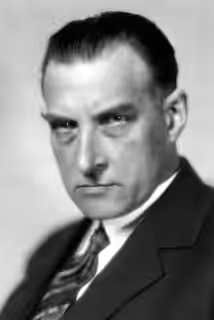
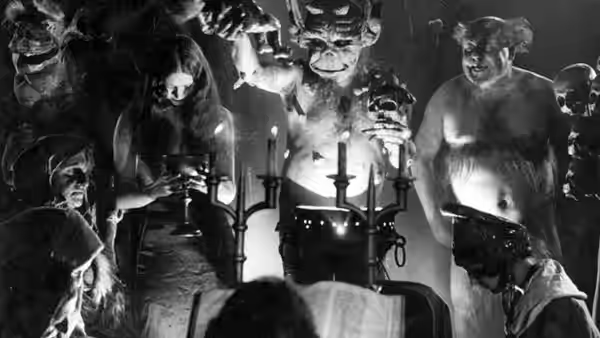
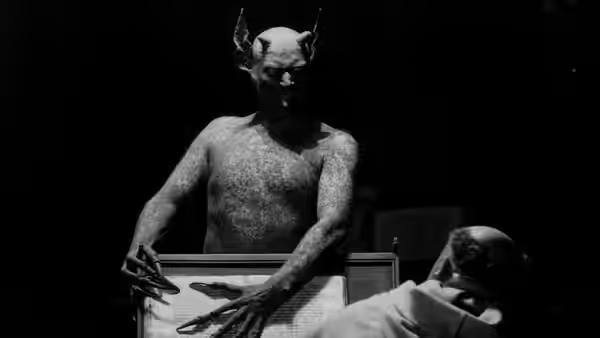
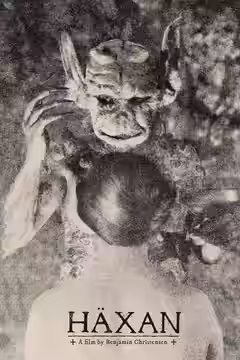
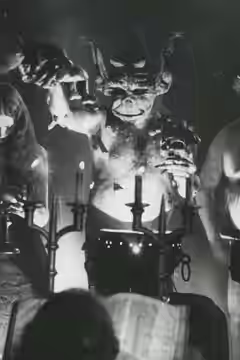
Benjamin Christensen writes and directs, and also plays the Devil. That is a useful warning against expecting a sober illustrated lecture: he enjoys the supernatural spectacle even while examining the harm done by belief in it. We laughed at the Devil, then felt uneasy about laughing, because the accusations against women make the consequences of that belief plain. The humour gives the film a welcome unruliness, and helps it through some of its more dogged teaching.
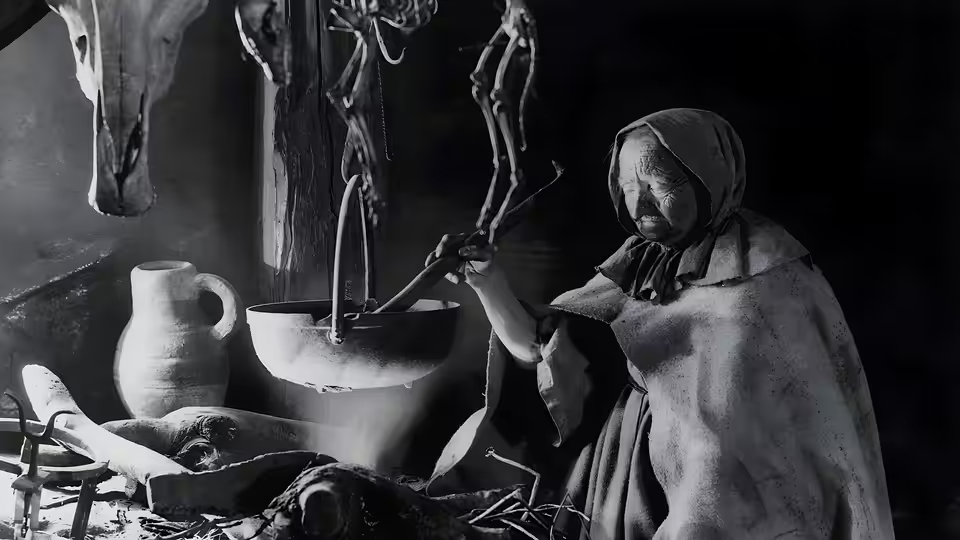
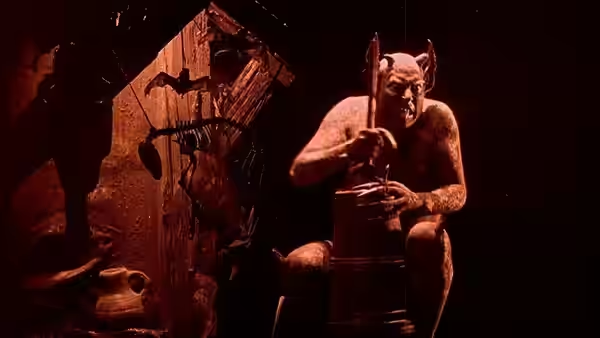
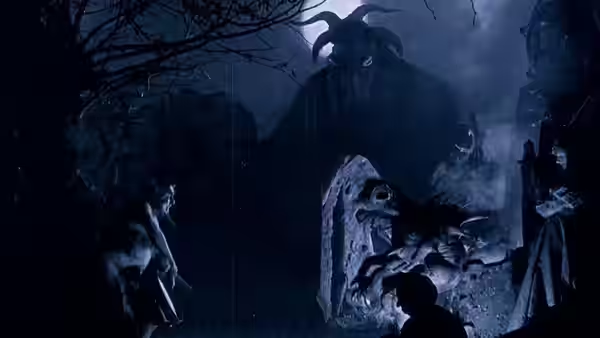
Johan Ankerstjerne’s cinematography gives the grotesque imagery the physical conviction it needs. The exaggeration is forceful enough to make these imagined horrors feel substantial; they are never merely quaint illustrations of what other people once believed. The Devil has to be ridiculous without becoming harmless, and the photography makes that difficult combination work. Even when the educational purpose becomes wearisome, the images keep us looking, with an unpleasantness that is essential to their effect.
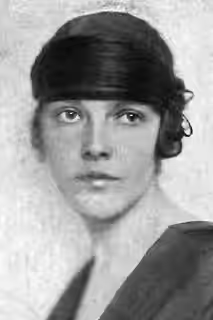
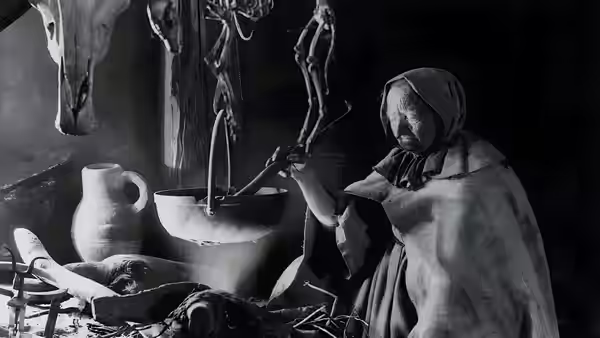
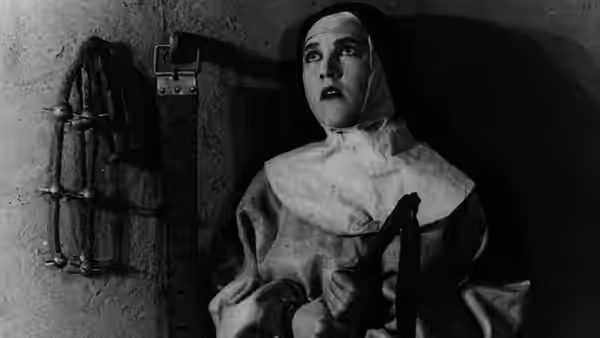
Maren Pedersen, as Maria the Weaver, makes the persecution harder to regard as an interesting historical subject. The character has a trade as well as the label of witch, and that ordinary identity matters. The sympathy stays with those who can be accused, and the religious authority behind the accusations receives justified suspicion. The film makes their treatment appalling without asking us to regard the women themselves as grotesques, a distinction it handles with care.
Edla Hansen’s editing accommodates documentary, history and horror, though the explanatory passages sometimes interrupt our involvement. There are stretches when the desire to explain dulls the curiosity the imagery has created; we would rather be allowed to keep looking than be taught quite so firmly. The music credited to Ludwig van Beethoven and Launy Grøndahl supports the seriousness, but the pictures are what trouble us afterwards. At 105 minutes, the film gives its educational purpose more room than it always needs.
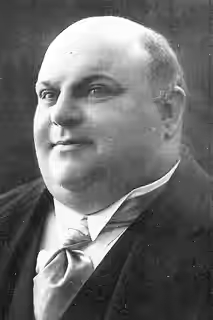
As horror, this is unusually interested in who benefits from fear. Witch judges Pater Henrik (Johannes Andersen) and Johannes (Elith Pio) belong to the troubling business of deciding what other people are guilty of. The film understands how an accusation can acquire force merely by receiving religious approval, and its anger about the persecution of women gives the spectacle a purpose. It can enjoy imagining supernatural wickedness without losing interest in the human beings authorised to punish it.
We would recommend it without asking anyone to make allowances for 1922. The horror can still disturb, and the humour makes that disturbance harder to prepare for. Give it an evening when a history lesson will not feel like an imposition.