Film review

Hear My Song

1991 · Directed by Peter Chelsom · 1h 44m · MPA R

In a sentenceNed Beatty makes all this fuss about finding a singer seem almost sensible

Comedy

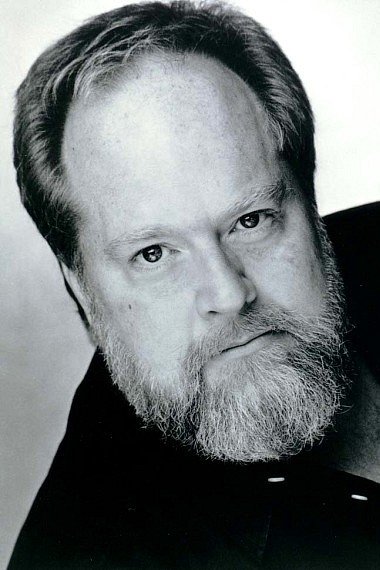
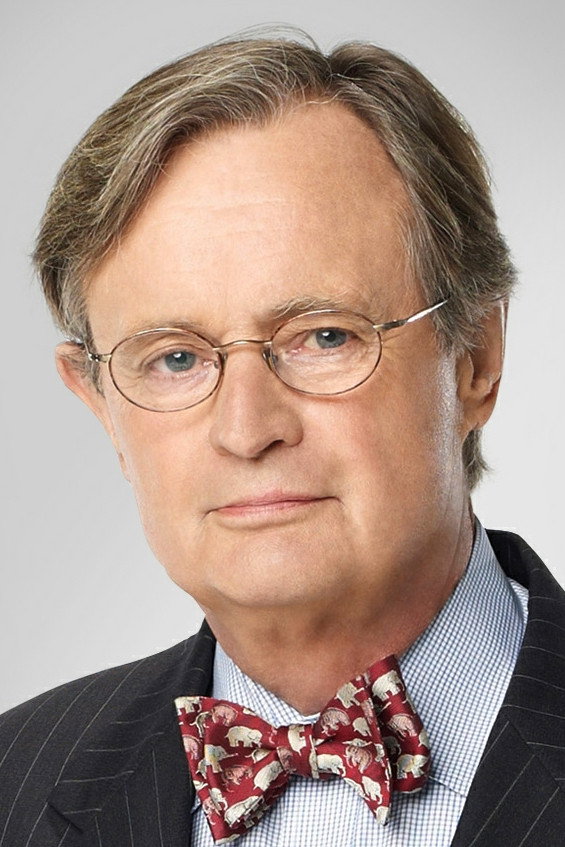
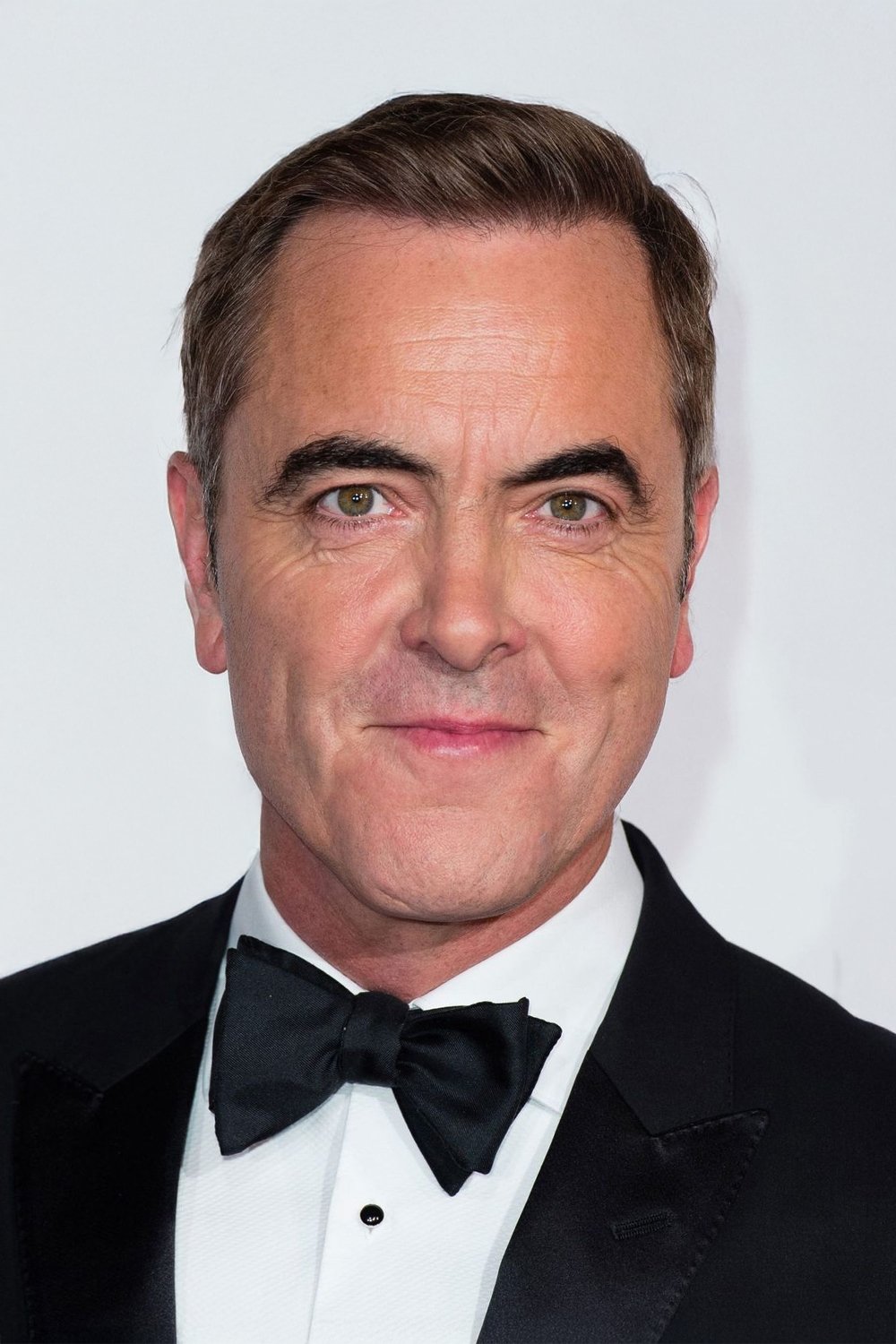
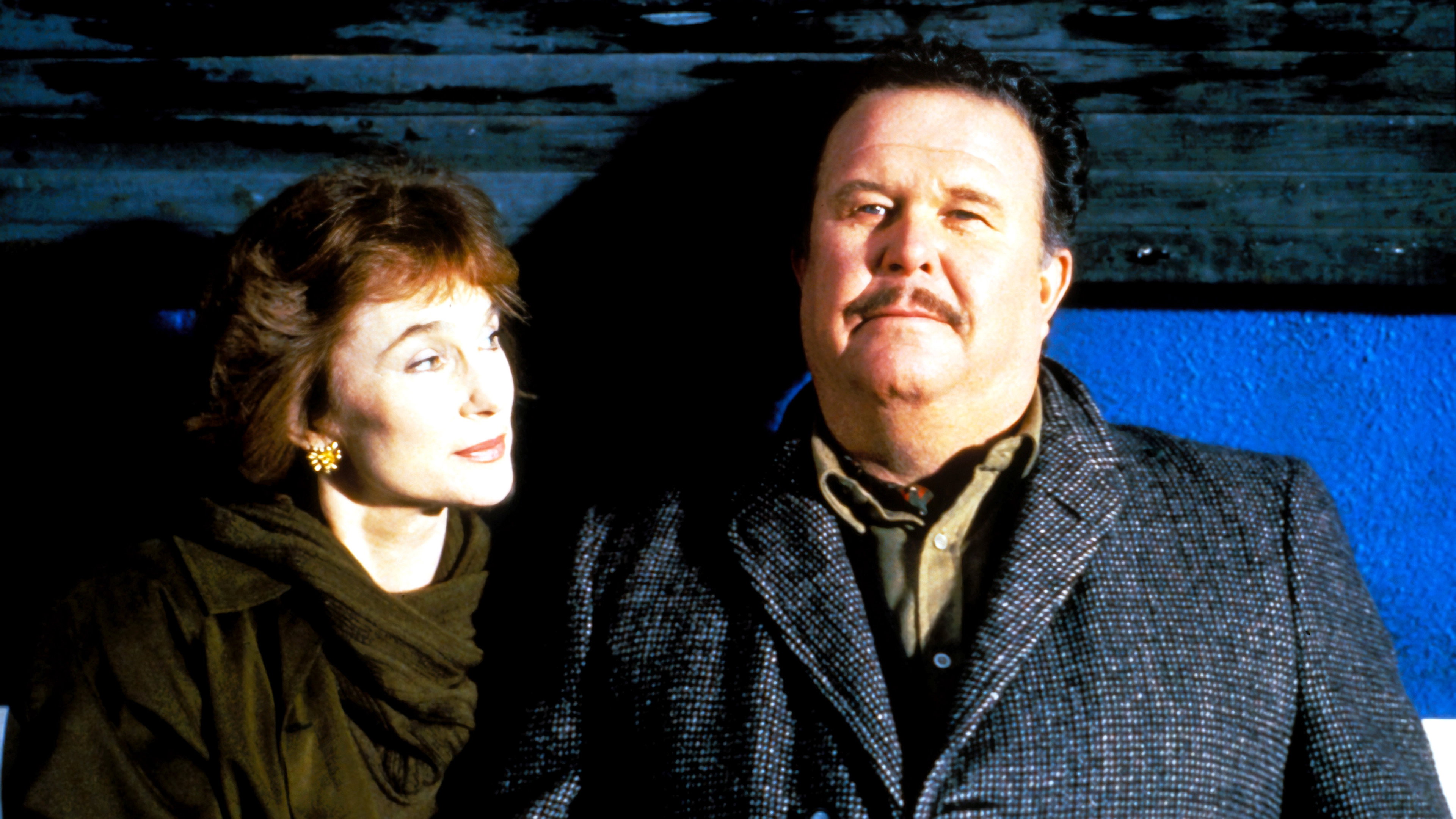
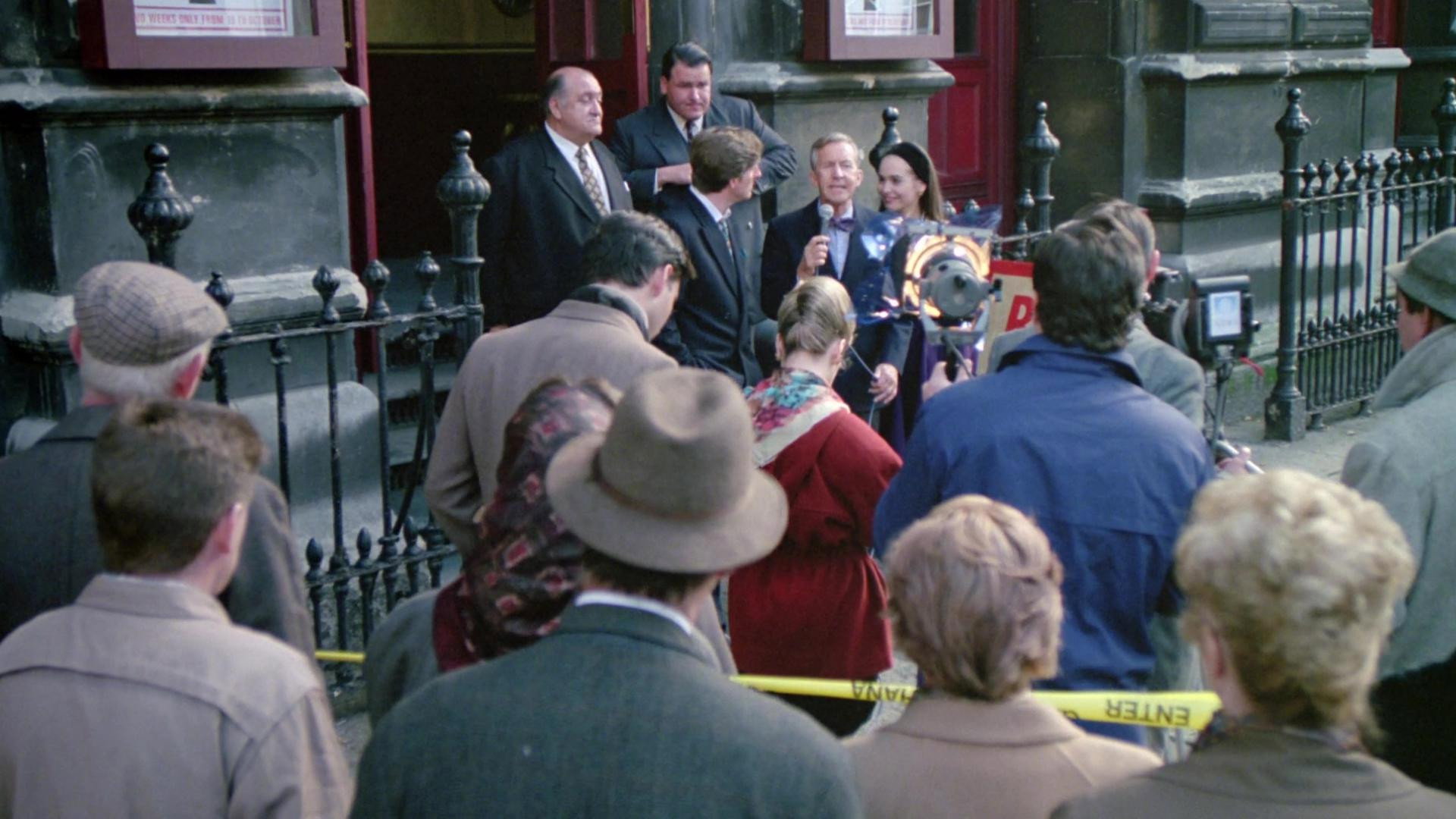
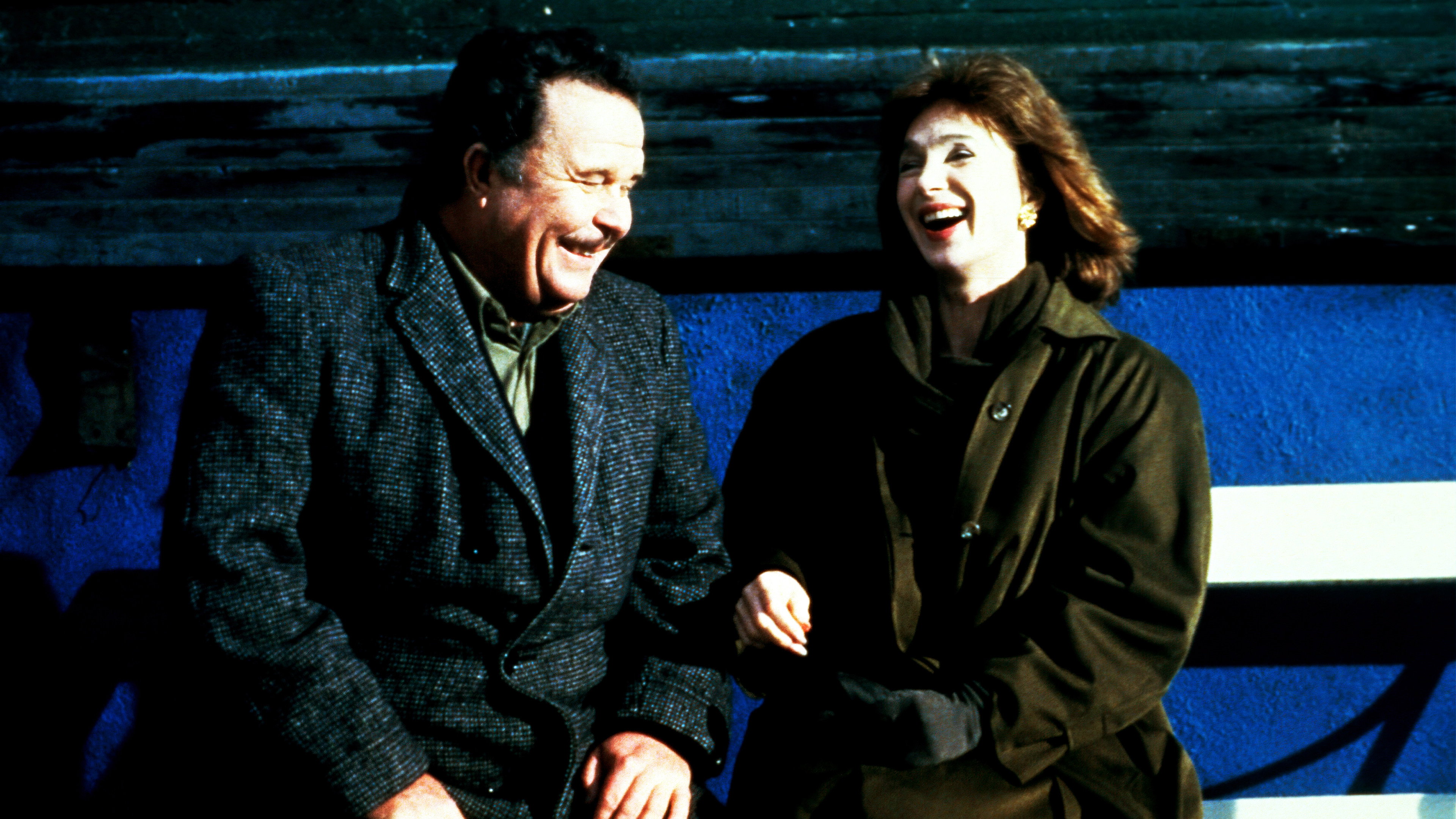
Micky O’Neill (Adrian Dunbar) is a club owner who sets out to find the singer Josef Locke (Ned Beatty). The search takes the story into Ireland, while Micky’s romantic life supplies another strand. Tara Fitzgerald plays Nancy Doyle, alongside Shirley Anne Field as Cathleen Doyle, William Hootkins as Mr. X and David McCallum as Jim Abbott. Peter Chelsom directs from a screenplay he co-writes with Dunbar, bringing the pursuit of Locke together with a romance and the concerns of a man who runs a club.

Fi1m review

Peter Chelsom’s romantic comedy has enough wit and warmth to make its search for a singer worthwhile. Adrian Dunbar and Ned Beatty keep it engaging, even when the whimsy becomes a little too insistent.

Hear My Song is a likeable romantic comedy that gets away with most of its fussing, largely because Adrian Dunbar and Ned Beatty give it people worth watching. Peter Chelsom directs as though a search for a singer ought to be enough to restore anyone’s faith in human nature. There is something appealing about that confidence, even when it becomes a little wearing. The film’s pleasures are fairly modest, and it is strongest when it remembers to leave them that way.

Dunbar’s Micky O’Neill is a club owner looking for singer Josef Locke, a premise that leaves plenty of room for a performer to become tiresome. Dunbar avoids that by making Micky’s enthusiasm seem personal, with an awkwardness beneath the charm. Tara Fitzgerald, as Nancy Doyle, is a welcome presence because her appeal is less strenuous. Chelsom and Dunbar’s screenplay benefits from actors who can make the romance engaging without insisting that every exchange be adorable.

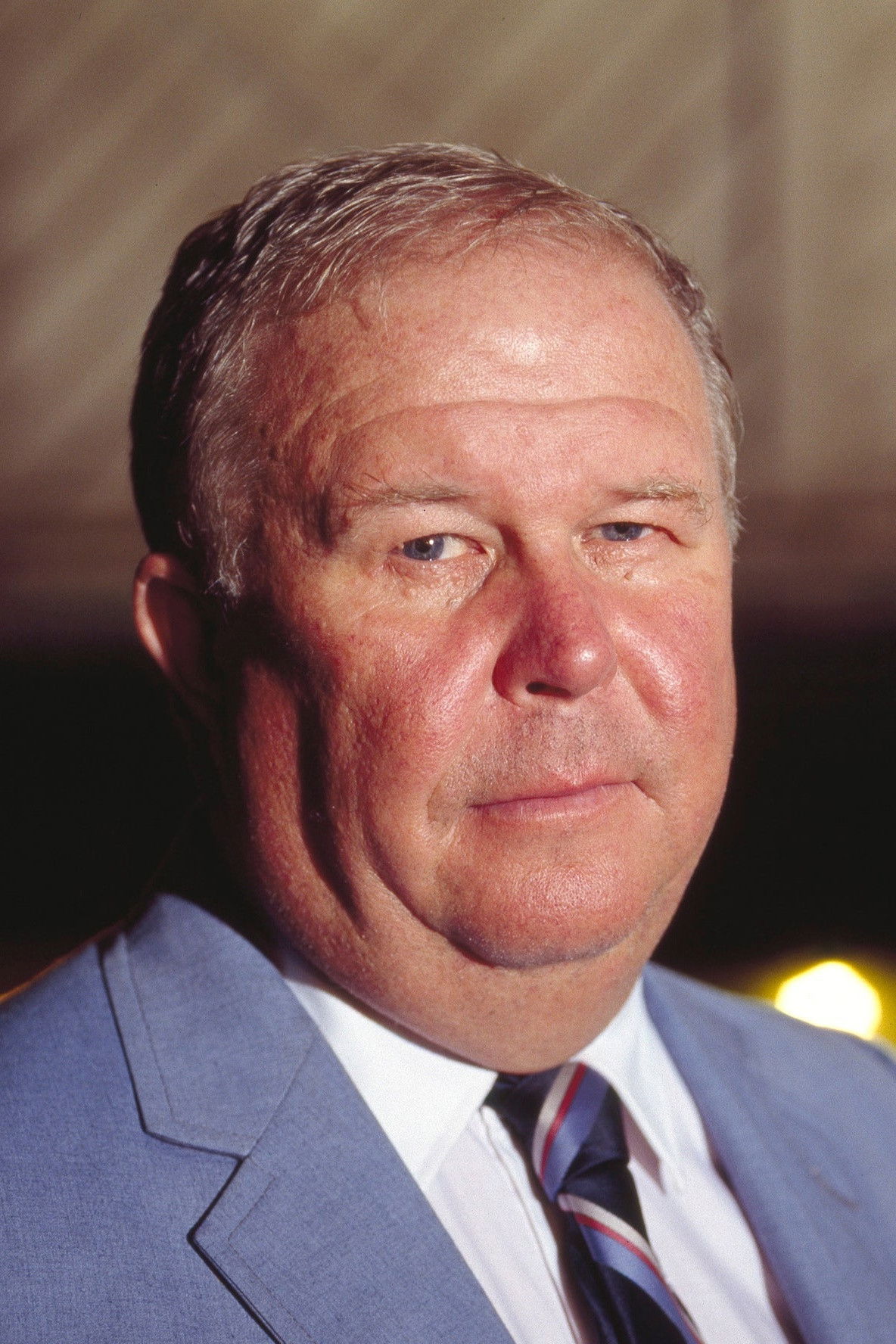
Beatty’s Josef Locke makes the search worth following. His expansive comic performance gives substance to a singer who might otherwise struggle to justify the attention being paid to him. We warmed to Beatty almost at once, because he seems to take such uncomplicated pleasure in being Locke. He makes the film’s affection for the character easy to share. When he is on screen, Chelsom can ease off and let an actor amuse us.

Sue Gibson’s cinematography makes the Irish passages inviting without letting the scenery become the whole attraction. The people still matter, and the film retains a sense of being interested in whoever might come into view next. Caroline Hanania’s production design gives the club enough character to matter alongside the people in it. These surroundings help make Micky’s working life worth caring about, rather than merely somewhere to begin the search.

Martin Walsh’s editing is good at letting a comic performance finish its business before moving on. There is a pleasing lack of panic about whether a joke has registered, and that gives the actors some freedom. John Altman’s music is more willing to encourage the romance, which usually suits Chelsom’s approach. When the sentiment grows heavier, though, the score offers too little restraint; we do not need quite so much encouragement to feel fond of these people.

The problem comes when Chelsom presses too hard for affection. The fanciful approach can excuse a fair amount, but some passages seem more concerned with ensuring our approval than letting these people surprise us. Dunbar and Fitzgerald have already made the romance appealing; further insistence only makes it feel less spontaneous. At 104 minutes, this is hardly a long film, yet its repeated bids for tenderness make parts of it feel overextended.

Small-scale romantic comedies need room for eccentric behaviour, and we would not want Chelsom to tidy this one into something sensible. His willingness to let the search grow fanciful belongs comfortably within the genre, even if a firmer hand would have helped with the sentiment. Save it for an evening when a cheerful comedy sounds welcome and nobody is likely to object to a little coaxing.
Critical consensus AI synthesised

74
Positive
4
Mixed
2
Negative
0

Most critics find Hear My Song a warm, fanciful romantic comedy, with praise clustering around Peter Chelsom’s comic timing and affection for his characters. The favourable reviews describe an assured debut whose old-fashioned sentiment is largely earned by its wit. Performances also draw approval, particularly Adrian Dunbar’s charm and Ned Beatty’s generous comic presence as Josef Locke. Even the less persuaded critics find acting worth admiring.

The divide concerns how hard Chelsom works to charm, rather than what he is trying to achieve. Some reviews welcome the whimsy but find the sentiment excessive towards the close; others think the insistence undermines the comedy more broadly. The Los Angeles Times is wholehearted in its enthusiasm for the warmth and timing, while The New Yorker argues that Chelsom oversells a fragile conceit. Time Out is similarly resistant, finding the tone maudlin despite Beatty’s strong performance.

Los Angeles Times
27 December 1991 · ★★★★/4 · Kevin Thomas
100

An unalloyed joy and irresistible bit of blarney that recalls the great Ealing classics. Chelsom has a warmth and wit that could cheer up just about anybody, with an innate sense of timing for jokes and payoffs.

Read the full review →
Empire
1 January 2000 · Angie Errigo
80*

The critic finds the film fanciful, fresh and charmingly funny, recommending it to those not allergic to whimsy. They single out writer-director Peter Chelsom's assured feature debut for turning a dotty true story into a delightful, sentimental climax.

Read the full review →
RogerEbert.com
14 February 1992 · Roger Ebert
80*

The film builds a romantic comedy of great charm around the search for the real Josef Locke. It is the soul of a great small film that looks at people closely and with love.

Read the full review →
The New York Times
19 January 1992 · Janet Maslin
75*

This winning first feature has the kind of blithe, fanciful magic that can't be achieved through skill alone. The ending errs slightly on the side of excessive sunniness, but almost all the rest is admirably understated.

Read the full review →
Variety
31 December 1991
60*

First feature from Peter Chelsom goes straight for the heart with an unabashedly romantic fantasy. By the final reels it has become too much, though Dunbar and Fitzgerald deliver winning performances in this old-fashioned romance.

Read the full review →
The New Yorker
2 March 1992 · Terrence Rafferty
50*

Chelsom takes a whimsical conceit and sells it so hard that it loses most of its fragile charm. Ned Beatty's performance as the real Josef Locke is large-spirited comic acting that nearly makes the film transporting.

Read the full review →

Cast

Stills

If you liked this, try…

Local Hero poster86

Local Hero

1983 · Another persuasive case for letting eccentric strangers interfere with a sensible plan.

The Band's Visit poster

The Band's Visit

2007 · Musicians away from home find company in a quieter, drier comedy.

The Lunchbox poster

The Lunchbox

2013 · A small romantic possibility matters enormously to people who need it.

The Commitments poster82

The Commitments

1991 · More Irish musical ambition, with sharper elbows and less patience for sentiment.

The Titfield Thunderbolt poster

The Titfield Thunderbolt

1953 · A community pursues an unreasonable scheme with exactly the necessary seriousness.