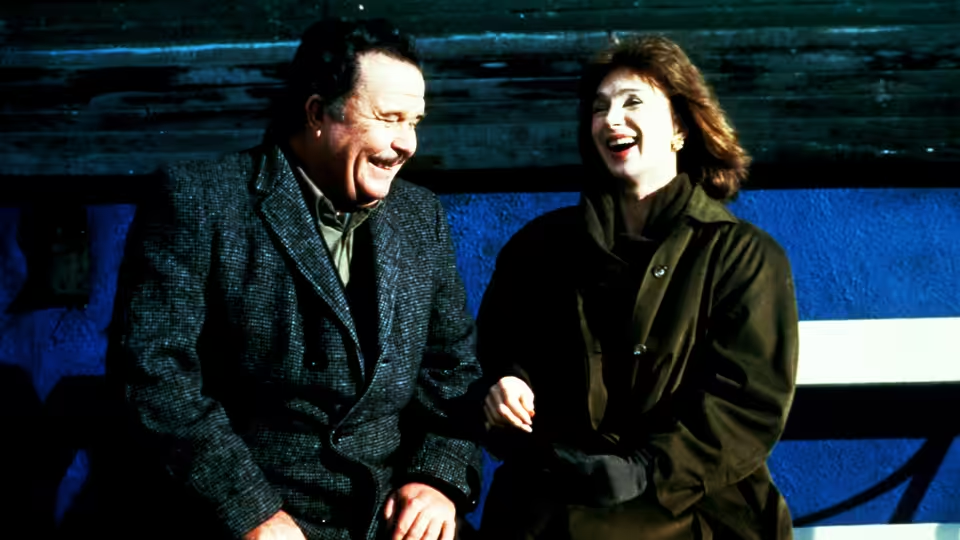
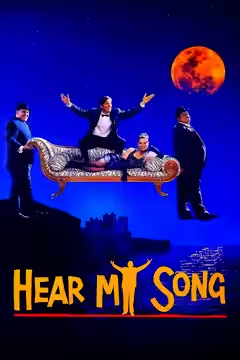
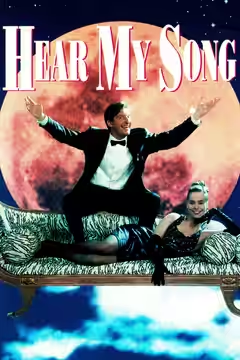
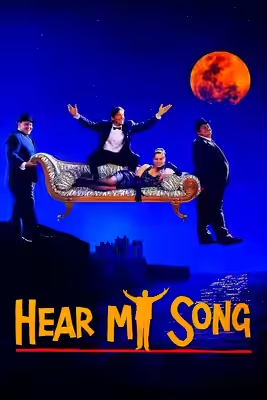
Hear My Song is a funny, generous comedy carried by Adrian Dunbar’s nerve and Ned Beatty’s steadiness. Peter Chelsom pushes the sentiment too hard, but the search for a singer gives the charm something useful to do.
Hear My Song is a good comedy for anyone prepared to forgive a little excessive affection for its own characters. Peter Chelsom builds it around a nightclub owner’s search for the singer Josef Locke, with romance and an impersonator complicating the business. The film needs us to enjoy being persuaded by someone whose enthusiasm runs ahead of good sense. Adrian Dunbar, playing Micky O’Neill, makes that a reasonable proposition before Chelsom starts asking for more indulgence.
Dunbar has just the right degree of impudence. Micky needs to get people interested in his plans, and Dunbar makes the effort entertaining without scrubbing away the cheek. The screenplay, which he wrote with Chelsom, understands how much comedy there is in wanting something badly and expecting other people to help. We found ourselves caring whether the singer would be found. Dunbar’s eager persistence made a rather fanciful errand feel worth following.
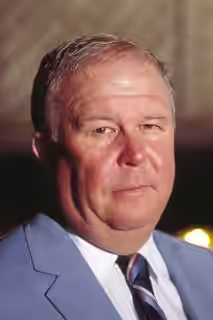
Ned Beatty makes Josef Locke seem worth the trouble of finding. Playing the Irish tenor, he has enough assurance to justify the fuss that the story makes about him. Dunbar’s eagerness benefits from that quieter presence, which gives the comedy some welcome breathing space. Beatty is particularly good at suggesting that a man can be interesting without making a continuous effort to entertain everyone around him.
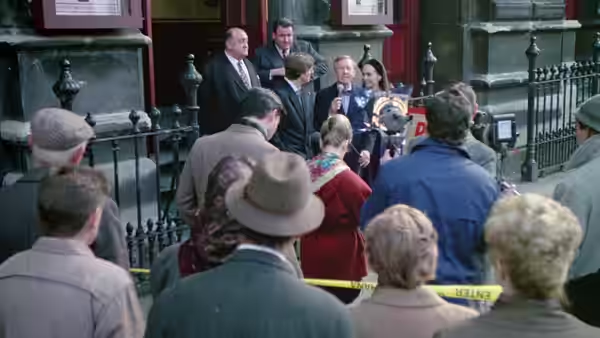
Sue Gibson’s cinematography and Caroline Hanania’s production design help make the community around the search feel worth spending time in. Their work gives the film a welcoming quality that suits Chelsom’s affection for his characters. We need to believe these people have lives beyond Micky’s undertaking, and the surroundings help. The setting makes the fanciful story feel less remote from ordinary people wanting a little entertainment and something to look forward to.
Martin Walsh’s editing lets the comic detours keep their conversational ease, although some could be shorter. The search can absorb a fair amount of wandering, but Chelsom occasionally seems reluctant to leave agreeable company behind. John Altman’s music is sympathetic to the romance, but its encouragement contributes to the film’s tendency to overstate the feeling. There are passages where a little less assistance would leave the actors better able to do their work.
This is the familiar hazard of the whimsical comedy: characters can be so determinedly endearing that we start to feel managed. Chelsom crosses that line now and then, particularly when the romantic feeling is being pressed hardest. The humour is more persuasive, because Dunbar is allowed to be impudent and Beatty does not appear to be asking for our approval. Their performances remain enjoyable when the writing becomes too insistent about how fond we should be of everyone.
Allow it its 104 minutes on an evening when a romantic comedy sounds like a reasonable proposition. It needs some tolerance for sentimentality, and is unlikely to convert anyone who has none. There is pleasure in spending time with people who can get this worked up about a singer. We would be happy to let Dunbar talk us into it again.