High Fidelity is a funny, perceptive romantic comedy about a man whose musical judgement is better developed than his consideration for other people. John Cusack makes him worth listening to, though the women deserve more of the jokes.
Stephen Frears’s High Fidelity is a warmly recommended romantic comedy, provided we can tolerate a man explaining himself at considerable length. John Cusack’s Rob runs a Chicago record shop and has plenty to say about music, relationships and the people who fail to meet his standards. He addresses the camera as though we might settle the matter in his favour. The pleasure is in hearing him out while noticing how much of his case depends on his being the person telling it.
Cusack understands how to make this company bearable without pretending that Rob’s opinions amount to wisdom. His performance makes room for insecurity beneath the confident talk, and the warmth is especially useful when the self-examination threatens to become another excuse for demanding attention. We laughed at the record-shop banter, then winced at how familiar the need to win these arguments sounded. The comedy gets at the small embarrassment of knowing a great deal about something and behaving as though that entitles us to respect elsewhere.
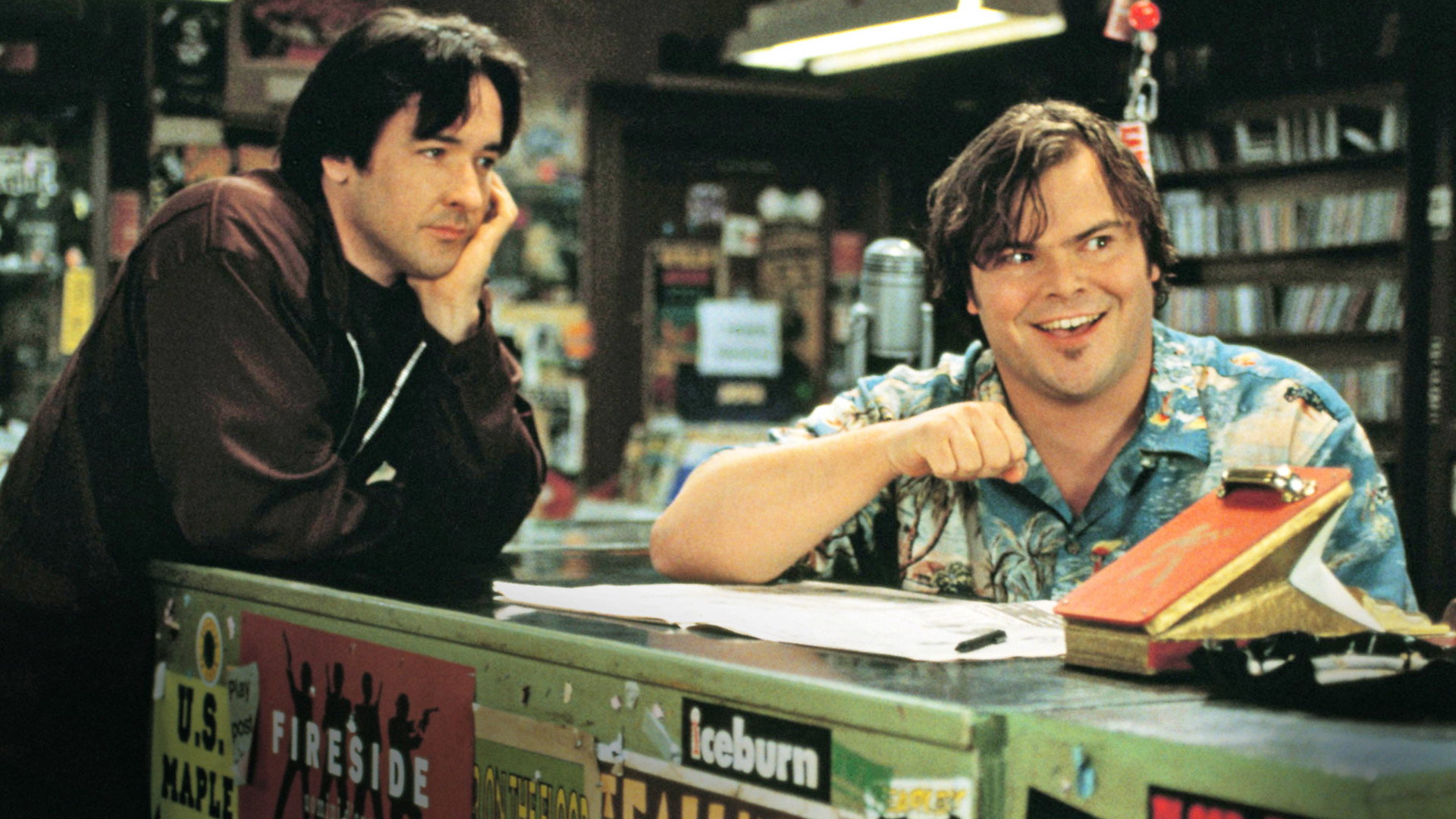
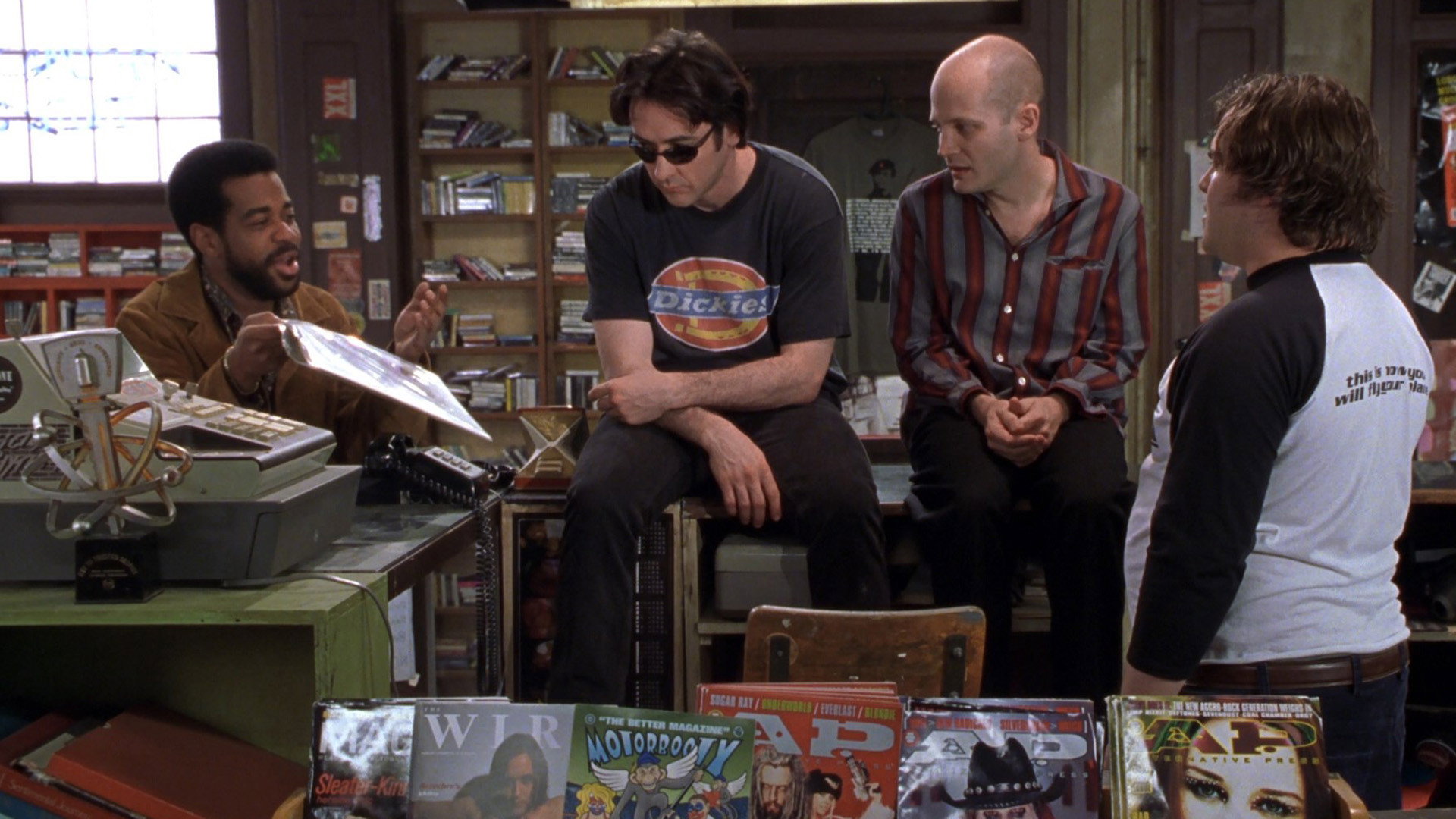
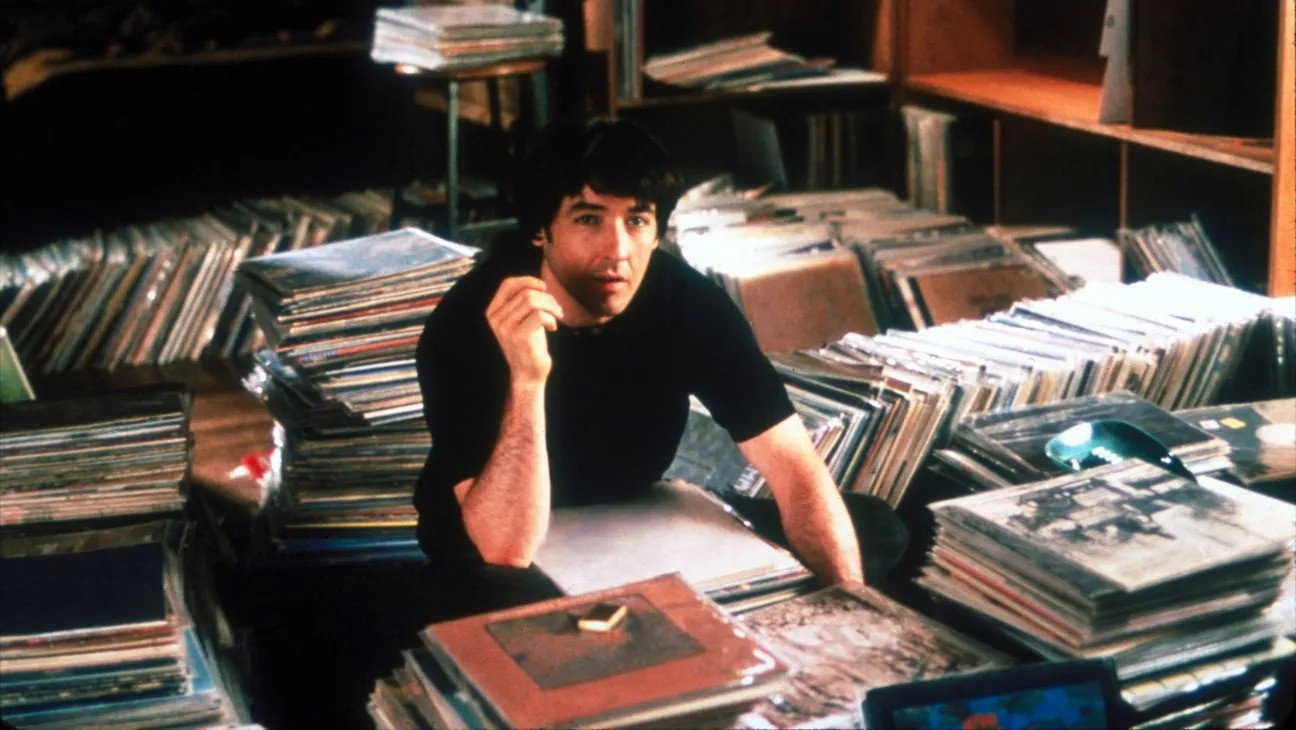
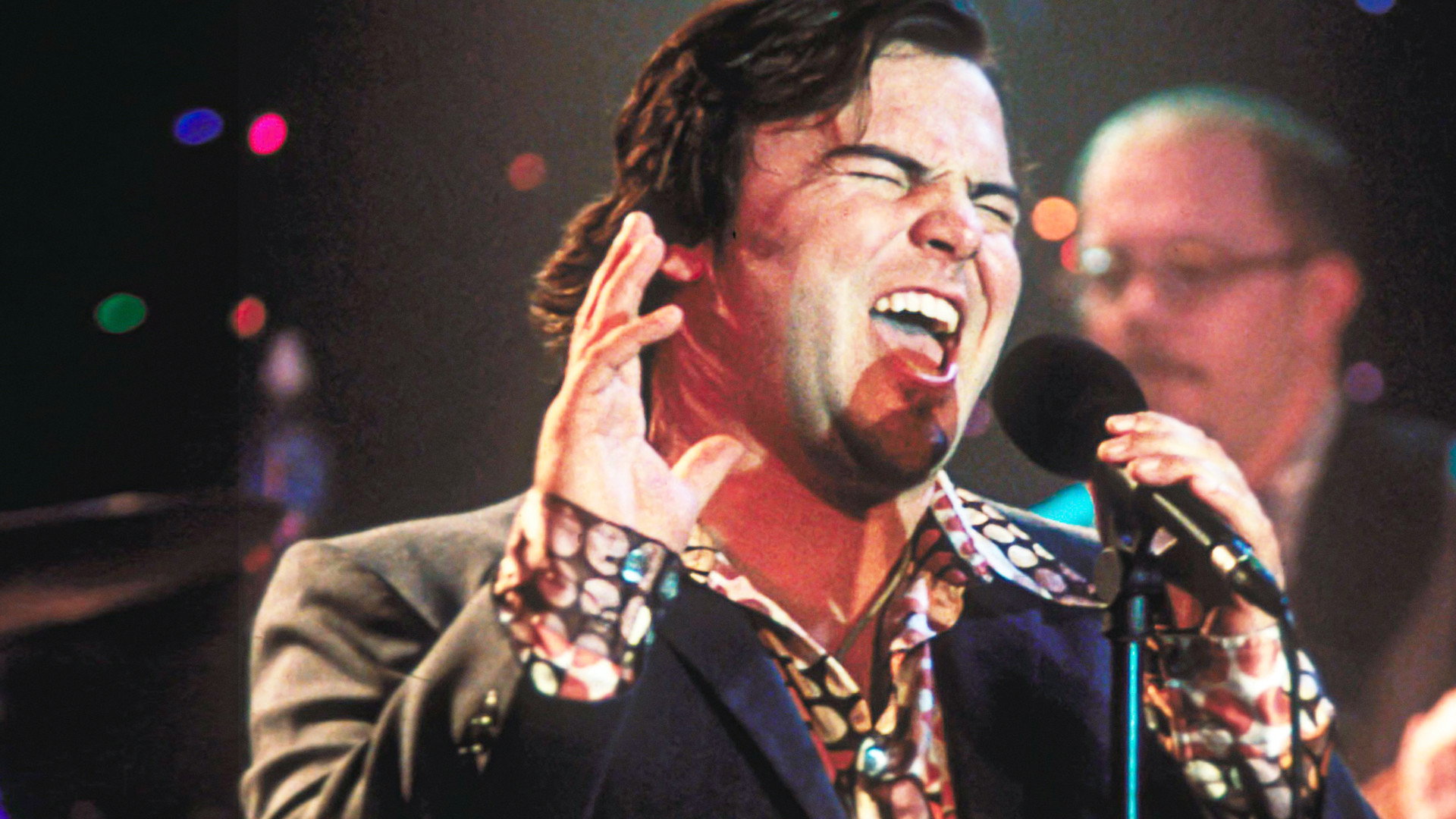
Jack Black, as Barry, gives the music talk an argumentative energy that helps keep Rob from monopolising the comedy. Todd Louiso’s Dick adds to the sense of a working day largely consumed by opinions. Production designers David Chapman and Thérèse DePrez make the shop a convincing setting for this behaviour. It feels like somewhere these men would choose to remain, which helps explain why their enthusiasms can become so consuming.
The direct addresses are more uneven. With Seamus McGarvey on cinematography, Frears keeps our attention on the man doing the talking, and Cusack usually repays that attention; occasionally the device makes Rob seem unduly pleased to have an audience. Mick Audsley’s editing gives the talk a useful forward pace, so that a film heavy on explanation rarely feels stranded inside a monologue. Even so, we sometimes wanted a conversation to continue without Rob being allowed to tell us what to make of it.
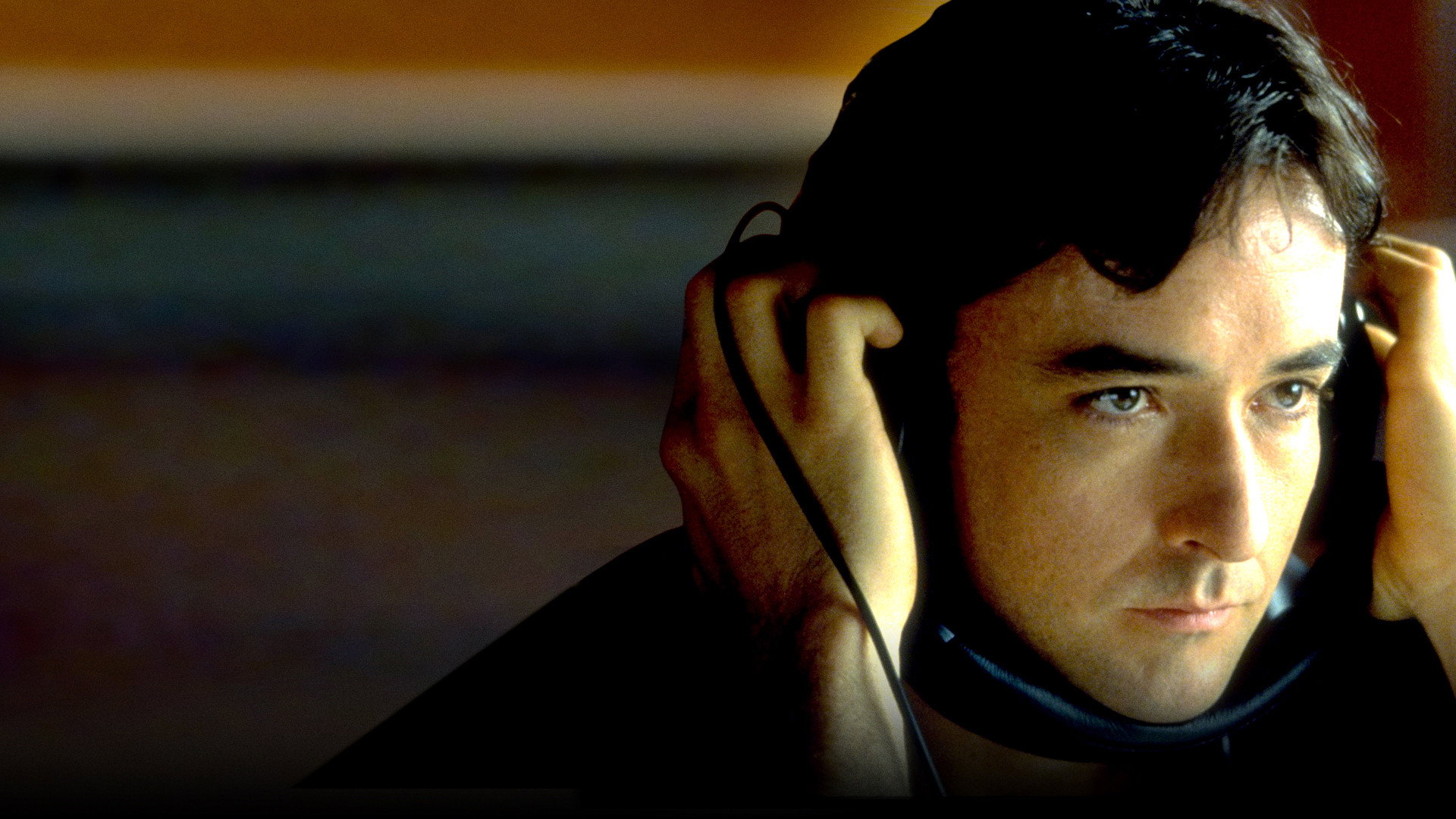
Howard Shore’s music sits within a soundtrack crowded with songs, and the songs make the stronger impression. The selections matter because these characters use music to describe themselves, and their attachment to it is more revealing than any judgement about whether their taste is good. Frears allows that enthusiasm to be attractive even when the people expressing it are tiresome. There is affection here for the hours spent listening, and enough humour to keep that affection from requiring our agreement with every opinion.
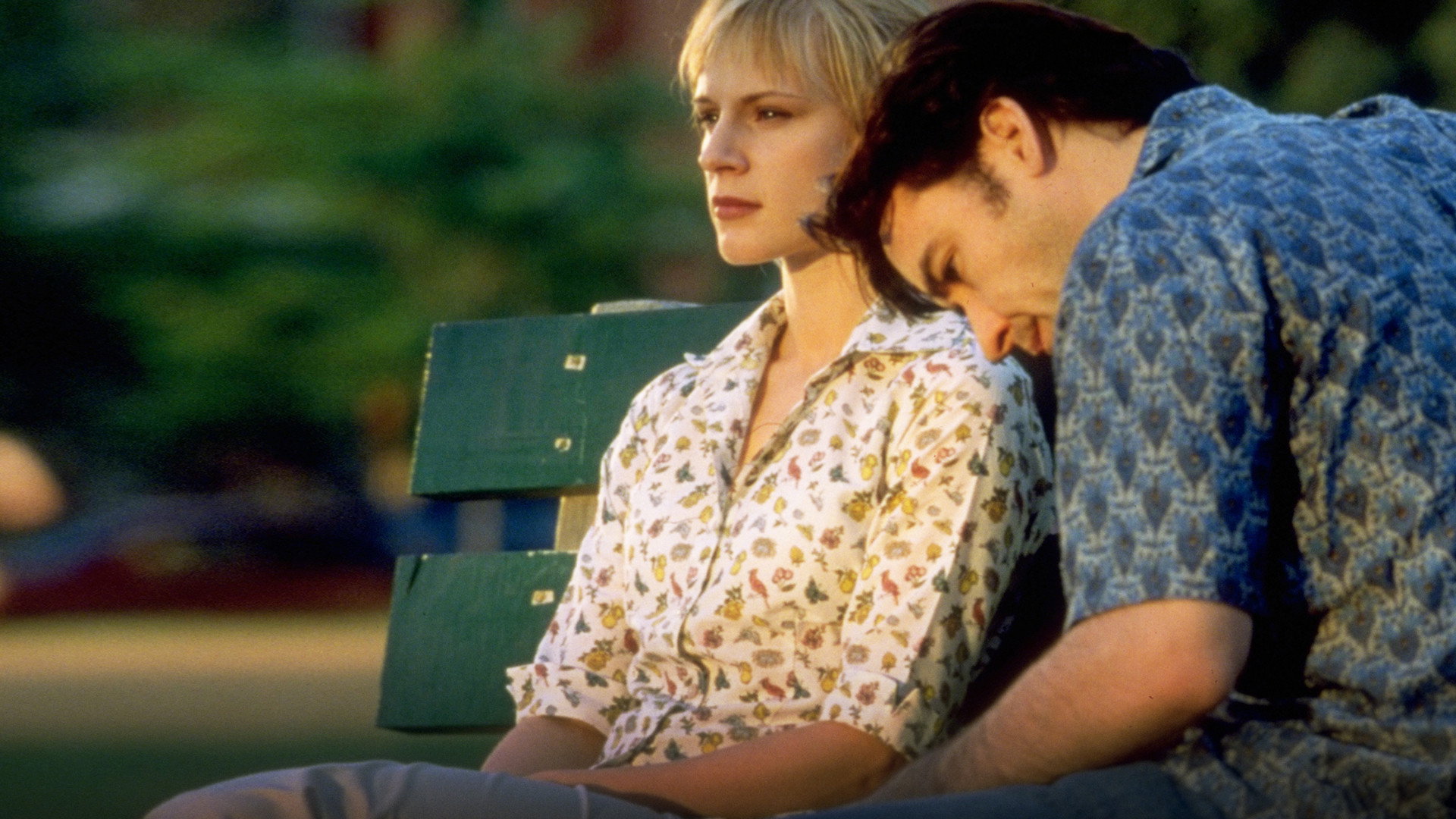
The screenplay, by Cusack, D.V. DeVincentis, Scott Rosenberg and Steve Pink, is less generous with the women. Iben Hjejle’s Laura belongs to a film so interested in Rob’s feelings that it gives her less comic room than the men around him. That matters in a romance asking us to think seriously about how people treat each other. The writing is alert to male self-absorption, but recognising the problem does not entirely excuse giving the self-absorbed man so much of the conversation.
Within romantic comedy, Frears finds a welcoming way to deal with people who might consider themselves too knowing for romantic comedy. The film lets them be funny and foolish without treating the wish for affection as another bad habit. At 113 minutes, it spends long enough with Rob for his limitations to become tiresome in places, but Cusack keeps the evening companionable. Watch it with someone willing to discuss the behaviour before debating the records.