Film review

Holy Motors

2012 · Directed by Leos Carax · 1h 56m · MPA NR

In a sentenceDenis Lavant does enough acting for an entire cast, and still looks as though he could cover the night shift

DramaFantasy

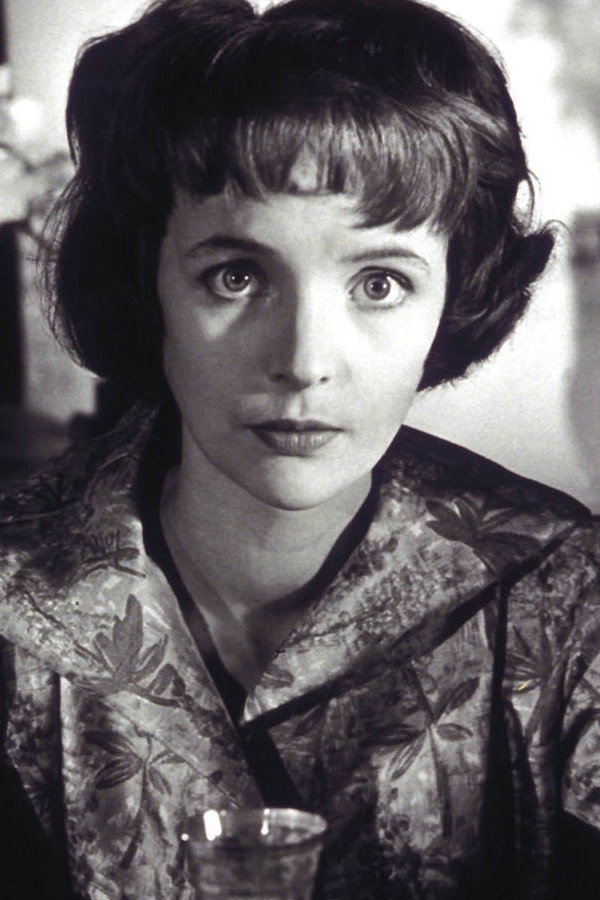
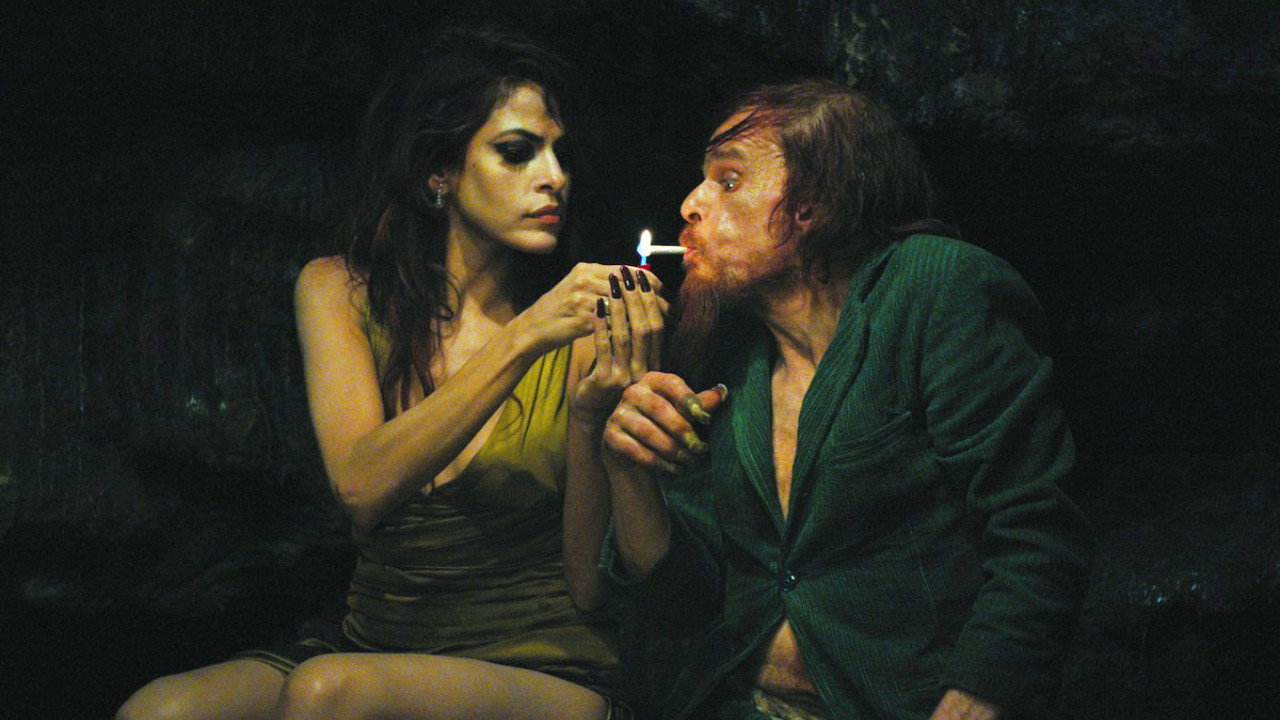
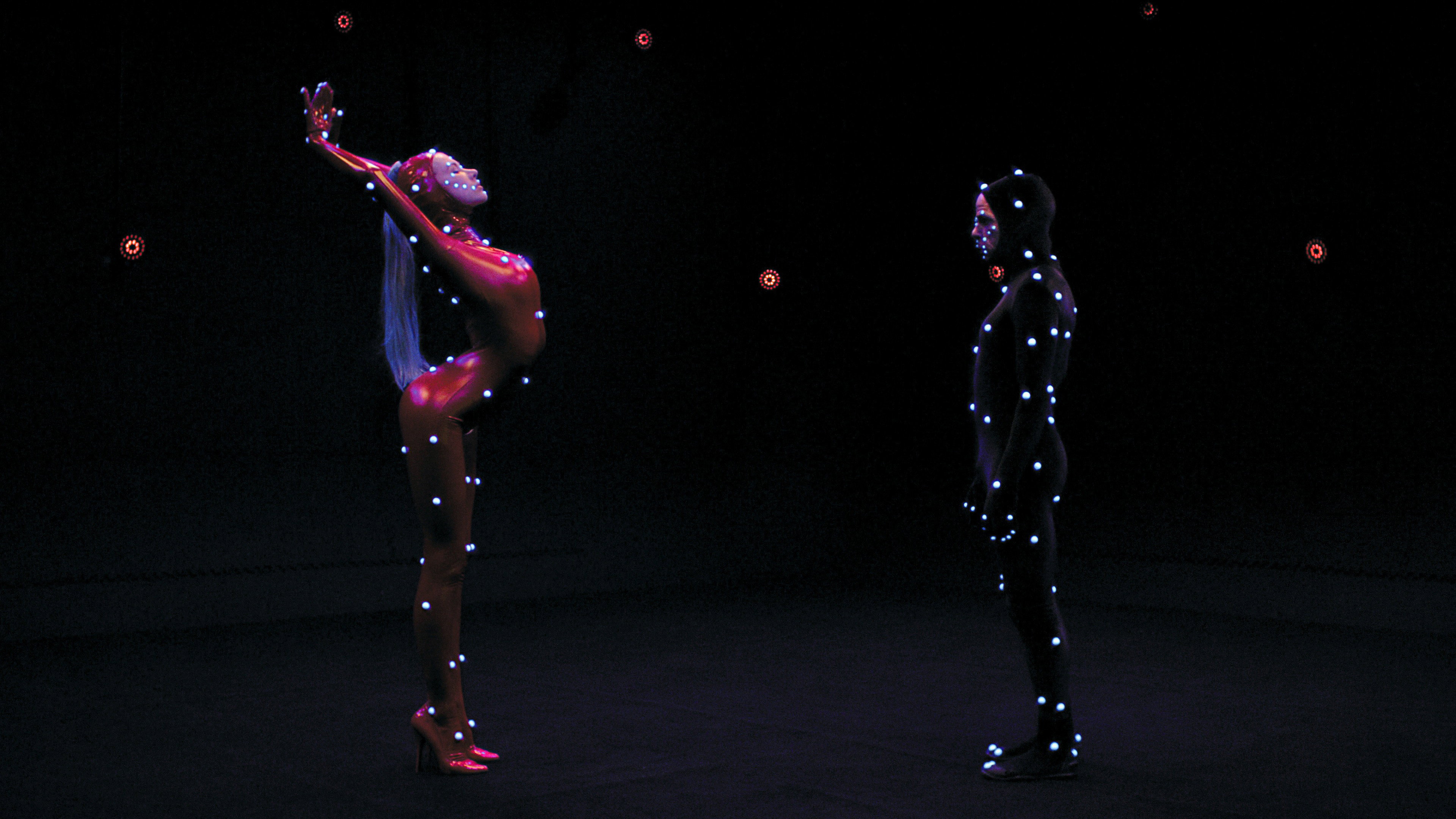
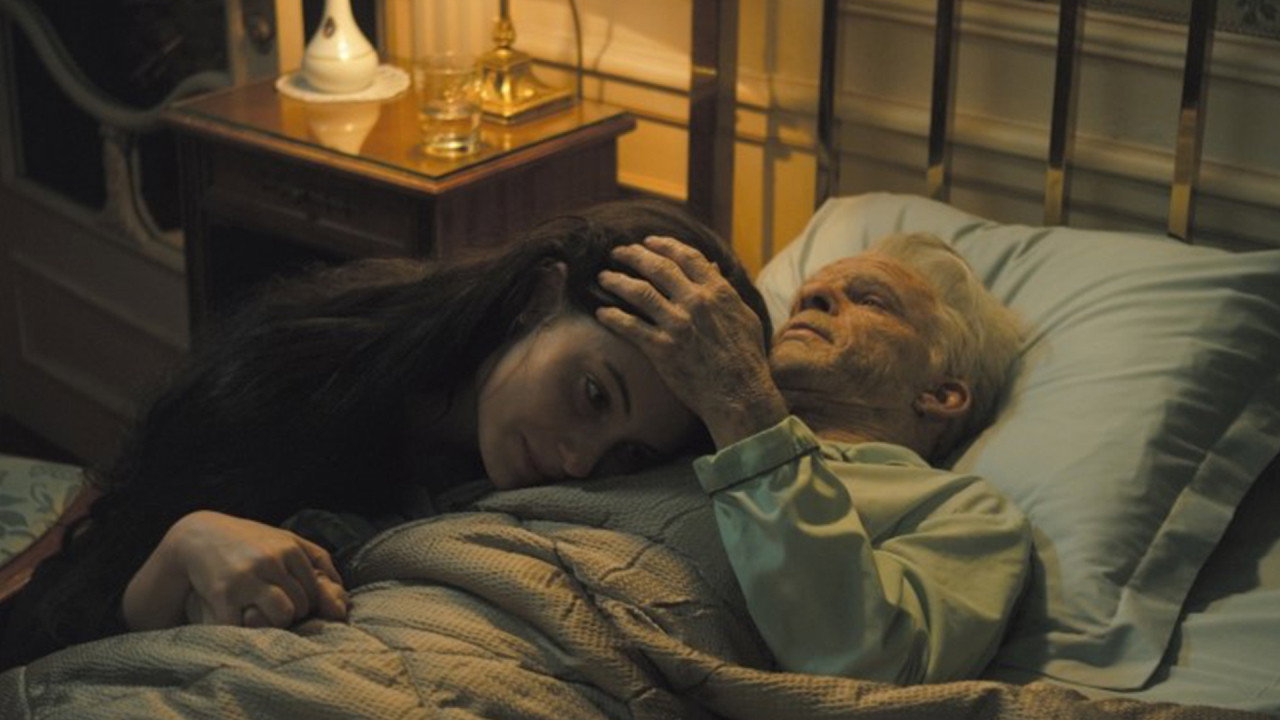
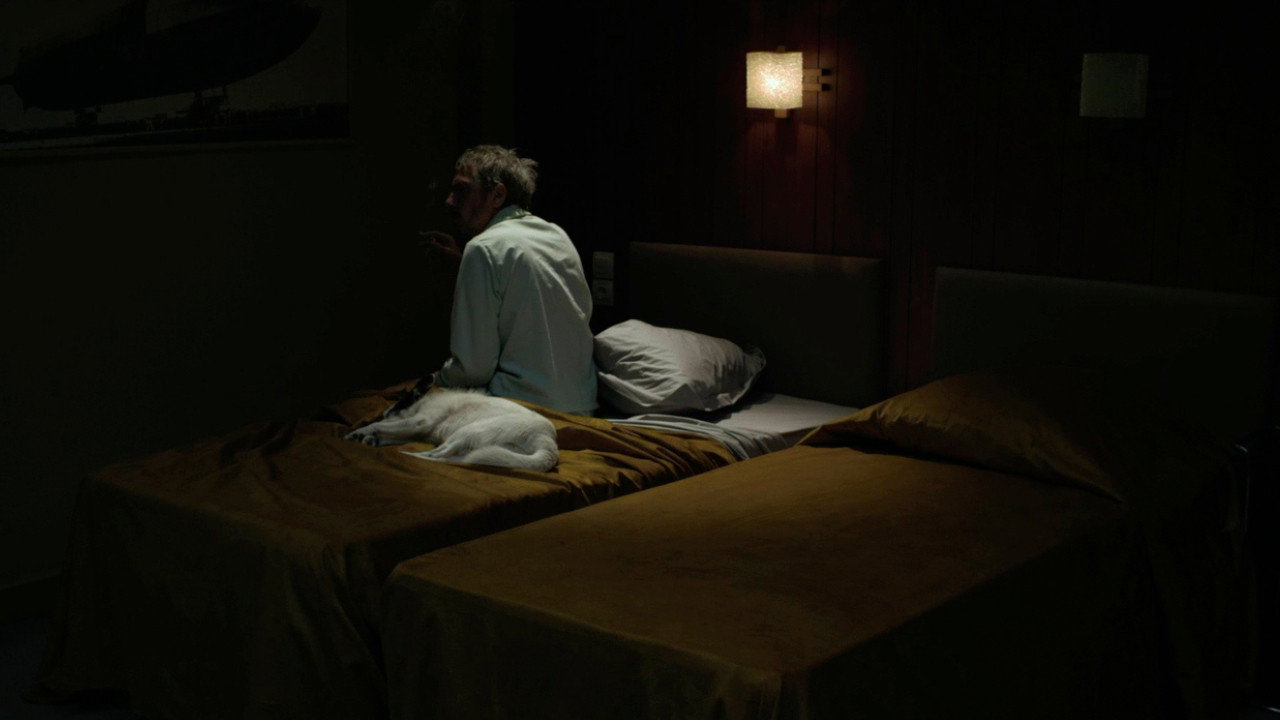
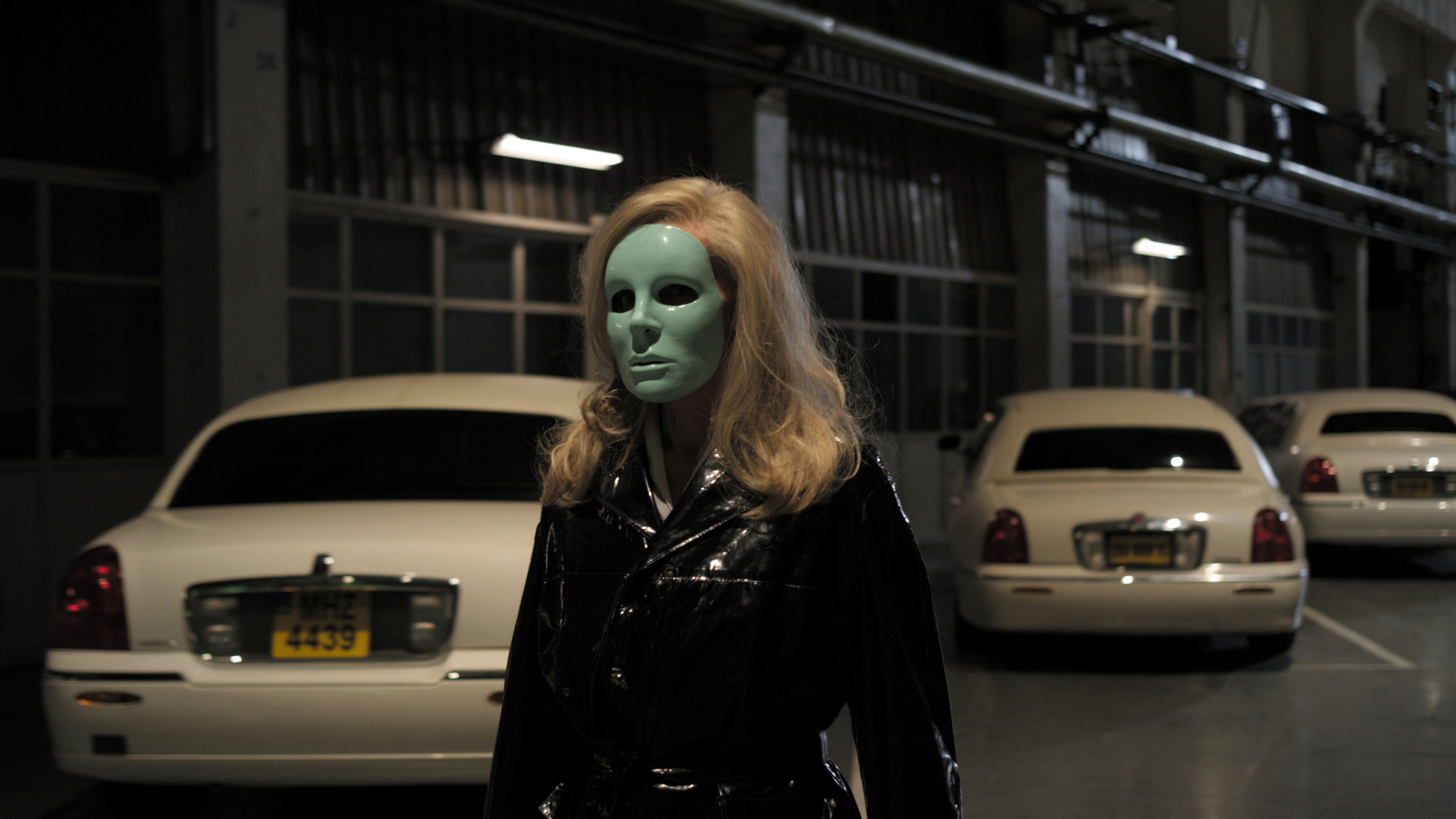
Denis Lavant plays a man who moves through a succession of identities, appearing as a banker, a beggar, a father, an accordionist and a killer. Each role brings a different situation and a different kind of story, with no settled boundary between a performance and a life. Édith Scob plays Céline, while Eva Mendes and Kylie Minogue appear as Kay M and Eva Grace. Written and directed by Leos Carax, Holy Motors follows its central character through these changes, shifting between drama, fantasy and comedy as he takes on one existence after another.

Plays from YouTube when you press play; nothing loads from them until then.

Fi1m review

Leos Carax’s strange, funny film is held together by Denis Lavant’s exhausting succession of characters. Some episodes linger and the women get less to do, but we warmly recommend its mischief and unexpected sadness.

Leos Carax’s Holy Motors is a funny, moving fantasy with a few stretches that need shortening. Its central pleasure is Denis Lavant, who takes on characters as different as a banker, a beggar and a father. Carax gives these performances separate episodes, allowing the film to change its habits whenever his leading man changes his identity. There is something generous about that willingness to start again, even if we occasionally wish the writer-director would spend less time on his latest idea.

Lavant gives each part a different physical demand, and the effort is visible even through the comedy. His banker and beggar belong to the same actor without seeming like demonstrations of the same trick. We felt tired on his behalf, because Lavant makes the business of continually becoming somebody else look like work. That weariness keeps the film close to ordinary experience: having another role to fulfil when we would prefer to stop for the day.

Caroline Champetier and Yves Cape’s cinematography is most persuasive when it lets us read that work in Lavant’s body. Our attention keeps returning to his posture and the way he occupies the frame. Florian Sanson’s production design helps the separate roles inhabit different surroundings, so the changes do not depend entirely on Lavant’s acting. We never have long to settle into these places, yet they have enough presence to make each departure feel like a disruption.

Nelly Quettier’s editing handles the changes of genre with an assurance that makes their abruptness enjoyable. We are asked to adjust quickly, and often the next episode is engaging before we have settled our questions about the last. Within the episodes, though, Carax can be slow to move on once we have understood the joke or situation. At 116 minutes, the film has room for detours, but a handful feel less rewarding the longer they continue.

Music provides the most welcome interruption. Neil Hannon’s contribution allows the film to be openly sad, without making us solve anything first. The accordion passage, with its noisy collective playing, made us grin: watching people do something together is enough. Such moments make Carax’s interest in performance feel affectionate, and give the film some warmth when its repeated changes might otherwise become tiring.

The women are less well served by the writing. Édith Scob, Eva Mendes and Kylie Minogue make their presence felt, yet none receives the freedom to keep changing that makes Lavant so absorbing. Carax is interested in the sadness of performance, but he gives his leading man much more room to express it than the people around him. That uneven attention limits how much we can care about these encounters beyond the leading man’s experience.

Carax uses the freedom of fantasy to move between kinds of film that usually keep their distance. The changes are often funny enough to enjoy without naming the references, and we would resist turning the evening into a test of film knowledge. A willingness to follow an actor matters more here than any preparation. Save it for a night when another change of direction sounds welcome.
Critical consensus AI synthesised

83
Positive
10
Mixed
1
Negative
1

Most critics respond warmly to Holy Motors, praising its surreal invention, humour and willingness to change course from one episode to the next. Denis Lavant’s performance is the clearest point of agreement: his transformations hold the vignettes together and give Carax’s exploration of acting an emotional centre. The favourable reviews find sadness and pleasure beneath the eccentricity, particularly in the film’s treatment of performance, identity and a life spent making cinema.

The spread is wide, though enthusiasm dominates. Reservations concern uneven episodes, obscure meaning and whether the constant reinvention leaves enough space for emotional involvement. Sight and Sound admires the energy but finds some scenes overlong and the female characters weak. Time Out is less persuaded, arguing that the vignettes lose their appeal and lack character development. Even the sceptical Evening Standard admires Lavant, suggesting that the performance wins agreement where the film’s peculiarities do not.

Little White Lies
27 September 2012 · 3/5/5 · David Jenkins
100

Carax has made a sublime and surreal ode to acting and moviemaking; Lavant's performance powers the film through its chapters, offering a window onto the joy and sadness of acting.

Read the full review →
The AV Club
17 October 2012 · A · Mike D'Angelo
95

The critic calls it the year’s most electrifying whatsit and a bravura, go-for-broke exploration that is thrillingly, defiantly alive, a glorious dream-epitaph contradicting its own mournful thesis. They single out its scene-by-scene reinvention and Denis Lavant’s chameleonic performance.

Read the full review →
Empire
6 September 2012 · Nick de Semlyen
90*

The critic calls Holy Motors a freewheeling, kaleidoscopic tale that redefines peculiar, with nothing about it that isn't weird, yet declares it a contender for the best of the year. It highlights the astonishing one-man-show performance by Denis Lavant and the film's exhilarating, audacious quality.

Read the full review →
The New Yorker
14 October 2012 · Richard Brody
90*

It is a film of extraordinarily youthful vigor and a paean to a life in the cinema, dramatizing age, loss, and the sacrifices of acting and filmmaking with astonishing precision and spontaneity.

Read the full review →
The Independent
29 September 2012
80*

The critic finds Holy Motors even loopier than its double-bill partner Looper, describing it as an anthology of genre pastiches that remains involving thanks to Denis Lavant's astonishing versatility. It is accessible and fun yet ambitious and stimulating, carrying genuine emotion amid its surreal exploration of identity and performance.

Read the full review →
Time Out
22 June 2012 · ★★★ · Mark Campbell
60

The film is idiosyncratic and stylised but makes no sense; vignettes work at first but fail later, lacking character development and emotional engagement despite pretty visuals.

Read the full review →

Cast

Stills

Awards

Sitges Film Festival Best Feature-Length Film award, 2012

Won
Sitges Film Festival Best Feature-Length Film award

If you liked this, try…

Persona poster

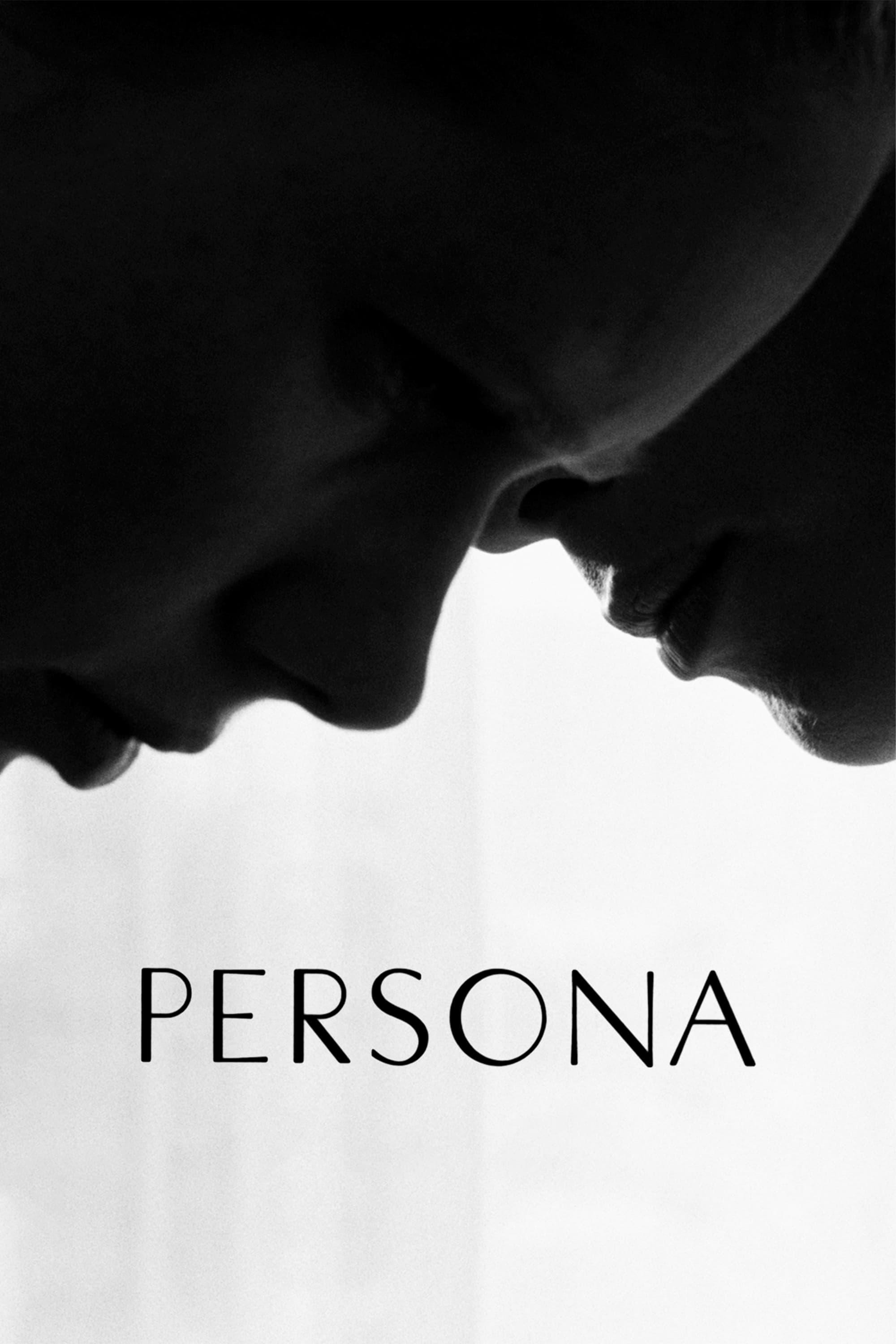
Persona

1966 · Two performers make uncertainty about identity feel intimate, awkward and frightening.

The Discreet Charm of the Bourgeoisie poster

The Discreet Charm of the Bourgeoisie

1972 · Another straight-faced comedy that allows dreams to interrupt perfectly respectable behaviour.

All That Jazz poster

All That Jazz

1979 · For the physical exhaustion beneath the pleasure of putting on a show.

After Life poster

After Life

1998 · A gentler look at how performances preserve the lives we have lived.

The Congress poster

The Congress

2013 · Another uneasy fantasy about acting, identity and what technology takes from performers.