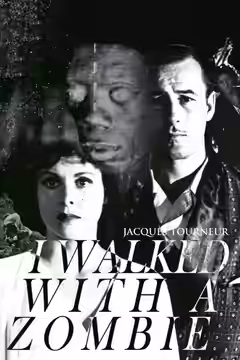
Jacques Tourneur makes an island mystery frightening through shadow, music and patient looking. The dialogue can be stiff, but the sadness gives this compact horror film an uncommon hold on us.
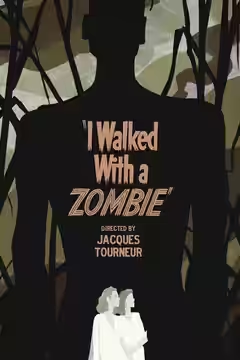
I Walked with a Zombie is a fine horror film with a few stiff conversations standing between us and its considerable power. Jacques Tourneur is interested in how long we can look into darkness before we begin to suspect it contains something. He also makes room for grief, which gives the fear a sadness beyond the immediate threat. The film runs 69 minutes, and its quietness demands more attention than that modest length might suggest.
Produced by Val Lewton, the film draws on Jane Eyre, though recognising the connection is hardly a condition of enjoying it. Curt Siodmak and Ardel Wray’s screenplay places love, death and the ability to choose alongside the possibility of supernatural control. These concerns give the horror an unusual seriousness, although the writing sometimes becomes solemn about things the images have already made disturbing. When the dialogue spells out the characters’ troubles, we want it to leave them alone for a while.
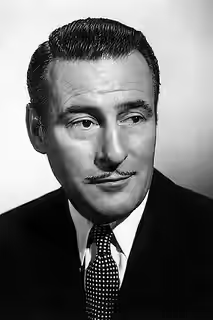
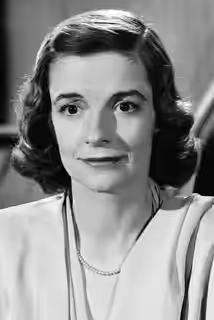
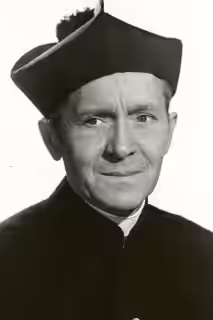
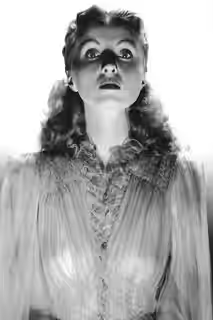
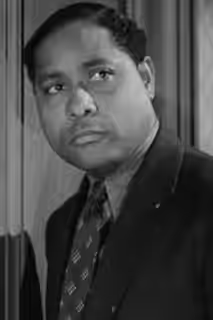
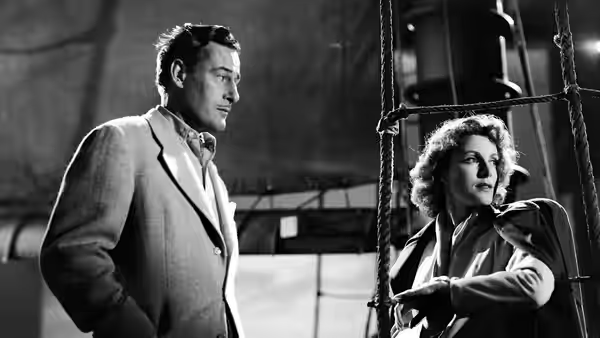
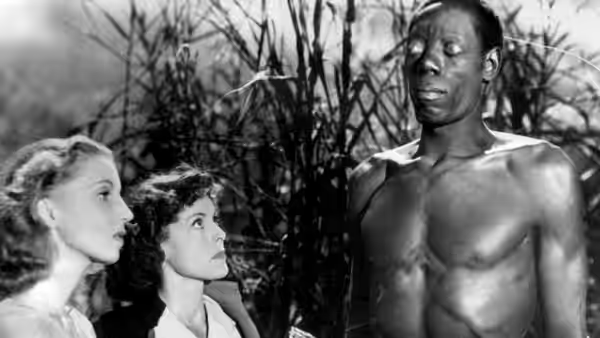
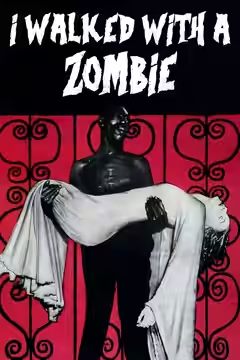
Frances Dee gives Betsy Connell enough steadiness to keep the mystery from becoming a collection of ominous poses. Tom Conway, as Paul Holland, is well suited to the prevailing gloom, though his gravity also exposes how little variety some exchanges have. The performances occasionally feel held in position, waiting for the next unsettling image to arrive. Darby Jones’s Carrefour needs far less explanation to trouble us.
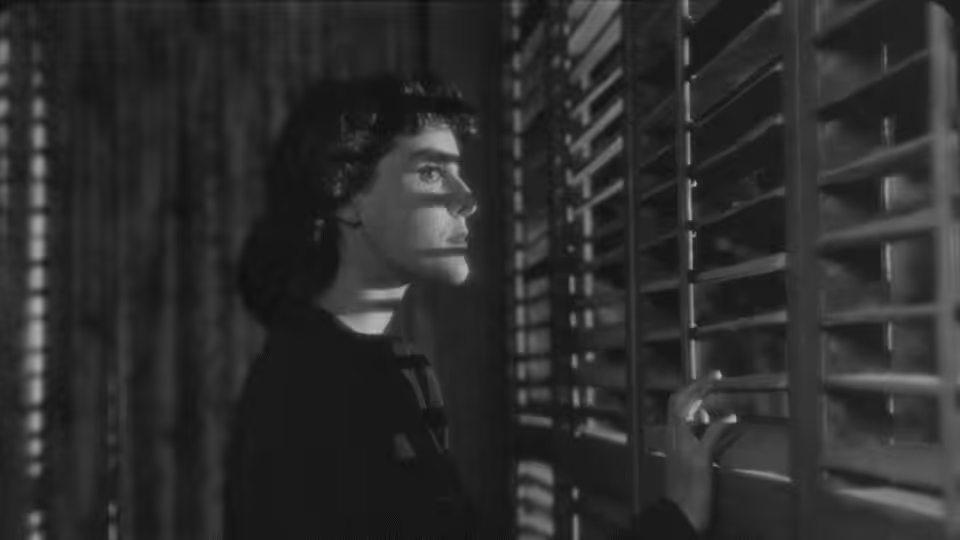
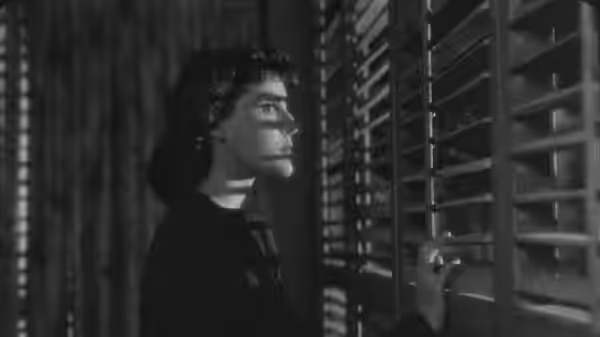
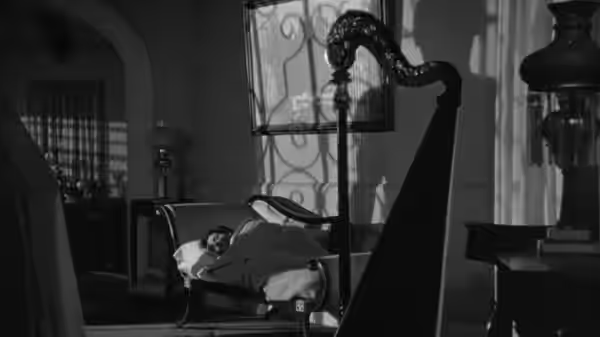
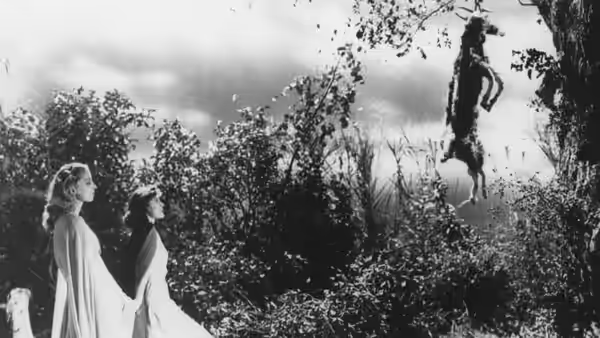
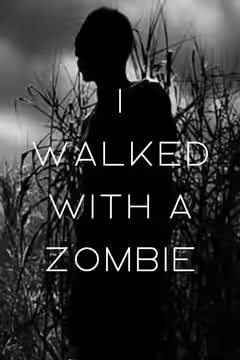
J. Roy Hunt’s cinematography makes darkness difficult to look away from: the shadows have such firm edges that we start studying them for movement. During the walk through the cane fields, the setting becomes frightening without losing its recognisable shape. We were frightened by that passage, because there is enough visible space to keep searching and too little light to feel certain of what we see. Tourneur gives us time to worry about it.
Mark Robson’s editing is most effective when it allows that uncertainty to last, rather than hurrying towards an answer. A film this short can still afford to let us wait, and the pauses give us time to examine the darker corners of the picture. Roy Webb’s music strengthens the unease without making the mystery feel any easier to solve. It is an effective accompaniment to images that already have us looking for trouble.
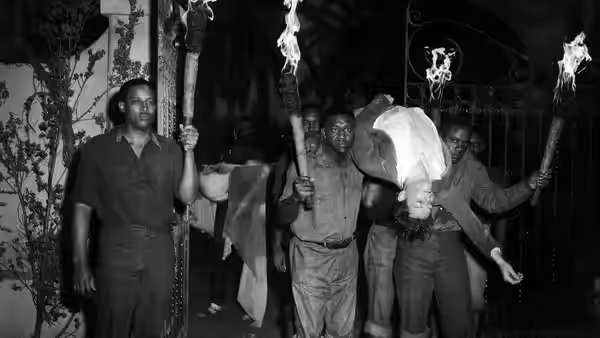
The treatment of voodoo matters to how seriously we take the fear. Tourneur allows religious belief a dignity that horror often discards once it has acquired some useful frightening images. The colonial setting also makes the question of who can control another person’s life uncomfortable beyond the immediate mystery. There is room to question how much the island’s people get to speak for themselves, but the film takes their beliefs seriously enough to leave us uncertain.
Anyone looking for a succession of attacks may find this subdued, and the heavier dialogue does occasionally interrupt the spell. Its strongest passages ask us to watch a place until we no longer feel comfortable in it, which requires a little patience and rewards close attention. Choose it for an evening without interruptions; the cane fields deserve more than a glance between conversations.