Brad Bird makes a funny, deftly staged family adventure whose parenting troubles are more engaging than its villain. The familiar plotting is a limitation, but Holly Hunter and the physical comedy keep it lively.
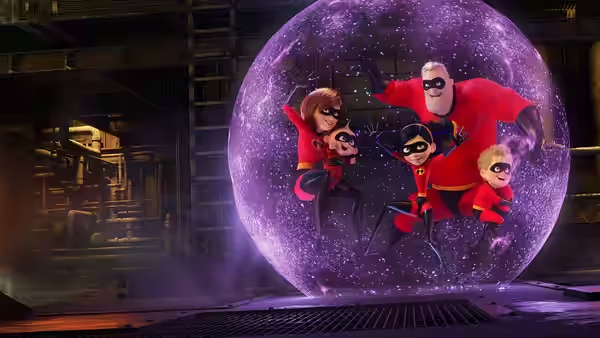
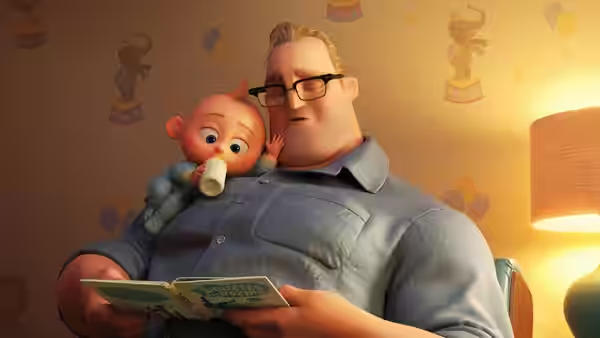
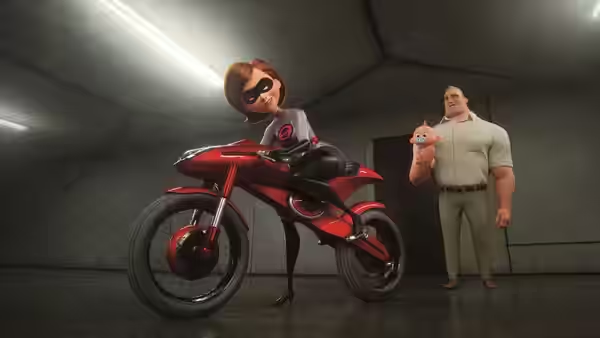
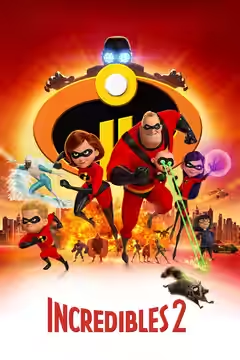
Brad Bird gives Incredibles 2 a useful change of routine: Helen takes on the superhero work and Bob looks after the children. The pleasure comes from watching people who already know each other discover how much they have underestimated each other’s jobs. It is a funny, assured family adventure, and we recommend it with a warning about the familiar villain plot. Bird, who also writes, is much better at making the domestic arrangement awkward than at making the danger surprising.
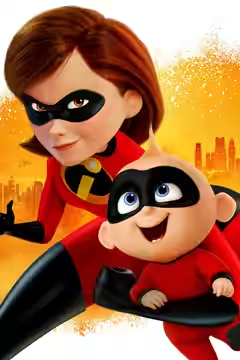
Holly Hunter gives Helen warmth, impatience and an audible enjoyment of the superhero work. She sounds pleased to get on with the job, and avoids turning every line into a declaration of independence. Craig T. Nelson makes Bob’s difficulties at home funny without making the children seem like punishment. His heroic confidence is poorly suited to the childcare, but Nelson keeps enough affection in his voice for Bob’s efforts to remain endearing even when the joke is familiar.
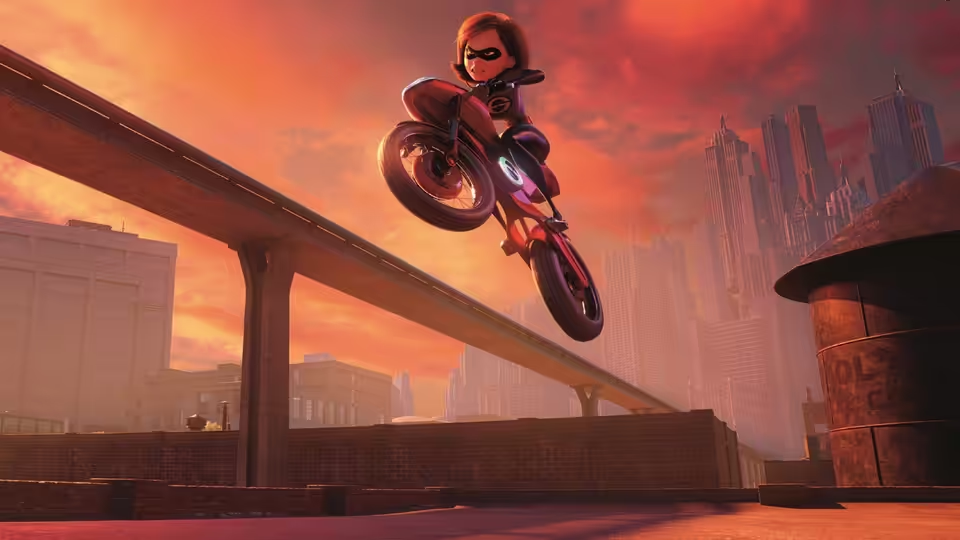
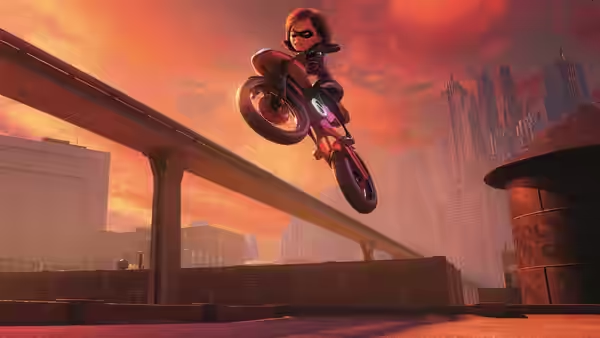
Mahyar Abousaeedi and Erik Smitt’s cinematography makes the action easy to follow, even when Helen’s body is doing things that would defeat a live-action stunt team. The runaway-monorail rescue is a good example: the pleasure lies in following her changing solutions to a clear physical problem. Bird builds the scene around what Helen can do, and her movements keep producing ideas. Stephen Schaffer’s editing gives each manoeuvre enough time to register before moving to the next.
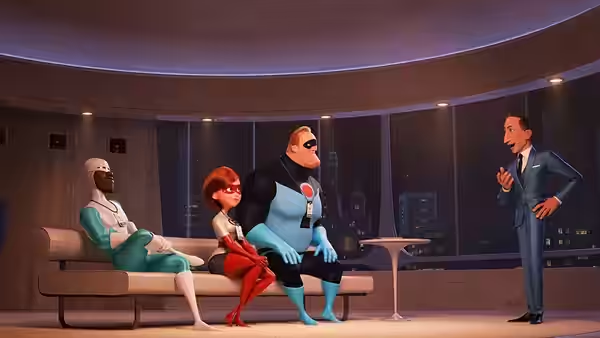
Ralph Eggleston’s production design gives the movement a clean, retro-modernist setting. The surroundings have enough character to remain interesting when nobody is saving anybody, which matters in a film that spends so much time with a family. Michael Giacchino’s music keeps the action buoyant, although it makes less of an impression than the images it accompanies. The visual style also helps hold the domestic comedy and the superhero rescues together, without making either feel as though it belongs in a different film.
Jack-Jack’s encounter with a raccoon shows how well Bird can organise a gag. We laughed aloud at it: a baby and a raccoon make a welcome change from adults taking superhero business seriously. Bird allows the ridiculous situation to develop before adding another complication, and knows when to stop explaining and let the movement carry the joke. The sequence needs no help from the larger plot, and its small scale makes the care taken over it especially pleasing.
Bird’s writing is less inventive once the villain plot takes over, and the predictable turns keep the film from being as satisfying as its action. The ideas about family duties can also arrive with more explanation than the scenes need, as though we might otherwise miss the point of Bob’s difficulties. By superhero standards, though, such clear staging and such pleasure in physical movement remain worth having. At 118 minutes, it could stand a trim, particularly where the story insists on explaining itself. We would choose it for a family evening, provided nobody is expecting the villain to be the main attraction.