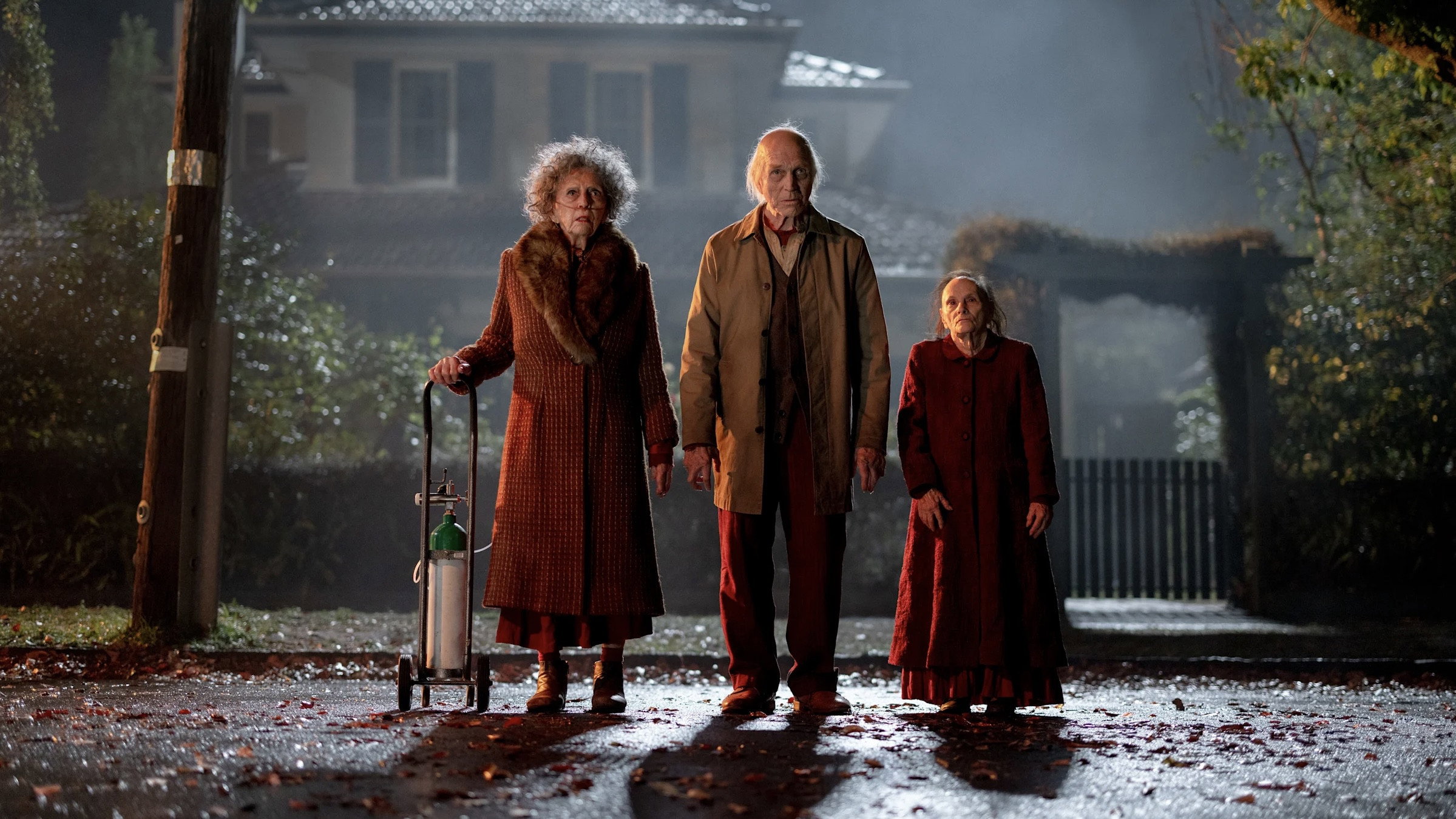
Jacob Chase gets useful scares from sofa cushions and dental work, but Insidious: Out of the Further cannot keep its family story moving. Amelia Eve deserves more than another round of supernatural explanations.
Insidious: Out of the Further has two useful ideas for a horror film: make a pillow fort frightening, and make a dental appointment worse. Jacob Chase finds enough in those situations to give this uneven ghost story a few proper scares. The trouble is everything required to connect them, especially the explanations that slow an already familiar story. Bringing in a largely new set of characters ought to give the haunting a fresh start, but the film spends too much time on supernatural rules to make their troubles matter.
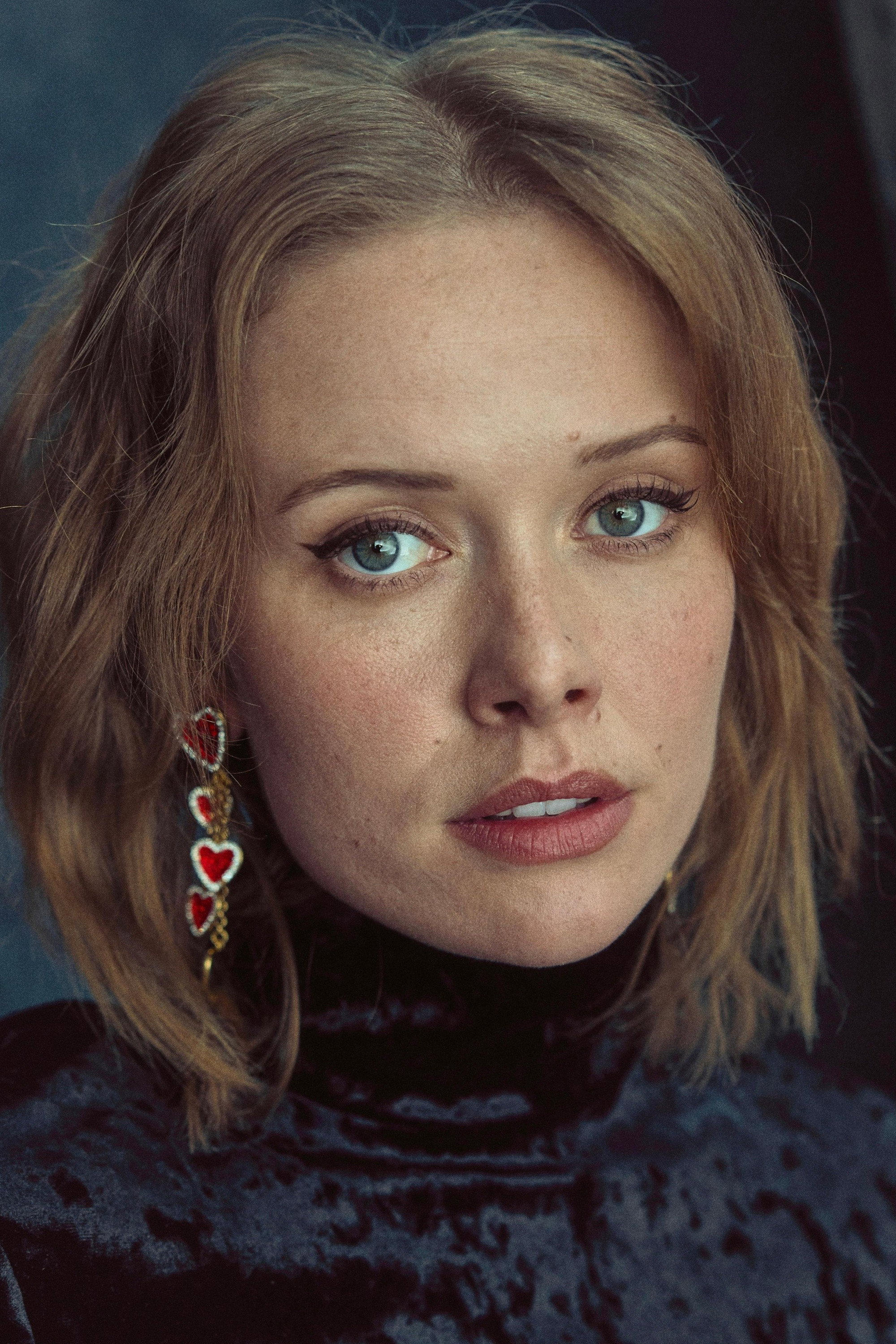
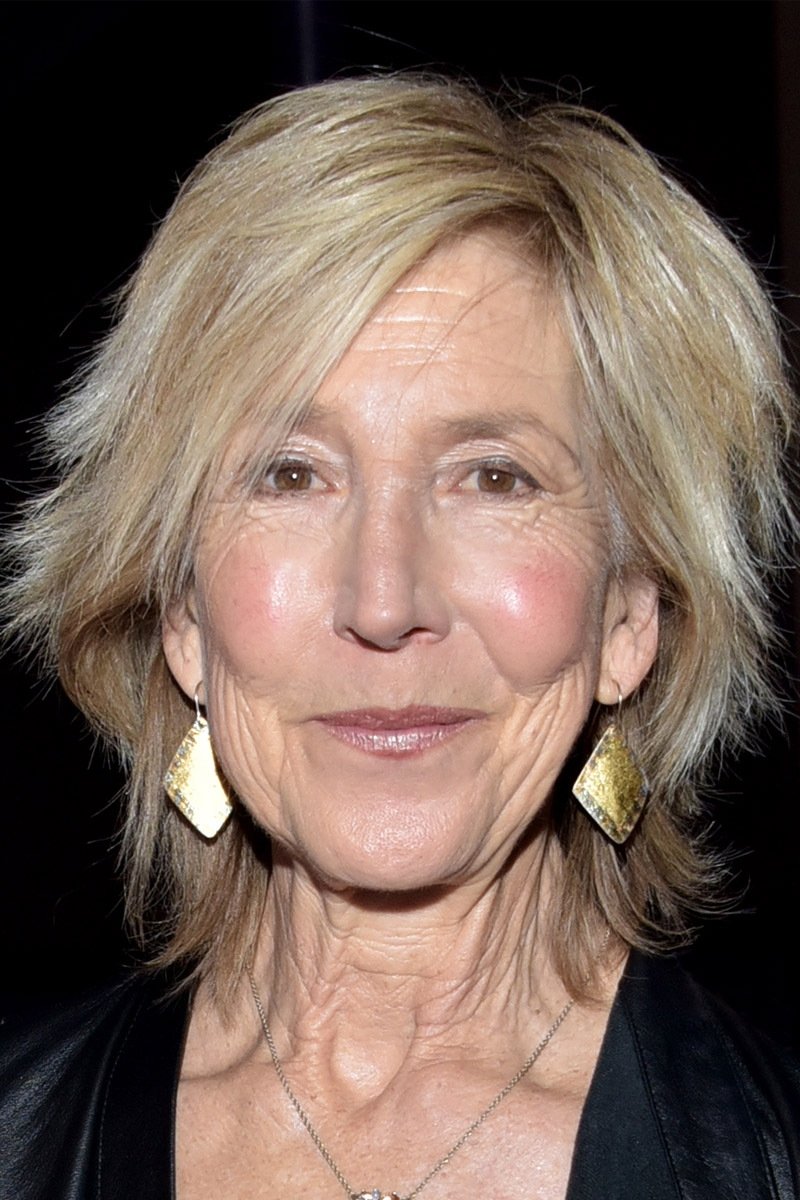
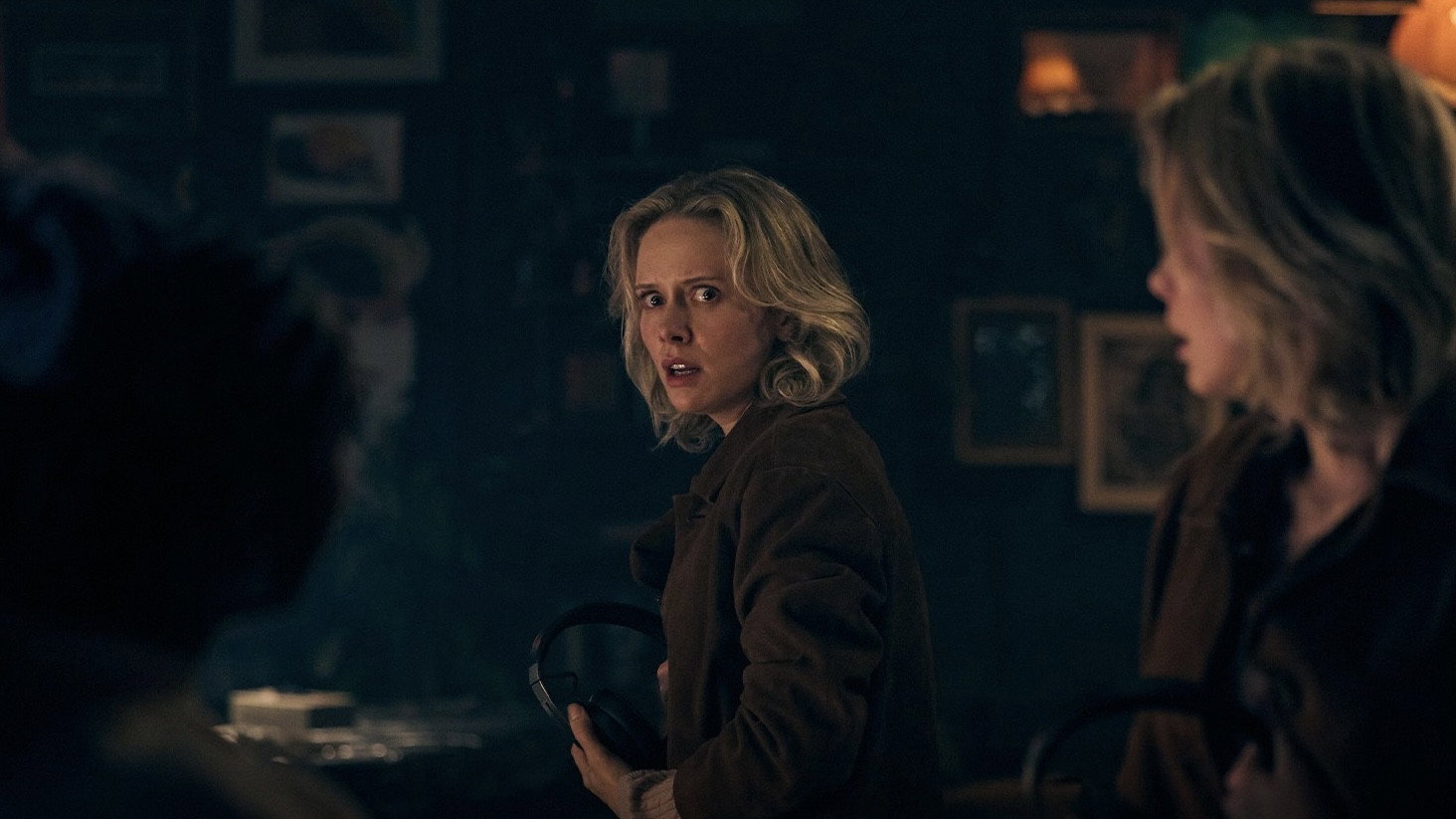
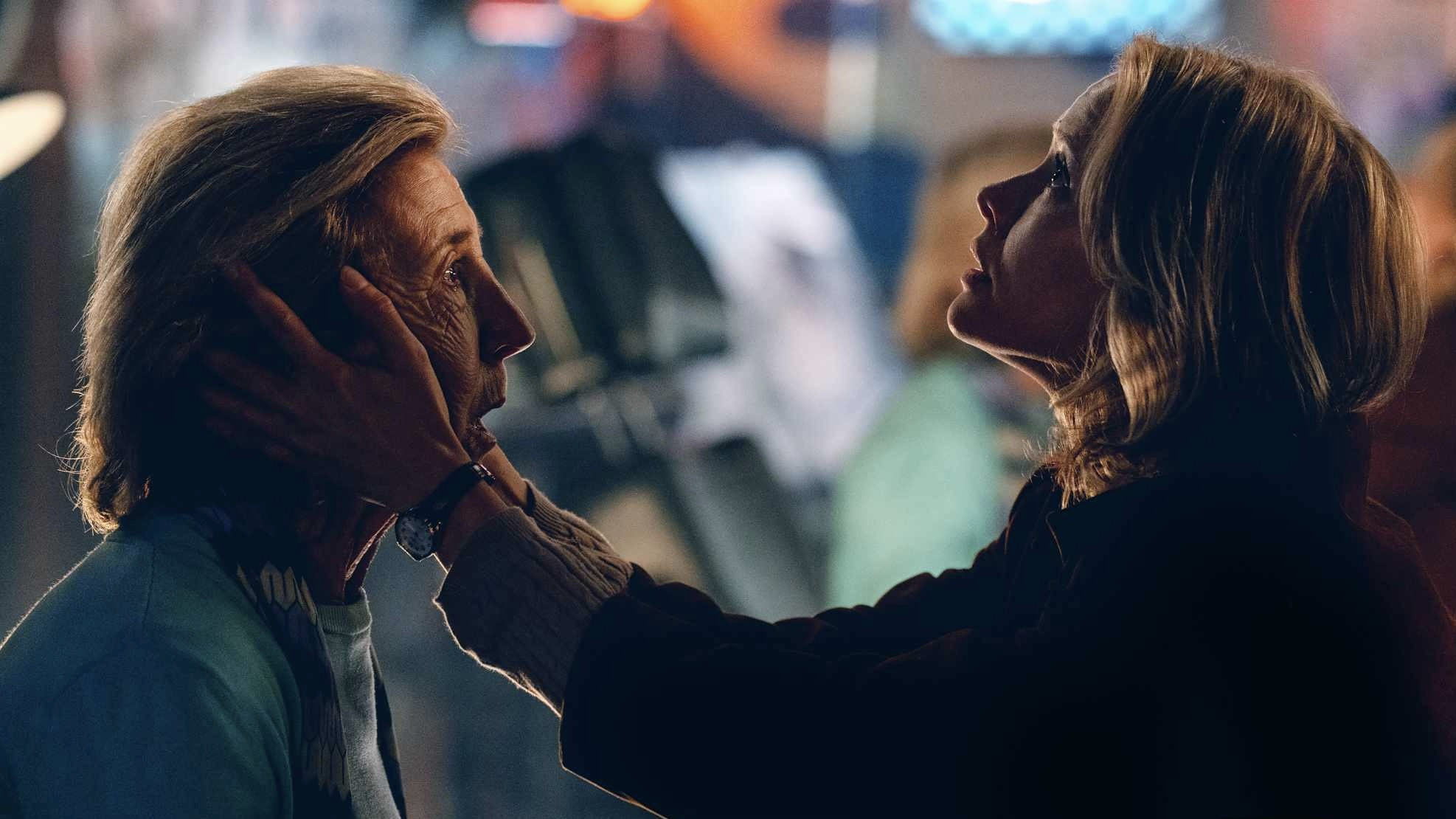
The mother-and-daughter story gives Chase’s screenplay a reason to care about who is being frightened. Amelia Eve, playing Gemma Hall, supplies more feeling than the plotting earns, and the family material occasionally makes the danger feel personal. Yet the connection between inherited trauma and the haunting remains underdeveloped. We need time with these people, and too often we get another explanation of what the Further can do instead. Lin Shaye is a reassuring presence as Elise Rainier.
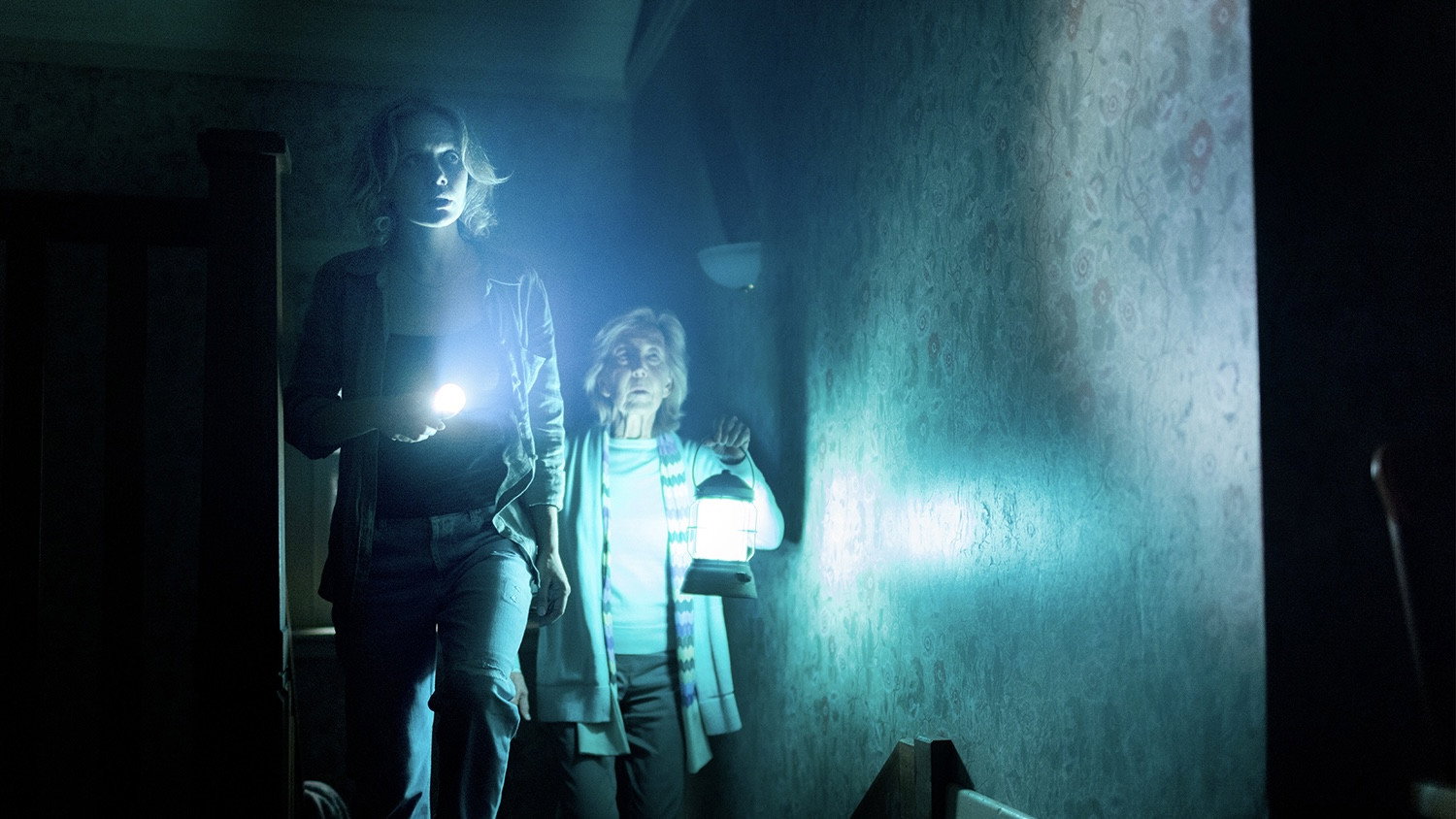
The pillow fort is where the film earns our attention. Nick Bassett’s production design turns sofa cushions into a labyrinth, and Dave Garbett’s cinematography makes those confined spaces oppressive enough to overcome the absurdity of being frightened by upholstery. We felt trapped during that sequence, because the soft barriers offer none of the reassurance they should. Chase understands how quickly a childhood refuge can become unpleasant when there seems to be no easy way through.
The dental horror works for a similarly simple reason. There is little persuasion required to make that setting uncomfortable, and Chase does not waste the opportunity. The sound design gives these scenes a physical unpleasantness that the more crowded supernatural material struggles to match. Joseph Bishara’s music helps the shocks land, and the combined effect is properly nasty.
Anna Rottke and Gregory Plotkin’s editing is surer within the set pieces than across the film. There is care in the timing of individual shocks, followed by a middle stretch that seems to take longer than it should to reach the next one. At 106 minutes, this ought not to feel so sluggish. Chase’s screenplay keeps asking us to absorb more information, and the later complications leave us struggling to care about who is in danger.
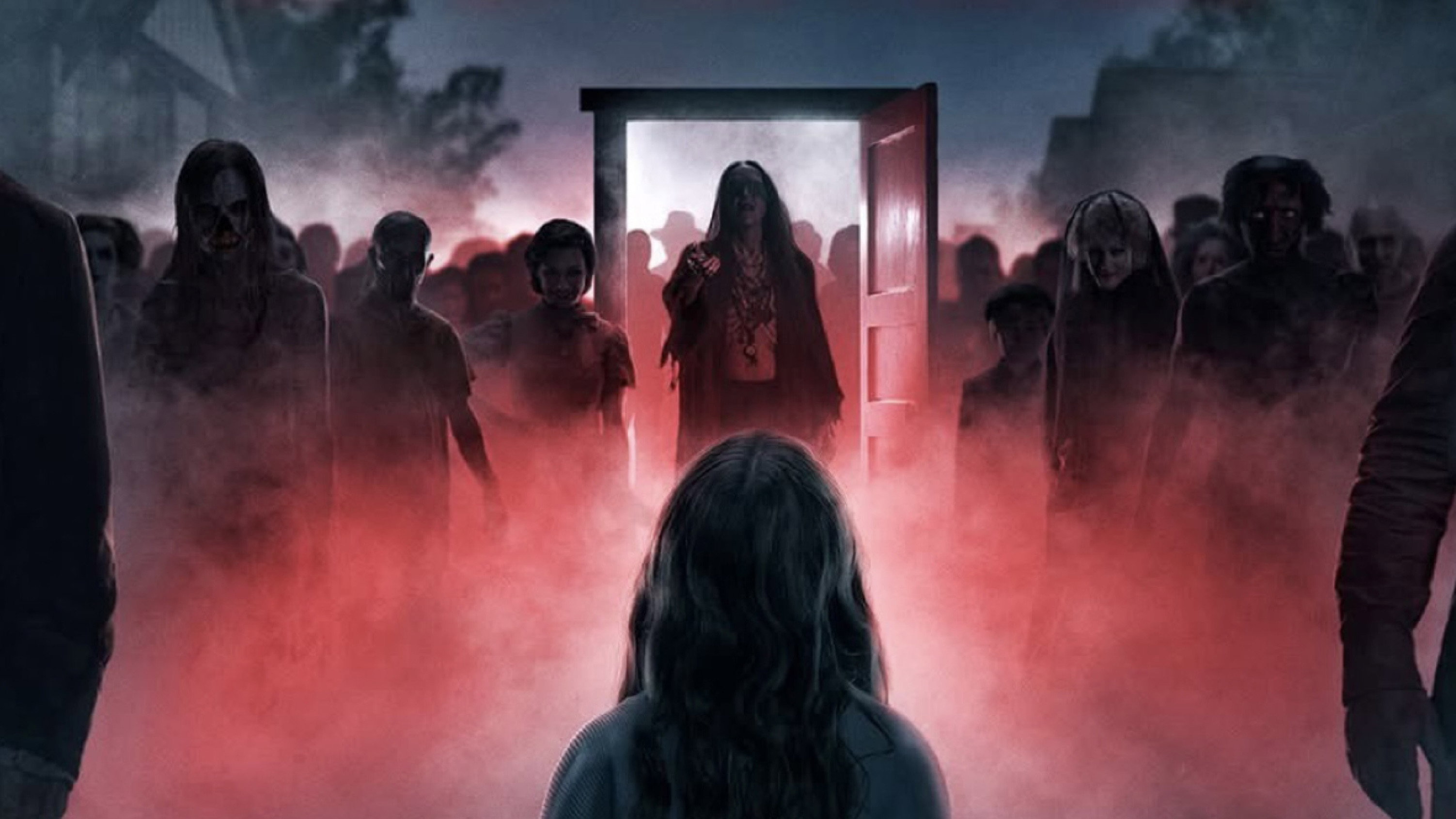
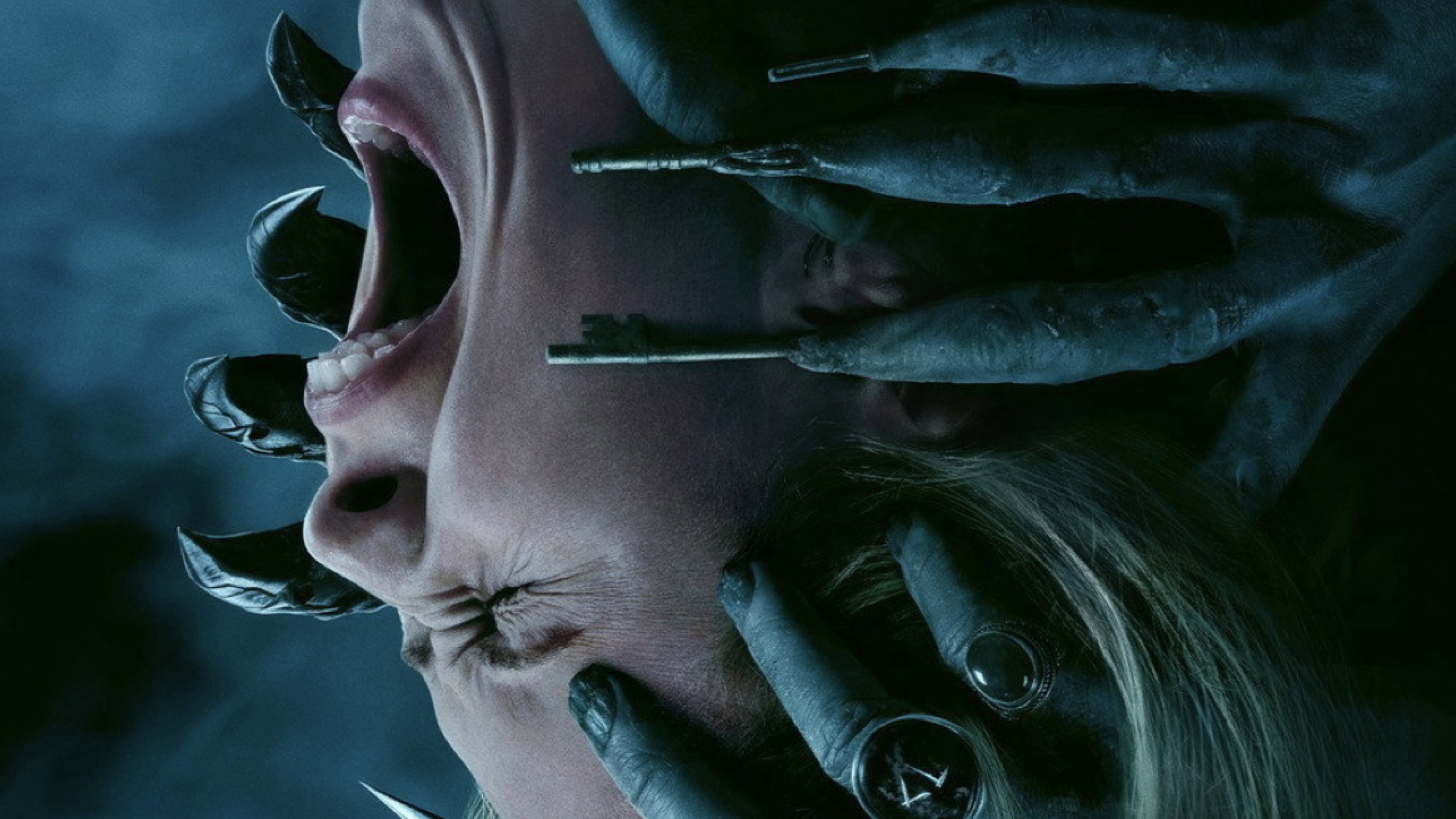
The demons are a problem, too. Their costumed appearance can be amusing, and there is room in this sort of horror for something cheerfully ridiculous. Here, though, their sheer number reduces the intimacy that the family scenes need. The effects are too unconvincing to make us worry much about what these creatures might do.
For a haunted-house film, predictability need not be fatal: there is plenty of fear in knowing what might be waiting beyond a familiar door. Chase is inventive enough with the furnishings to suggest he could have sustained something leaner. The series’ appetite for explanation gets in his way. Give this a miss unless a few carefully arranged shocks are enough to carry an evening.