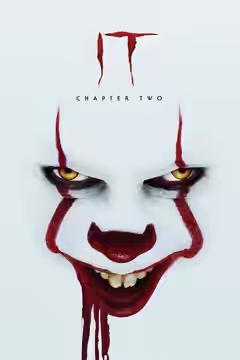
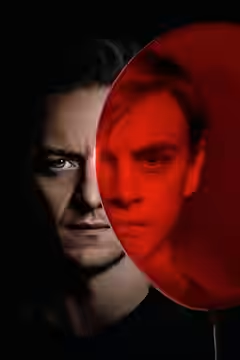
Bill Hader and Bill Skarsgård give this overlong homecoming some wit and menace. But repetitive scares and badly timed jokes leave Andy Muschietti’s sequel struggling to justify its 169 minutes.
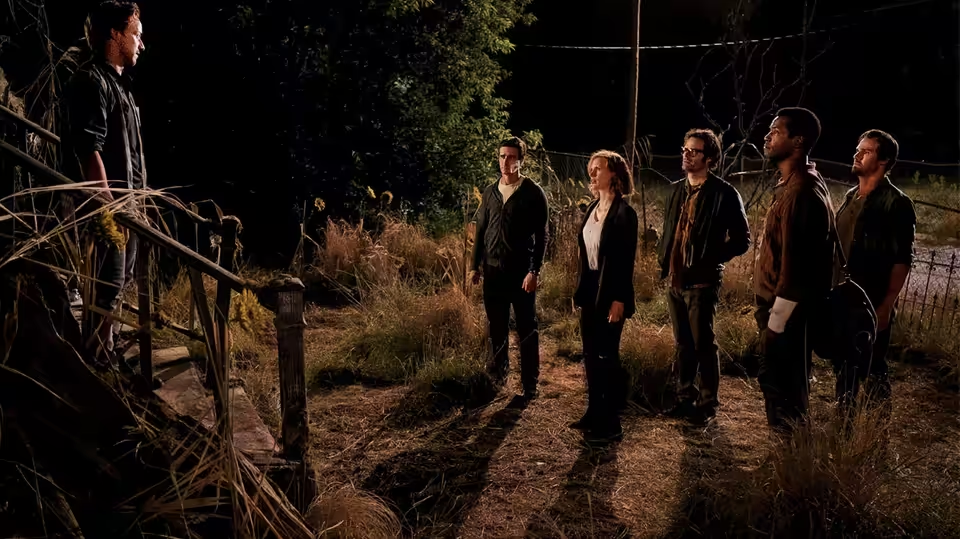
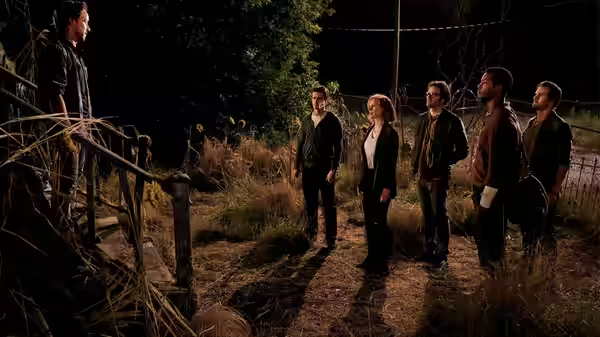
Andy Muschietti wants the return of the grown-up Losers’ Club to carry the weight of everything they have failed to leave behind. It is a sound reason to make a horror sequel, and It Chapter Two has actors capable of making those old fears hurt. But this is a disappointing, overextended film, repeatedly breaking its own suspense with jokes and working through too many similar scares. Its 169 minutes allow plenty of time to notice the repetition.
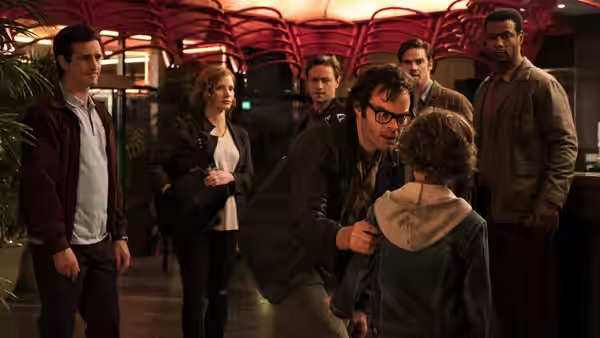
Bill Hader gives Richie Tozier the mixture of humour and distress that the film needs. The jokes suggest a person trying to get through something unpleasant, and there is feeling beneath them without a demand that we stop and admire it. James Ransone, as Eddie Kaspbrak, is another welcome presence, making the reunion feel less solemn and more human. Together they help us care about a group whose history can otherwise feel like homework.
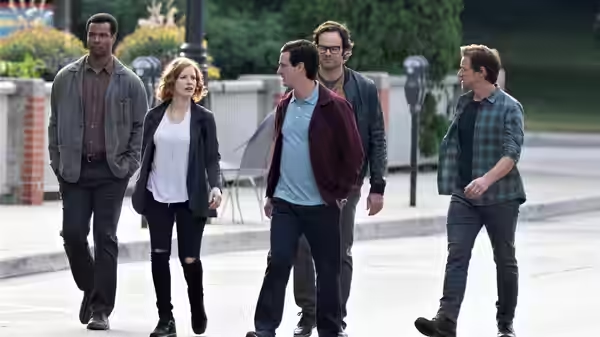
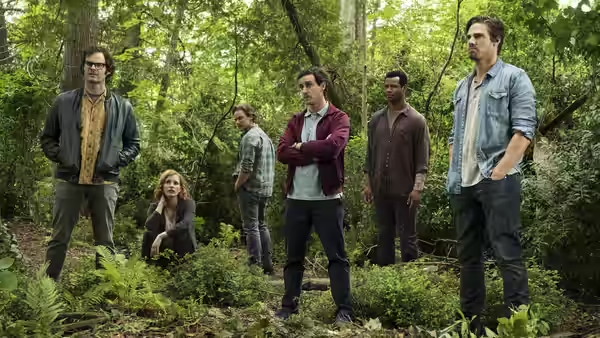
Jessica Chastain brings conviction to Beverly Marsh’s fear, even when the film around her becomes excessive. James McAvoy, as Bill Denbrough, helps give the reunion seriousness, though the adult ensemble does not always convince as people with a shared past. The repeated returns to childhood are affecting in places. They also make it harder for the grown-up cast to establish a sustained rhythm together.
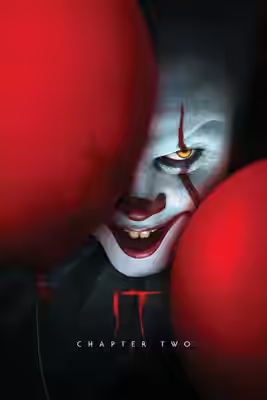
We were uneasy watching Bill Skarsgård work beneath Pennywise’s greasepaint. His performance makes the clown feel sufficiently wrong before the digital transformations start competing for our attention. Those effects are inventive, but their extravagance often makes the danger easier to dismiss, and the jump scares become tiring. There is a frustrating amount of effort spent amplifying a performance that already knows how to frighten us.
Checco Varese’s cinematography gives the quieter passages a controlled, watchful quality; the faces hold our attention better than the digital creatures. Paul Denham Austerberry’s production design helps those passages feel credible enough for the actors’ fear to register. The film is carefully made, and the images remain worth looking at when the scares stop working. Benjamin Wallfisch’s score presses hard on the horror, adding to the exhaustion when a scene is already crowded with effects. Some quiet would help.
Jason Ballantine’s editing has the difficult job of moving between ages while keeping a large ensemble in play. Individual passages have energy, but the repeated pattern of fear, spectacle and comic relief becomes predictable. The screenplay by Gary Dauberman and Jason Fuchs keeps returning to familiar emotional business without finding enough new pressure to put on it. By the middle, we were bored by scares whose timing had become so easy to anticipate.
For horror about childhood fears surviving into adulthood, the interruptions are especially damaging: we need to spend longer with the people when they are frightened. The cast can supply the attachment, but the film keeps hurrying on to another attraction despite its length. Those already fond of the Losers’ Club may find enough pleasure in the reunion. Come mainly for sustained dread and the patience required is much harder to justify.