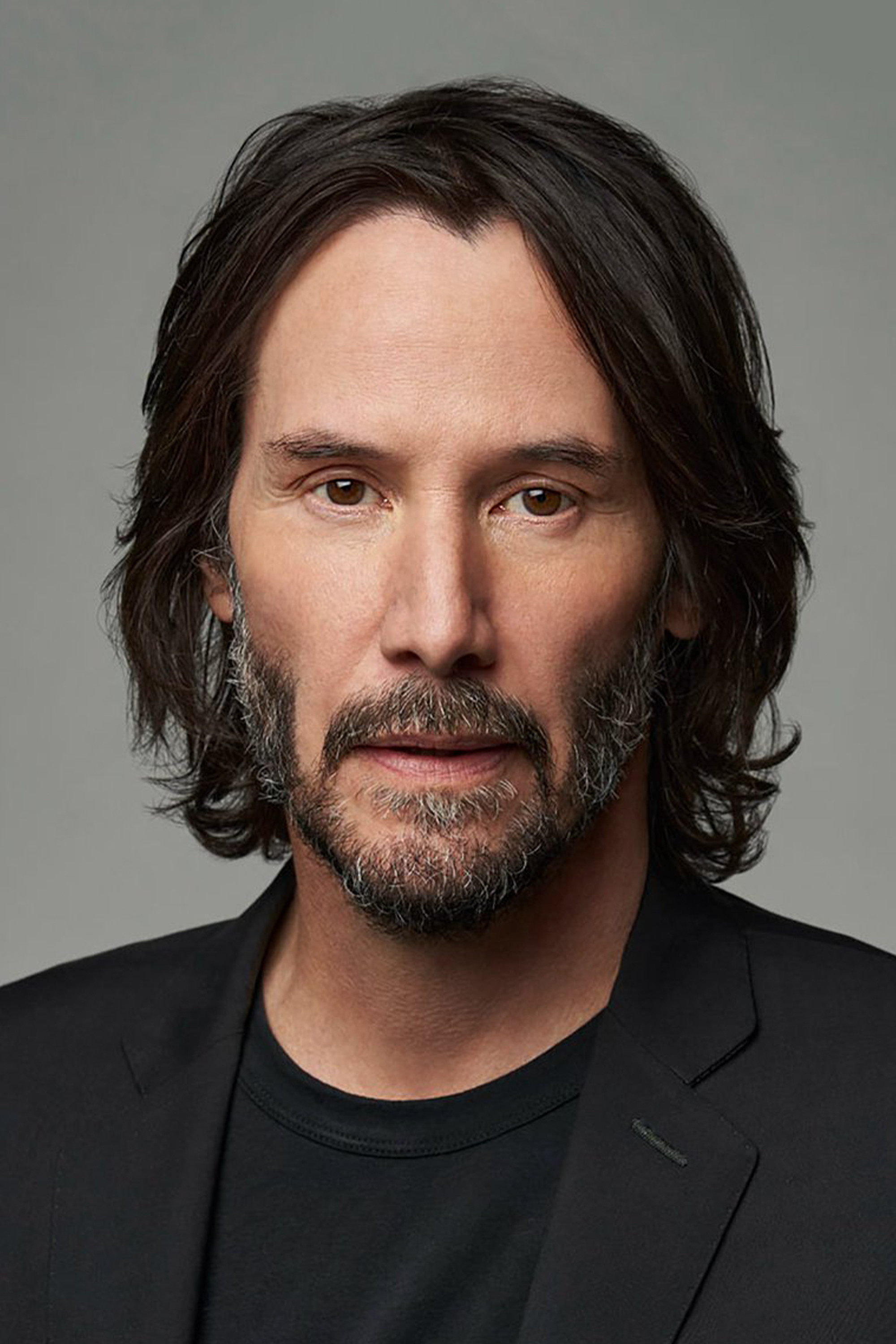
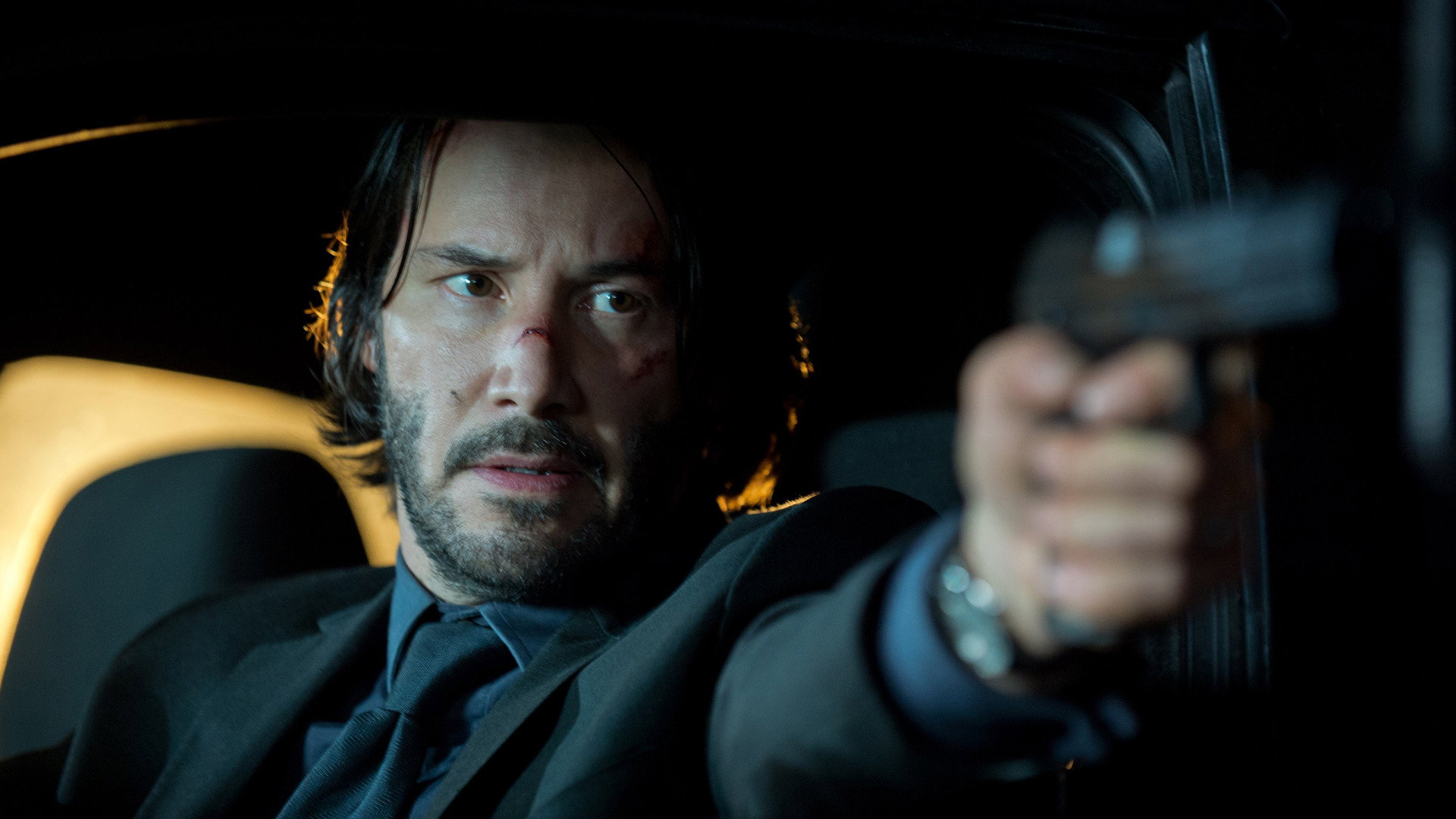
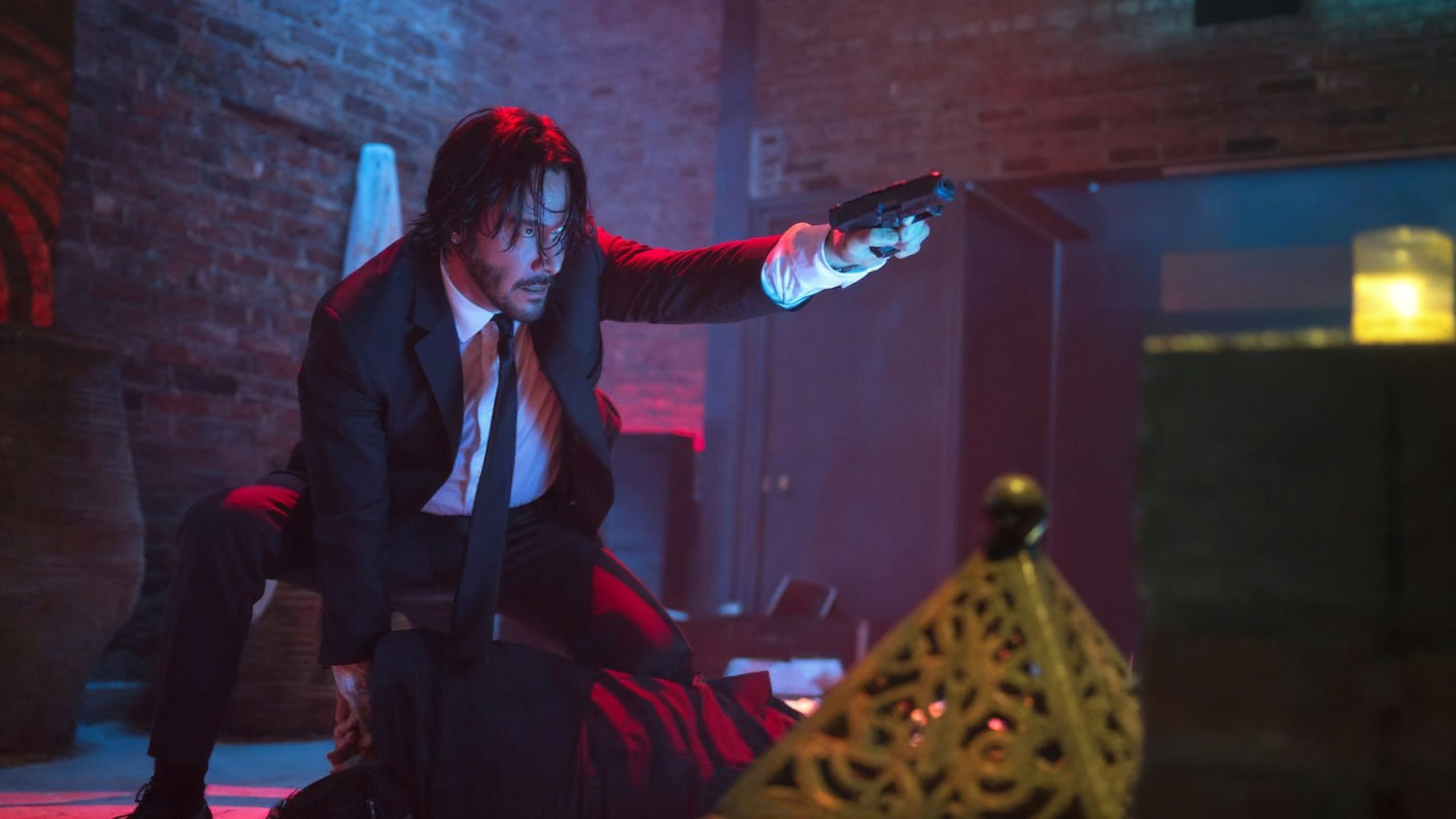
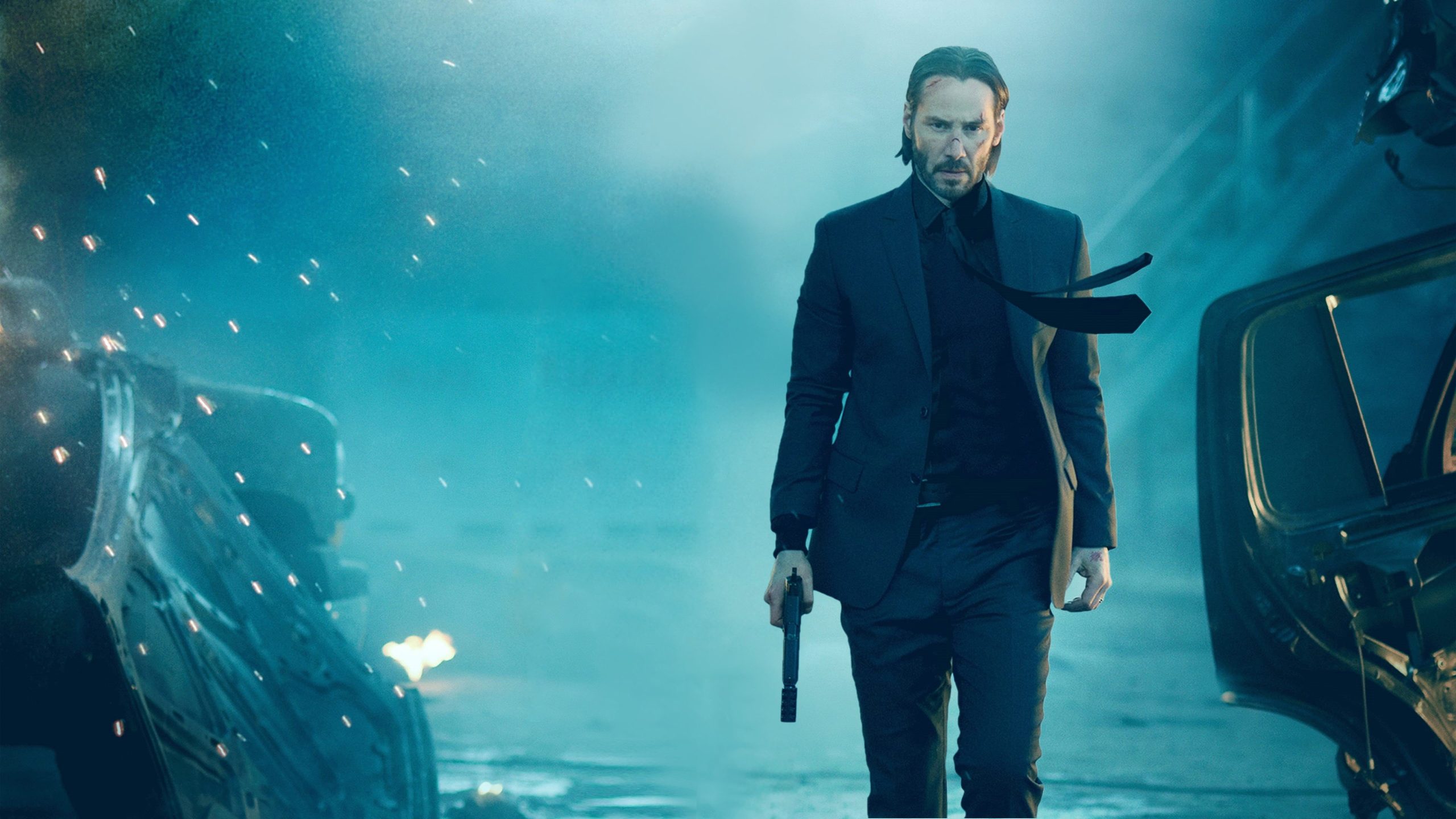
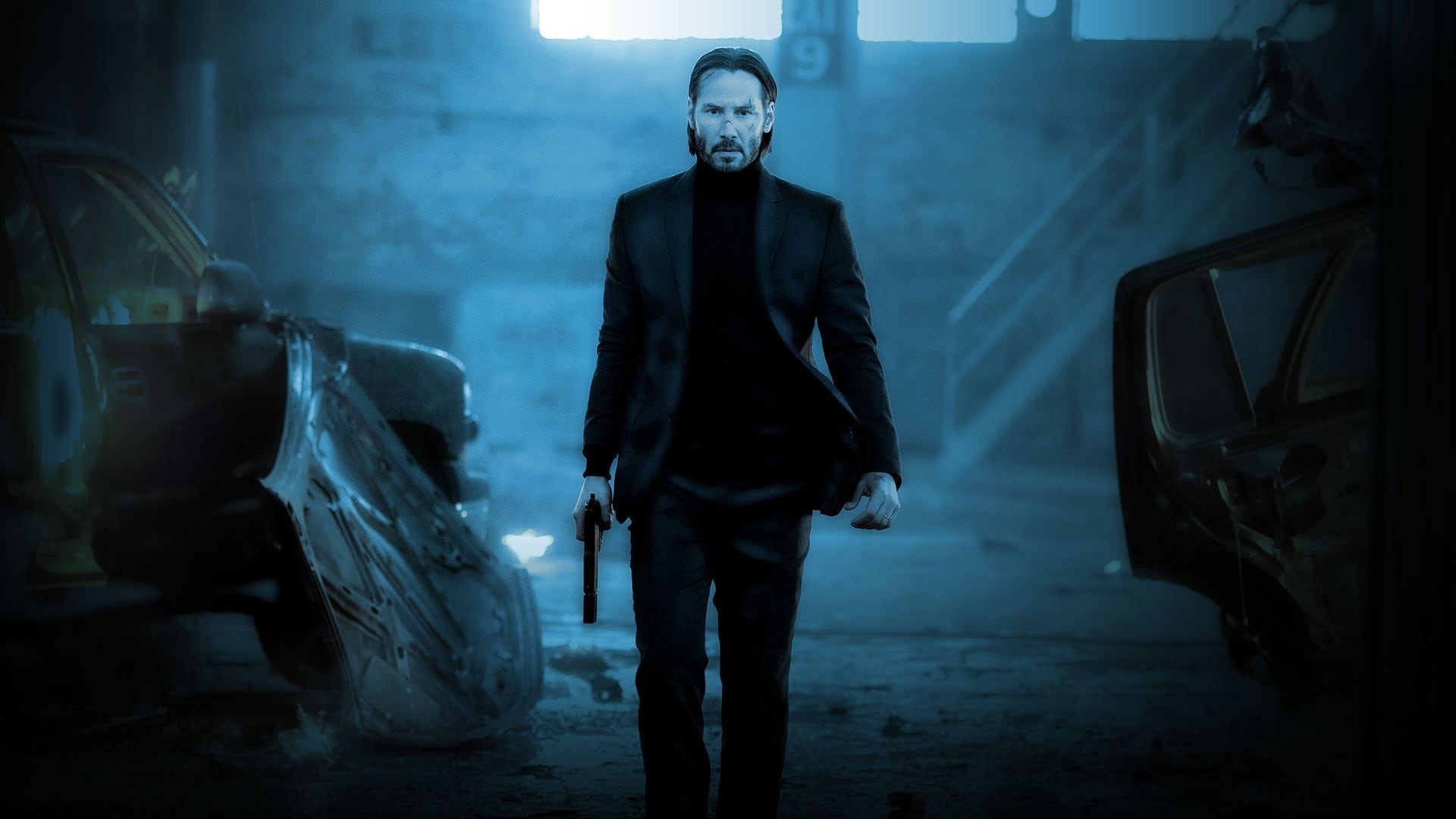
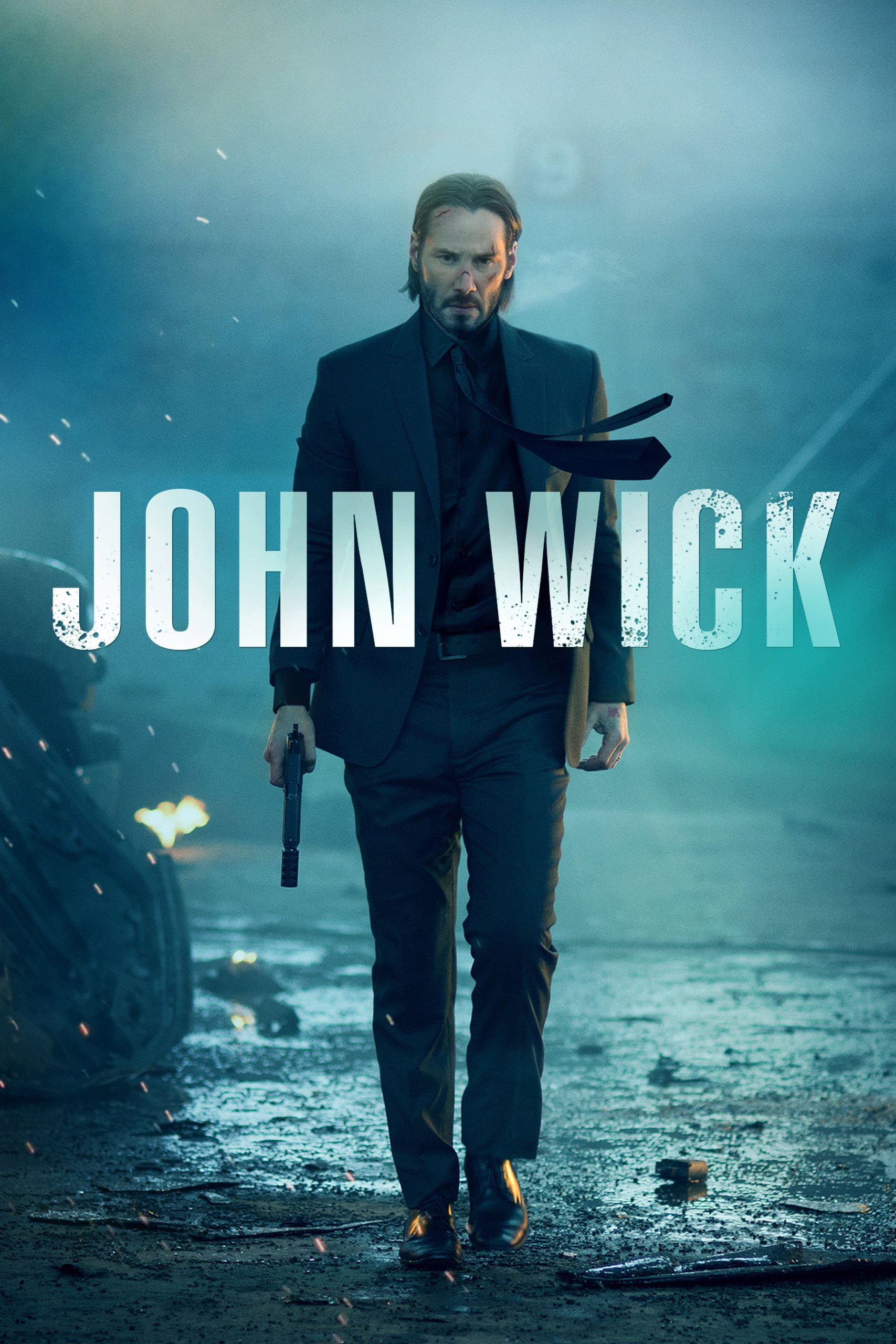
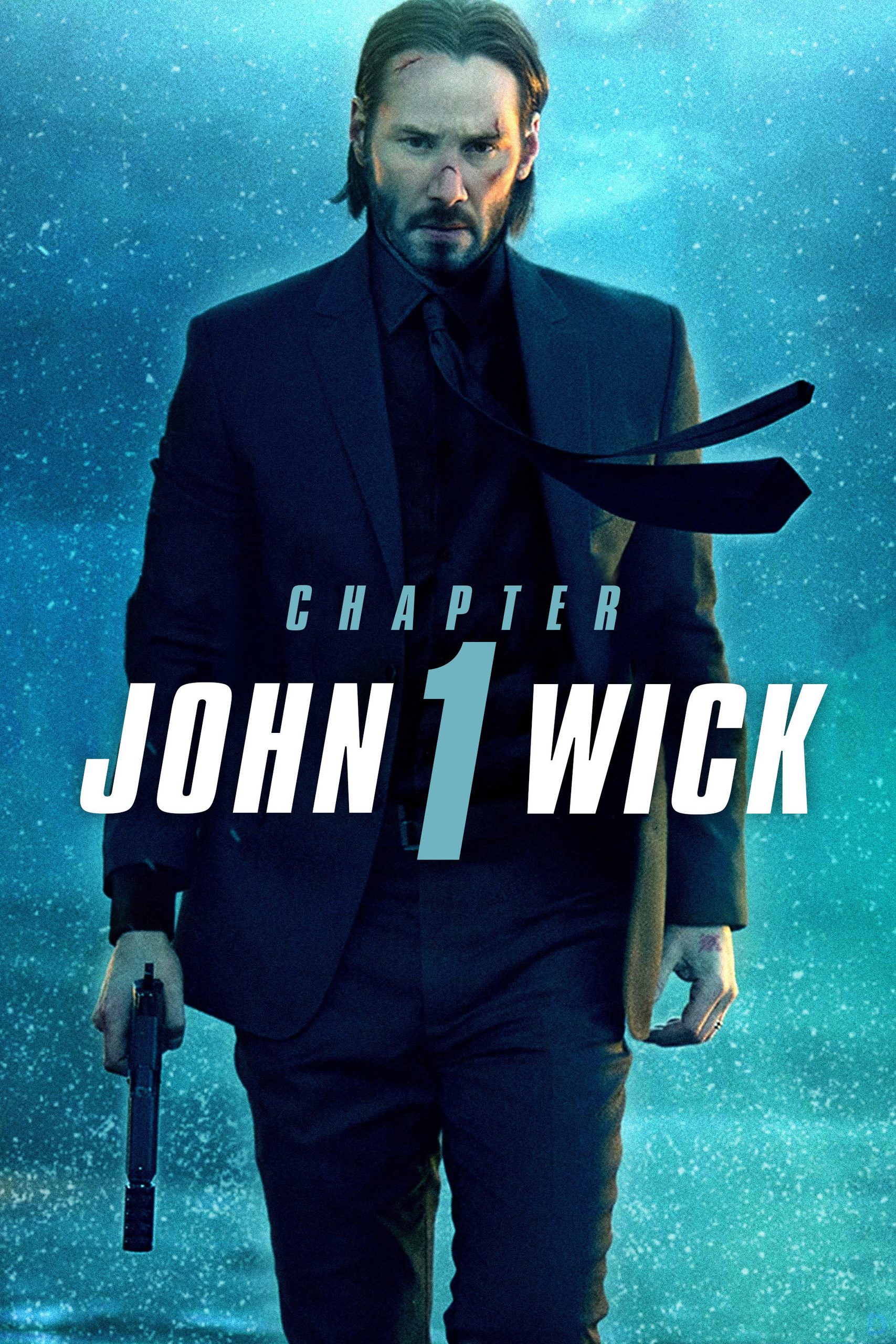
Chad Stahelski gives John Wick the clear, patient action staging its thin revenge plot scarcely deserves. Keanu Reeves makes the violence compelling; repetition is the price of an otherwise brisk evening.
John Wick is a good reminder of how satisfying an action film can be when we can see what the actors are doing. Chad Stahelski gives Keanu Reeves the space to fight, and gives us enough time to follow each movement before the next arrives. We recommend it warmly for that precision, with a caveat about a revenge story that sometimes slips into repetition across its 101 minutes. The pleasure comes from watching difficult physical work without having to guess what happened between cuts.
Derek Kolstad’s screenplay gives the lead a former assassin to play and a reason to resume killing, then keeps the explanations out of the way. That economy suits an actor whose physical presence can do more here than another speech about his dangerous past. Keanu Reeves gives John Wick enough weight for the revenge to matter, without asking us to mistake him for a complicated man. Some of the plotting is convenient, but the performance keeps attention on the immediate task.
Jonathan Sela’s cinematography makes the choreography readable: bodies remain visible within the frame, and the camera does not shake the movement into confusion. Elísabet Ronaldsdóttir’s editing allows stretches of action to play out rather than assembling each exchange from a blur of separate impacts. We were exhilarated by the fights because we could follow Keanu Reeves completing the movements, instead of merely being told that he had won another exchange. The sustained takes make skill, effort and timing part of the entertainment.
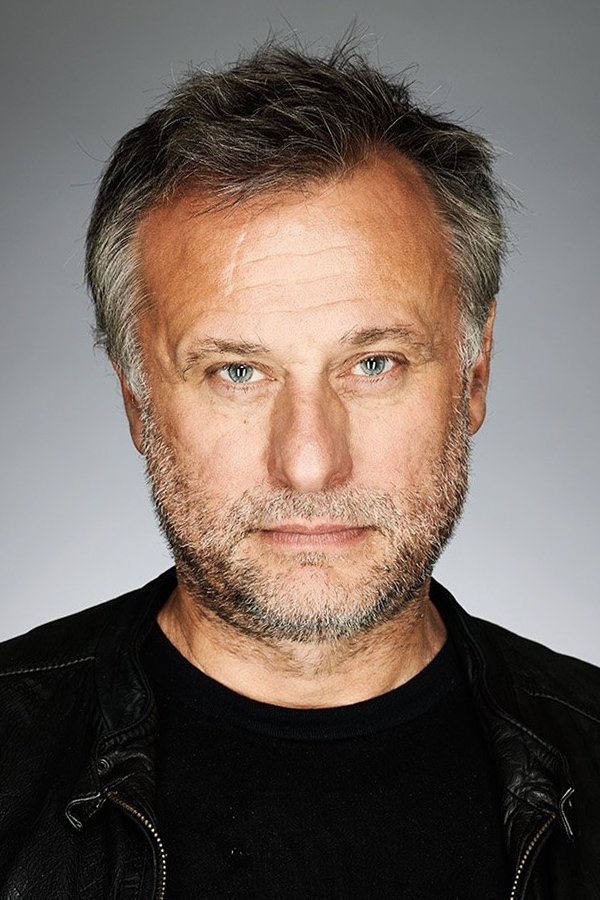
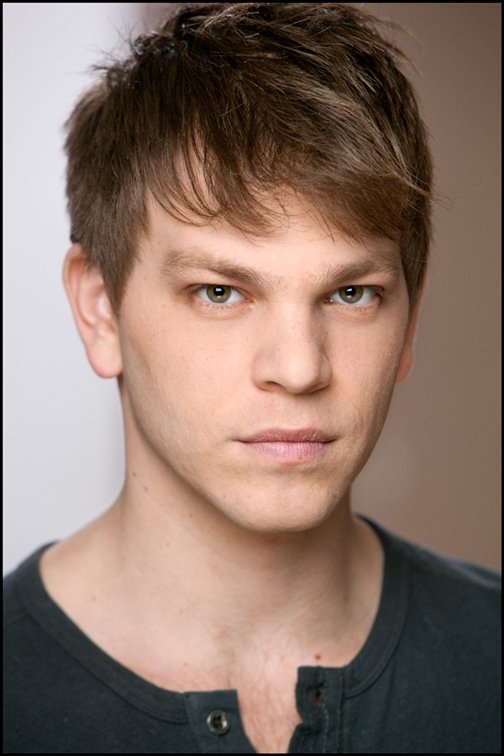
Michael Nyqvist gives Viggo Tarasov a droll weariness that works particularly well beside Alfie Allen’s less restrained Iosef Tarasov. Neither role has much depth, but there is humour here that never makes the danger feel harmless. Alfie Allen is effective in a narrower way, playing unpleasantness so directly that further explanation would be redundant. The supporting performances provide welcome interruptions to the fighting, although the screenplay still gives its central pursuit too little variation.
Dan Leigh’s production design helps the criminal underworld feel like a place with working arrangements, particularly its hotel for contract killers. The idea of such a hotel gives the film some welcome humour: even murderers apparently need somebody to organise accommodation. These rules and codes suggest lives continuing beyond John Wick’s immediate grievance, and they give the otherwise narrow story somewhere interesting to pause. The attention paid to how this community functions makes it worth spending time there between confrontations.
Tyler Bates and Joel J. Richard keep the score pressing forwards, an effective choice that also contributes to the sameness of some encounters. We came away remembering the choreography far more clearly than the music. The repetition matters because Derek Kolstad’s revenge plot cannot always provide fresh interest when the thrill of another cleanly executed fight begins to fade. At those points, the film could do with a pause rather than more encouragement to keep moving.
Measured against the revenge thriller’s usual promise of efficient, satisfying violence, John Wick delivers. It takes the physical work seriously, has enough wit to avoid solemnity, and does not require us to pretend that the plot is richer than it is. We would have liked more variation, but not at the expense of the clear staging that makes the film worth an evening. Choose it for Keanu Reeves in motion; anyone hoping for a searching account of vengeance should make other plans.