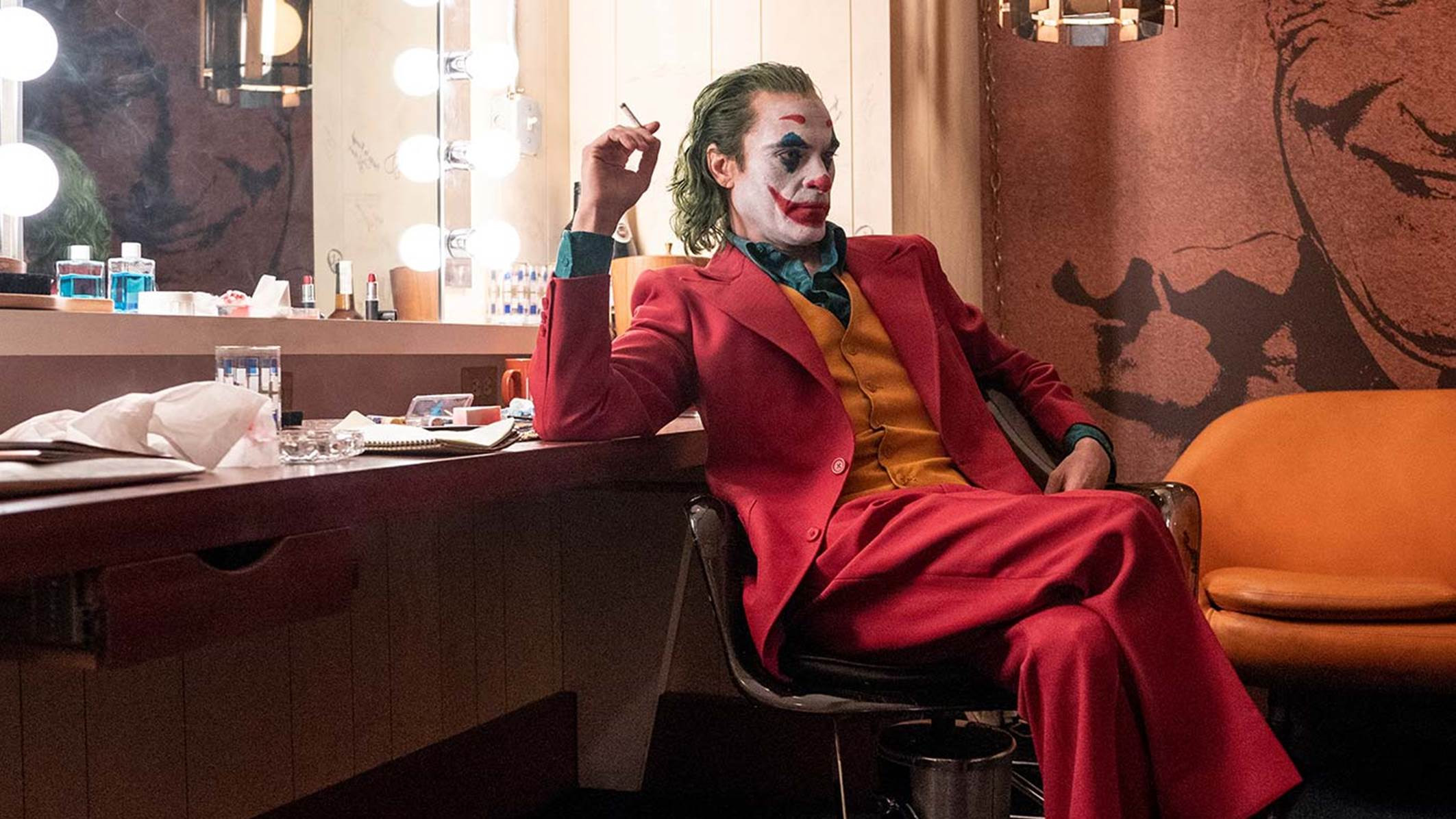
Joaquin Phoenix makes Arthur Fleck’s distress difficult to dismiss, and Todd Phillips builds an oppressive setting around him. But Joker keeps repeating its grievances when it needs to examine them: a gripping performance in a limited drama.
Joker is a forcefully acted crime drama whose social commentary is much less persuasive than its leading man. Todd Phillips wants us to look closely at Arthur Fleck before treating him as a comic-book villain, and that is a worthwhile starting point. Joaquin Phoenix makes the attention difficult to withdraw. The difficulty is that the film keeps presenting resentment as though its mere intensity explains it. We can believe that Arthur is suffering without accepting every conclusion the film draws from his suffering.
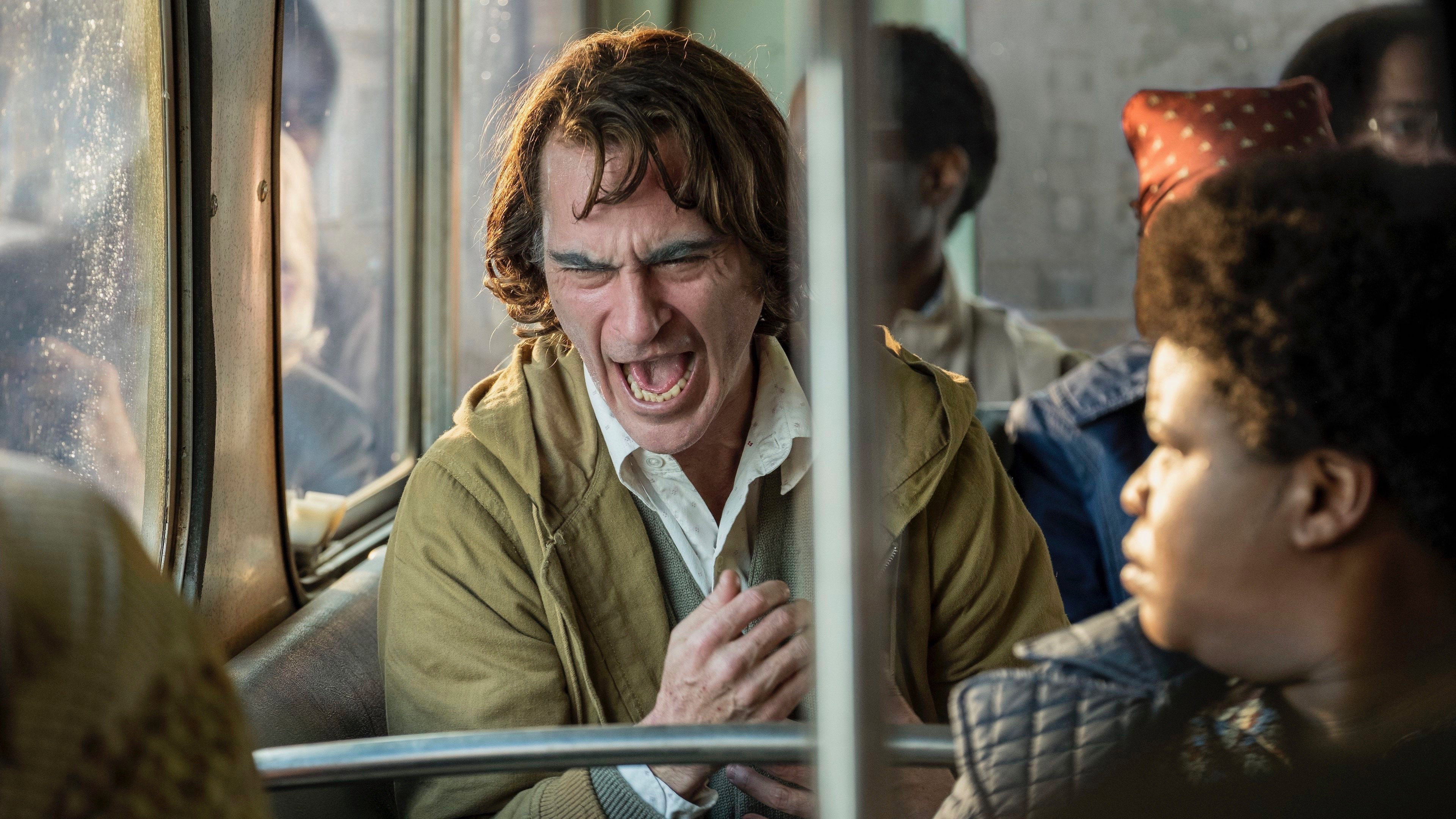
Phoenix is particularly good at making Arthur’s distress physical, so that even watching him seems to require effort. His control keeps the grotesqueness of the performance from becoming merely a collection of mannerisms. We found the bodily strain painful to watch, because Arthur looks as though he cannot find a comfortable way to exist among other people. That reaction matters more than the script’s repeated reminders of his alienation. For a time, the performance supplies enough to keep the film absorbing.
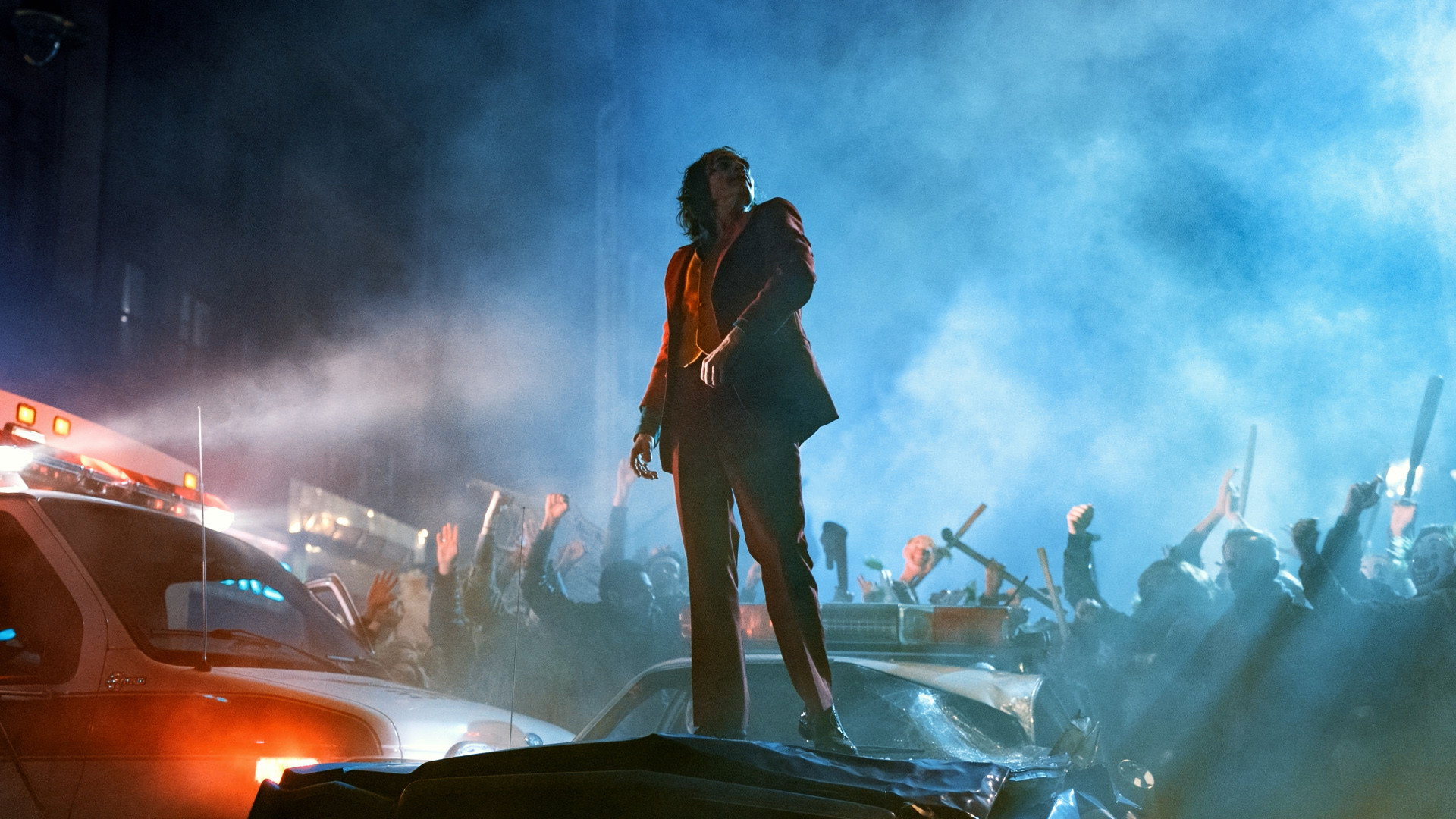
Lawrence Sher’s cinematography and production designer Mark Friedberg give the city a convincing look of neglect. The New York influence, drawn from the 1970s, helps make this urban nightmare feel closer to a recognisable place than a comic-book backdrop. We can see why Arthur might feel trapped here. Yet the oppressive images are also relentless: misery is given so much emphasis that there is little space to notice anything else about the people living in it.
Hildur Guðnadóttir’s score presses the sorrow hard, and its weight suits Phoenix’s performance. It also leaves us wishing for moments when the music would stop telling us how much everything hurts. Jeff Groth’s editing keeps Arthur firmly at the centre, but cannot disguise how often the drama returns to the same complaint. After a while, the accumulation becomes wearing. Some of that discomfort is plainly intended; the repetition is still a weakness.
Writers Todd Phillips and Scott Silver bring mental illness and class resentment into Arthur’s story, then give those subjects less attention than his growing hostility. They need not supply a diagnosis or a programme for social reform. They do need to make the connections between hurt and cruelty feel considered, rather than keep adding reasons for us to feel aggrieved on Arthur’s behalf. The violence is disturbing, but disturbance alone does not make the surrounding ideas convincing. The writing has too little curiosity about anyone else.
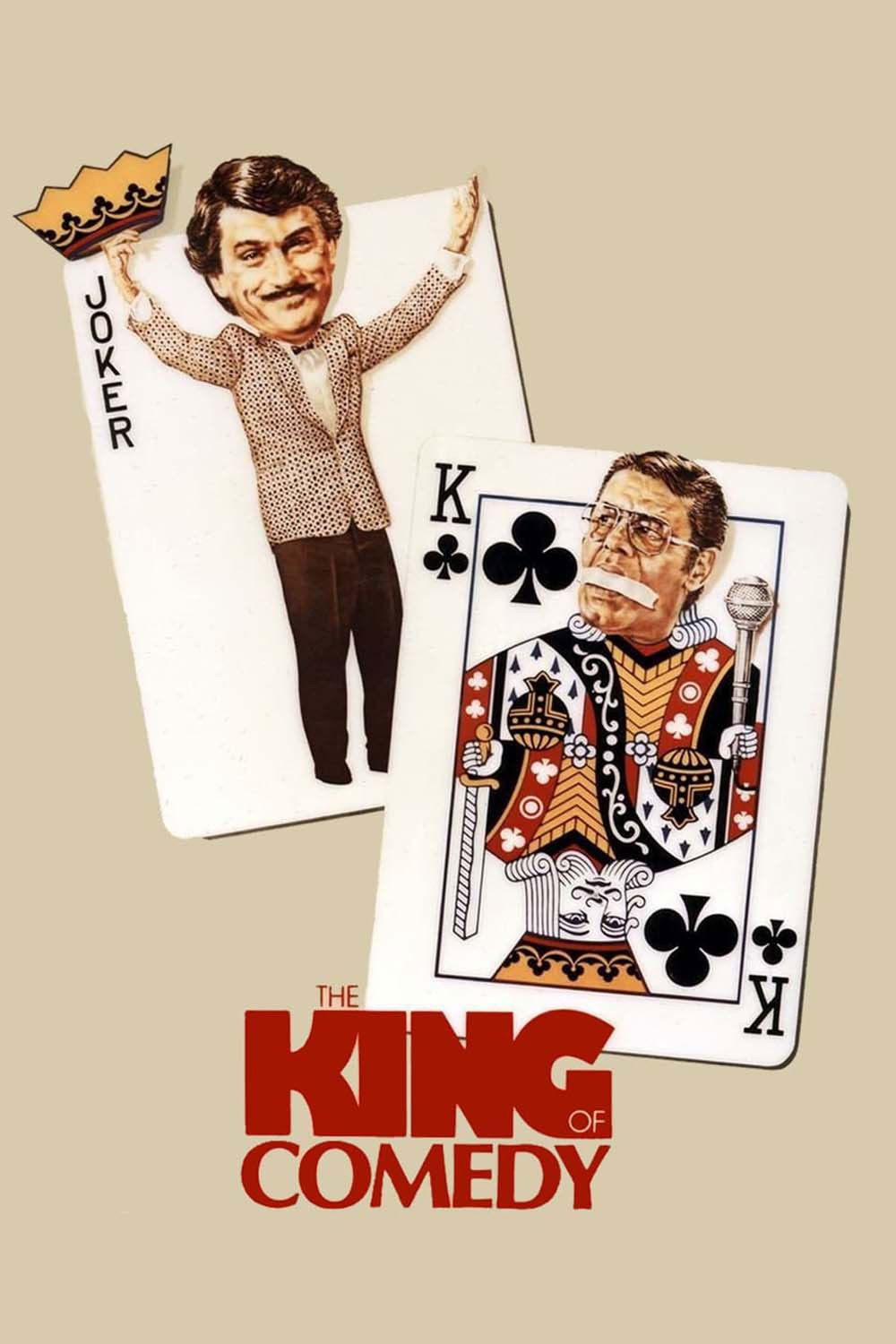
The Scorsese influence makes the film’s limitations harder to overlook. Phillips borrows an urban atmosphere and a fascination with an alienated man, but brings too little curiosity about the society beyond him. Judged as a comic-book origin story, the concentration on a single damaged person is welcome and gives Phoenix space to work. It does not excuse how often the social commentary stops at telling us that people are cruel.
There is enough control in the acting and enough care in the images to make Joker worth considering for those drawn to a punishing character study. We would not dismiss the skill required to hold attention this tightly around such an abrasive figure. But 122 minutes is a long time to spend with a film that keeps insisting on what we have already understood. See it for Phoenix, with modest expectations of the social commentary.