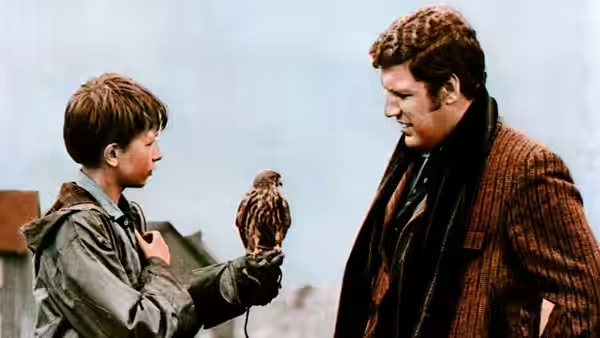
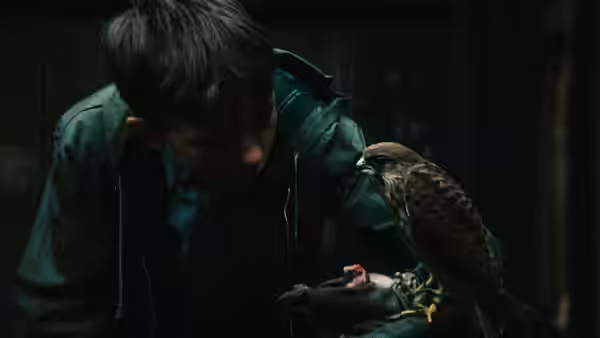
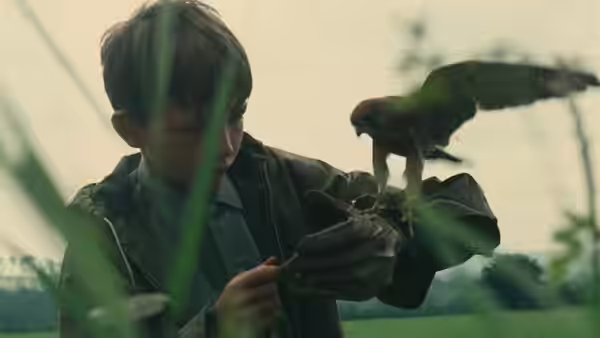
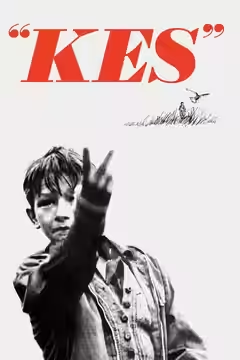
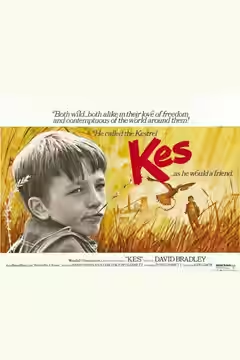
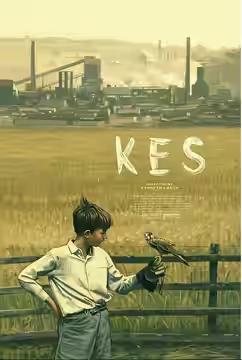
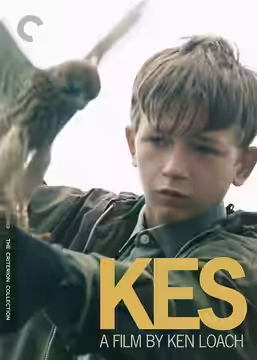
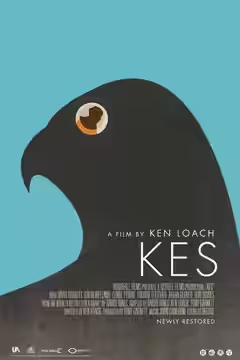
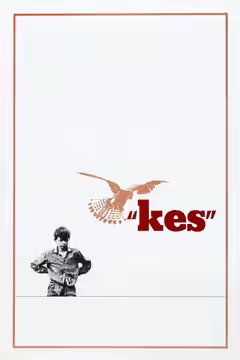
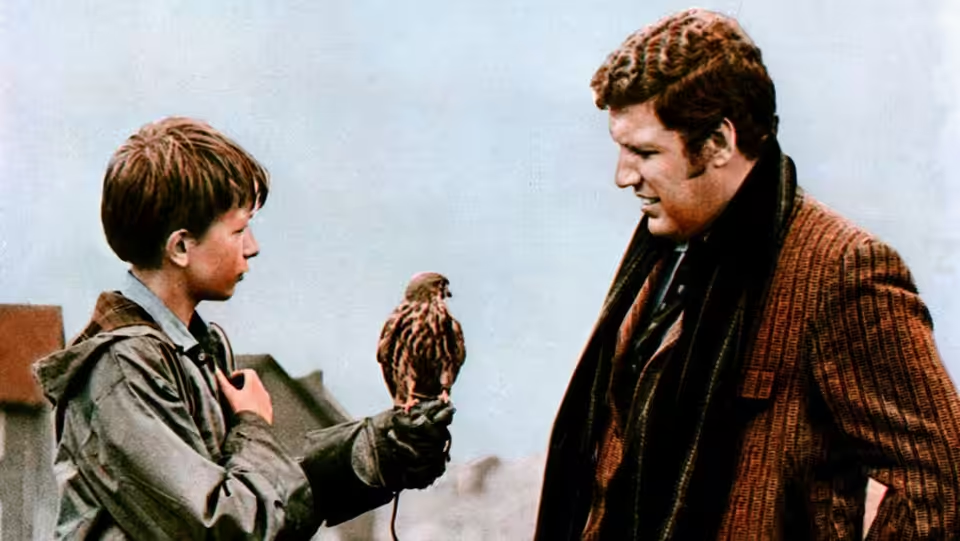
Billy (Dai Bradley) shows his kestrel to a man in a striped jacket
Film review

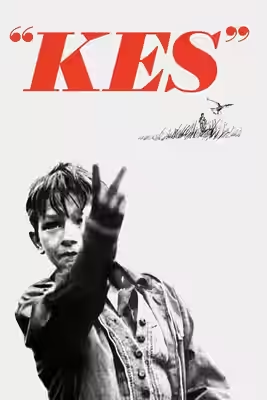
Kes

1970 · Directed by Ken Loach · 1h 51m · Statens medieråd 11

In a sentenceThe bird gets a devoted keeper; the boy could do with one himself

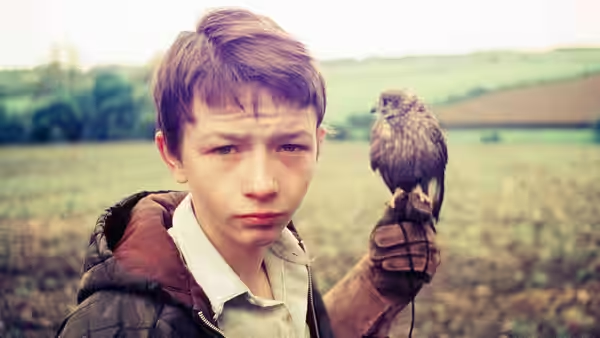
Billy is a working-class boy in Barnsley, growing up in a town where industry and countryside lie close together. Home and school offer little encouragement, but training a kestrel gives him something he wants to learn about and care for. His interest in the bird sits uneasily beside the expectations of the adults around him. Ken Loach directs David Bradley as Billy, with Freddie Fletcher as Jud, Lynne Perrie as Mrs Casper, Colin Welland as Mr Farthing and Brian Glover as Mr Sugden.

Plays from YouTube when you press play; nothing loads from them until then.

Fi1m review

Ken Loach’s drama about a boy and his kestrel is funny, bruising and unusually attentive to what interests a child. The rough edges occasionally distract, but David Bradley gives us a boy worth listening to.

Ken Loach’s Kes earns our recommendation by giving a working-class boy the sustained attention he seldom receives from the people around him. Billy’s bond with a kestrel supplies the story, but the interest is in what caring for it allows him to do: learn, concentrate and take responsibility. Loach finds humour in this harsh upbringing without asking us to enjoy Billy’s humiliation. The film is moving because it lets us see how much there is to him before insisting on how badly he is treated.

The danger with a part like Billy is that the performer spends the entire film asking to be pitied. David Bradley makes him too absorbed in the bird for that: the pleasure is in watching someone have a subject he wants to understand. We were moved by the care he gives the kestrel, because it shows a patience and appetite for learning that his treatment at school scarcely acknowledges. His interest gives us something to share with him beyond sympathy.

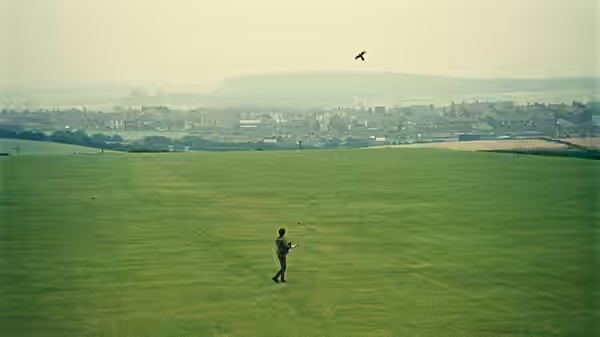
Chris Menges’s cinematography makes the countryside around Barnsley important without turning it into an advertisement for escape. The town’s industrial surroundings remain part of our understanding of Billy’s life, even when the boy and bird have our attention. Menges gives their time outdoors enough space for us to watch the relationship, rather than merely register that nature is good for him. Those passages are beautiful because there is something happening in them that matters to Billy.

Roy Watts’s editing is valuable for the time it gives that interest to become ours. The unhurried stretches with the kestrel allow us to settle into Billy’s concentration, and the film’s occasional ungainliness is easier to forgive there than elsewhere. John Cameron’s music supports the tenderness without becoming the main reason to feel it. We would credit Bradley and the time he is given ahead of the score; the boy’s attention is already enough to hold ours.

The performances around Bradley have a welcome variety of manner and speech, and Loach does not require everyone to sound equally polished. The use of non-professional performers helps, although naturalness alone would not make these people interesting. He listens to the local dialect without treating it as a novelty, and allows humour to exist alongside the grimness of home and school. That matters in a film about deprivation: Billy has to inhabit a recognisable community, with its own ways of speaking, for our concern to extend beyond the demands of the plot.

Our reservation is with Loach’s insistence on how thoroughly that community fails him. Some of the surrounding characters are drawn so broadly that their hostility becomes predictable, and the contrast with Billy’s absorption in the bird needs less emphasis than it receives. The rough joins can also pull us out of the story, particularly when the acting styles sit awkwardly together. Bradley keeps the boy particular even when the adults seem overdrawn.

A social drama can become so busy explaining what is wrong that it leaves its people little to do except suffer. Kes gives Billy the absorbing work of training the kestrel, and that makes the anger about his schooling easier to share. At 111 minutes, it asks for patience through some less assured passages. Give it that time, and do not mistake its U certificate for a promise of an undemanding family evening.

Critical consensus AI synthesised

83
Positive
13
Mixed
1
Negative
0

Kes is admired almost without exception. Thirteen of fourteen reviews are positive, and the praise gathers in the same places: David Bradley’s performance as Billy, the bullied boy who trains a kestrel, and Loach’s handling of a cast of non-professionals, which most critics credit for the film’s documentary feel. The scenes of boy and bird on the moors are singled out repeatedly, as is Chris Menges’ photography of the Yorkshire town and its interiors, which The Times says the restoration shows to advantage. Several reviewers also find more humour and warmth than the subject suggests.

The spread is narrow and the reservations small. Variety and Sight and Sound admire the cast but call the style rough, and the latter finds the film thinner in autobiographical detail than comparable work. The one mixed notice is The New York Times, which calls the film honourable and decent but never quite as interesting as the people in it, while conceding Loach’s gift with actors.

The Times
11 November 2016 · ★★★★★ · Kate Muir
100

The critic highlights the authentic performance by David Bradley as the bullied mining-town boy who finds solace training a kestrel, and celebrates the digital restoration that reveals the beauty of the Yorkshire landscapes and interiors shot by Chris Menges.

Read the full review →
Empire
1 January 2000 · Neil Jeffries
90*

Loach's debut feature remains a landmark of British cinema for its quasi-documentary realism and natural performances from non-professionals. The simple beauty of the story about a boy and his kestrel shines through in this re-release.

Read the full review →
Evening Standard
10 April 2012
90*

The respect paid to the entire cast stands out in this reissued Loach film. Jaunty, sad and poetic, it is so humane it makes you tremble.

Read the full review →
Film Comment
12 May 2026 · Chris Darke
90*

The critic calls Kes an English classic and praises its portrayal of a working-class boy's bond with a kestrel amid harsh circumstances. Loach's naturalism and the nonprofessional lead performance are singled out as deeply affecting.

Read the full review →
Little White Lies
11 November 2016 · David Jenkins
90*

Kes remains Loach’s most elegiac and powerful portrait of working-class struggles, transcending time through its poetic allegory and lyrical falconry scenes. It stands out as one of his rare forays beyond blunt didacticism into something more timeless and humane.

Read the full review →
RogerEbert.com
16 January 1973 · Roger Ebert
90*

Loach is at his best with this warm, moving story of a misfit boy in a harsh class-biased system who finds purpose training a kestrel. The film has heartbreaking humanity and reaches emotional peaks in its handling of the boy and his bird.

Read the full review →

Straight answers AI written, from our review

Is Kes worth watching?
Kes is worth watching for anyone with patience for a slow, plainly made drama about a neglected boy, and we scored it 88. David Bradley's Billy is absorbing to watch as he trains his kestrel, and Ken Loach finds humour in a hard upbringing without mocking him. Some of the adults are drawn broadly, and the rough joins occasionally show.
How long is Kes, and what is it rated?
Kes runs 1h 51m and is rated 11 by the Statens medieråd in Sweden. It is a drama film.
Where can I watch Kes in Sweden?
Kes is not on any streaming or rental service in Sweden at the moment. It is available in 29 other countries; change your country at the top of the page to see where. Availability is checked daily.
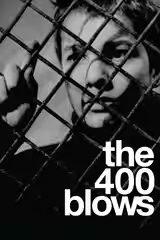
How does Kes compare to The 400 Blows?
Kes and The 400 Blows both follow a boy whose unhappiness the adults around him have no patience for, and we recommend them together. Truffaut's film is the more assured of the two and Jean-Pierre Léaud the more mischievous lead, though its music presses harder for sympathy. Loach's is rougher and funnier, and gives its boy something to do besides suffer.
Is Kes based on a true story or a book?
Kes is based on a novel by Barry Hines, not directly on a true story, though its Barnsley setting and use of local speech give it a documentary feel. Our review does not weigh how closely Ken Loach follows the book. Knowing the source is not needed; the film explains itself through Billy's work with the bird.
What should I watch after Kes?
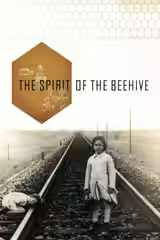
After Kes, try The 400 Blows (1959, Fi1m 91): Another boy discovers how little patience adults have for his unhappiness. Then The Spirit of the Beehive (1973, Fi1m 87): A child’s private fascination makes adult silences feel strange and threatening; and The Selfish Giant (2013, Fi1m 88): Working-class boys seek a place in a Yorkshire economy that exploits them.

Cast

Awards

Crystal Globe, 1970

Won
Crystal Globe

If you liked this, try…

  1. The 400 Blows (1959, Fi1m 91)Another boy discovers how little patience adults have for his unhappiness.

  2. The Spirit of the Beehive (1973, Fi1m 87)A child’s private fascination makes adult silences feel strange and threatening.

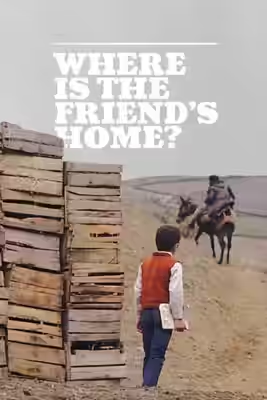
  3. Where Is the Friend's House? (1987) · not reviewed yetA child’s simple task reveals how poorly the adults are listening.

  4. The Selfish Giant (2013, Fi1m 88)Working-class boys seek a place in a Yorkshire economy that exploits them.

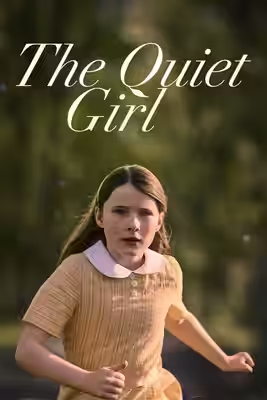
  5. The Quiet Girl (2022, Fi1m 84)Quiet attention to a neglected child, with kindness given its proper weight.

Free account

Know what to watch tonight

Two lists that know where things are streaming, collections you can share, your own score beside ours, and Discover that remembers what you have seen.

  • Want to see, sorted by what is streaming now
  • Seen, with your score out of ten
  • No adverts, ever