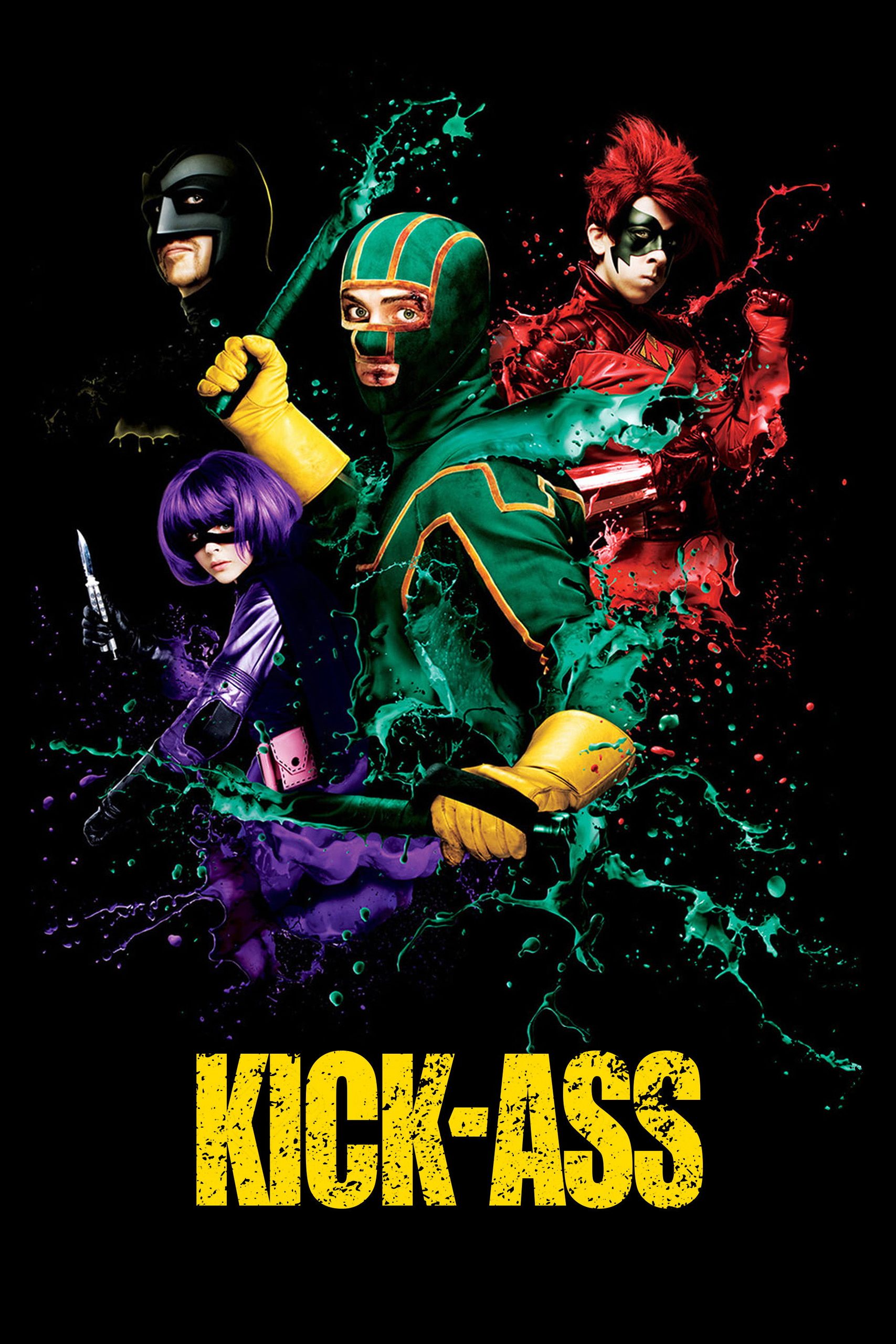
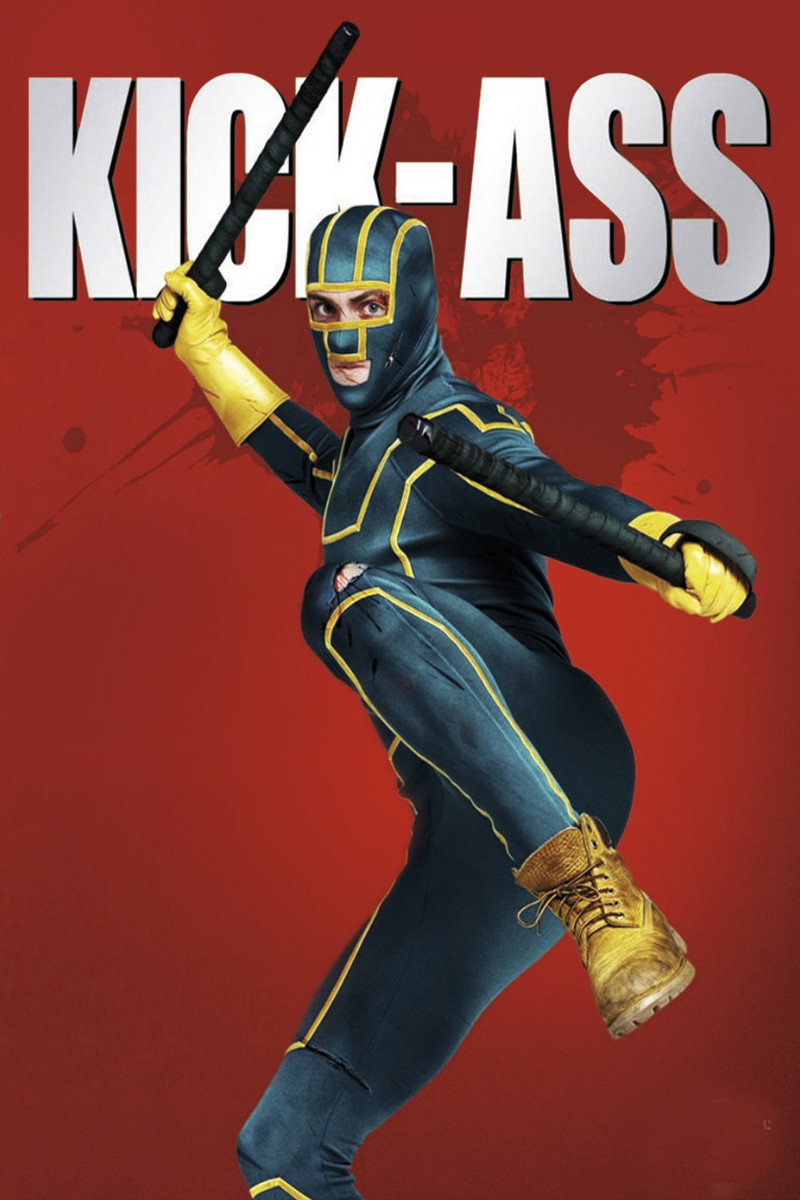
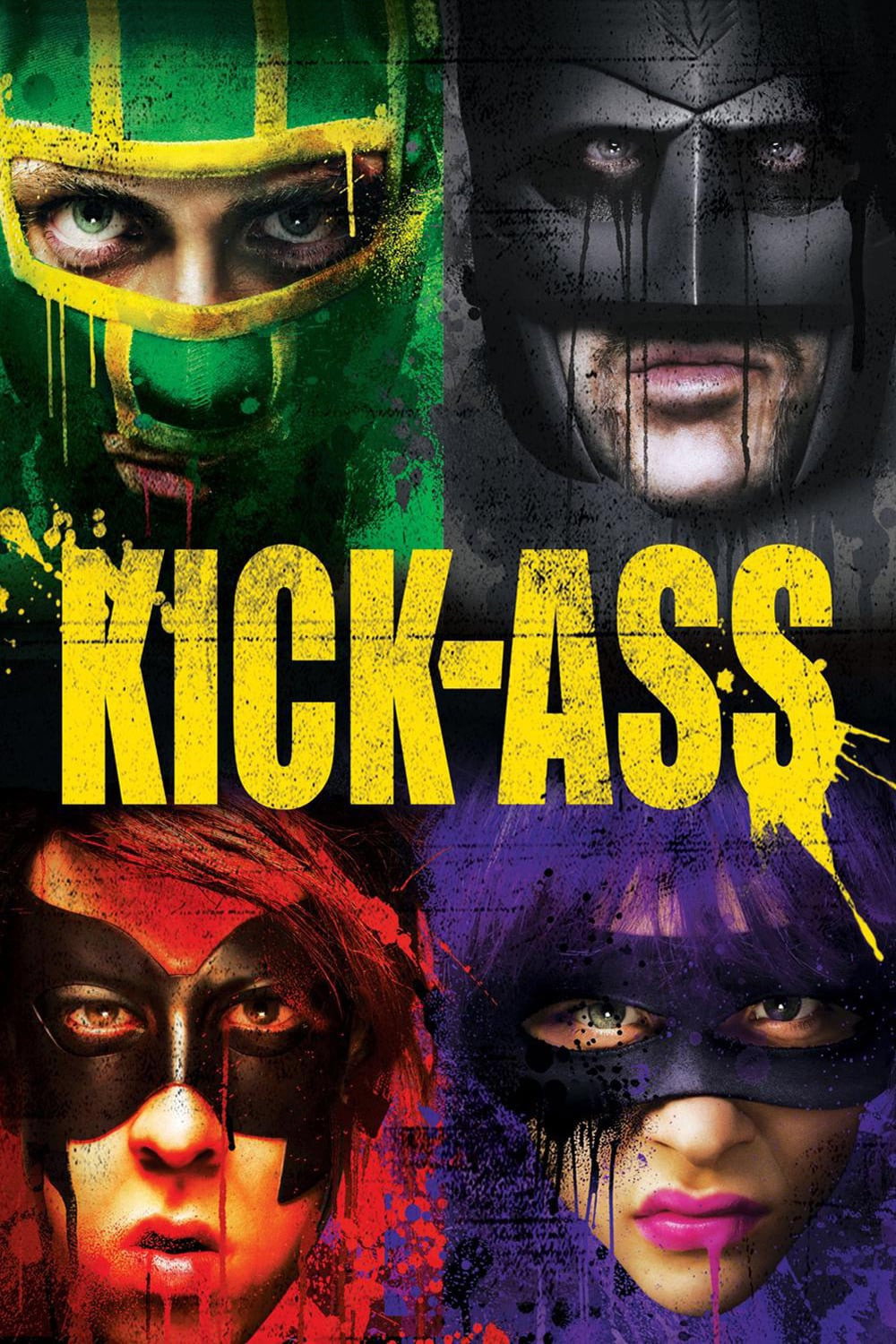
Matthew Vaughn’s comic-book film is quick, rude and cut with real skill, and Chloë Grace Moretz’s Hit Girl is an eleven-year-old who kills better than anyone else on screen. Around her is a teen comedy that runs out of ideas well before the 118 minutes do.
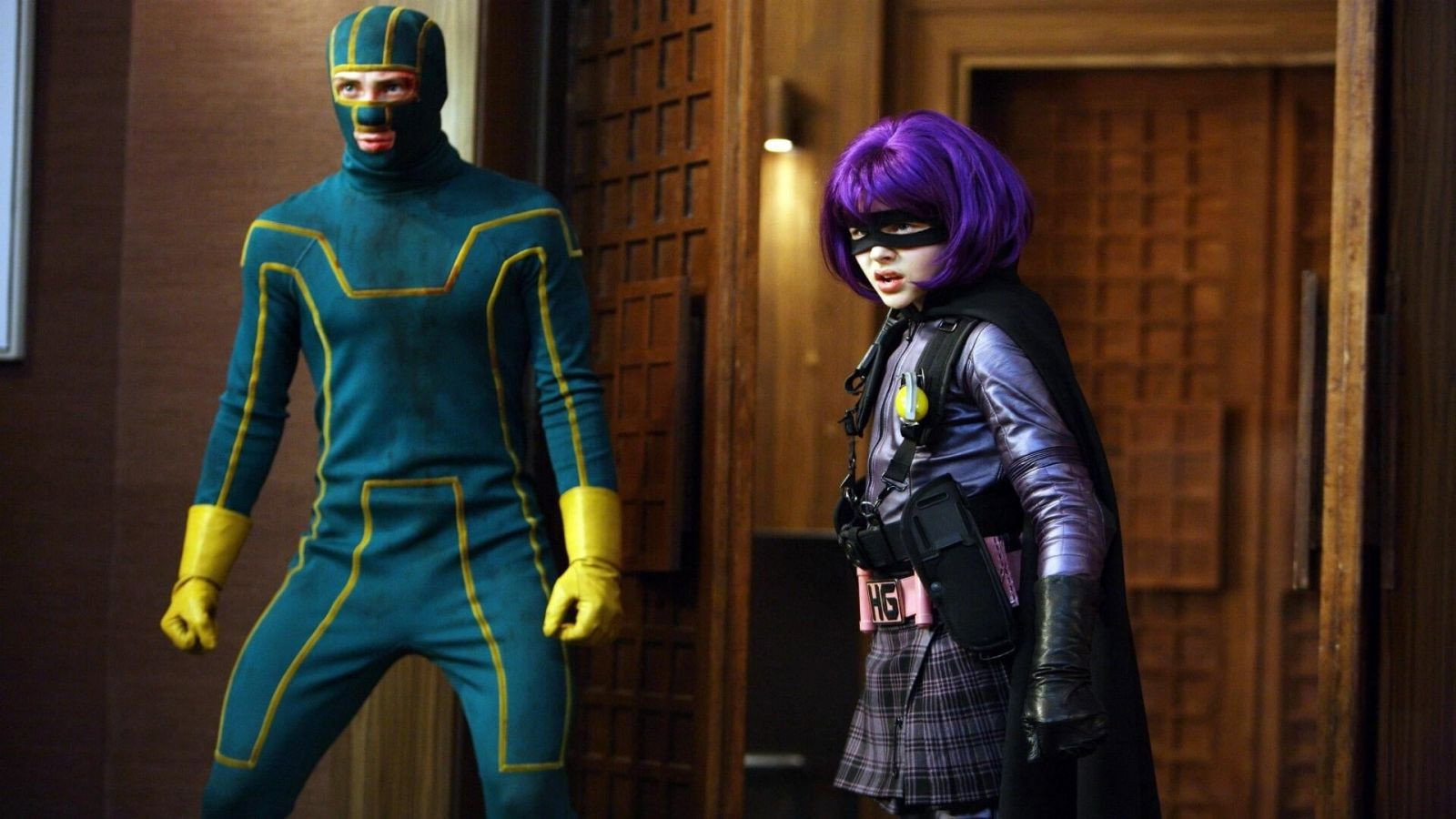
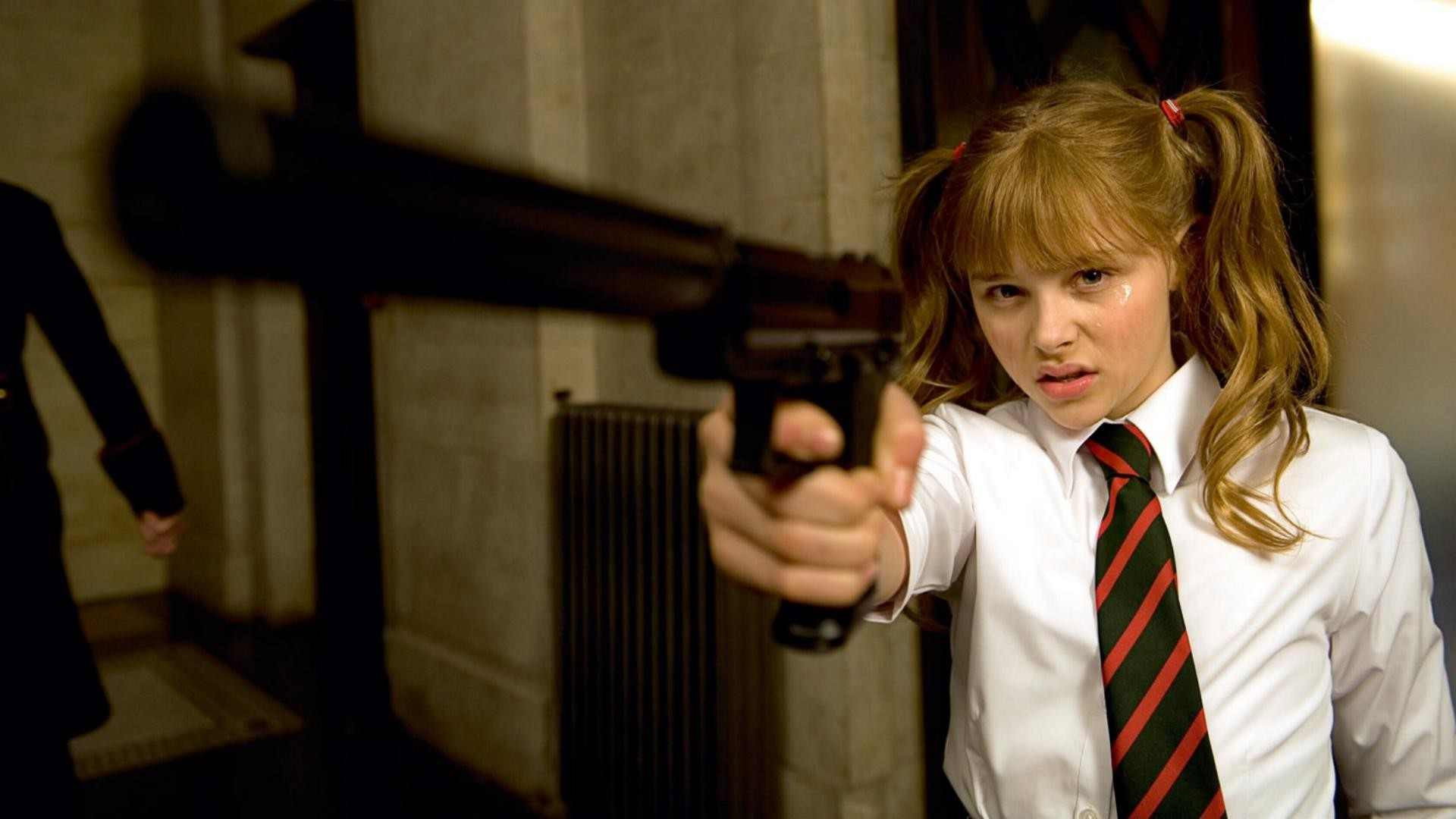
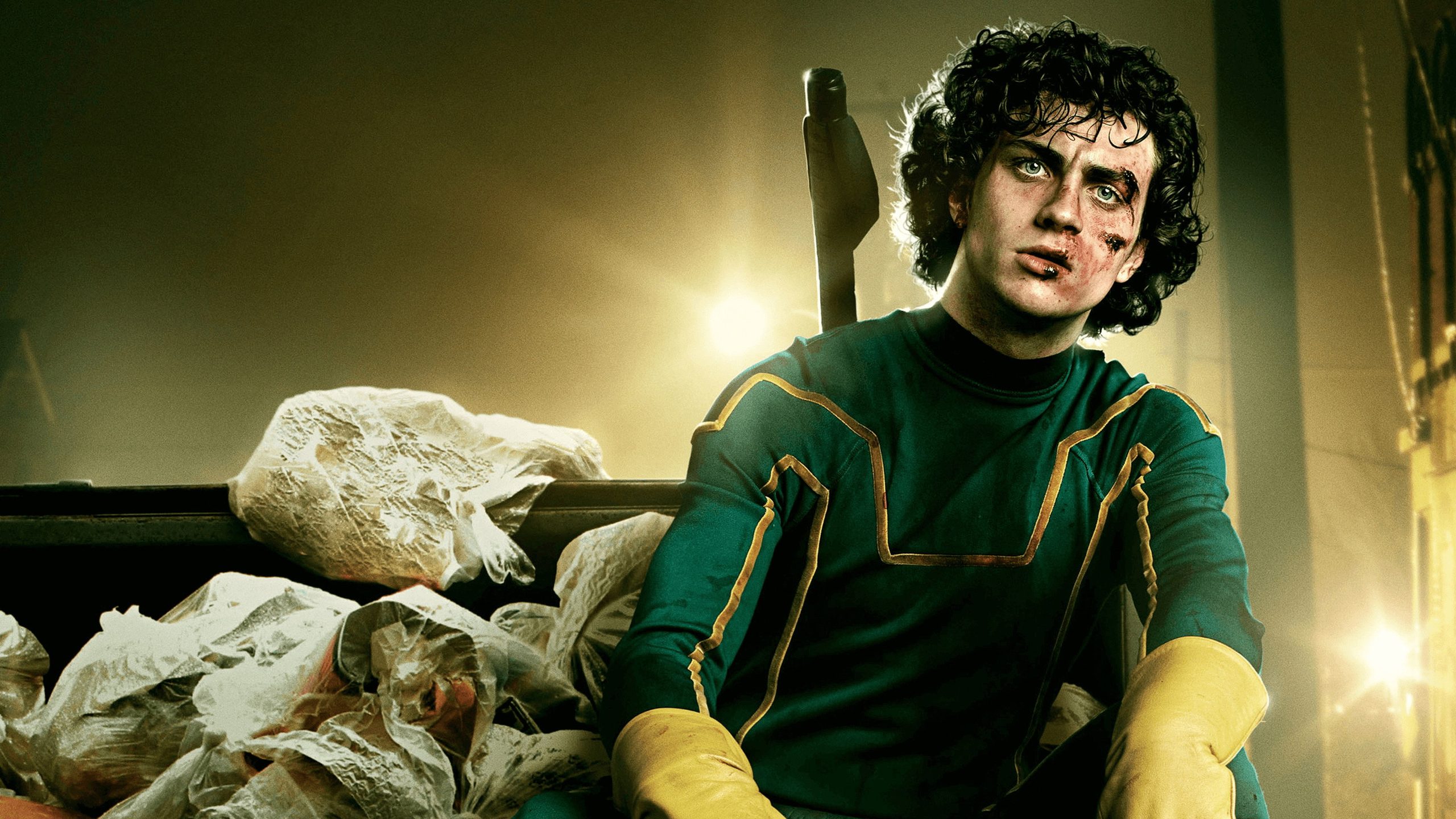
Dave Lizewski (Aaron Taylor-Johnson) reads comics, cannot get Katie Deauxma (Lyndsy Fonseca) to look at him, and asks why nobody has ever put on a costume and tried it. He orders a green wetsuit, is stabbed on his first night out and filmed on a dozen phones on his second, and becomes Kick-Ass. Jane Goldman and Matthew Vaughn’s script sets that up as a joke about a boy with no powers, then introduces two people who do the job properly: Damon Macready (Nicolas Cage) and his daughter Mindy (Chloë Grace Moretz), who are working through the gangster Frank D’Amico (Mark Strong) one henchman at a time. It is a good, fast, foul-mouthed film, and a much better one whenever Mindy is in it.
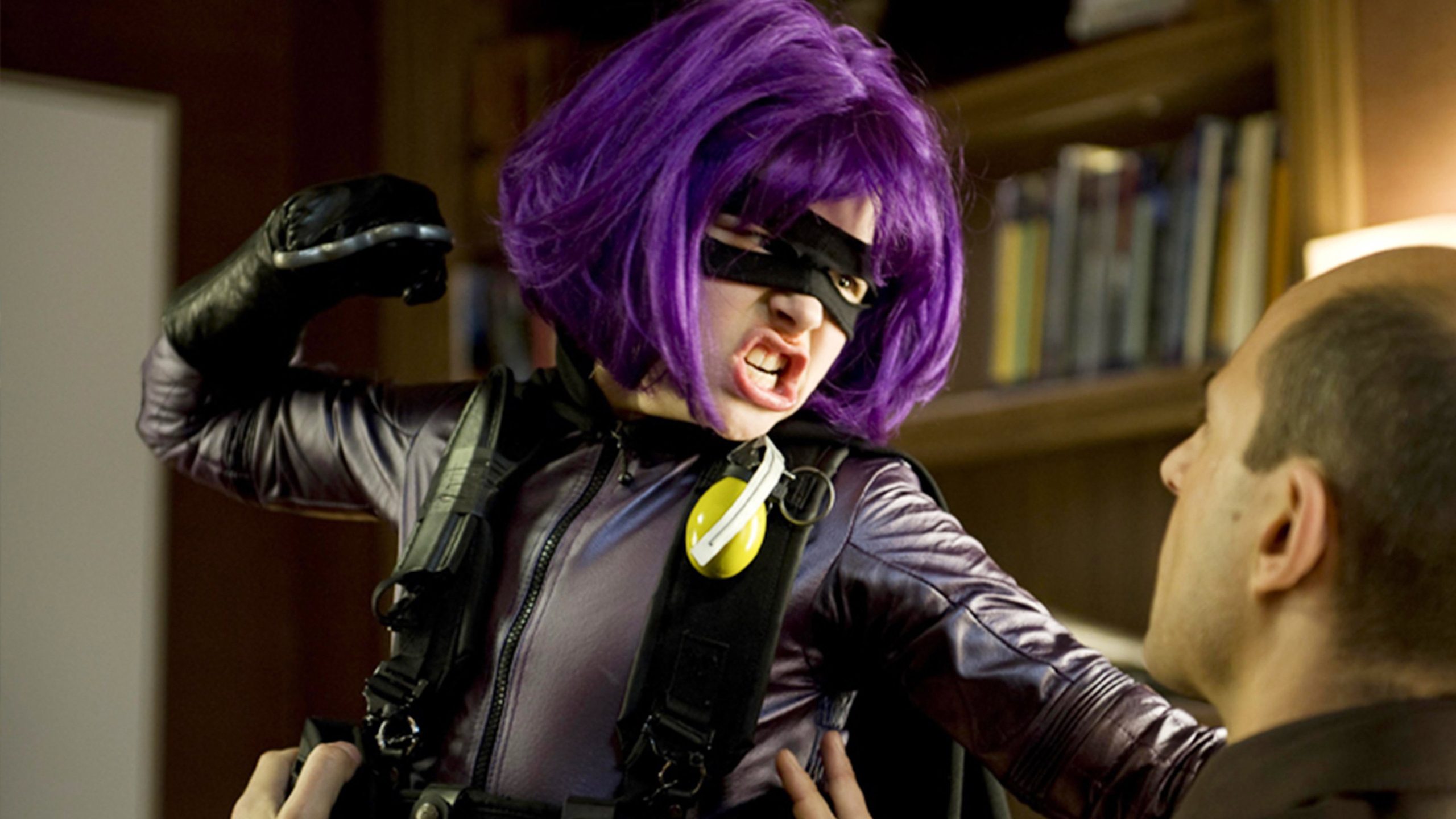
The action is the reason to see it. Three editors are credited, Pietro Scalia, Eddie Hamilton and Jon Harris, and they keep every fight legible: you know where the door is, who has the knife and how far away the gun is. Hit Girl’s first appearance is a single corridor in a block of flats, a purple wig, a punk cover of a children’s television theme, and a roomful of grown men dealt with in ninety seconds. Ben Davis shoots it wide and lets her do the moving. We laughed. Then we noticed she was eleven, and that we were laughing at a child cutting through adults, and we did not know what to do with our faces. The film cuts to Dave being sick in a corner, which is as close as it gets to an opinion.
Cage is the other reason. Sammy Sheldon puts Big Daddy in a moustache and armour shaped like Batman’s, and Cage speaks in the clipped, oddly paused voice of the 1960s television Batman, so every line arrives a beat late. The scene where he shoots his daughter in the chest to prove the vest works, then offers her ice cream, made us laugh and then feel slightly ashamed of ourselves, the effect the whole film chases and rarely manages elsewhere. His history is told as comic-book panels, the neatest idea in the film. Cage plays the man as gentle, and that is the only way the part could have worked.
The trouble is Dave. Taylor-Johnson is likeable and gets the gangly, apologetic physical comedy right, but the script gives him a teen film we have seen before: Katie decides he is gay, he goes along with it to get near her, and Clark Duke’s Marty is on hand to comment. The film keeps returning to this as if it were the main story, and each return costs pace. Christopher Mintz-Plasse’s Red Mist, a rich boy’s superhero with a car and a sound system, has a better idea behind him than the script has time for. Mark Strong is a proper villain in a film that does not much need one.
The satire is thinner than it looks. It says once that a superhero in the real world would end up in hospital, then spends ninety minutes staging exactly the fantasy it mocked. It is not commenting on anything; it is enjoying itself, loudly. Five composers are credited, Marius de Vries, Ilan Eshkeri, Liam Howlett, Henry Jackman and John Murphy, and the result sounds like a compilation, with a big string theme lending a late set piece more weight than it has earned. Russell De Rozario’s production design is sharpest in the Macready safehouse, a wall of weapons in a room that otherwise looks like a bedsit.
This is Vaughn’s third film after Layer Cake and Stardust, and the most confident of the three; he has learned to hold a shot and let a joke sit. It arrived when comic-book films were at their most solemn, and the relief in most reviews is understandable. A minority found the Hit Girl material indefensible. We think both sides are describing the same scenes, and that the film has no view on them. The 15 certificate is doing a great deal of work.
Watch it with people who like this sort of thing. At 118 minutes it is a quarter of an hour longer than its ideas, and the quarter is mostly Dave’s.