Taika Waititi’s adaptation mistakes cuteness for feeling, with forced jokes that weaken its questions about artificial friendship. Jenna Ortega brings welcome sincerity, but the thin writing leaves her doing too much of the work.
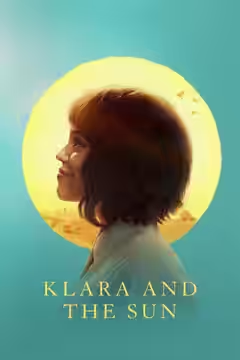
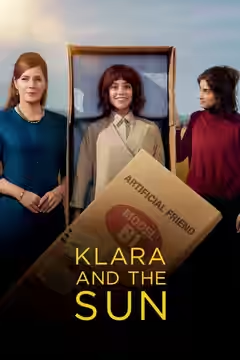
Klara and the Sun is a poor adaptation, too busy making its artificial companion cute to give her questions much thought. Taika Waititi directs from a screenplay by Dahvi Waller and Taika Waititi, adapting the novel by Kazuo Ishiguro. The film wants to make artificial friendship approachable through comedy, then ask what such a friendship can offer in the face of illness and mortality. That is a workable approach, and there is no reason a serious subject should exclude a laugh. Here, though, the jokes keep interrupting the things we have been asked to care about.
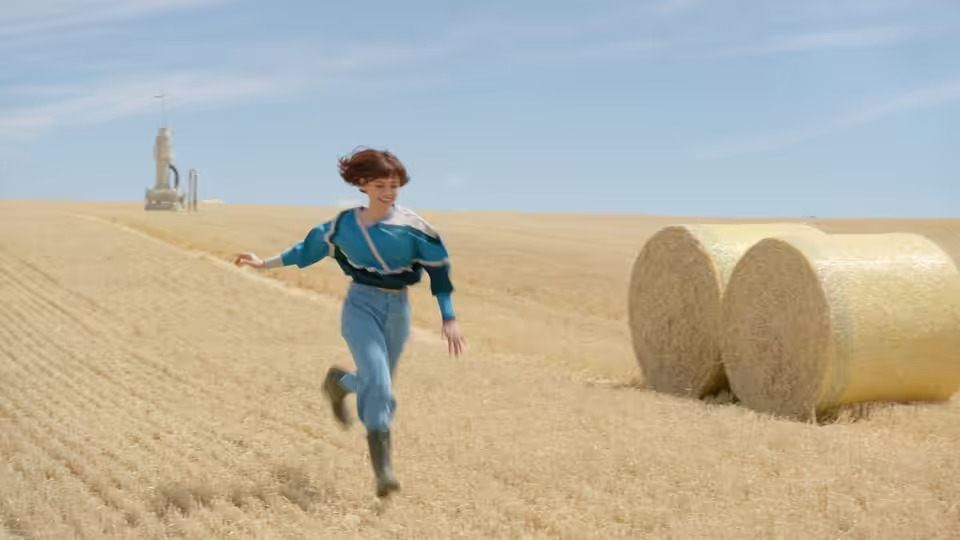
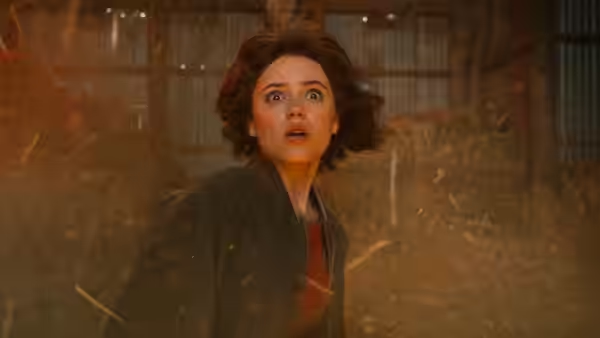
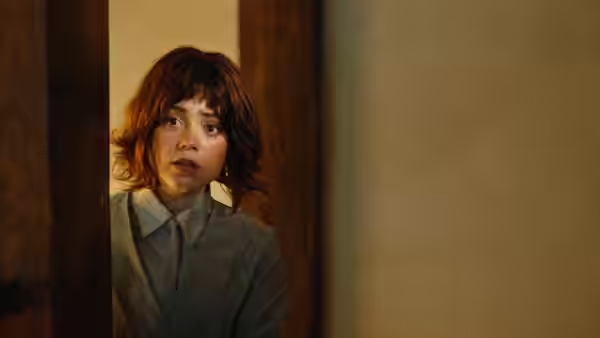
Jenna Ortega supplies the strongest reason to stay. As Klara, she brings wide-eyed attention and a determination that suggest a character capable of learning, rather than merely supplying amusing misunderstandings. Her earnestness gives the film occasional warmth, and we can see why this companion might matter to somebody. The writing gives her too few chances to develop beyond that appealing first impression. Ortega keeps trying to make Klara worth caring about, but a performance cannot supply all the curiosity and complexity that the screenplay has left out.
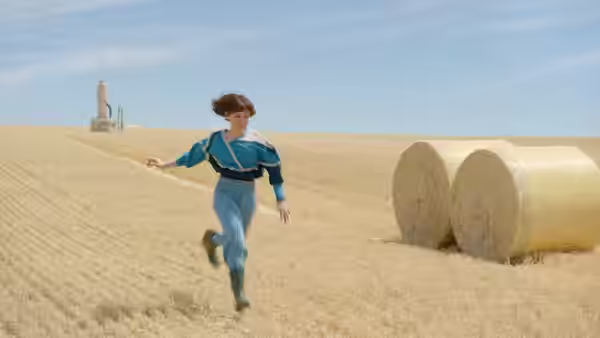
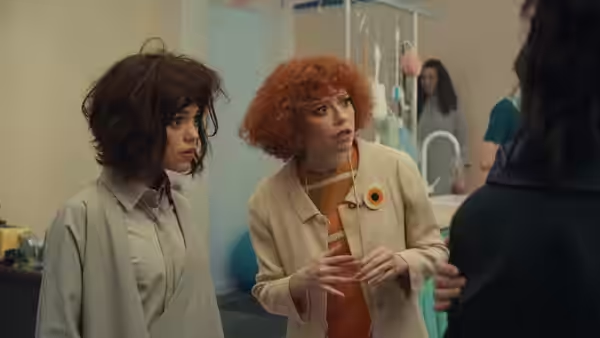
The comic treatment is where the damage is most obvious. We find the slapstick frustrating because it turns Klara’s innocence into an easy joke, working against the seriousness Ortega brings to her. Humour could have helped us understand how she interprets people, or how people respond to her. Instead, the forced jokes make her more cartoonish without making her more interesting. When the film asks us to consider love and grief, it has to overcome the habit it has encouraged of finding its central character quaint.
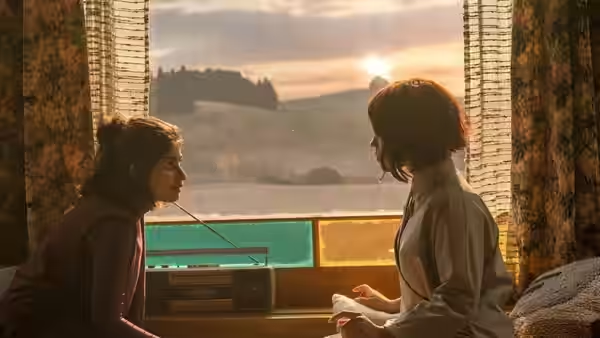
Mike Berlucchi’s photography does little to give the science-fiction setting a distinct character; the images feel as underdeveloped as the society they show. Tom Eagles and Adam Gough edit, but the shifts between slapstick and distress remain awkward. At 116 minutes, there is room to explore the implications of artificial companionship, yet the film keeps spending that time on changes of mood. The problem is not simply pace: too little of what happens deepens our understanding of Klara.
Ra Vincent’s production design cannot do the work of a screenplay that barely develops its dystopian premise. We need some sense of how this society works if Klara’s place within it is to mean much beyond the immediate story. Michael Giacchino provides the music, but the film’s insistence on poignancy leaves little space for a less prescribed response. Sentiment is welcome when the people have become convincing enough to earn it. Here it arrives while the film is still struggling to make its ideas clear.
Against the standards of science fiction about artificial life, this is a disappointingly incurious film. It need not explain every mechanism or turn every conversation into a debate, but it should make us think about why people want a manufactured friend. Most critics have objected to the sentimentality and strained humour, and those objections are hard to dispute. Ortega’s commitment and the occasional charm are real consolations, though they cannot make the drama convincing. Admirers of her work should be prepared for a film that gives her far less to play than she deserves.