Ken Loach’s Spanish Civil War drama is moving because it lets its volunteers argue, doubt and think. Ian Hart keeps it human, even when the dialogue grows lengthy and the framing story explains too much.
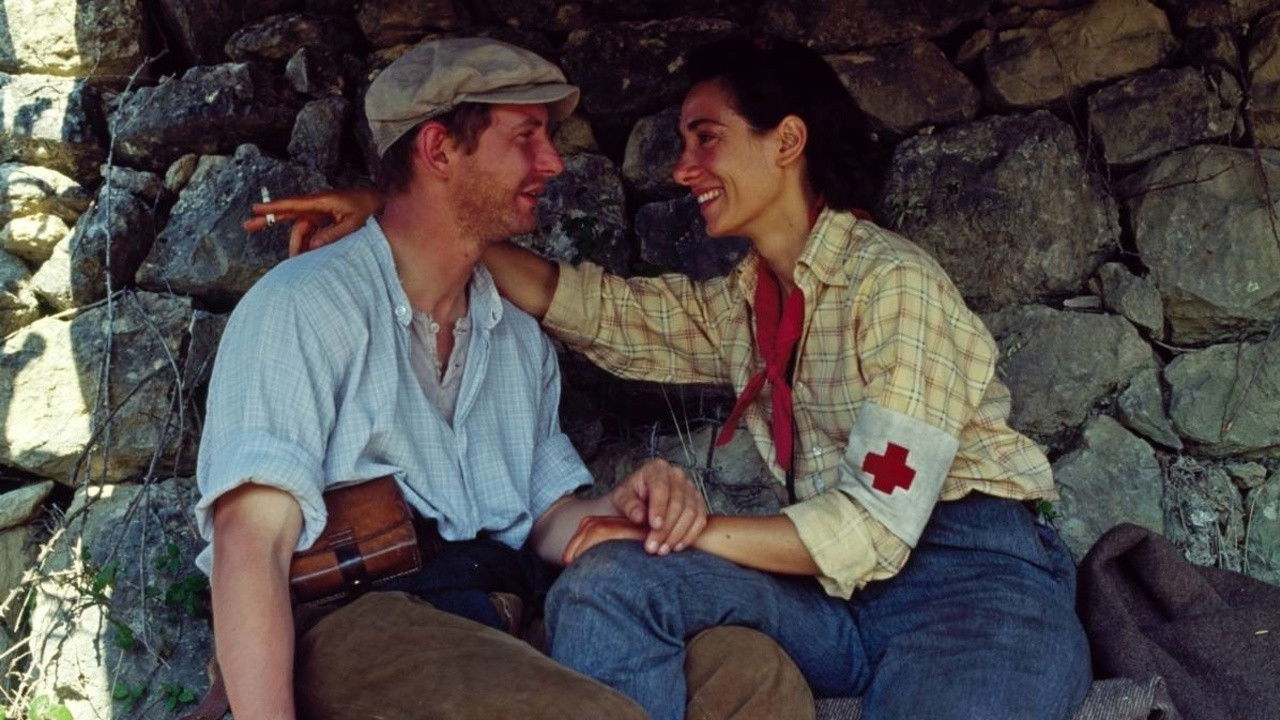
Ken Loach’s Land and Freedom is a moving war film that takes political conviction seriously enough to let people explain it. That requires patience, and mostly rewards it. Jim Allen’s screenplay follows David Carr, an idealistic Liverpudlian volunteer, into the Spanish Civil War and a POUM militia. Loach wants us to understand why somebody would go to fight in another country, and why sharing an enemy might not be enough to keep the volunteers together.
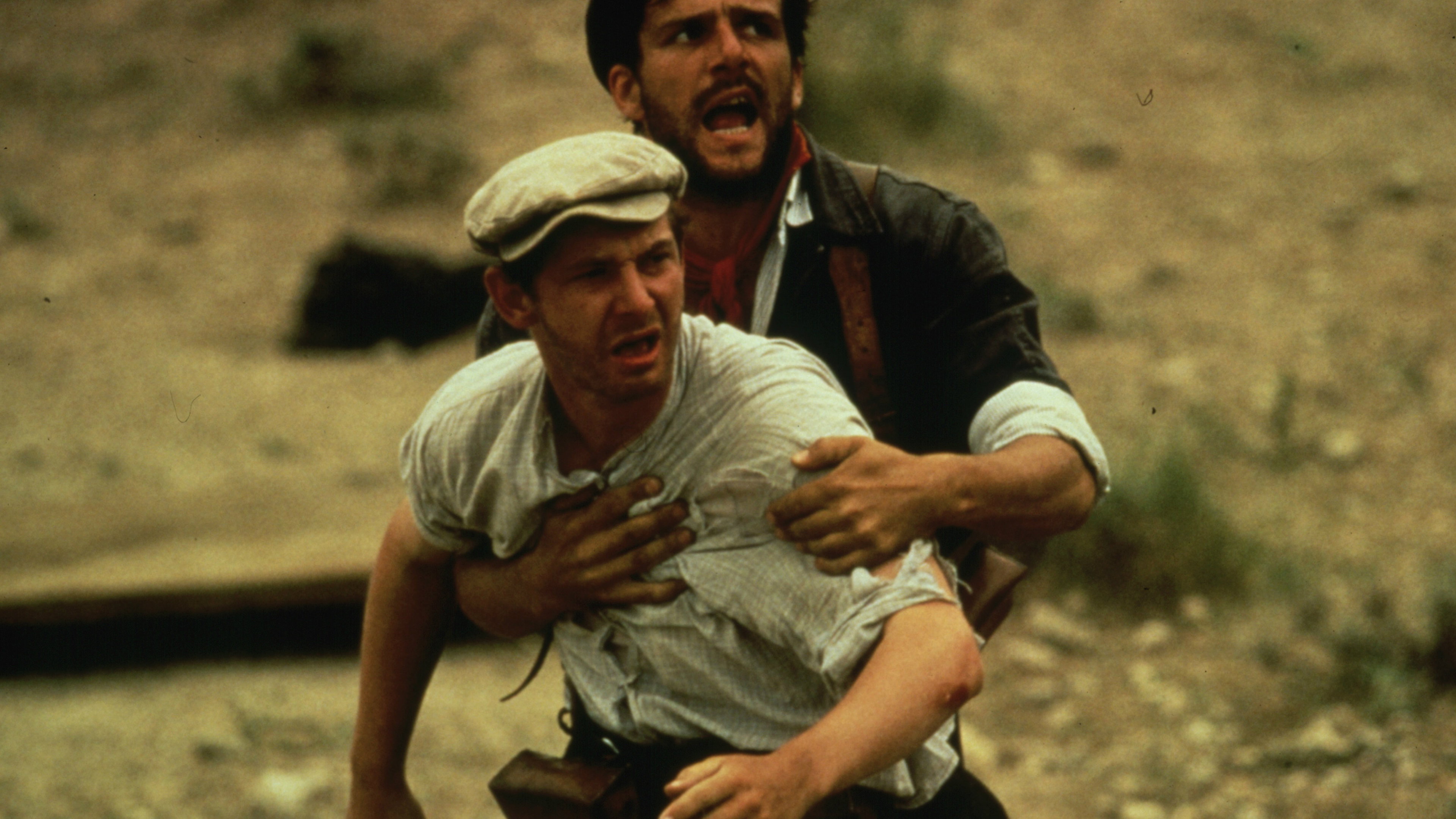
Ian Hart gives David enough uncertainty to keep his idealism believable. He is not there simply to guide us through the history, and Hart makes the questions feel worth asking even when the dialogue becomes explanatory. The love story and the ensemble’s gentle humour give the volunteers something to do besides explain their beliefs. We can believe these people enjoy one another’s company, which gives their disagreements a personal cost.
Loach takes the disagreements within the Republican cause seriously, without assuming that being on the same side makes agreement easy. We were moved by the volunteers arguing over the cause they have risked their lives for. They are trying to decide what is worth fighting for while the fighting is still going on, and the uncertainty is painful. Loach gives their words enough weight that we understand why a disagreement cannot simply be put aside until the shooting stops.
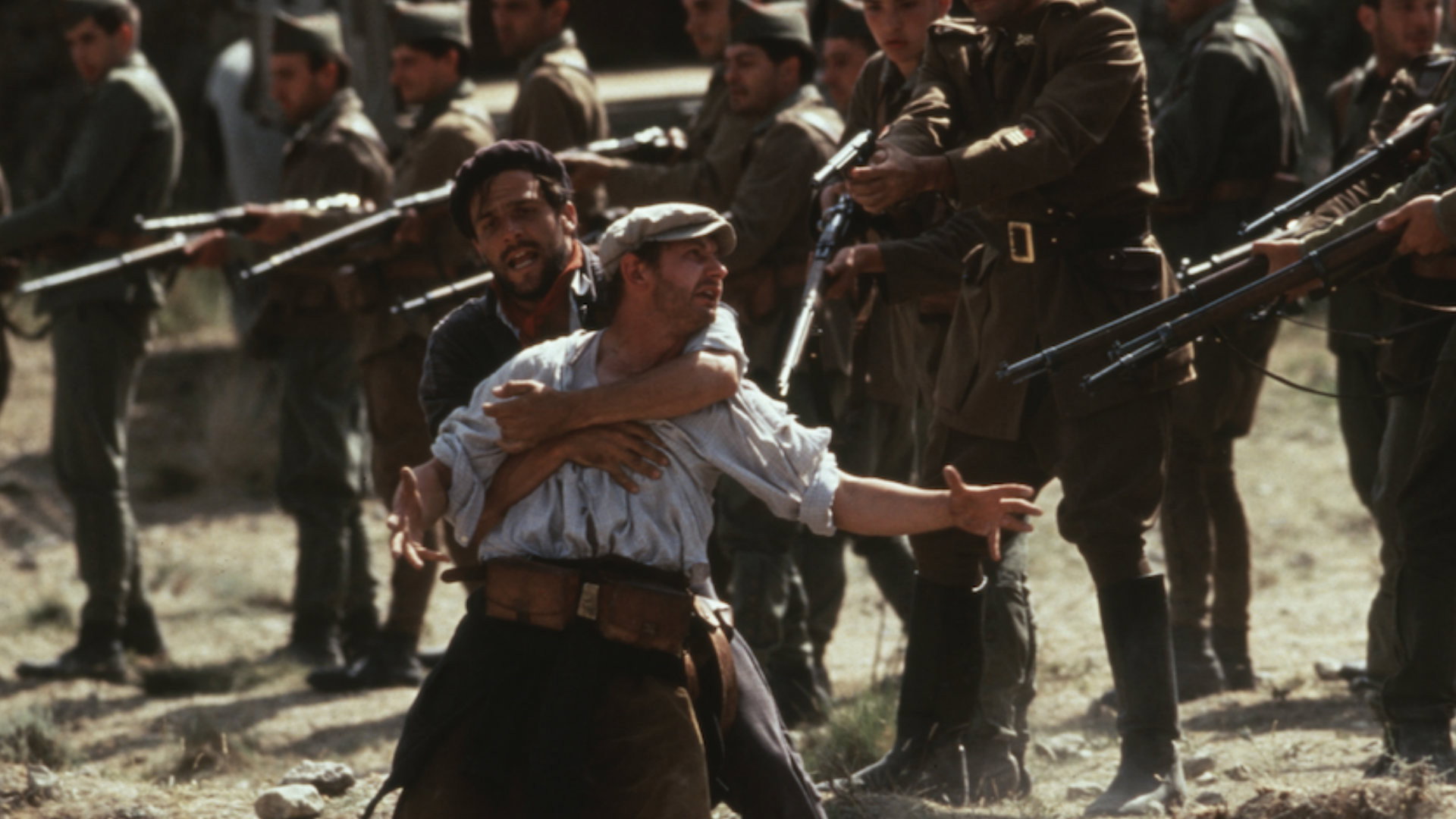
Barry Ackroyd’s cinematography gives the front-line fighting a raw, immediate quality. The action is forceful without making the volunteers look invulnerable, and the documentary feel helps it sit beside the conversations rather than compete with them. Martin Johnson’s production design is persuasive in the Republican trenches, where the setting never distracts us from the people occupying it. These are places we accept as part of their daily lives.
Jonathan Morris’s editing allows the arguments space, a decision that carries a risk in a film with combat to return to. Allen occasionally lets a point go on after it is clear, but cutting every discussion to brisk exchanges would lose the sense of people thinking things through together. George Fenton’s score is a supporting presence, and that suits a film whose spoken exchanges already carry so much feeling. The slower passages are not all equally absorbing.
The framing story involving David’s granddaughter is less convincing. Loach and Allen seem anxious that we might fail to understand why this history matters, although the volunteers have already made that clear. It puts a faintly instructive tone around a film that is most persuasive when it lets people speak for themselves.
The attention to disagreements among allies makes a change from war dramas that ask us to admire unity and leave it there. Loach’s fighters can be brave, sincere and still unable to agree, and he allows that difficulty to occupy the film. The 109 minutes ask for concentration, particularly when political loyalties become difficult to follow. See it when you have the patience for people who believe an argument might change something.