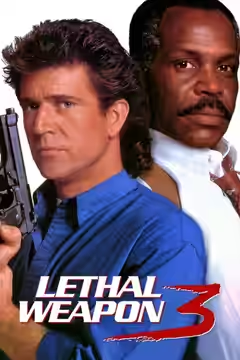
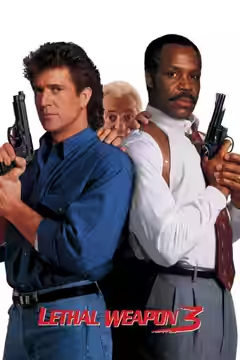
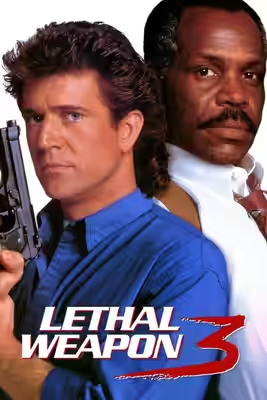
Richard Donner keeps the chases lively and the company agreeable, but Lethal Weapon 3 lets the banter run on while the story runs short. Fans have enough to enjoy; newcomers have little reason to start here.
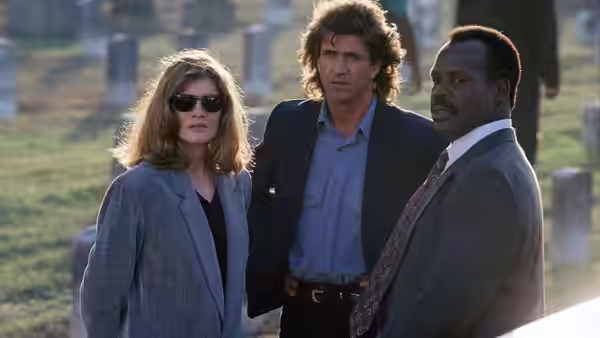
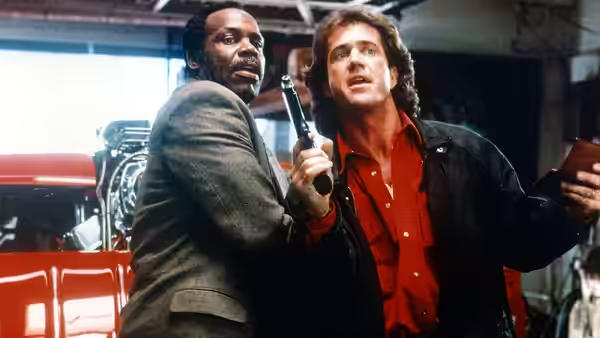
Richard Donner’s Lethal Weapon 3 is a decent action sequel whose chases are sharper than its writing. It knows the pleasure of spending time with familiar performers, and for a while that is enough. Mel Gibson and Danny Glover give Martin Riggs and Roger Murtaugh the easy rhythm needed to make a thin story tolerable. Across 118 minutes, though, the film asks their company to cover too many stretches in which little seems to matter.
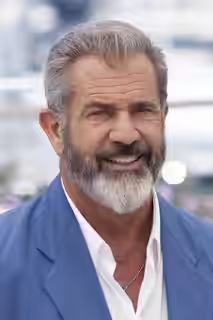
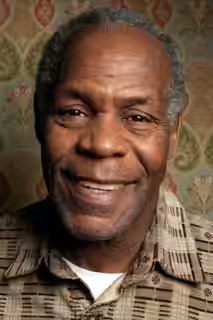
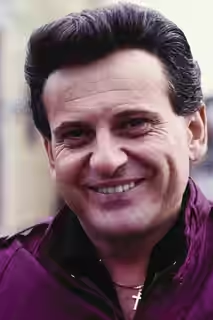
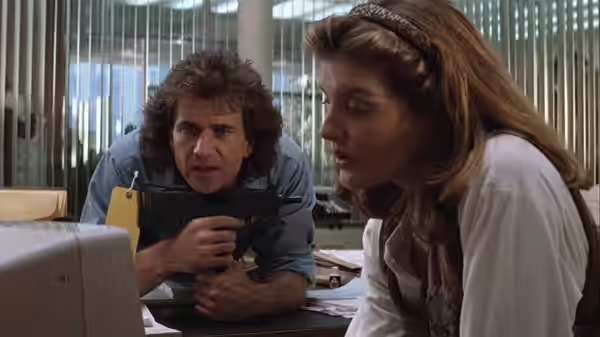
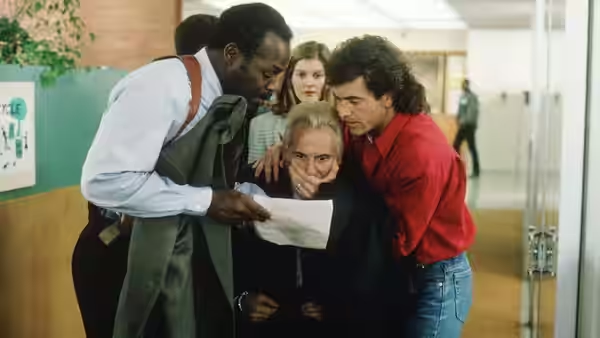
The two leads keep their exchanges loose, which helps when so much depends on the appeal of their banter. Their familiarity is enjoyable, but the script keeps giving them more to say after a scene has made its point. Joe Pesci’s Leo Getz adds comic energy, although another lively presence does not mean every conversation needs another joke. The actors work hard to keep all this agreeable, even when the dialogue should have stopped.
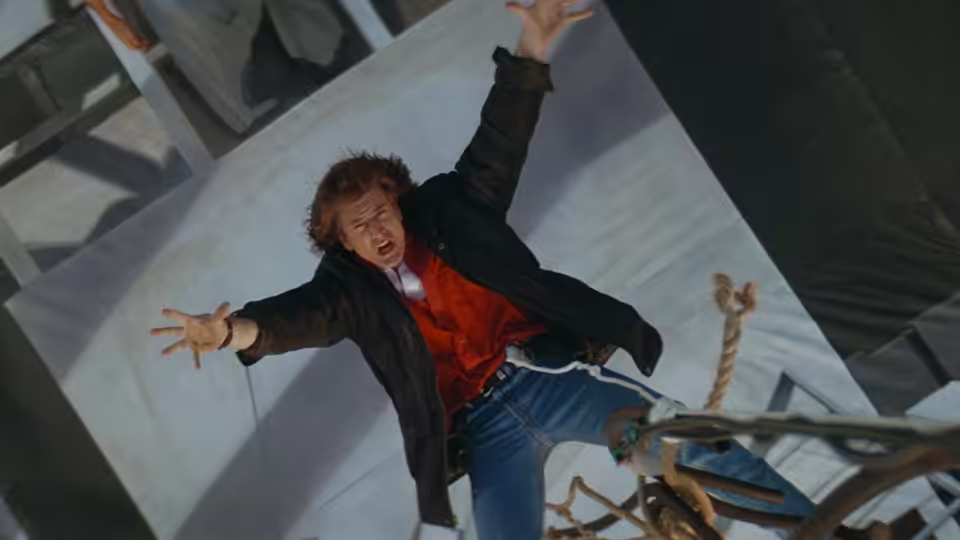
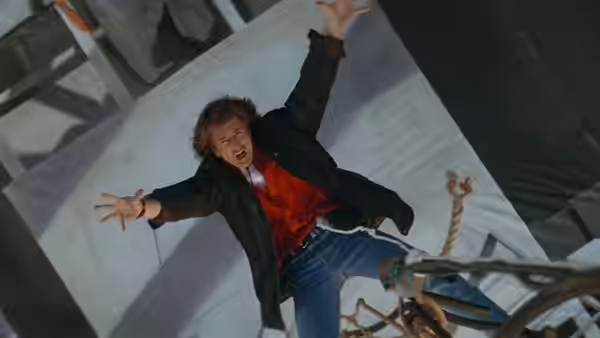
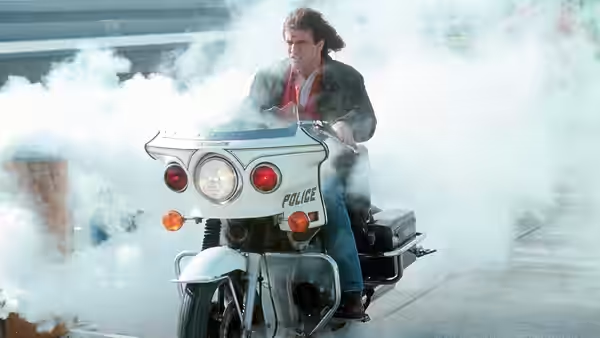
The strongest case for the film is the wrong-way freeway chase. We were properly tense: oncoming traffic gives the danger a simple, immediate shape that the larger crime story seldom finds. Jan de Bont’s cinematography makes the speed and scale count, and Richard Donner handles the pursuit with an assurance the dialogue scenes could use. There is pleasure here in action that knows where its excitement lies and does not need the villain to become interesting first.
Editors Robert Brown and Battle Davis help sustain that forward movement, but the film feels much less disciplined when the talking begins. A joke lands, the exchange continues, and the next burst of action starts to feel overdue. James H. Spencer’s production design supports the scale of the set pieces without demanding attention for its own sake. The craft makes the mayhem enjoyable to watch, although it cannot make each incident feel necessary.
The chief weakness is the screenplay by Robert Mark Kamen and Jeffrey Boam, which gives the performers plenty to do without giving the crime story enough weight. Stuart Wilson’s Jack Travis is an underwritten adversary, and the film offers too little reason to take an interest in him beyond the trouble a villain is required to cause. That matters in a thriller, even a cheerful one. A stronger opponent would give the chases a purpose beyond another opportunity to watch these actors in motion.
The music from Eric Clapton, Michael Kamen and David Sanborn encourages the film’s relaxed confidence, which is pleasant company until a scene needs more urgency. It suits the joking more comfortably than the attempts at threat. As a buddy thriller, the film understands that affection for the leads can survive a routine case. Richard Donner relies on that affection too heavily, allowing the partnership to repeat itself when some fresh friction would have helped.
We would save this for an evening when familiar banter is part of the attraction. Anyone coming mainly for a tight crime story should look elsewhere, because the film spends its energy on the company and the collisions. Stay for the chases; do not expect the case to reward close attention.