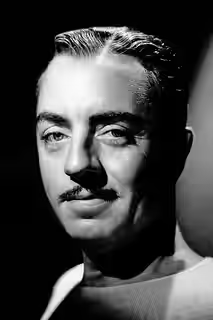
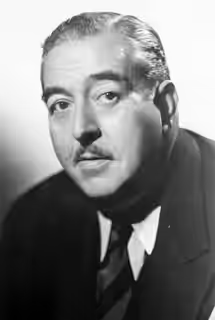
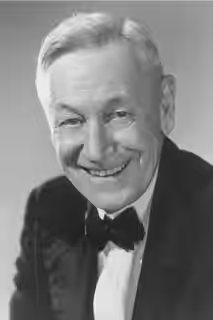
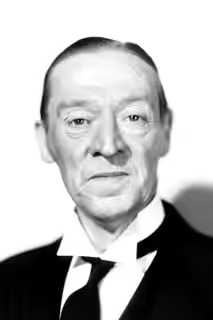
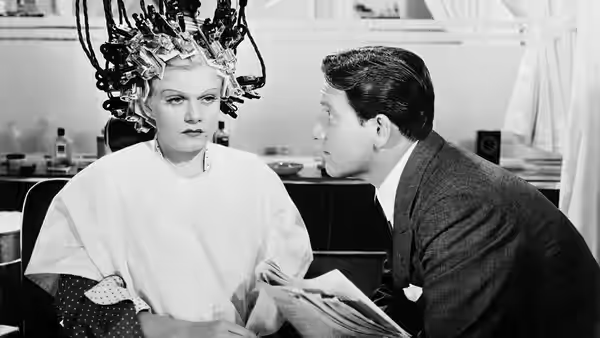
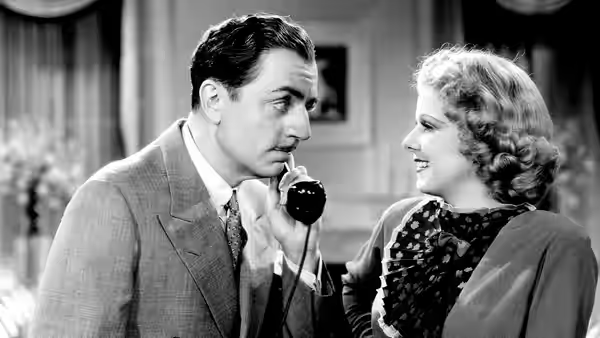
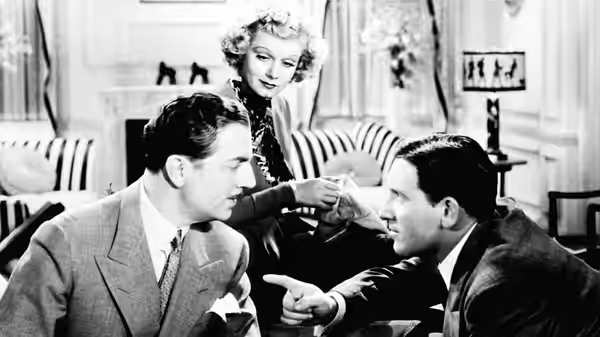
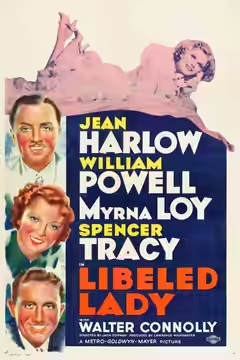
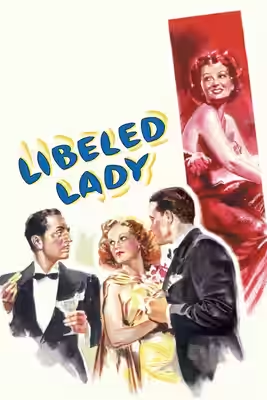
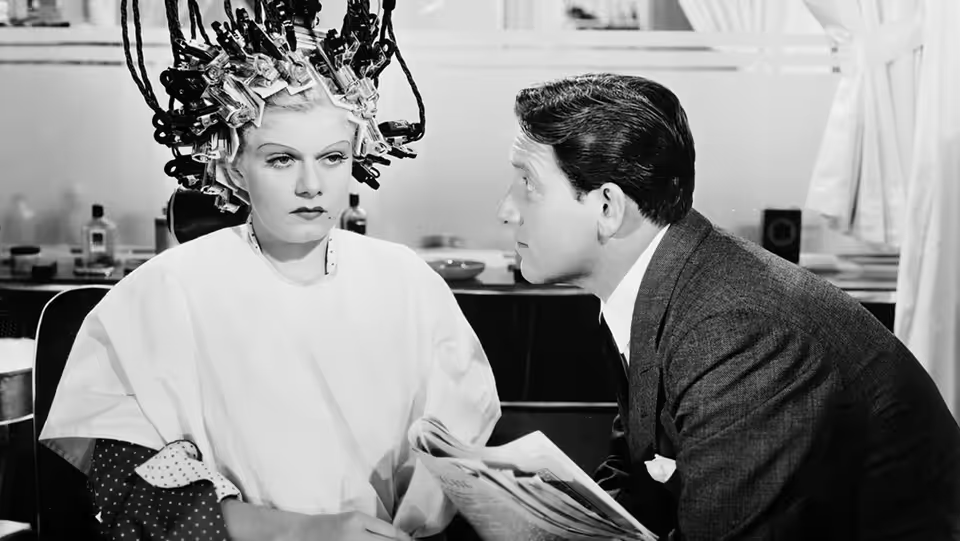
Jean Harlow as Gladys with hair in curlers faces William Powell as Bill Chandler
Film review

Libeled Lady

1936 · Directed by Jack Conway · 1h 38m

In a sentenceA newspaper editor lends his fiancée to a colleague for a libel scam and expects her back in the same condition

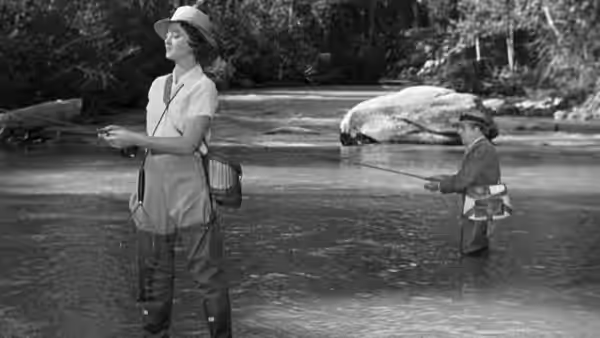
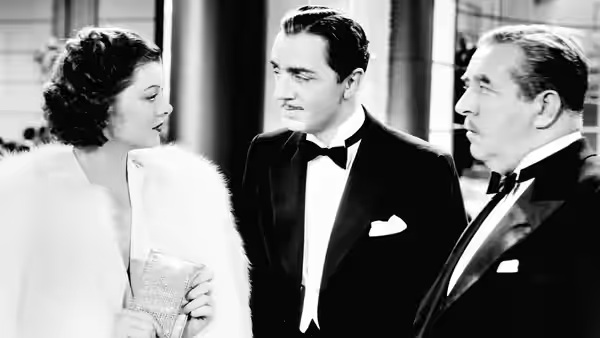
Haggerty (Spencer Tracy), a managing editor, is minutes from marrying Gladys (Jean Harlow) when his paper prints a story it cannot prove: that the heiress Connie Allenbury (Myrna Loy) has broken up a marriage. She sues for libel, and the publisher, Mr. Bane (Charley Grapewin), wants it gone. Haggerty postpones the wedding and hires Bill Chandler (William Powell) to make the story true after the fact. Chandler marries Gladys in name only, boards the liner carrying Connie and her father, Mr. Allenbury (Walter Connolly), and sets out to be caught with her as a married man. He takes a fishing lesson from an instructor (E. E. Clive) to impress her father, while Gladys, who agreed under protest, begins to wonder who is being fooled.

Plays from YouTube when you press play; nothing loads from them until then.

Fi1m review

Jack Conway’s newspaper farce gives Powell, Loy, Harlow and Tracy a scheme with too many moving parts and lets them talk their way through it. The plot creaks in the last twenty minutes; the talk never does.

A managing editor named Haggerty (Spencer Tracy) is on his way to the altar when his paper prints a story it cannot stand up: that the heiress Connie Allenbury (Myrna Loy) has broken up a marriage. She sues. Rather than apologise, Haggerty decides to make it true after the fact. He hires Bill Chandler (William Powell), a former newspaperman between jobs, marries him in name only to his own fiancée Gladys (Jean Harlow), and packs him off to charm Connie so she can be caught with a married man. It is a bad idea, and Jack Conway’s film knows it. The pleasure is in watching four professional liars try to make it work.

The talk is the thing. The screenplay is credited to George Oppenheimer, Howard Emmett Rogers and Maurine Dallas Watkins, from a story by Wallace Sullivan, and the lines come fast and land clean. Powell does what he did best: says something outrageous in the voice of a man ordering lunch. Harlow’s Gladys is the one character who says what she thinks, loudly and at once, and the film is kinder to her for it than the men in it are. Tracy keeps Haggerty light and slightly desperate, a man who has had a good idea every ten minutes for twenty years and is starting to run out.

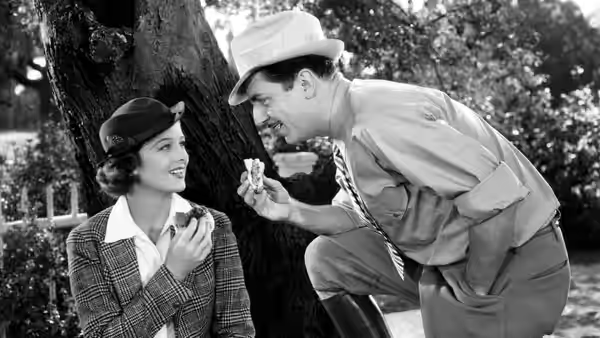
We laughed out loud at the stretch where Chandler learns that Connie’s father (Walter Connolly) is a fishing man and sets about becoming one. A fishing instructor (E. E. Clive) tries to teach him to cast. Powell holds the rod as if it might go off. He asks questions with the confidence of a man who has read about fishing and understood none of it, and E. E. Clive answers with the weariness of a man who has met that man before. It is the funniest thing in the film and nobody in it raises their voice.

Norbert Brodine shoots it the MGM way, so Harlow is lit like something on a jeweller’s counter, white satin and pale hair against dark rooms, and Loy is given softer, warmer light the moment the film wants us to like her. The liner, the hotel suites and the Allenbury house are large and bright, and the camera mostly stands still and lets the people cross them. William Axt’s music does its job and gets out of the way. Fredrick Y. Smith cuts to the dialogue rather than the action, which is right for a film in which almost nothing happens that is not said.

What does not work is how much plot there is. Every character has a scheme, every scheme needs a scene to explain it, and the last twenty minutes are spent on marriage law and paperwork. Connie is the thinnest part: for the first half she exists to be lied to, and Loy has to build a person out of reaction shots until the script remembers to give her something to want. The Tracy and Harlow engagement, meant to be the heart of the thing, drifts out of sight for long stretches and has to be fetched back. Around the eighty-minute mark we noticed we were waiting for the explanations to finish rather than enjoying them.

One review calls the film an excuse for its stars to coast. We would put it differently: they are doing what they were paid for, and it takes more skill than it looks. The smaller parts earn their keep too. Mrs. Burns-Norvell (Cora Witherspoon), a shipboard gossip with a daughter to marry off, and Mr. Bane (Charley Grapewin), the publisher who wants the lawsuit gone, are each sketched in a couple of scenes.

Powell and Loy had already made The Thin Man two years earlier, and the ease between them here is the same; the difference is that Nick and Nora were on the same side. My Man Godfrey, also from 1936, gave Powell a better-built film to be smooth in. Libeled Lady is a rung below those, and a rung is not far.

Watch it on a wet evening with someone who likes to hear people talk. It runs 98 minutes, and for about eighty of them you will not notice.

Critical consensus AI synthesised

66
Positive
3
Mixed
1
Negative
0
The New York Times
31 October 1936
70*

The critic finds it a thoroughly agreeable sardonic comedy with slapstick and farce elements that takes liberties with the press and justice in the merriest of moods. The perfect light-comedy foursome of Jean Harlow, Myrna Loy, William Powell, and Spencer Tracy is singled out as a key asset.

Read the full review →
Variety
31 December 1935
70*

The critic calls it a sockeroo comedy despite going overboard on plot and occasional pacing issues. The strong performances by William Powell, Spencer Tracy, and Jean Harlow are singled out as lending themselves perfectly to the broad farce.

Read the full review →
Slant Magazine
3 March 2005 · Jeremiah Kipp
50*

The critic finds the film a familiar and lukewarm screwball comedy whose hackneyed plot serves mainly as an excuse for its stars to coast on familiar charm. Powell, Loy, and Harlow are singled out for their engaging chemistry and performances, especially in the Powell-Harlow scenes that add some suspense.

Read the full review →
Eye for Film
6 February 2016 · festival review · Jennie Kermode
75*

The critic finds the film a cheery and entertaining screwball comedy buoyed by strong chemistry between its leads. She singles out the playful plot for carrying the viewer along despite some underdeveloped characters.

Read the full review →

Straight answers AI written, from our review

Is Libeled Lady worth watching?
Libeled Lady is worth watching for anyone who likes to hear four good actors talk fast, and we scored it 77. Powell, Loy, Harlow and Tracy carry a libel scheme with too many moving parts, and the fishing lesson alone earns the evening. The last twenty minutes bog down in marriage law and paperwork, so expect the plot to creak before the talk does.
How long is Libeled Lady, and what is it rated?
Libeled Lady runs 1h 38m. It is a comedy and romance film.
Where can I watch Libeled Lady in Chile?
Libeled Lady is not on any streaming or rental service in Chile at the moment. It is available in 2 other countries; change your country at the top of the page to see where. Availability is checked daily.
How does Libeled Lady compare to The Thin Man?
Libeled Lady is a rung below The Thin Man, and a rung is not far. Both give Powell and Loy the same easy rapport, but in the earlier film they are on the same side, and that marriage carries a slighter murder plot without strain. Here they are set against each other in a farce with more scheming than it can tidy up, so The Thin Man is the better-built film, while Libeled Lady offers Harlow and Tracy as well.
What should I watch after Libeled Lady?
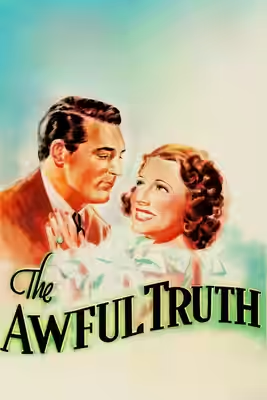
After Libeled Lady, try The Thin Man (1934, Fi1m 84): Powell and Loy on the same side for once, with a corpse and a terrier. Then His Girl Friday (1940, Fi1m 90): The newspaper comedy at full speed; every line arrives before the last one has landed; and The Awful Truth (1937, Fi1m 89): A divorce nobody wants, played by two people who know exactly how funny they are.

Cast

Awards

Academy Awards, 1937

Nominated
Best Picture

If you liked this, try…

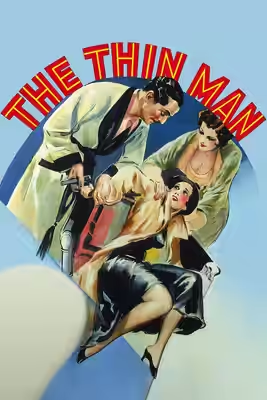
  1. The Thin Man (1934, Fi1m 84)Powell and Loy on the same side for once, with a corpse and a terrier.

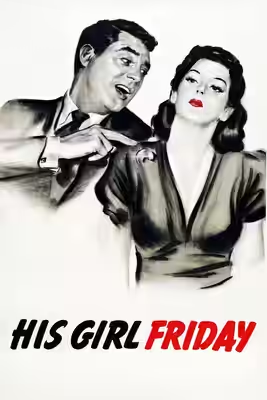
  2. His Girl Friday (1940, Fi1m 90)The newspaper comedy at full speed; every line arrives before the last one has landed.

  3. The Awful Truth (1937, Fi1m 89)A divorce nobody wants, played by two people who know exactly how funny they are.

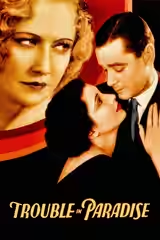
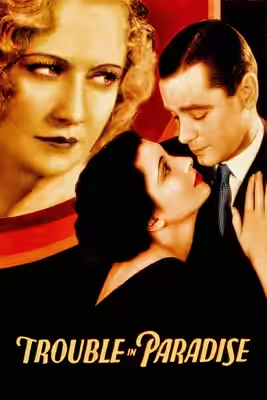
  4. Trouble in Paradise (1932, Fi1m 84)Lubitsch’s thieves are the smoothest liars in the genre, and the quietest.

  5. Intolerable Cruelty (2003) · not reviewed yetThe Coens revive the marriage-as-contract farce with Clooney doing a Powell impression in all but name.

Free account

Know what to watch tonight

Two lists that know where things are streaming, collections you can share, your own score beside ours, and Discover that remembers what you have seen.

  • Want to see, sorted by what is streaming now
  • Seen, with your score out of ten
  • No adverts, ever