Jonathan Dayton and Valerie Faris make a funny, tender family comedy whose cast keep its contrivances tolerable. It is less convincing when it tells us what to think about winning.
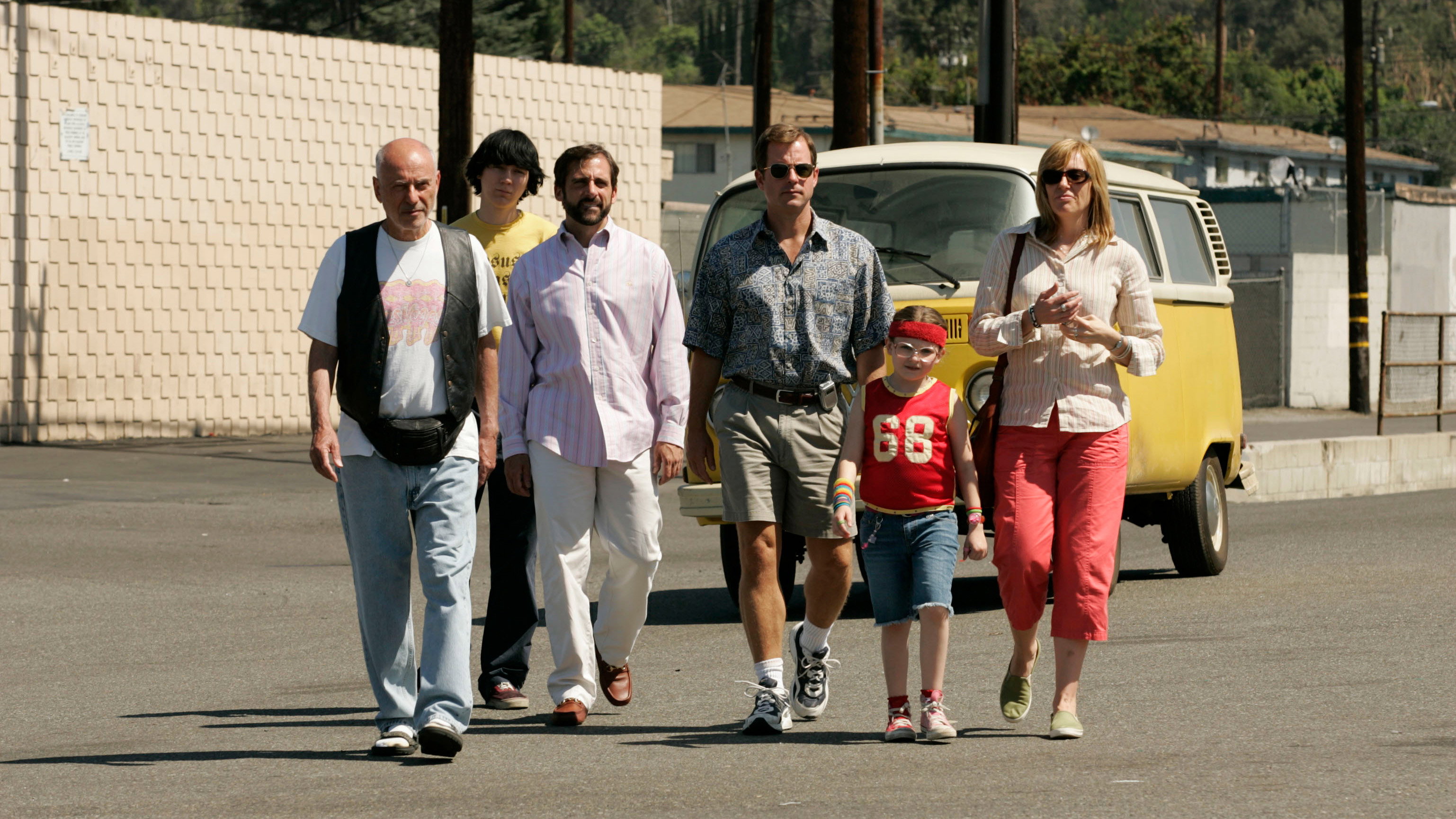
Little Miss Sunshine is a good family comedy with an unusually reliable cast and a script that sometimes makes life too convenient for them. Jonathan Dayton and Valerie Faris use a road trip to put people with incompatible ideas of success in close quarters. The journey gives everyone time to irritate everyone else, and the humour comes from recognising how little provocation relatives need. We recommend it for those arguments and the performances; its lessons about being yourself are familiar enough to need less explaining.
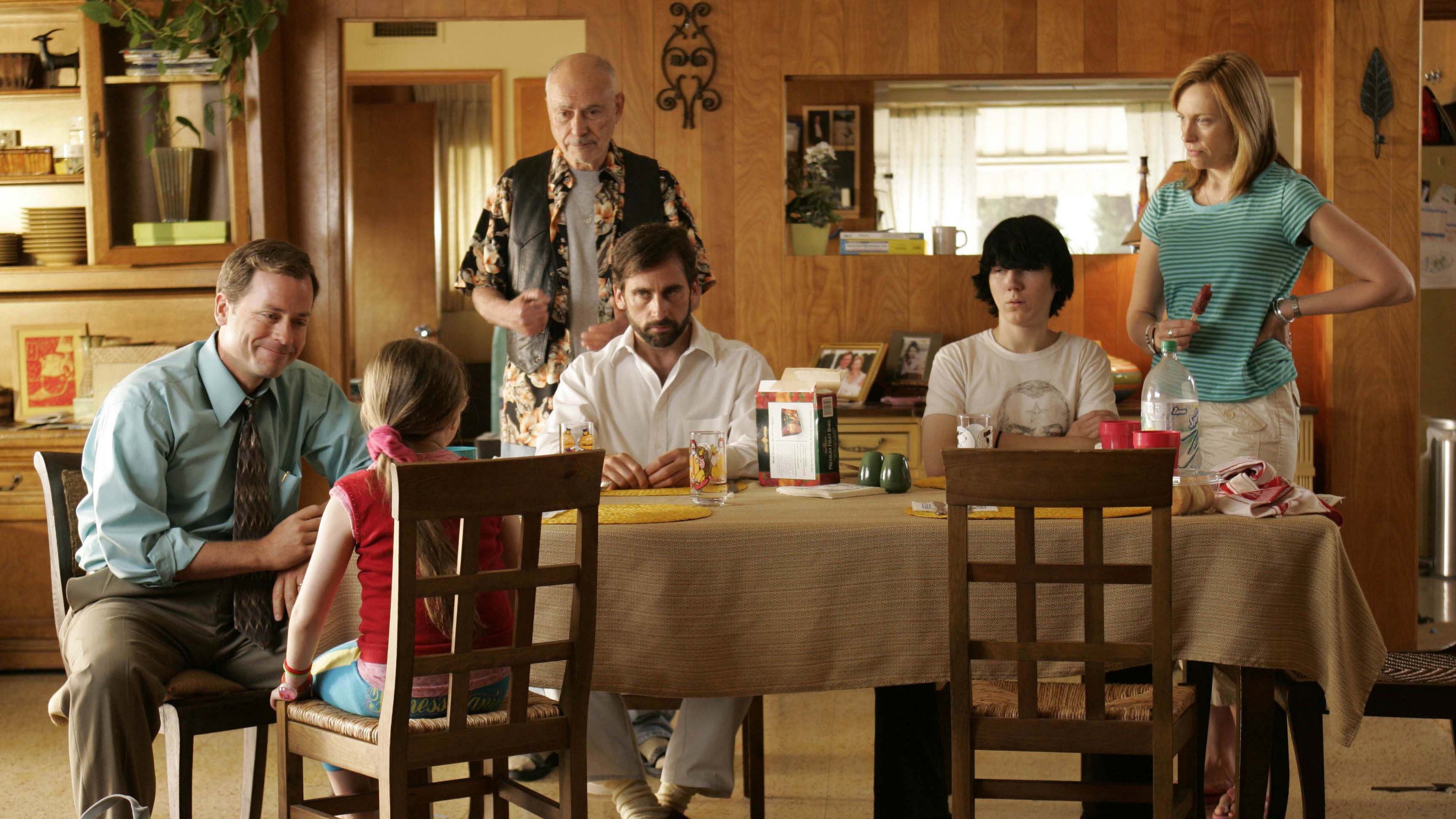
Michael Arndt’s screenplay starts with a useful problem: people who belong to the same family do not necessarily agree on what a worthwhile life looks like. Competition gives them something to argue about beyond whose feelings have been hurt. At its strongest, the writing lets an ordinary exchange become uncomfortable before anyone has quite realised what they have said. We laughed at the chaotic dinner scene because the cast make mutual irritation feel so familiar. Everyone seems to have arrived with an entirely different idea of how the conversation ought to go.
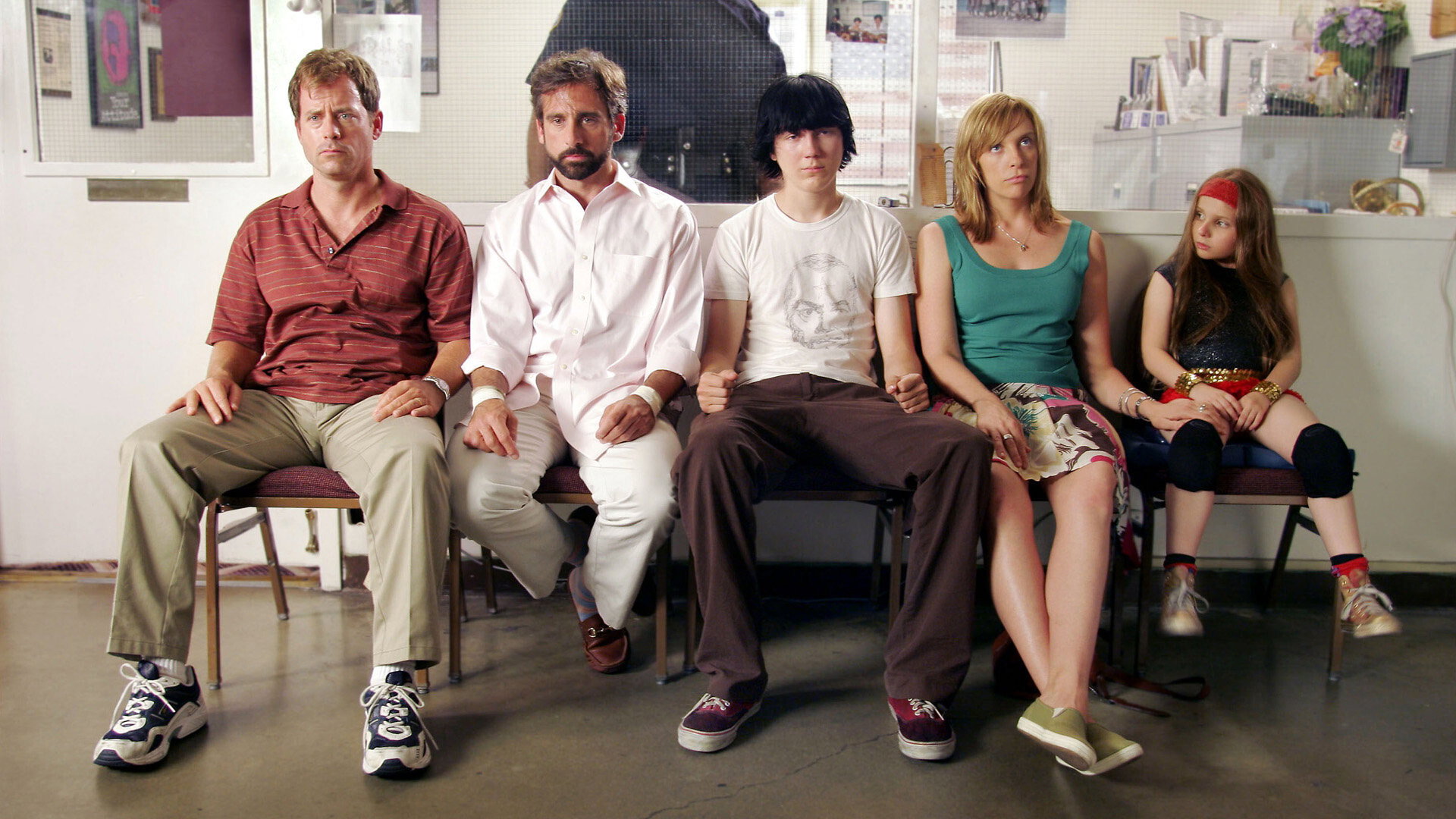
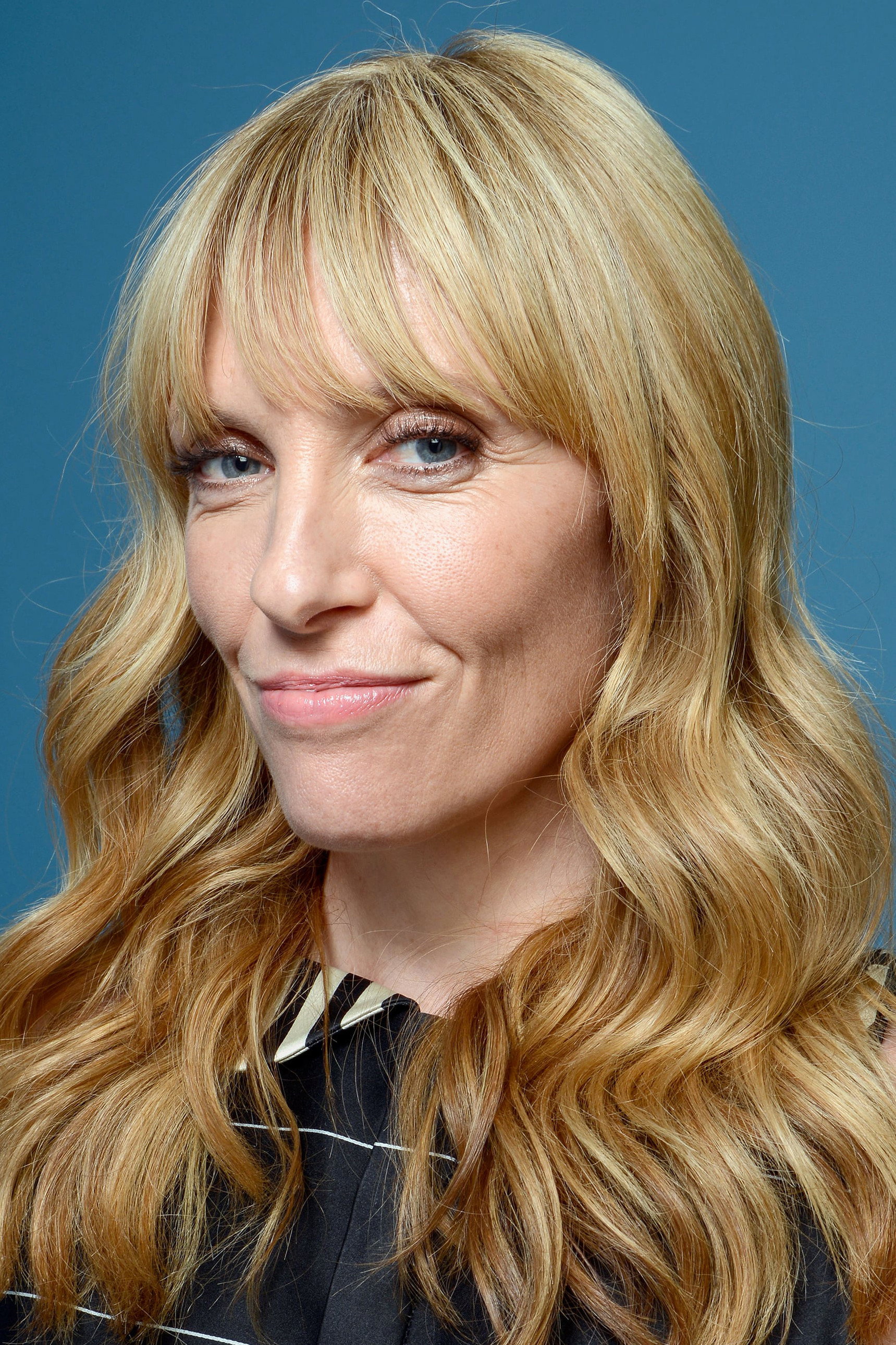
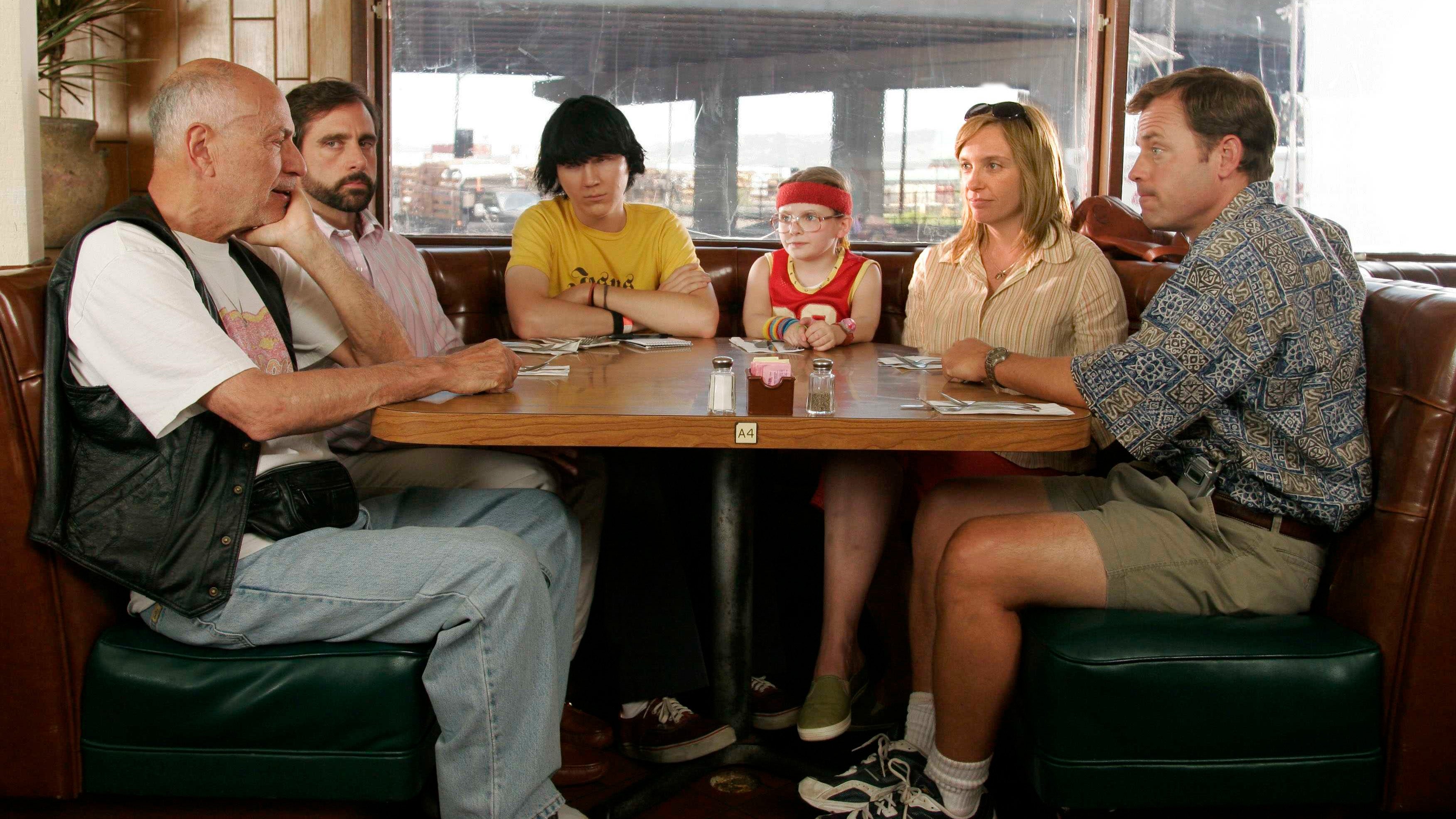
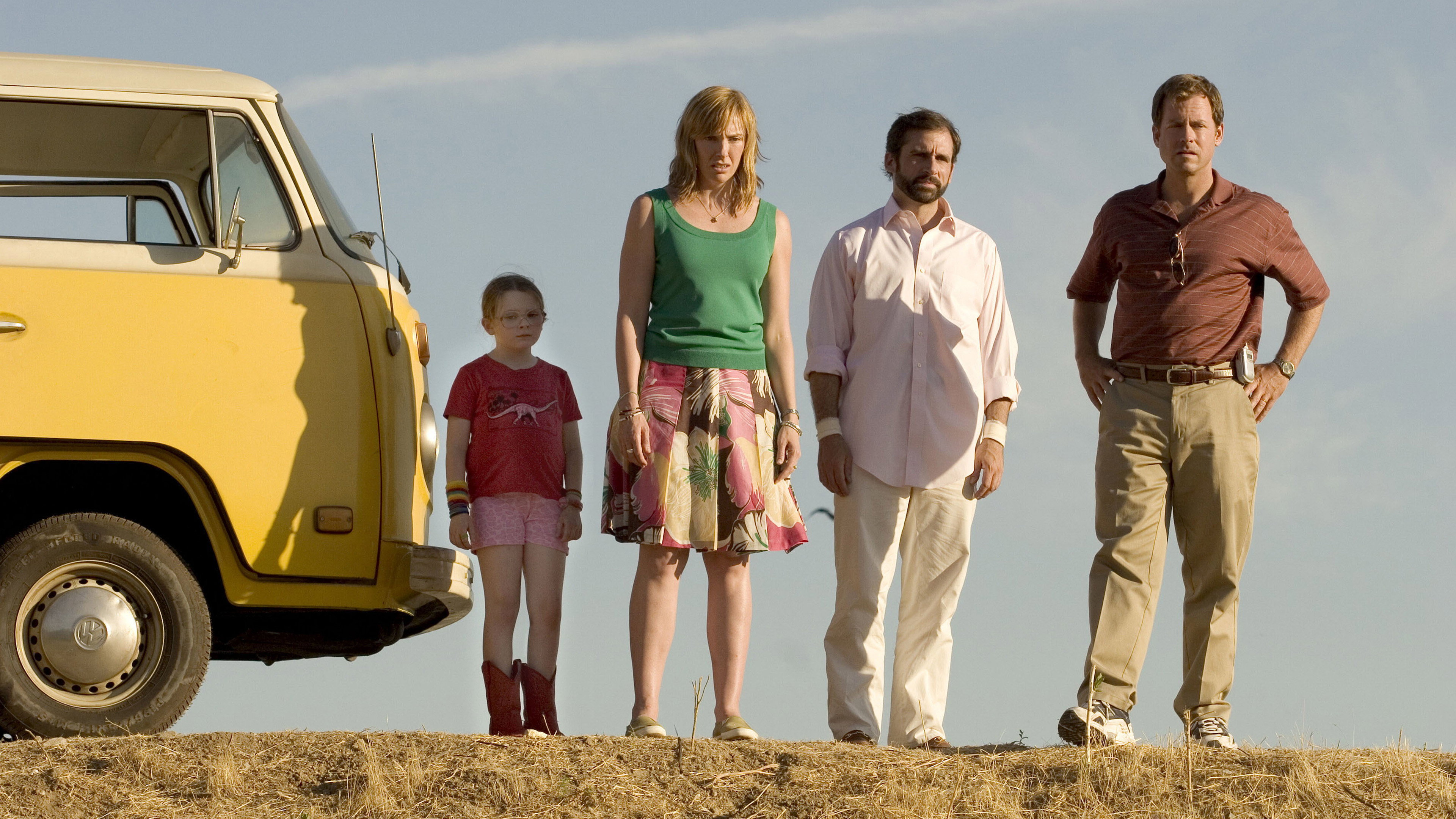
Greg Kinnear and Toni Collette are especially good at keeping Richard and Sheryl Hoover recognisable beneath the screenplay’s allotted eccentricities. Kinnear allows Richard to be difficult company without making his every appearance a cue to groan, while Collette gives Sheryl the practical weight the comedy needs. Paul Dano’s Dwayne has a place in the family even when he seems to want no part of it. Dayton and Faris are patient with these people, which helps when Arndt has been rather efficient about assigning each a difficulty.
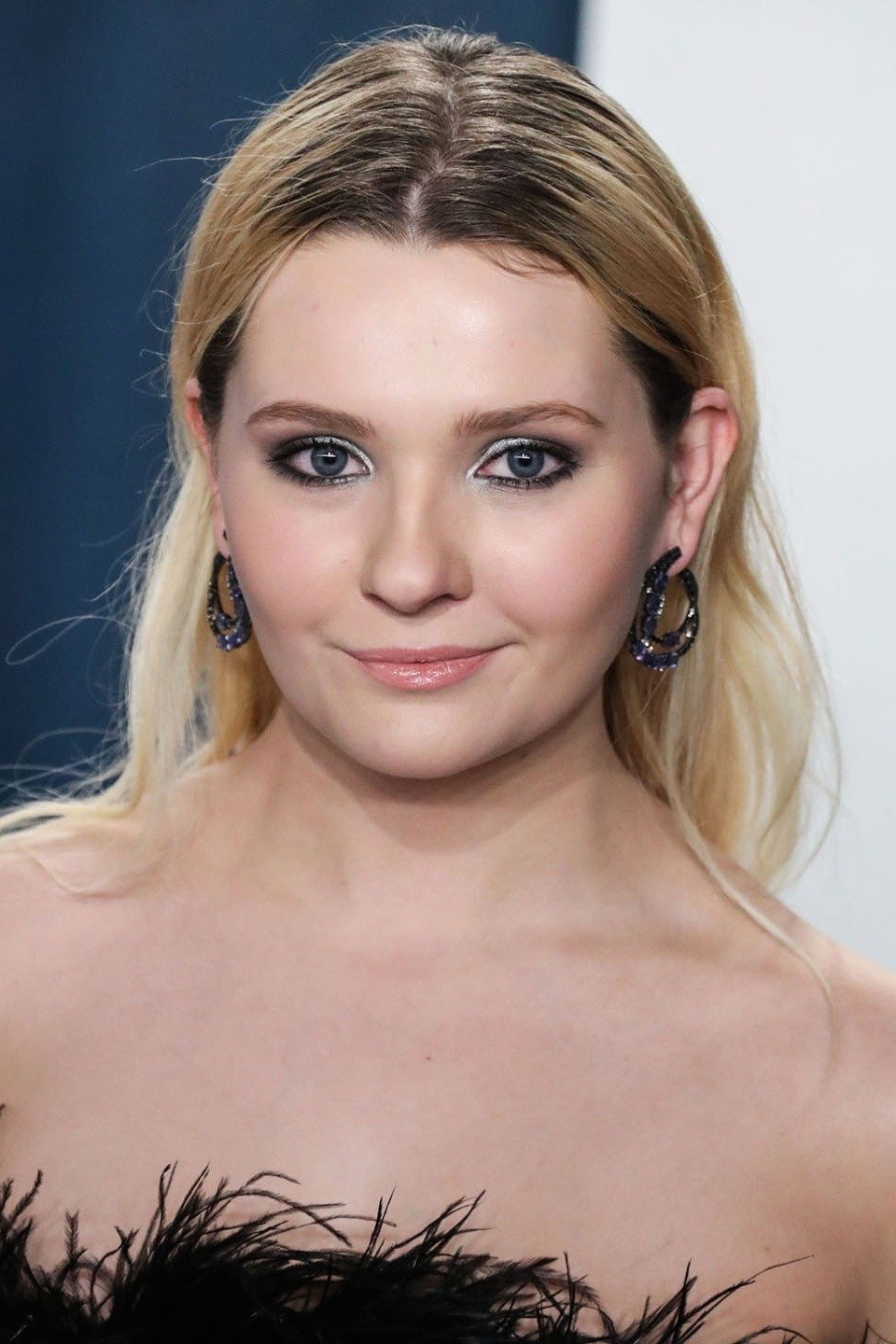
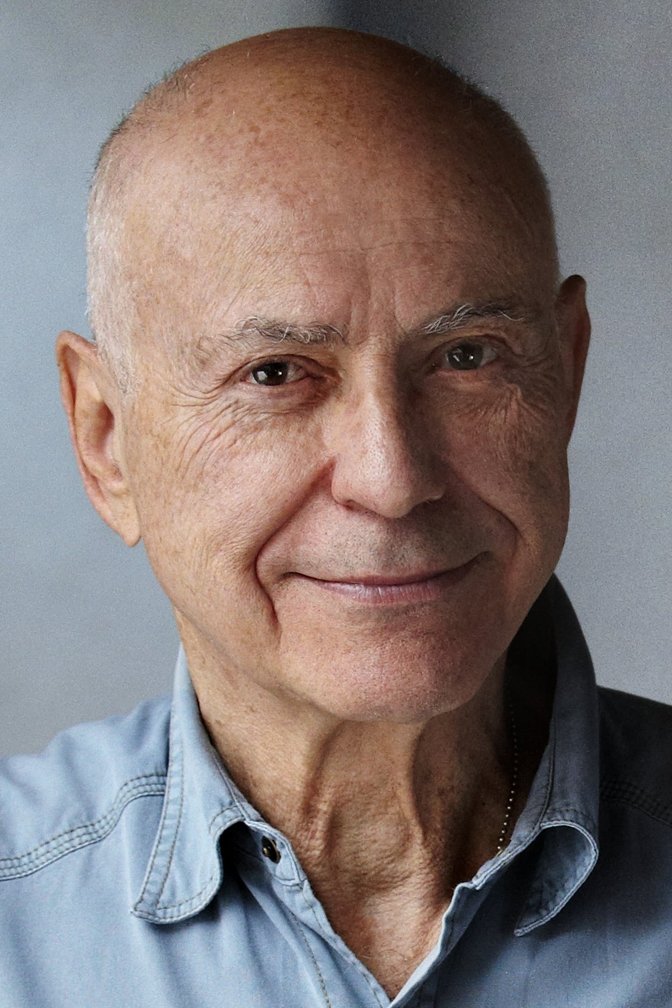
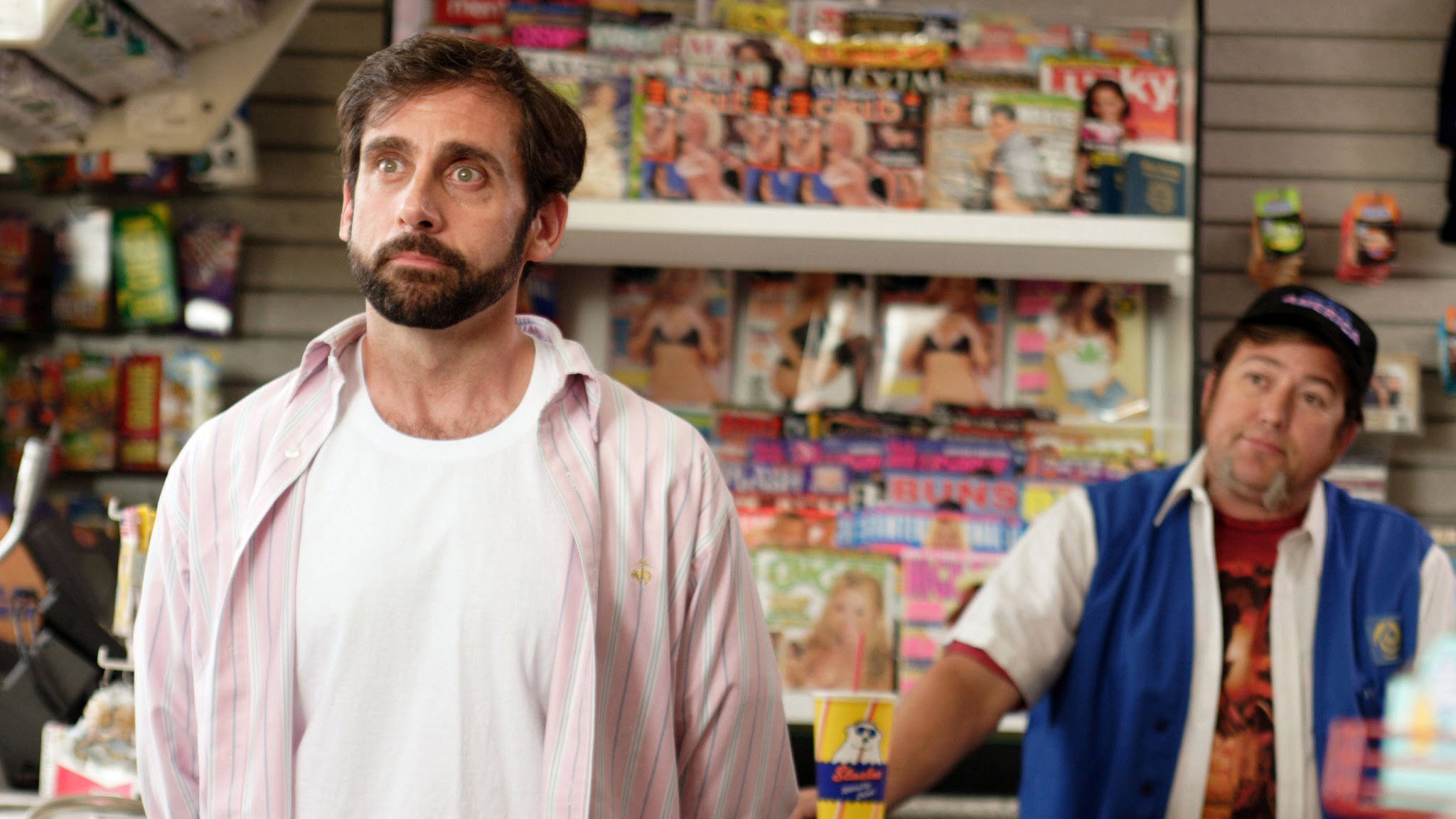
Steve Carell, as Frank Ginsberg, gets laughs without insisting that we find him funny, and Alan Arkin gives Edwin Hoover a welcome impatience. Their timing stops several exchanges from becoming demonstrations of how unusual this family is. Abigail Breslin’s Olive is the essential presence, though. Breslin makes Olive’s hopes matter without asking for indulgence, and that gives the adults’ complaints a useful scale. We care about what their behaviour does to her, even when we have heard enough of their grievances.
Tim Suhrstedt’s camerawork and Pamela Martin’s editing are occasionally too restless for this cast. The actors often do enough with a pause or a look that we would prefer the film to leave them alone. Kalina Ivanov’s production design keeps the surroundings unshowy, which helps the performances feel less like a parade of eccentricities. The music by DeVotchKa and Mychael Danna can press the tenderness harder than necessary. A little less encouragement to be moved would have served these performances better.
The larger reservation is Arndt’s determination to make disappointment reassuring. Some of the road trip’s contrivances are too visible, and the satire of competitive life grows cautious around the subject of child beauty pageants. The film knows that judging children this way is unpleasant, but it prefers an agreeable message about self-respect to a difficult examination of the adults doing the judging. That choice keeps the comedy companionable, though it also makes its supposed rebelliousness feel rather safe.
Among family road comedies, this earns its warmth through unusually attentive ensemble acting, even when the script has already decided what everybody should learn. At 102 minutes, there is enough pleasure in the company to forgive the nudges. Watch it with relatives who can recognise themselves in an argument without needing to resume it.