Greta Gerwig’s affectionate adaptation gives the March sisters room to disagree, and Saoirse Ronan and Florence Pugh make those disagreements matter. A few impatient jumps through time are a small price for such absorbing company.
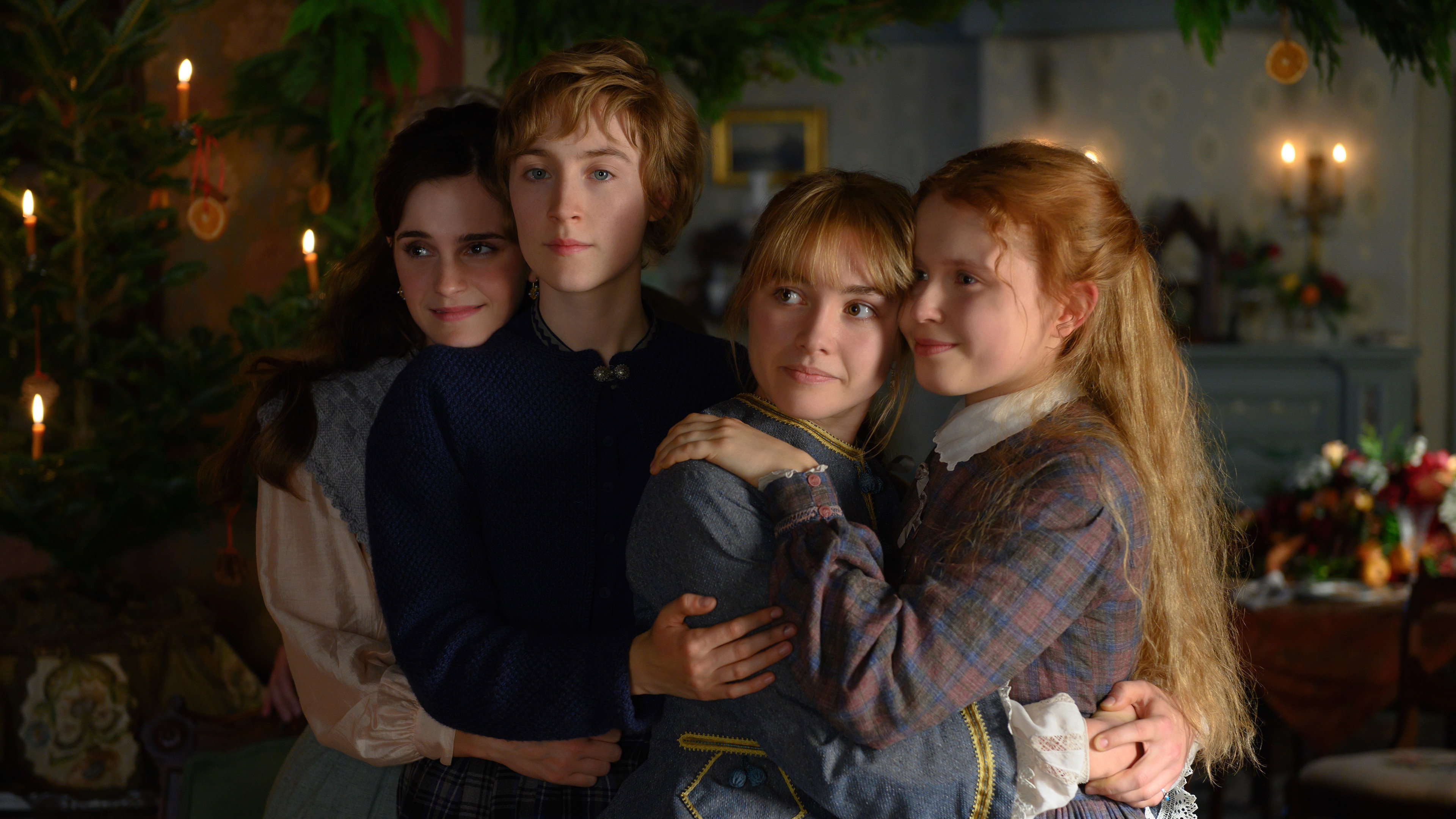
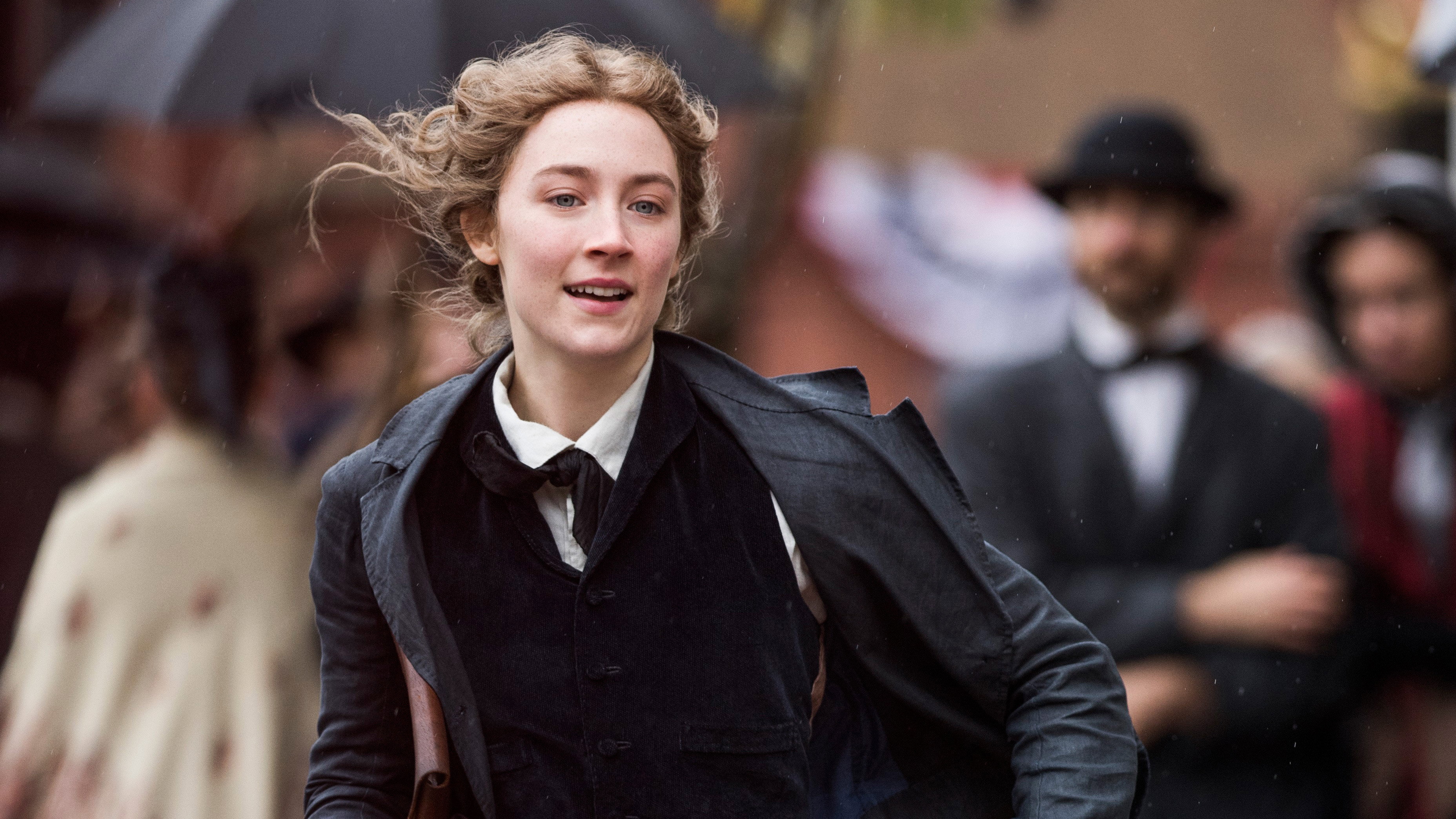
Greta Gerwig’s Little Women is an absorbing family drama, warmly recommended despite a few interruptions from its restless editing. Her screenplay, adapted from Louisa May Alcott’s novel, takes the March sisters’ different ambitions seriously and lets them be difficult about pursuing them. Marriage, paid work and the desire to stay close to home all receive a fair hearing. There is plenty of affection here, along with the irritation of living among people who know your faults.
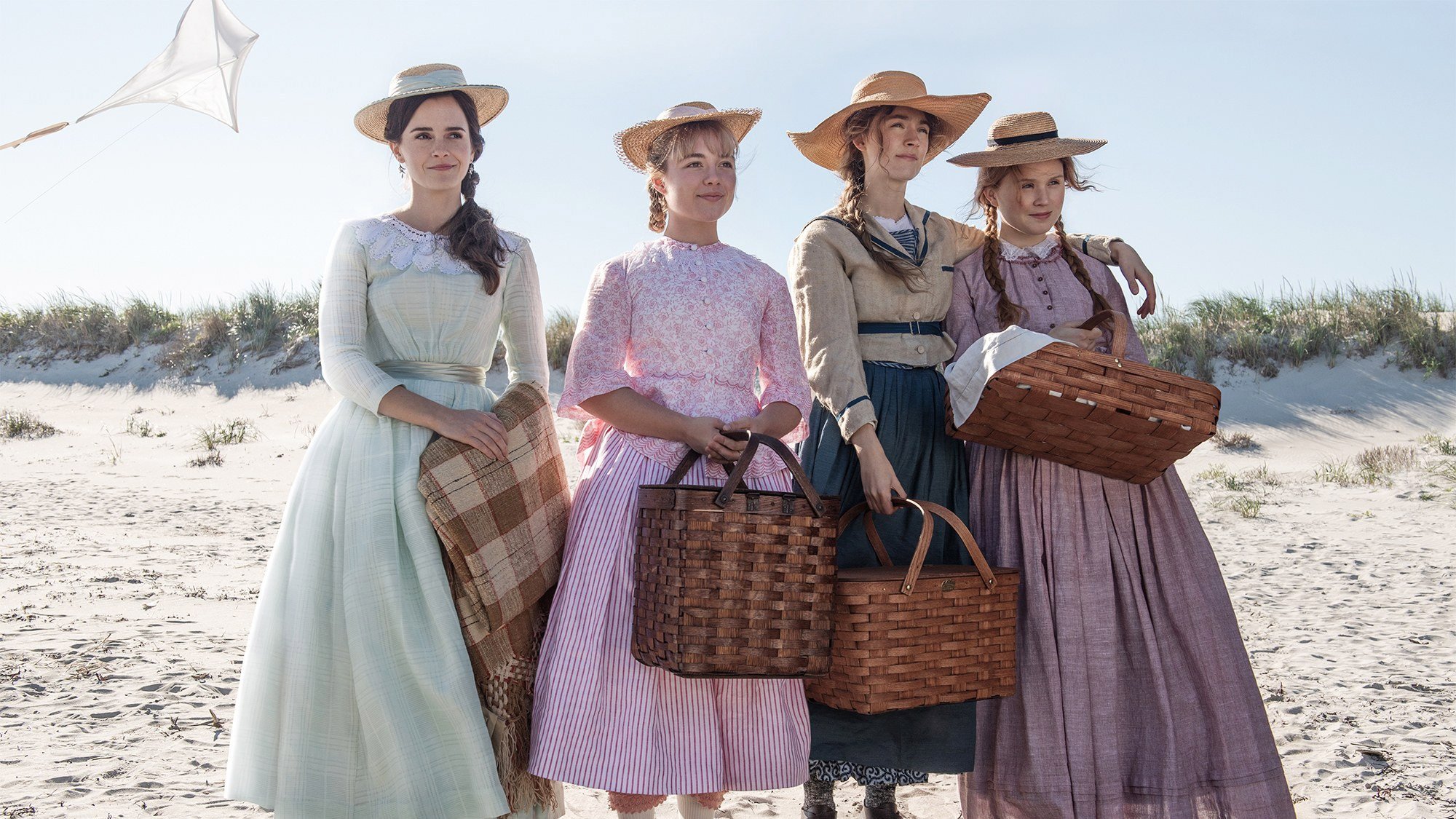
Saoirse Ronan plays Jo March with an impatience that can be funny and wearing, often at once. Jo’s wish to write feels urgent, and the performance makes room for the selfishness that can accompany such determination. Emma Watson’s Meg March and Eliza Scanlen’s Beth March help establish that a quieter wish deserves attention too, even if neither gets quite the dramatic scope of Jo. The family scenes have the familiar disorder of people who expect to be understood before they have finished speaking.
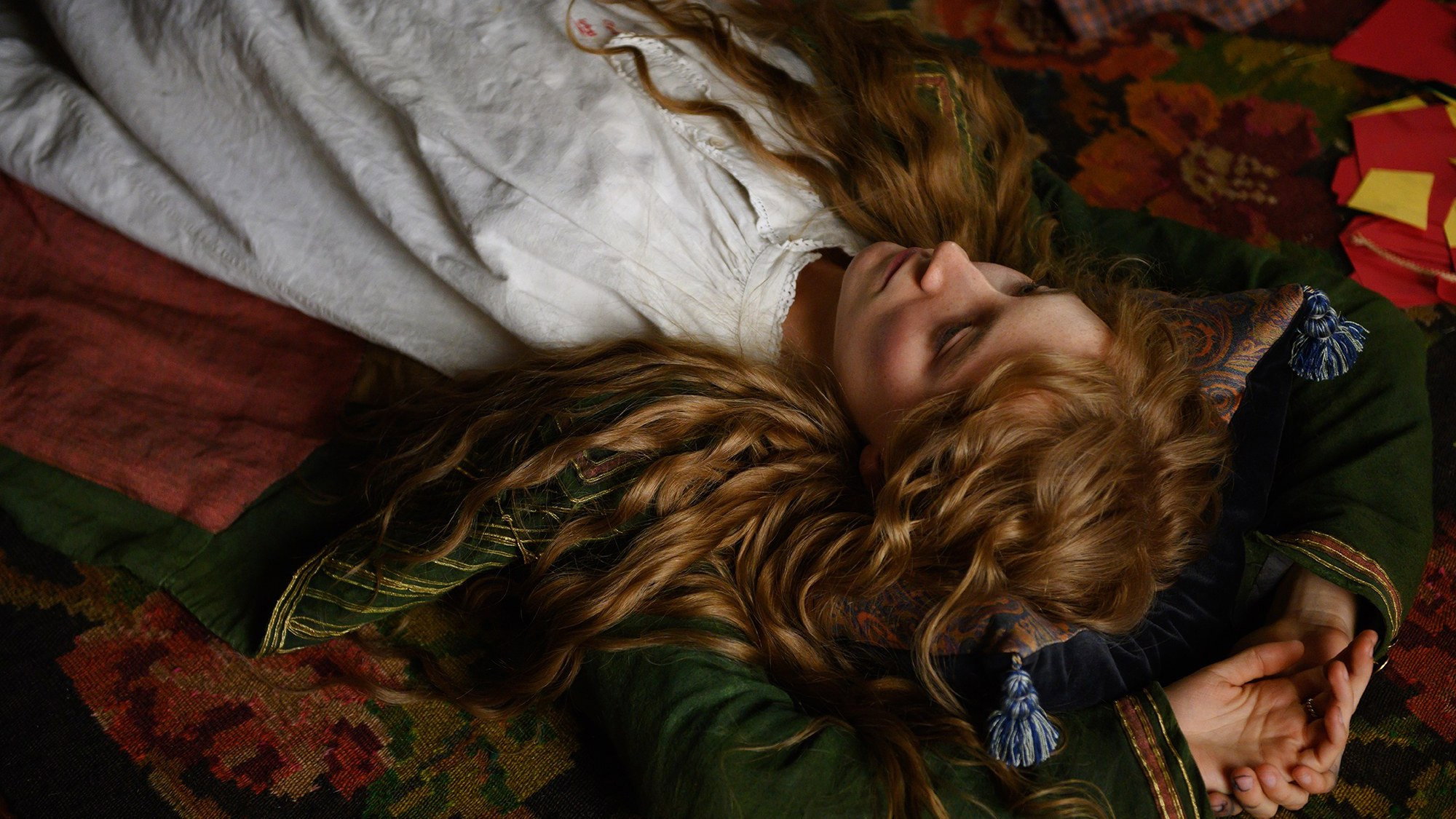
Florence Pugh makes Amy March worth listening to even when she is difficult to like. Her concern with money is practical, and the performance makes clear how little security a woman can take for granted. We felt unexpectedly protective of Amy as she weighed marriage against financial security, because her reasons for wanting a comfortable life seemed so reasonable. There is humour in her self-importance, but the film does not let that become an excuse to dismiss her ambitions.
Yorick Le Saux’s photography gives the family’s shared life an inviting warmth, and the images remain lively enough to keep prettiness from becoming the main event. Jess Gonchor’s production design makes the March household feel inhabited, a place the sisters are accustomed to sharing. Jacqueline Durran’s costumes allow movement, which matters when the performances have so little interest in standing politely for inspection. Their ease in these surroundings helps make the family arguments convincing.
Editor Nick Houy moves between girlhood and adulthood in ways that let one sister’s choice change how we understand another’s. The comparisons are often revealing, although a few transitions pull us away just as a conversation has become absorbing. Alexandre Desplat’s music adds to the bustle and pleasure of the family scenes, but it can sound too eager to keep us delighted. At 135 minutes, the film has room to let an awkward pause or an ordinary sadness last without quite so much encouragement.
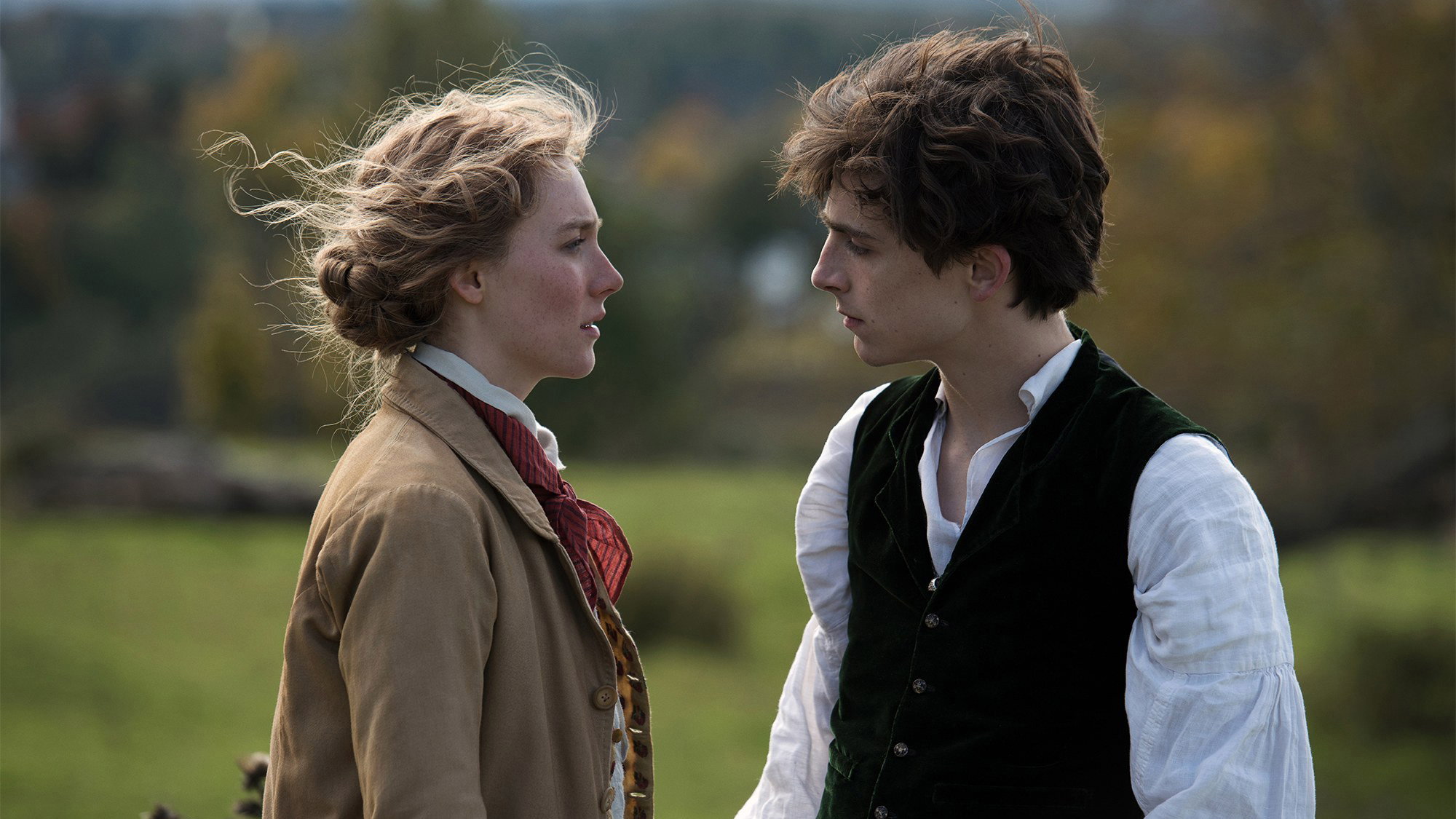
Timothée Chalamet gives Laurie an easy, slightly unruly charm, though our attention keeps returning to the sisters. That is partly the casting and partly Greta Gerwig’s decision to take their different hopes seriously. A period romance needs more than a choice of handsome partners to keep us interested, and the attention to work and financial security makes these relationships worth thinking about beyond the initial attraction. The sisters can also be unfair to one another, and the performances do not hurry to excuse them.
We would give it an uninterrupted evening, allowing a little patience for the early shifts in time. There is too much going on between the sisters to treat it as something agreeable in the background. Watch it with someone whose account of your childhood differs from yours.