Ang Lee’s Austen adaptation is funny, moving and worth an evening for Emma Thompson and Kate Winslet alone. The setting sometimes looks too comfortable for the characters’ difficulties, but the performances keep their feelings awkward and recognisable.
Ang Lee treats good manners as something people have to work at, sometimes under considerable strain. His Sense and Sensibility is a warm, funny adaptation of Jane Austen, and we recommend it despite a tendency to make its world a little too agreeable. Emma Thompson’s screenplay gives the comedy proper weight: how people speak to one another matters as much as what they want. The jokes matter because the characters have to deal with other people even when their feelings are private.
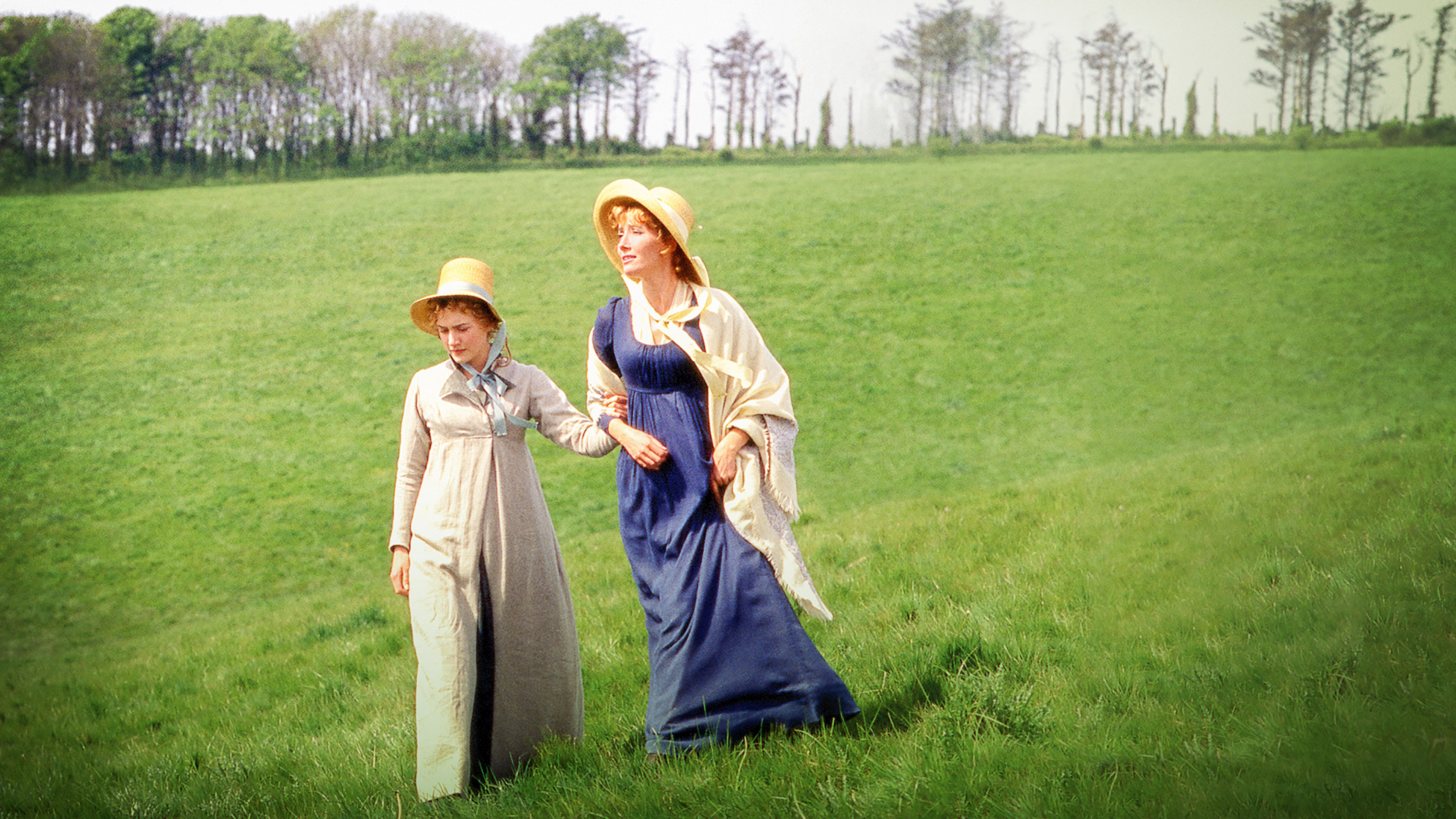
Thompson’s Elinor Dashwood gives the film its most persuasive account of that difficulty. We were unexpectedly moved by her restraint, because keeping herself together seems to require effort even when the dialogue is funny. Thompson lets us appreciate good sense without suggesting that being sensible is much fun, and she is too alert a comic performer to let Elinor become merely admirable. There is warmth here, but also the understandable weariness of being expected to have a reasonable response.
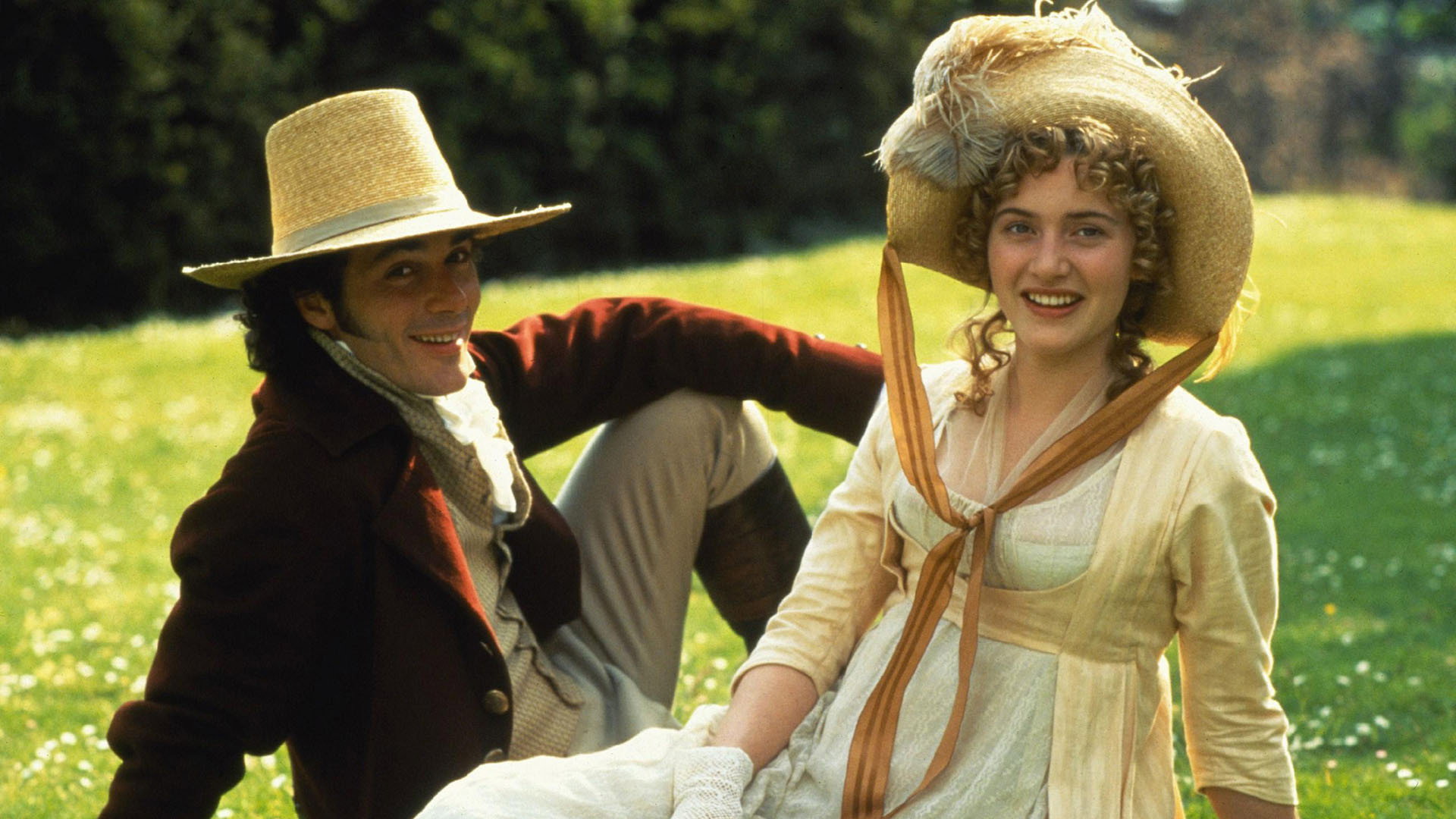
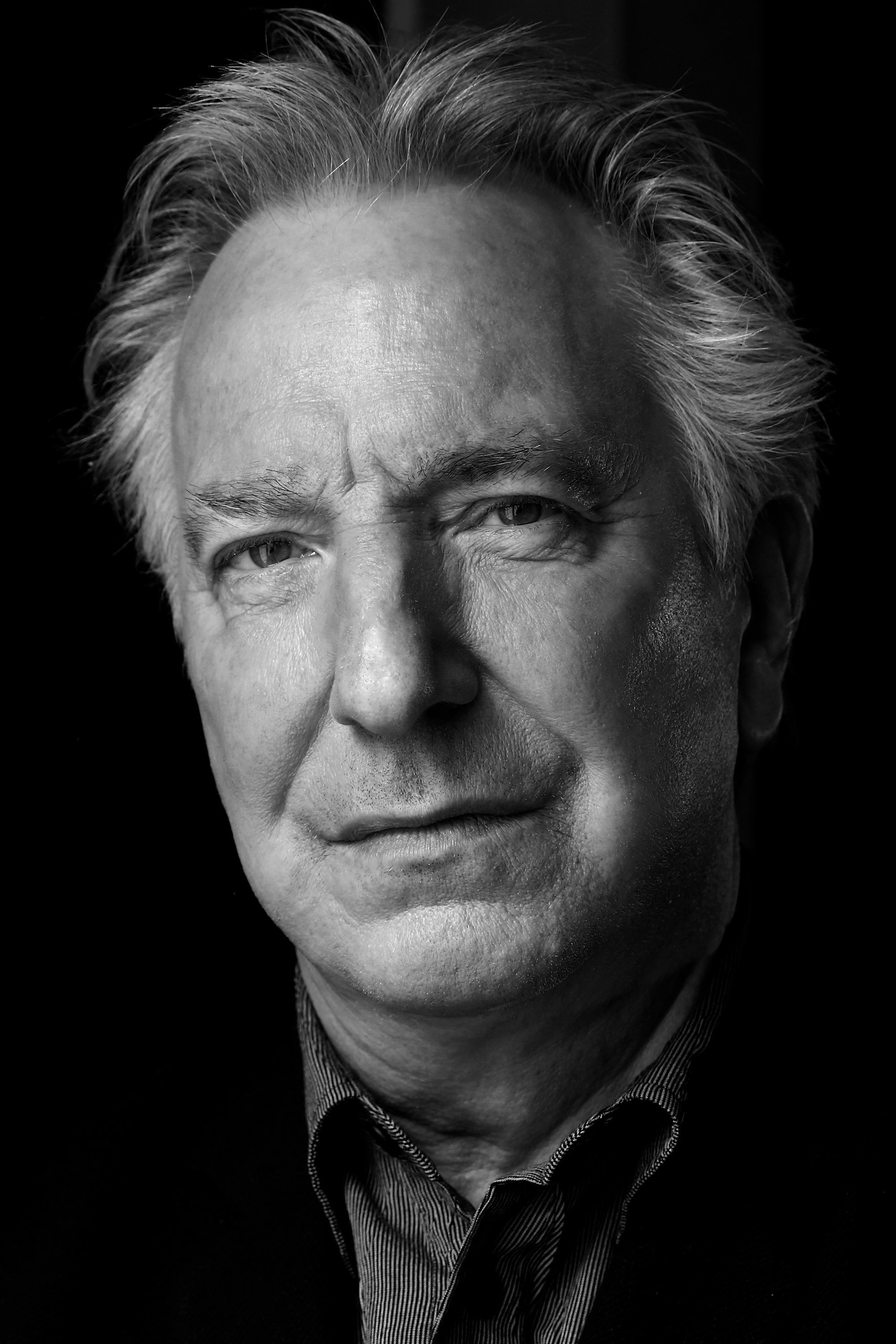
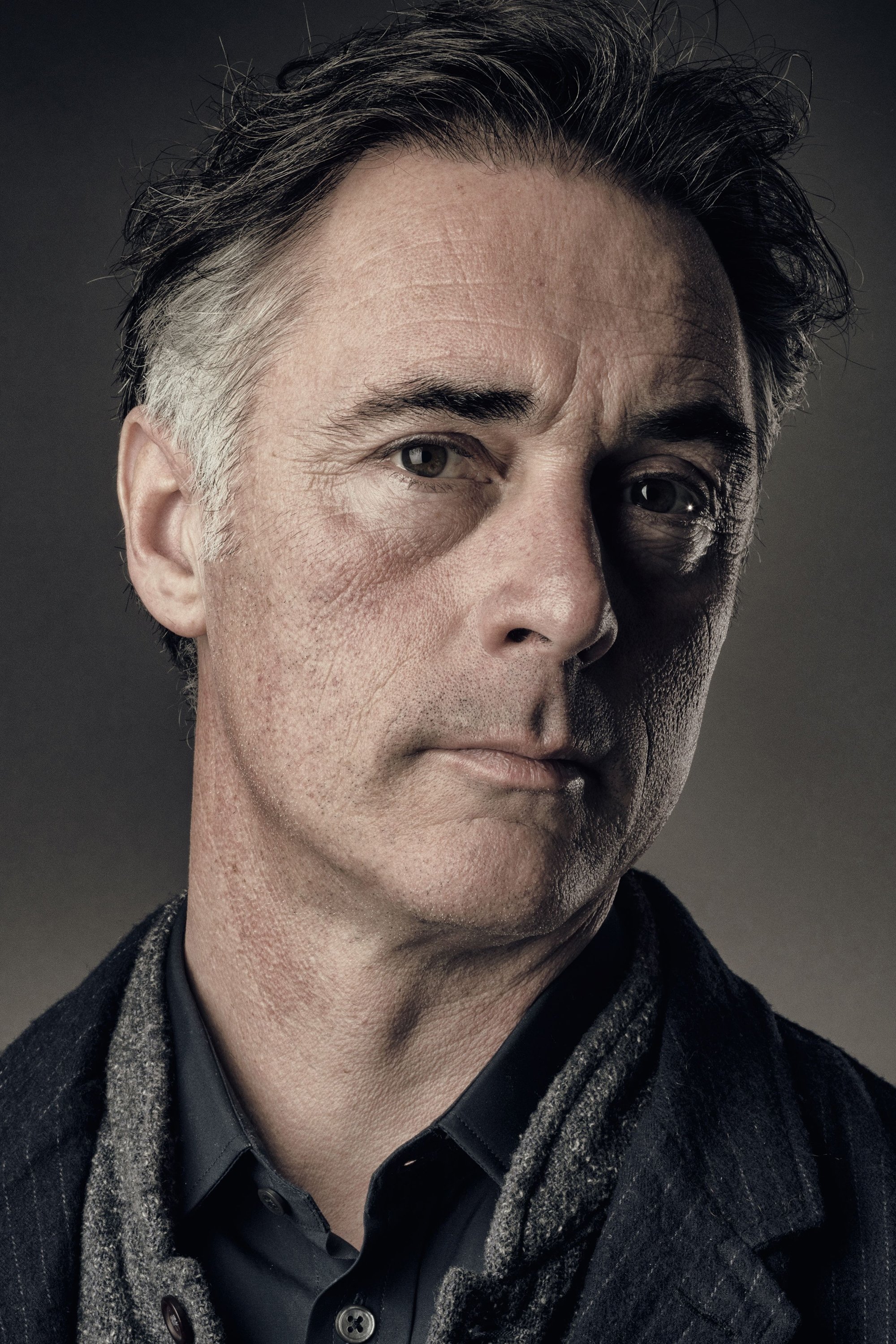
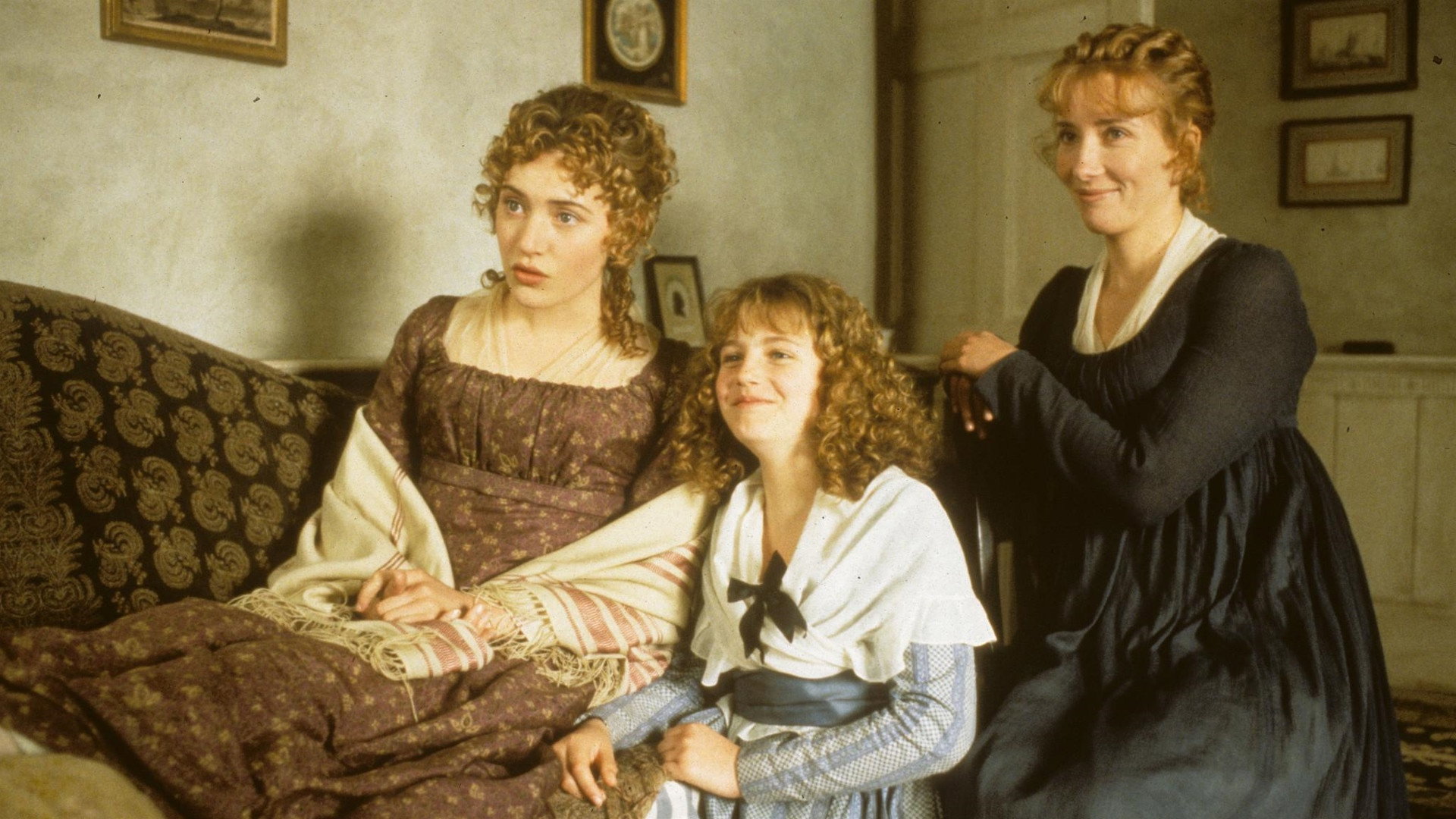
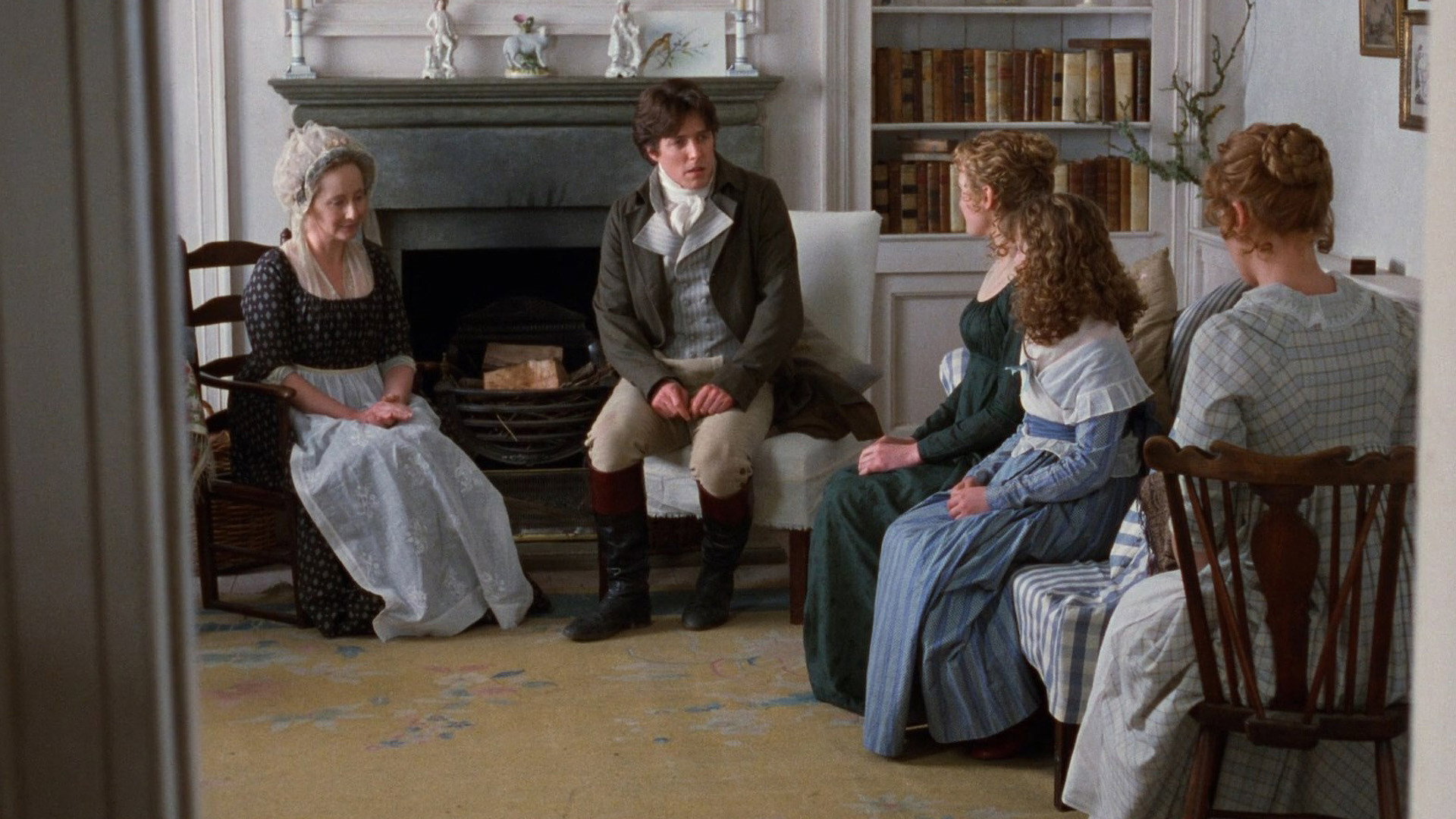
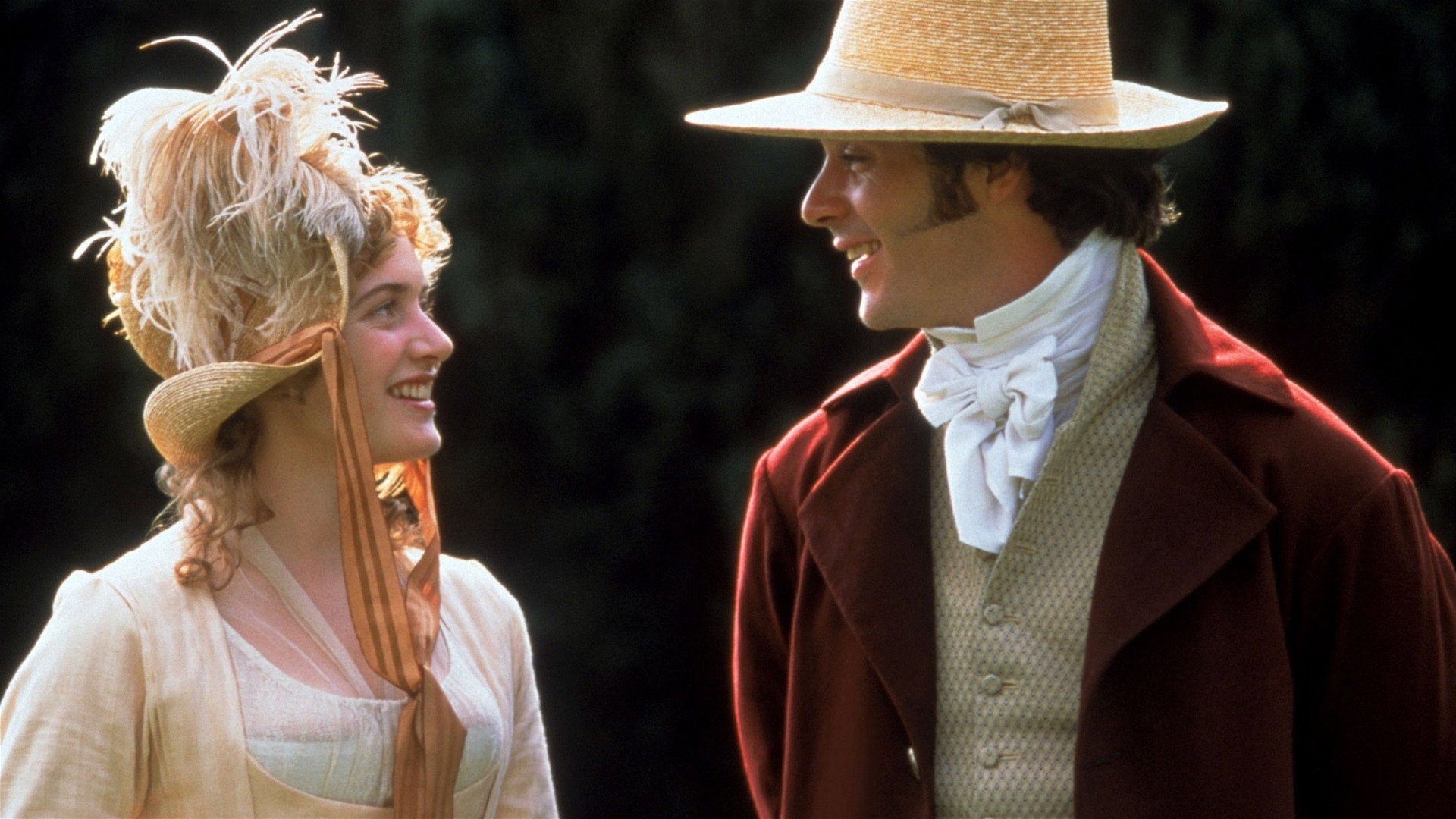
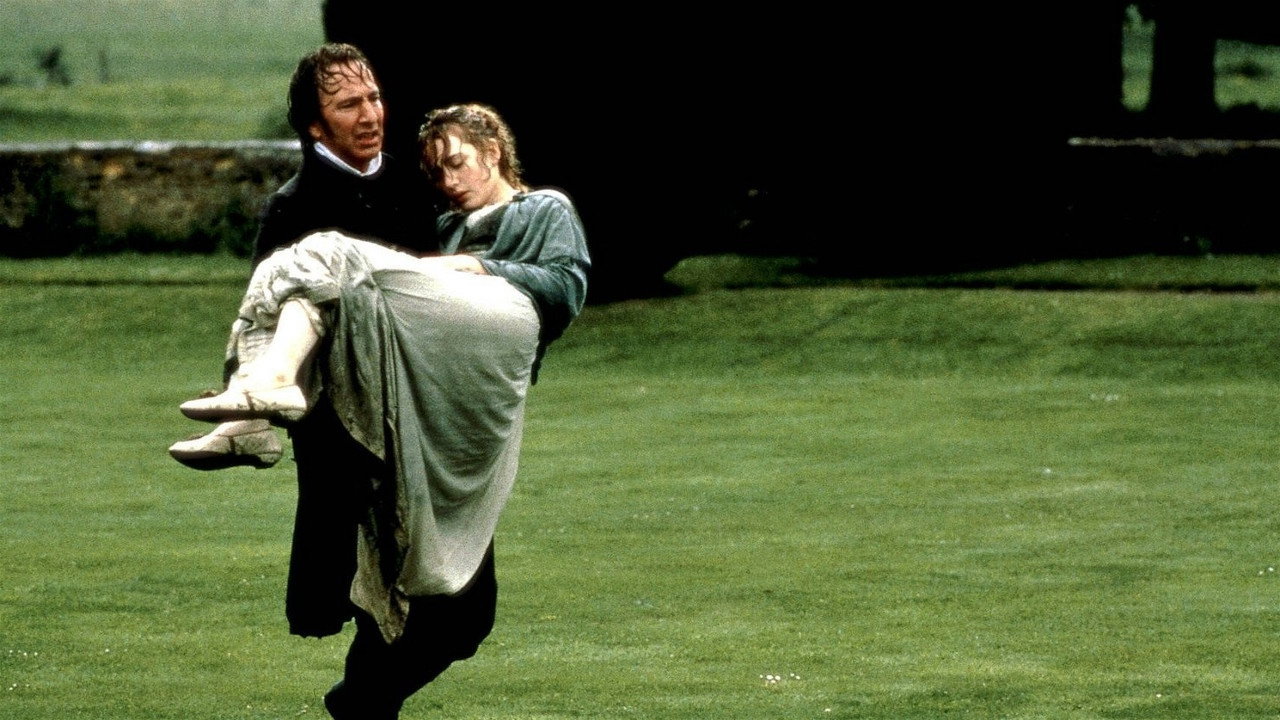
Kate Winslet’s Marianne Dashwood brings a welcome impatience to all that control. Her emotional directness can make Elinor seem guarded, but Winslet does not reduce Marianne to a lesson in the hazards of enthusiasm. Lee gives both performances room, and the difference between them helps the comedy without making either woman a joke. Hugh Grant’s Edward Ferrars and Alan Rickman’s Colonel Christopher Brandon are shrewd pieces of casting. Both actors make reserve interesting, though Rickman gives it more weight and Grant more comic discomfort.
Michael Coulter’s cinematography makes the period setting look almost too agreeable, and Luciana Arrighi’s production design contributes to that impression. Both do accomplished work, but we sometimes feel less troubled by the characters’ difficulties than their performances suggest we should. A little less polish would help. Jenny Beavan and John Bright’s costumes fare better: the actors seem comfortable enough in them for the clothes to feel worn rather than presented for inspection.
Tim Squyres’s editing feels especially assured in the ensemble comedy, allowing us to enjoy individual performances without losing the pace. At 136 minutes, the film is generous with its company, and we rarely felt hurried away from someone worth watching. Patrick Doyle’s music is less consistently discreet; we occasionally wanted it to trust the actors to make the feelings clear. It is a small reservation, though the extra encouragement contributes to that slight excess of comfort.
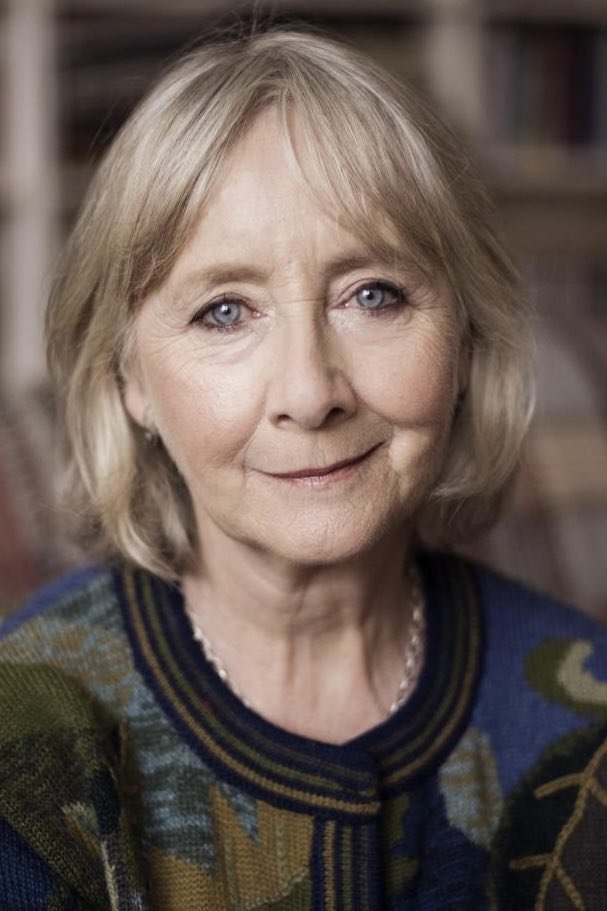
The humour is what keeps this from becoming a dutiful literary adaptation. Thompson is willing to be broad, and Lee does not appear anxious to protect Austen from the indignity of being entertaining. Elizabeth Spriggs as Mrs Jennings and Hugh Laurie as Mr Palmer help give the comedy a welcome robustness. Their comedy is broader than Thompson’s, and the variation is welcome across a film of this length.
Give it an evening when there is no need to hurry. We recommend paying as much attention to Thompson as to whoever happens to be speaking; she makes listening worth watching. There will be plenty of time afterwards to decide who ought to have said what.