Film review

Lone Star

1996 · Directed by John Sayles · 2h 15m · MPA R

In a sentenceA town full of people who would much rather discuss somebody else’s family

DramaMysteryWestern

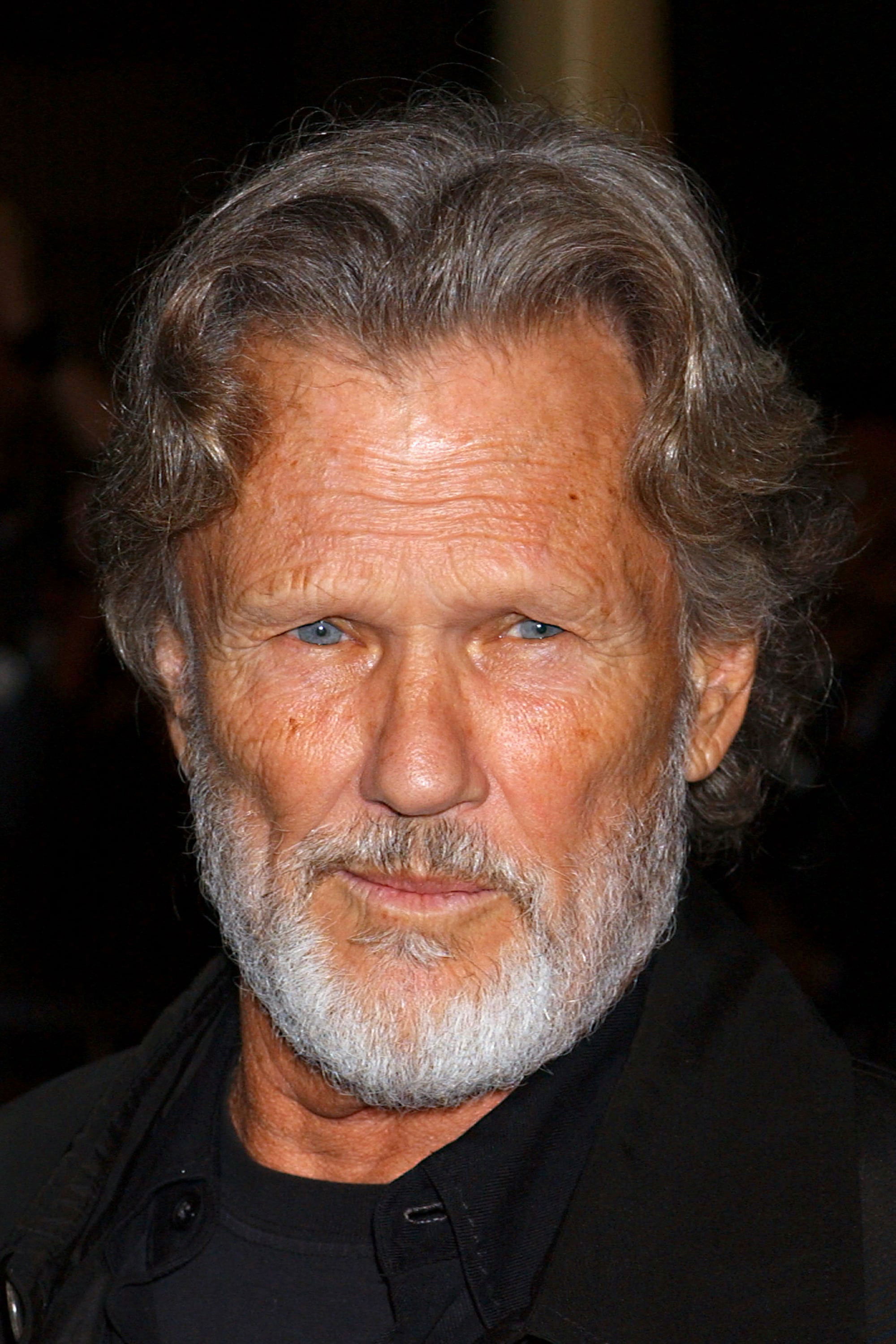
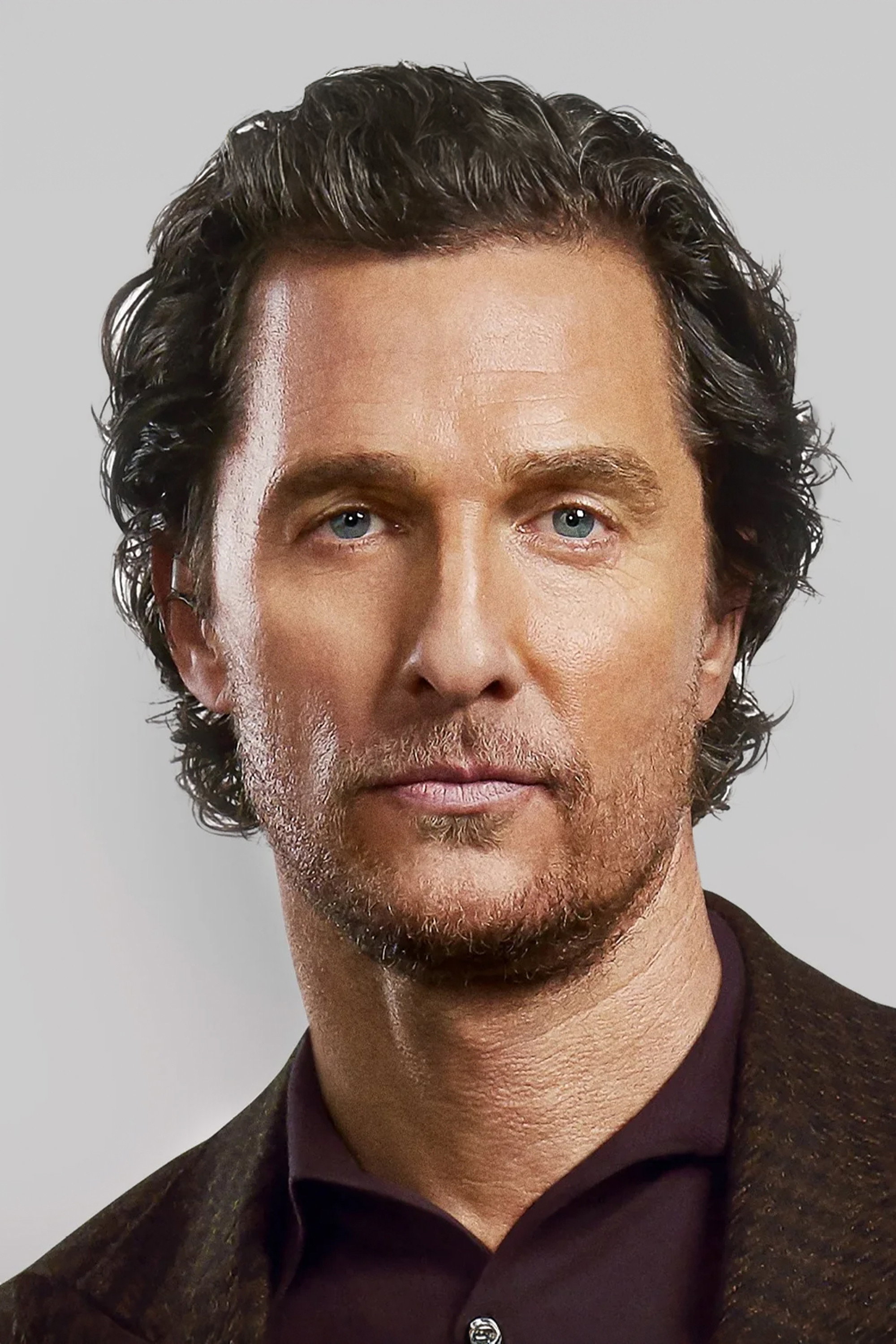
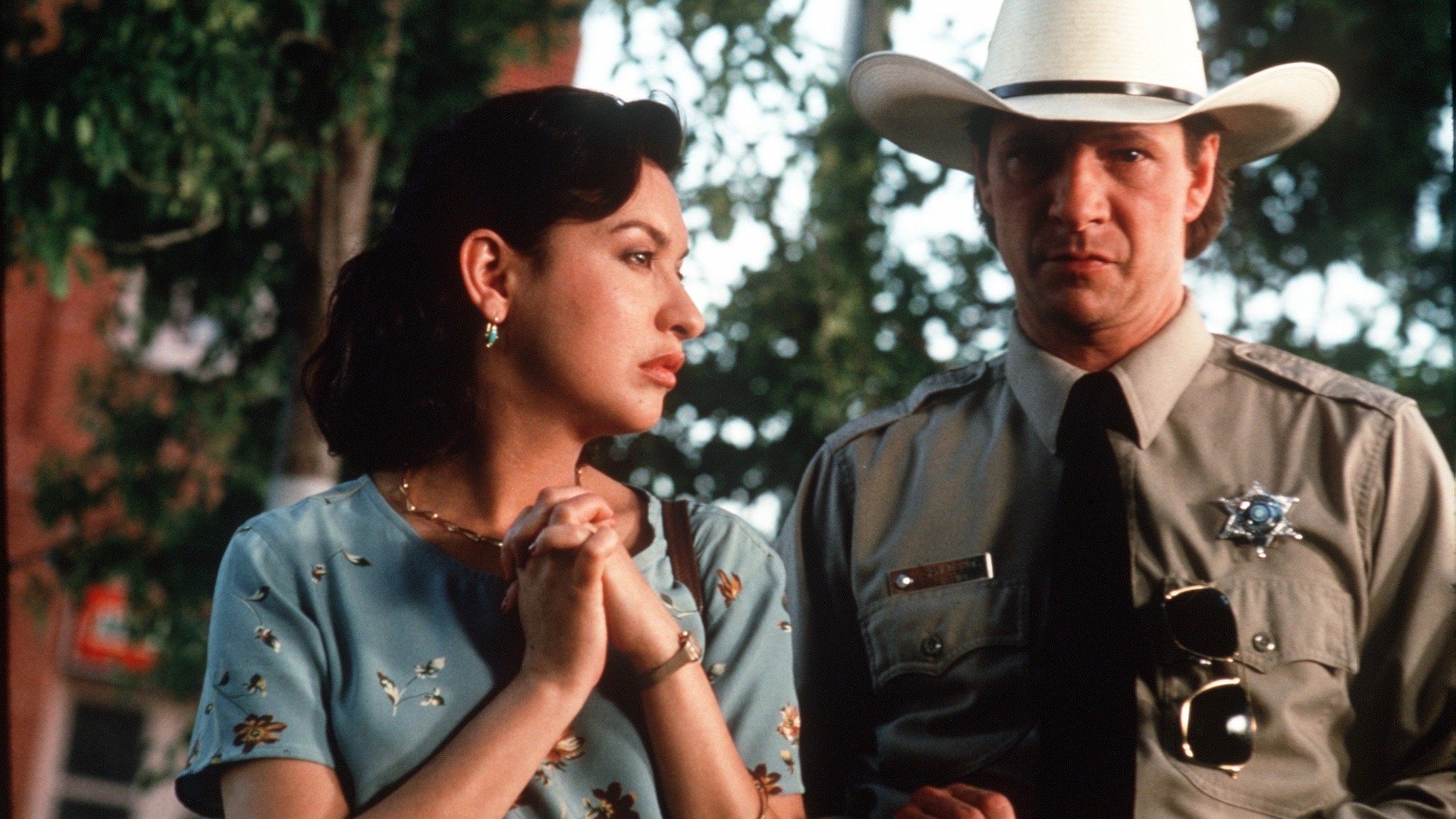
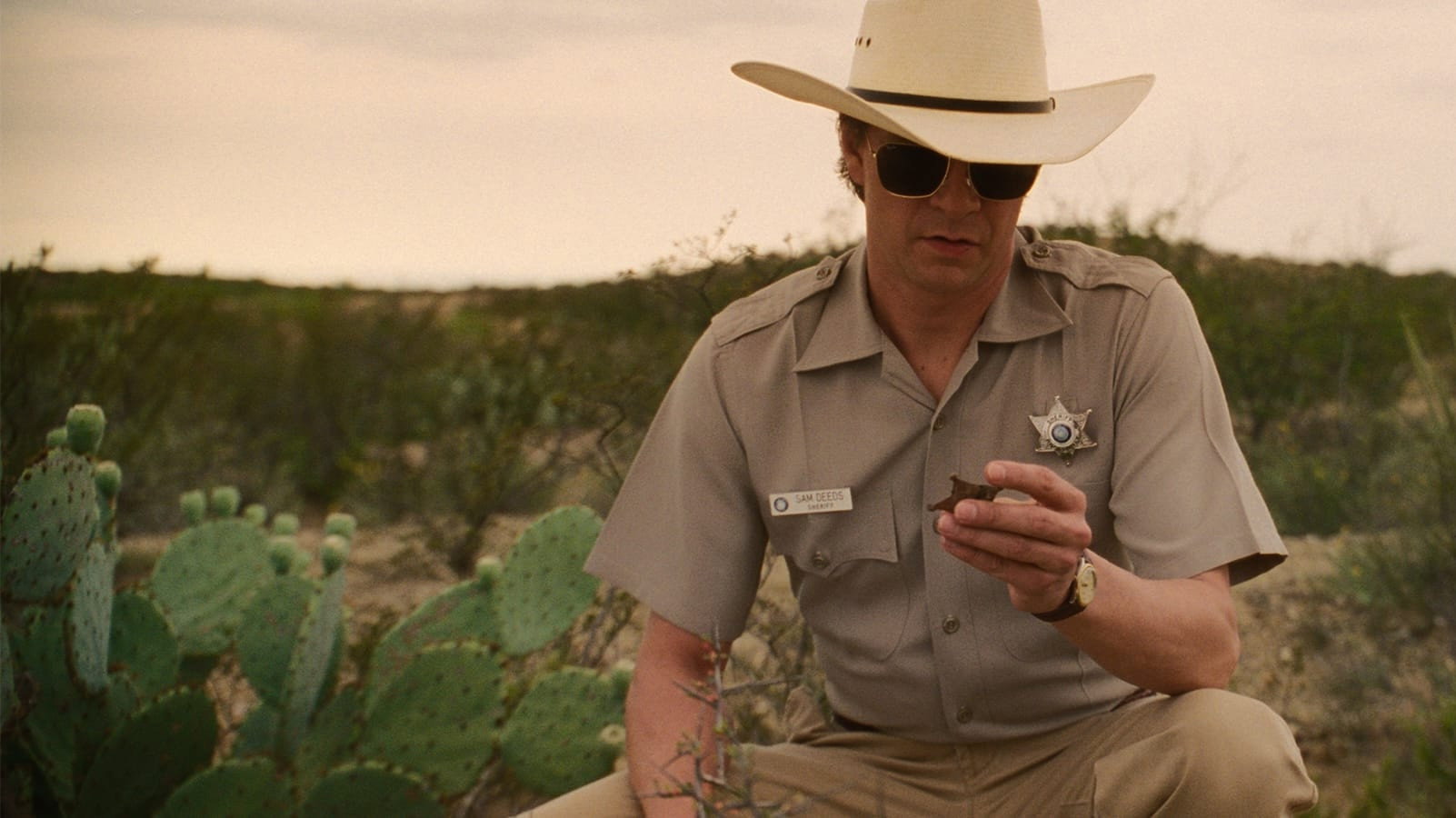
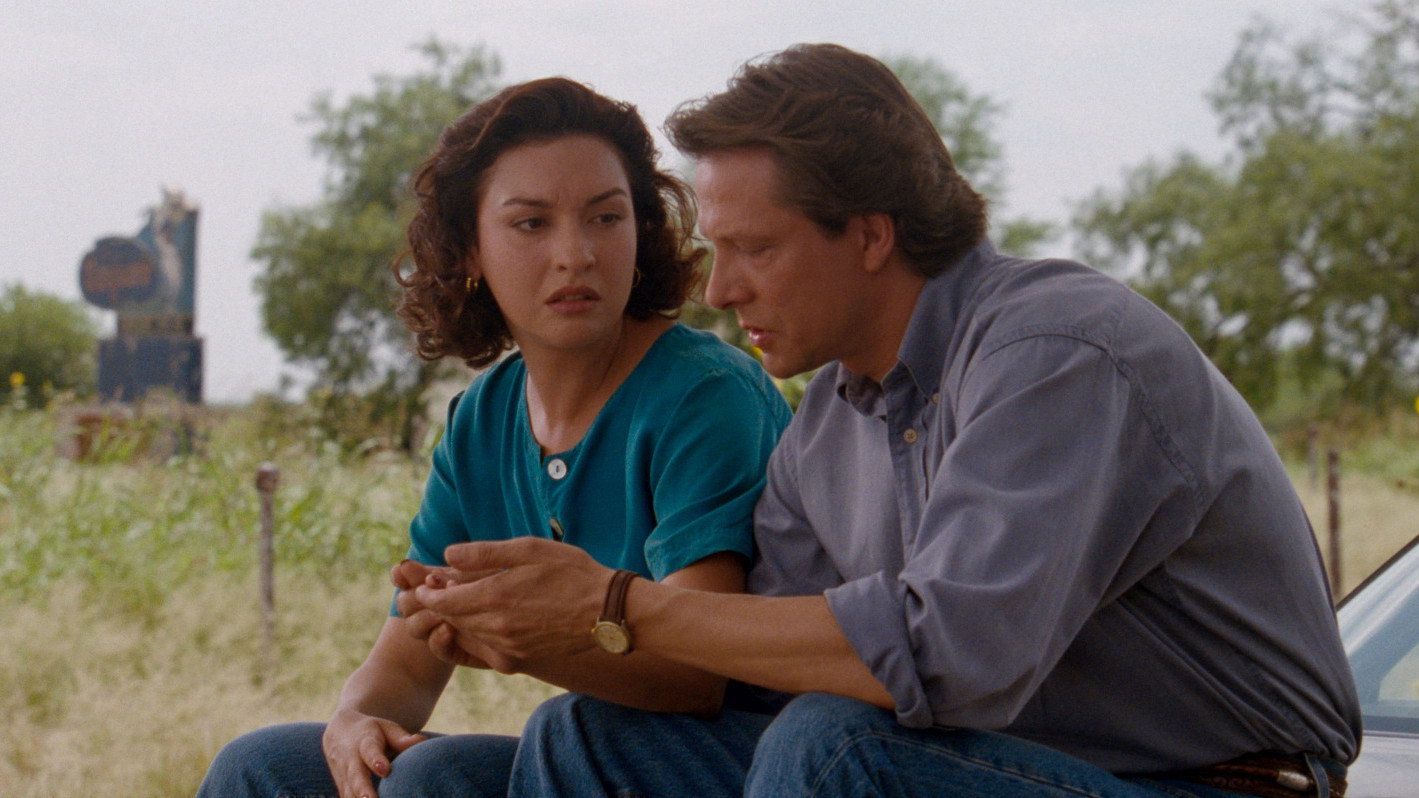
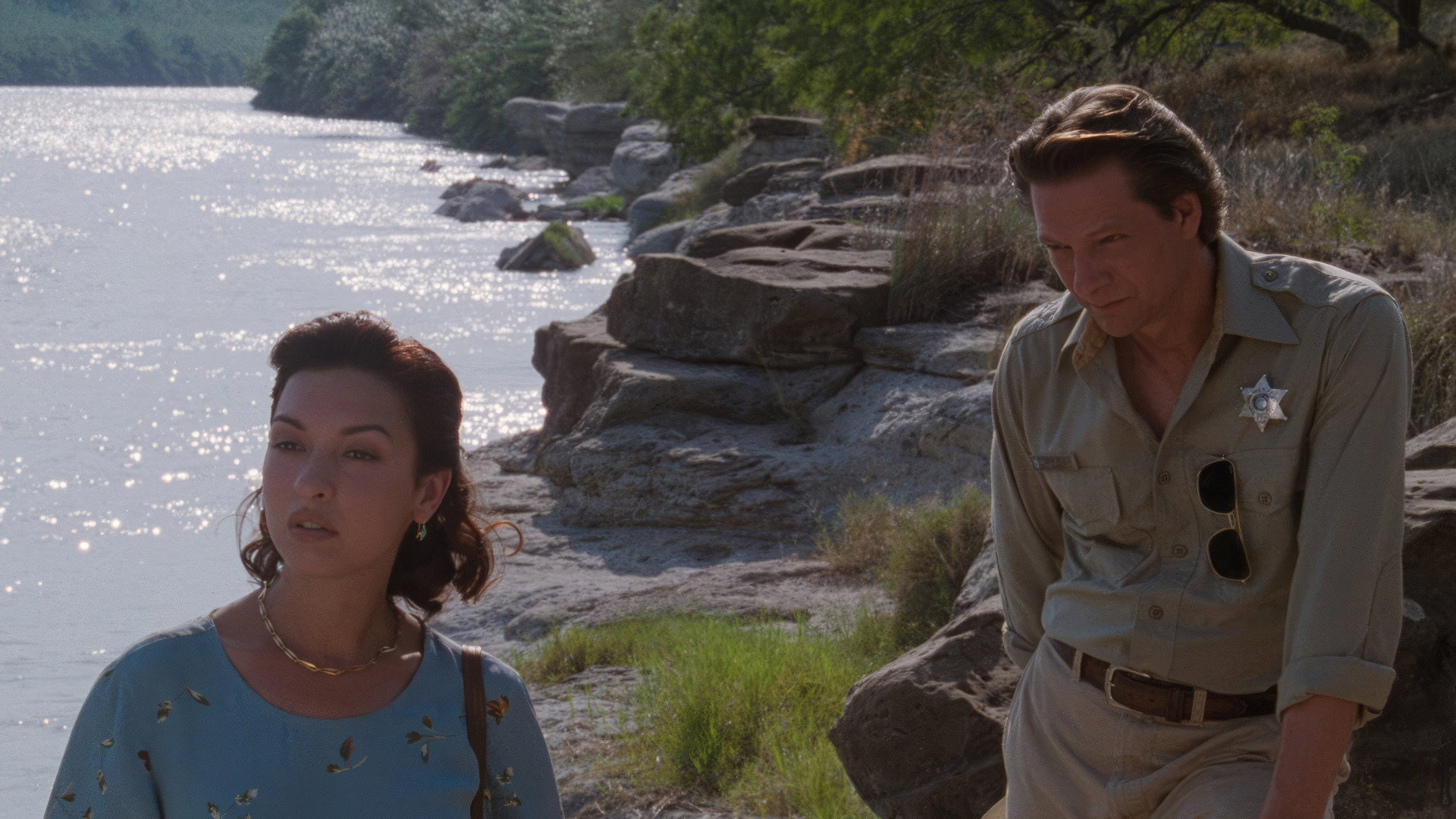
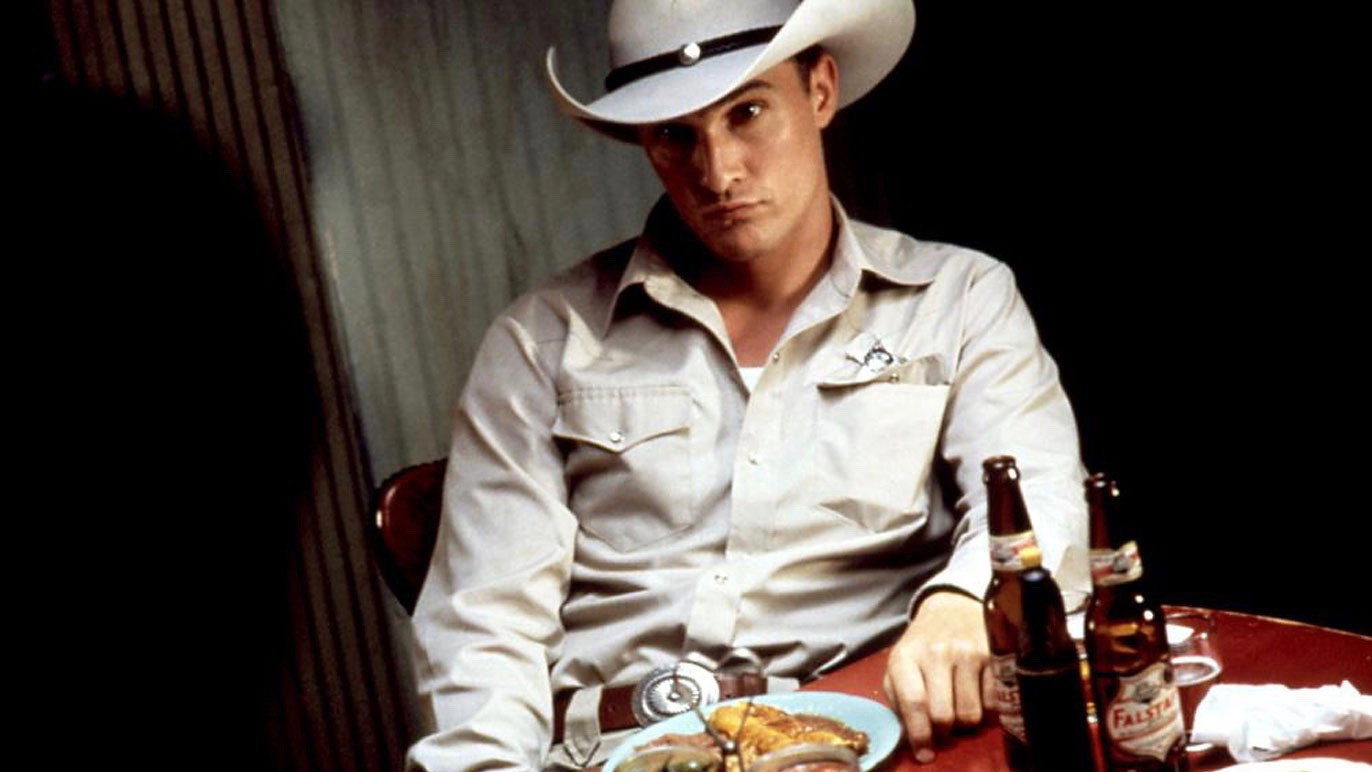
In a Texas border town, a murder mystery brings family secrets and racial divisions into view. Sam Deeds (Chris Cooper) and Pilar Cruz (Elizabeth Peña) are among the people caught in a story that moves between generations, tracing the ways earlier conflicts persist in the present. John Sayles writes and directs an ensemble that includes Kris Kristofferson as Charlie Wade and Matthew McConaughey as Buddy Deeds. A romance runs alongside the investigation, while the town’s overlapping lives reveal competing accounts of its history and the claims that family, money and community make on its inhabitants.

Plays from YouTube when you press play; nothing loads from them until then.

Fi1m review

John Sayles makes a patient, absorbing mystery out of a Texas border town’s divided history. The ensemble gives its many connections emotional weight, although the writing occasionally makes those connections too neat to believe.

John Sayles’s Lone Star is an absorbing mystery with enough interest in people to make its patient pace worthwhile. We recommend it, with a reservation about how neatly its many stories sometimes fit together. A murder investigation and a romance give the film a route through a Texas border town, where family loyalties and racial divisions complicate the business of living alongside one another. Sayles takes those complications seriously, allowing the surrounding lives to occupy much of the film’s 135 minutes.

That breadth is the point of the writing, although it takes a little time to settle into its rhythm. Sayles keeps asking who gets to tell the town’s history, and what their version leaves out. Moving between generations, he makes inherited grievances matter to the mystery without reducing every character to a source of information. This gives the investigation weight: we want an answer, but we also want to understand why these people have so much difficulty sharing a place.

Chris Cooper is a persuasive centre as Sam Deeds, keeping the effort of thinking visible without making a display of it. Elizabeth Peña gives Pilar Cruz an emotional directness that the film needs amid all the patient unravelling. Both performances suit a film in which listening is often more revealing than speaking. The larger cast rewards the same attention, with Kris Kristofferson’s Charlie Wade and Matthew McConaughey’s Buddy Deeds registering clearly even as Sayles asks us to keep track of numerous other lives.

The shifts in time are where the filmmaking becomes especially expressive. Stuart Dryburgh’s cinematography helps the different periods feel part of the same place, while Sayles, also the editor, gives the transitions an unforced rhythm. We were moved by those returns to the past, because seeing an earlier generation makes the town’s divisions feel learned, and therefore avoidable. The changes of period also encourage us to reconsider characters whose place in the story initially seemed straightforward.

Dan Bishop’s production design helps make the town credible as a shared home for people with sharply different experiences of it. The surroundings support the social distinctions without demanding a separate explanation of each one. Mason Daring’s music is similarly useful in giving the many strands a sense of belonging to one film. Neither contribution competes with the actors, which matters when so much depends on our willingness to hear another person’s account.

The weakness is that Sayles occasionally makes the connections too convenient. With so many lives interwoven, there are passages where we become conscious of the writer bringing everyone into position. At times the gradual revelations are so orderly that we start noticing the preparation for them, and the actors cannot make every connection persuasive. A little more room for loose ends would have helped, particularly in a film otherwise so attentive to the difficulties of getting people to agree about anything.

The Western here becomes a way of examining who holds authority in a town, and whose account is accepted. Its attention to race, money and family gives the small-town mystery plenty to occupy us beyond the solution. It takes concentration to follow everyone, but the performances repay it. Choose it for an evening when nobody needs the investigation to proceed in a straight line.

Critical consensus AI synthesised

3 of 6
Positive
3
Mixed
0
Negative
0
Empire
21 June 1996 · Kim Newman
90*

Sayles remains an eclectic and intelligent filmmaker whose work ranges widely while unified by commitment. The film engages fully with its large cast and gradual plot revelations, functioning as both a morality play and essay on American history, and is outstanding.

Read the full review →
The Guardian
14 August 2024 · Peter Bradshaw
85*

The critic finds the 1996 film a richly achieved, thoughtful and complex drama about racial divisions, history and family secrets in a Texas border town. They single out its powerful performances and distinctive storytelling approach for praise.

Read the full review →
The Independent
11 October 1996
70*

The film interweaves numerous characters' lives in a complex drama but feels contrived in its revelations, lacking emotional impact. Sayles excels with actors, drawing strong performances, and the time shifts create a lyrical timelessness.

Read the full review →
RogerEbert.com
3 July 1996 · Roger Ebert

The film humbles ordinary movies with its subtle construction and deep reach, using a murder mystery and romance as a spine while exploring how the past haunts the present in a Texas border town. It ranks as Sayles' best work yet, a great American movie that regards with open eyes the way people live together across racial and historical lines.

Read the full review →
The New York Times
21 June 1996 · Janet Maslin

Lone Star stands as a peak in Sayles' career, a great stirring epic that delivers a vibrant history lesson about a Texas border town through its complex, beautifully told tale of cultural, racial, economic and familial tensions. The director handles dozens of characters and interwoven storylines with soft-spoken grace, making every moment feel utterly right.

Read the full review →
Variety
17 March 1996 · festival review · Joe Leydon

Bountifully rich in incident and characterization, the film recalls Sayles' City of Hope but focuses on a small Texas border town where the sins of fathers haunt sons. It is a richly textured and thoroughly engrossing drama that ranks with his finest work, with a strong ensemble and vivid conveyance of racial and ethnic diversity.

Read the full review →

Cast

Stills

Awards

Academy Awards, 1997

Nominated
Best Writing, Original Screenplay

If you liked this, try…

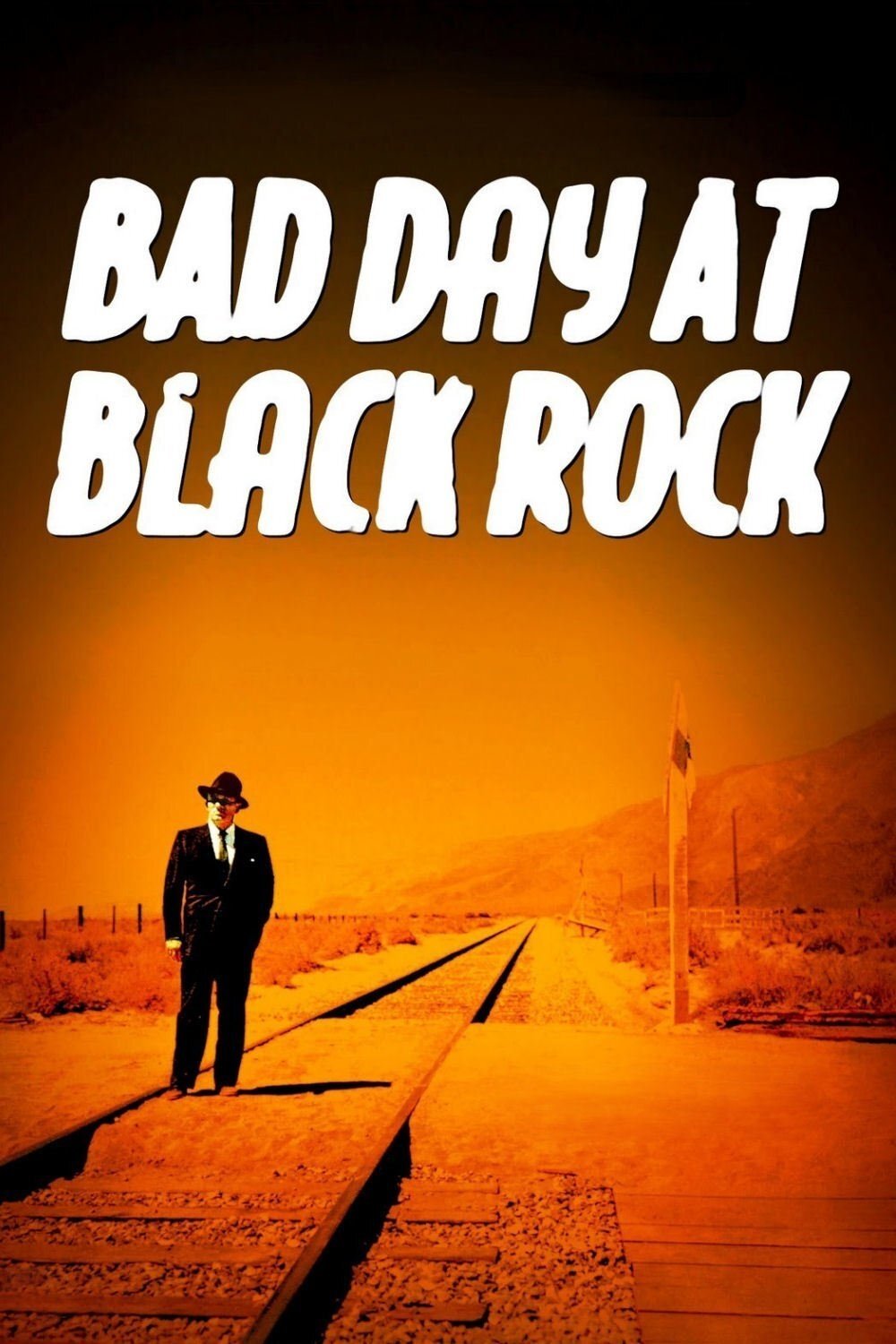
Bad Day at Black Rock poster

Bad Day at Black Rock

1955 · Another small town where asking a reasonable question makes everybody nervous

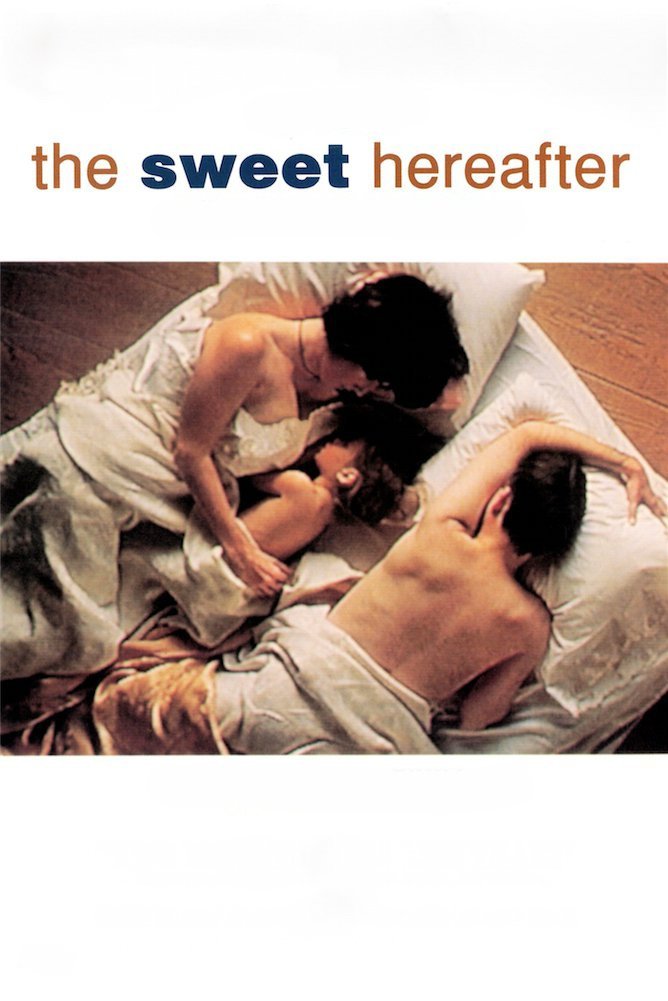
The Sweet Hereafter poster88

The Sweet Hereafter

1997 · A community’s grief and grievances emerge through patient shifts in time

Caché poster

Caché

2005 · Old guilt interrupts comfortable lives, with considerably less help from the storyteller

The Secret in Their Eyes poster

The Secret in Their Eyes

2009 · An old investigation draws love, memory and public corruption into the same story

A Separation poster

A Separation

2011 · Family loyalties and social divisions make each account of events harder to trust