Dakota Johnson’s awkward humour gives Madame Web a few welcome laughs. SJ Clarkson’s superhero origin story is otherwise sluggish and over-explained, with fractured action and too little attention paid to the women at its centre.
A paramedic who can glimpse danger before it arrives is a sensible starting point for a superhero thriller. There is a job to do and a reason to be frightened. Madame Web, directed by SJ Clarkson, keeps this premise small enough for individual people to matter. Yet the explanations keep interrupting their attempts to get to know one another, and the danger seldom becomes urgent. We found it a poor, wearying film, despite a lead performance that supplies some welcome humour.
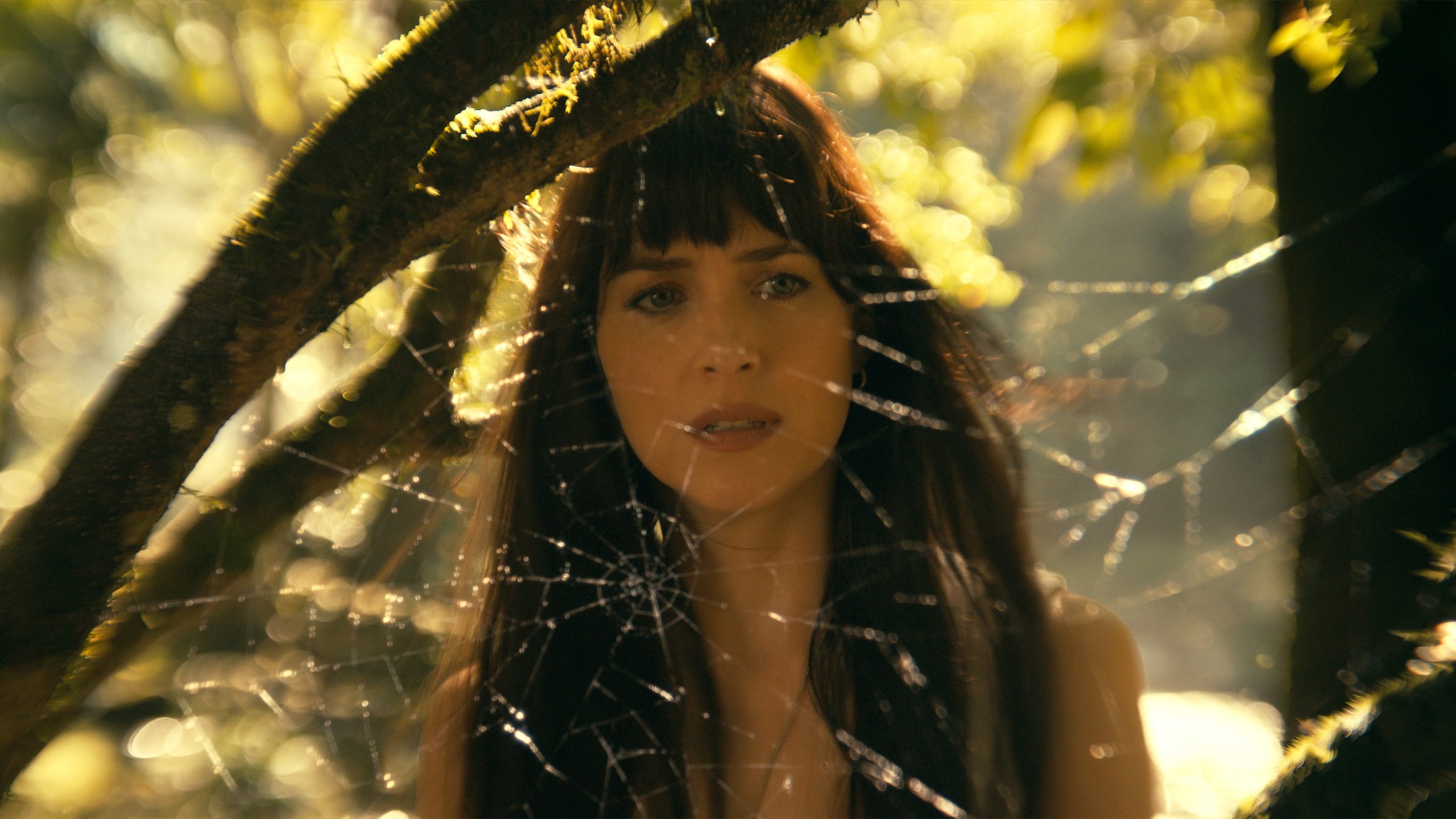
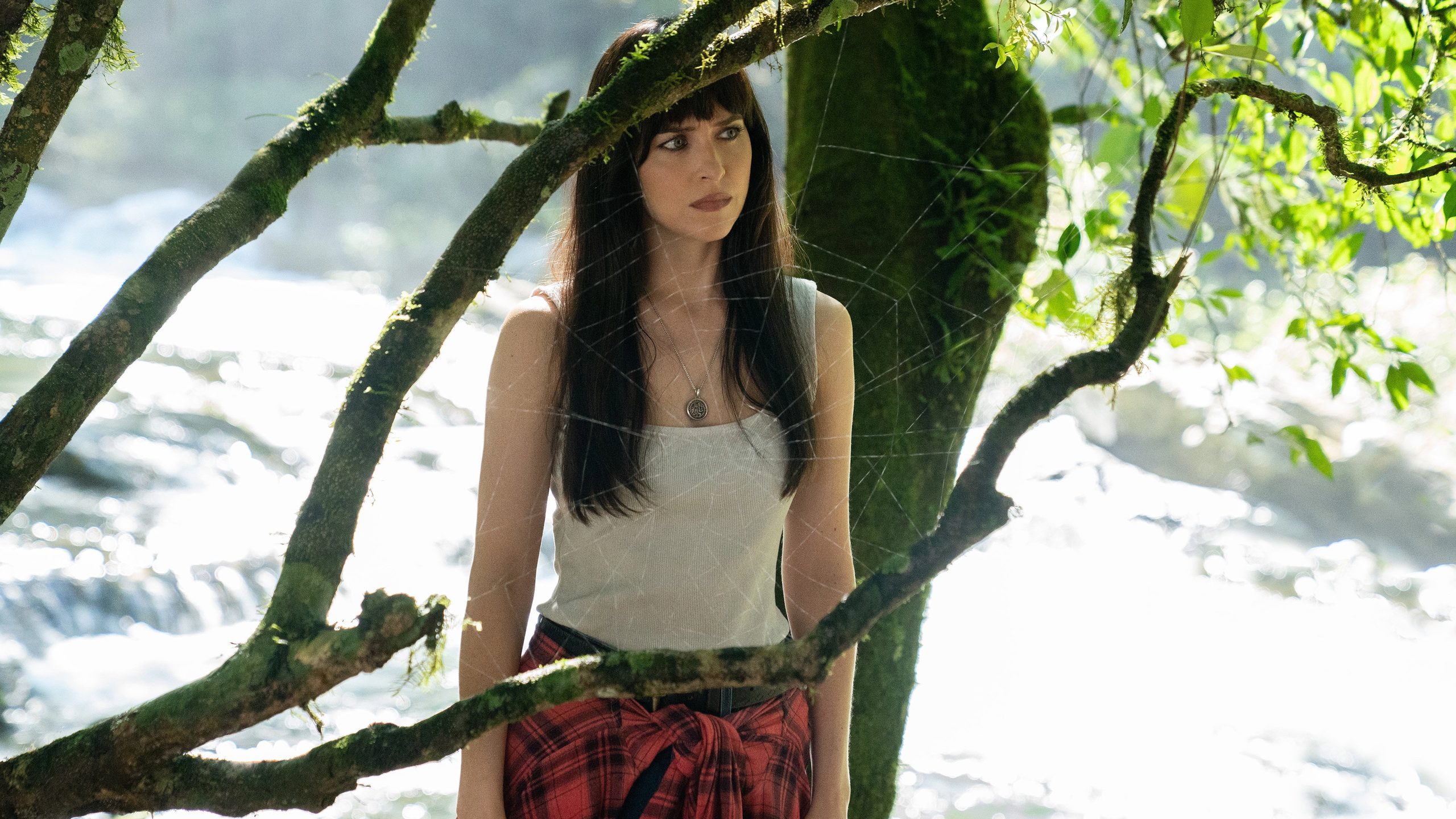
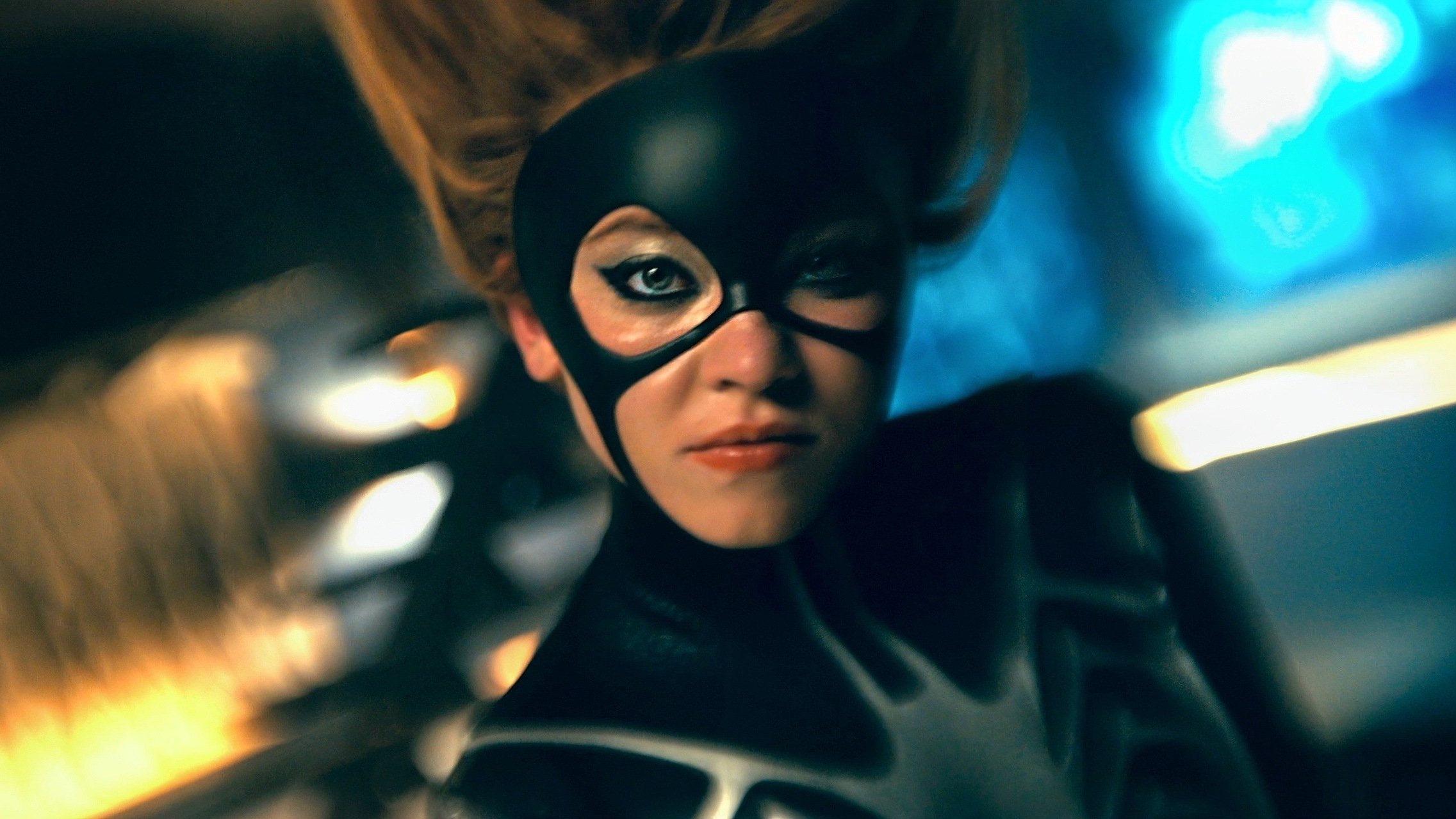
Dakota Johnson plays Cassandra Webb with a social awkwardness that is more interesting than the details of her origin story. We laughed at her discomfort during the baby shower, because she makes polite participation look like a task for which she has received no training. Her flat delivery allows an ungracious response to remain funny without making her seem cruel. The performance sometimes becomes so withdrawn that it is difficult to care what happens to her, but she has enough awkward charm to hold our attention between explanations.
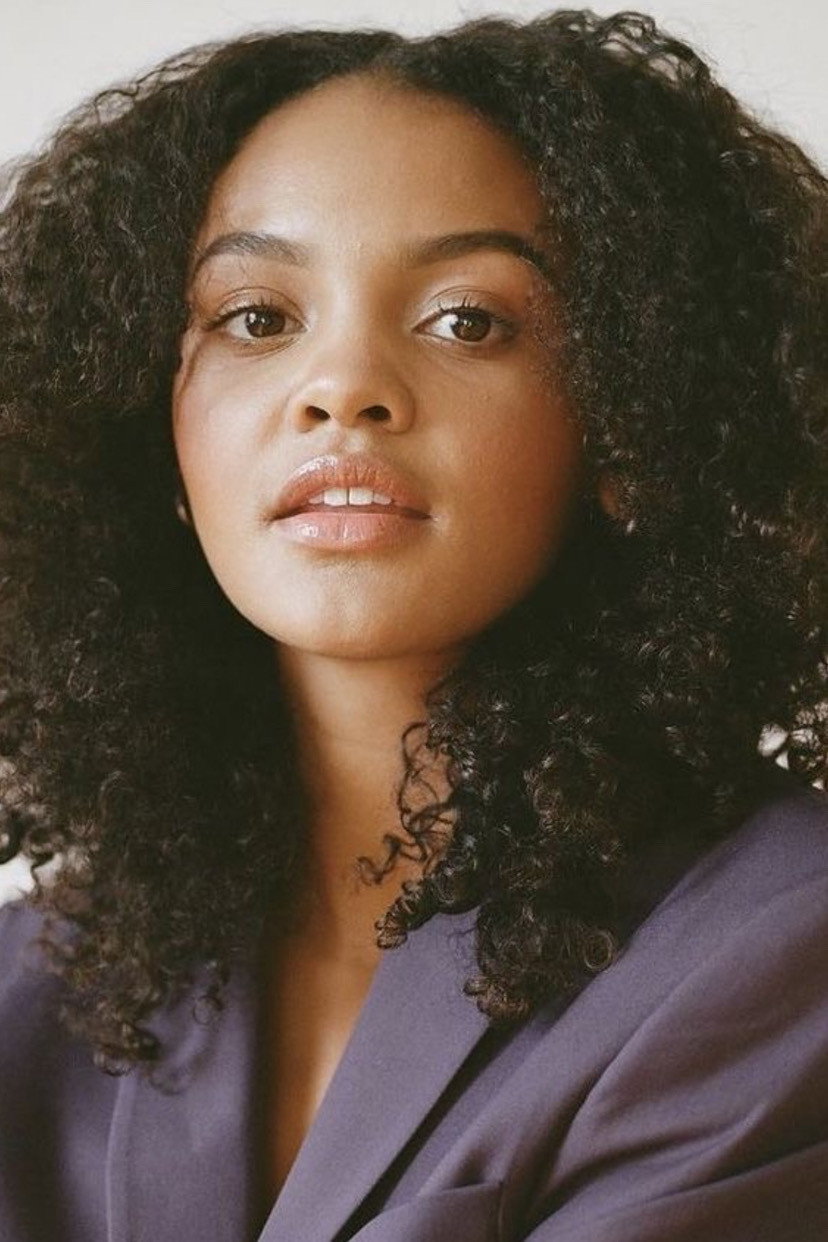
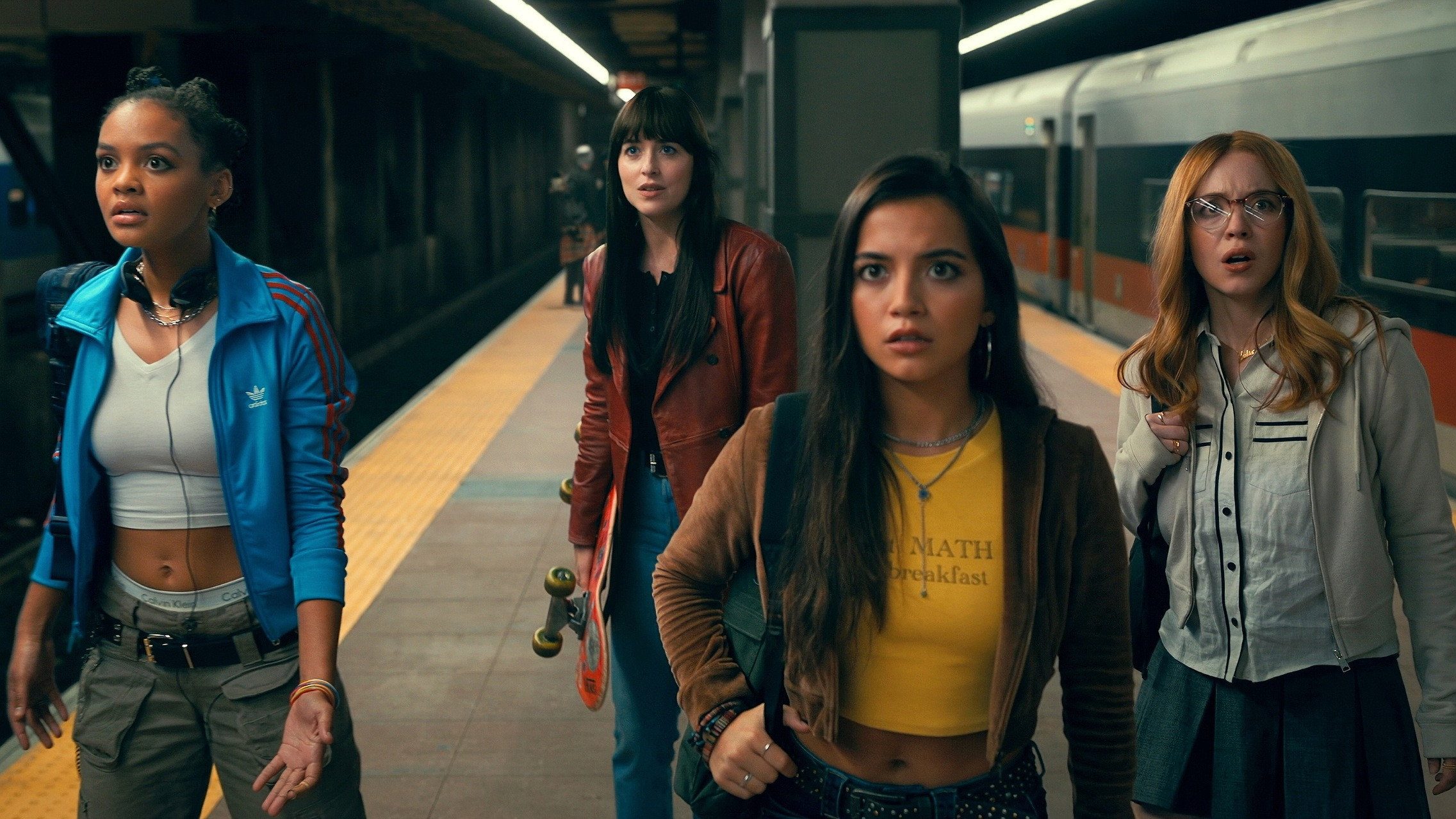
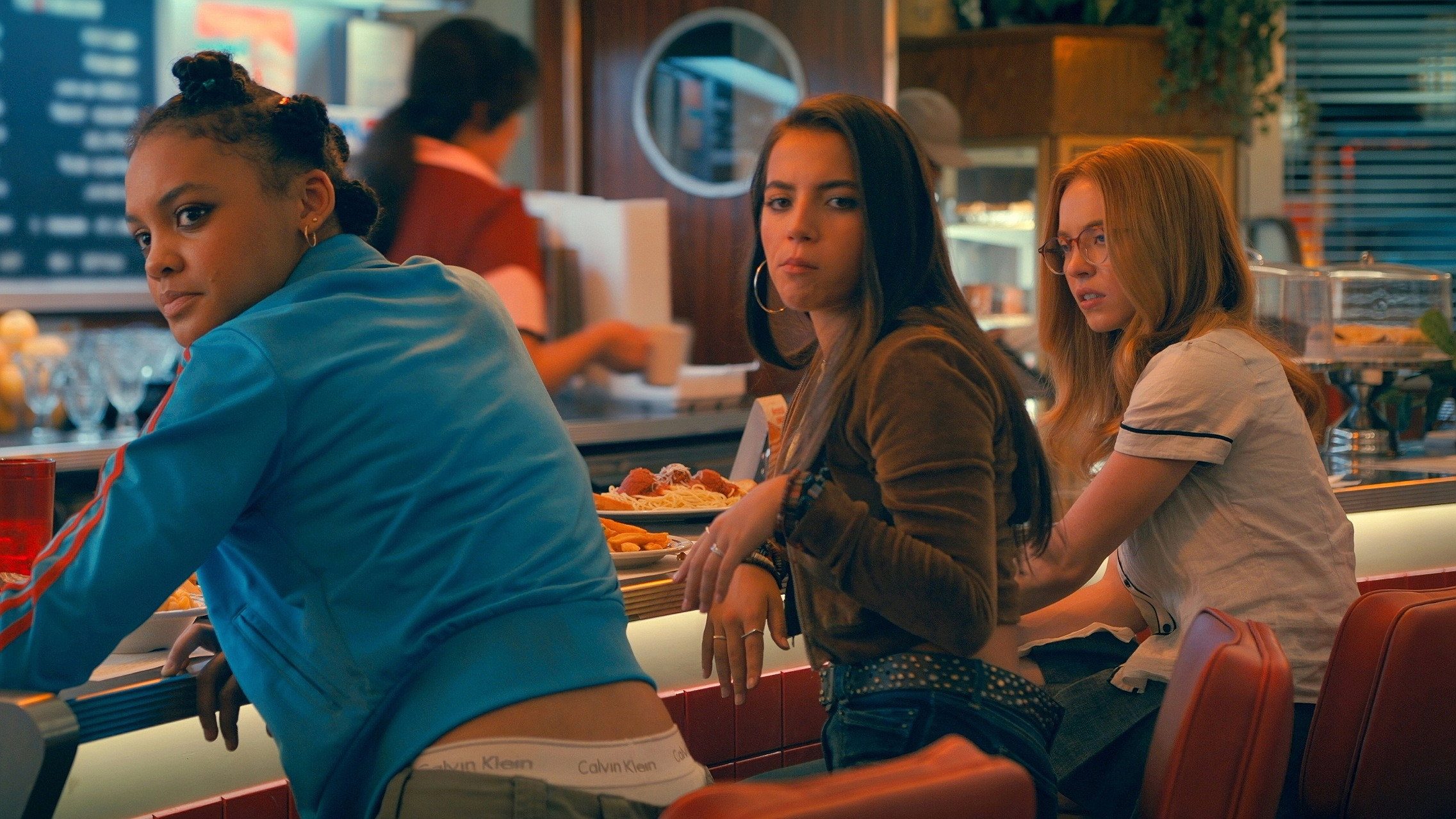
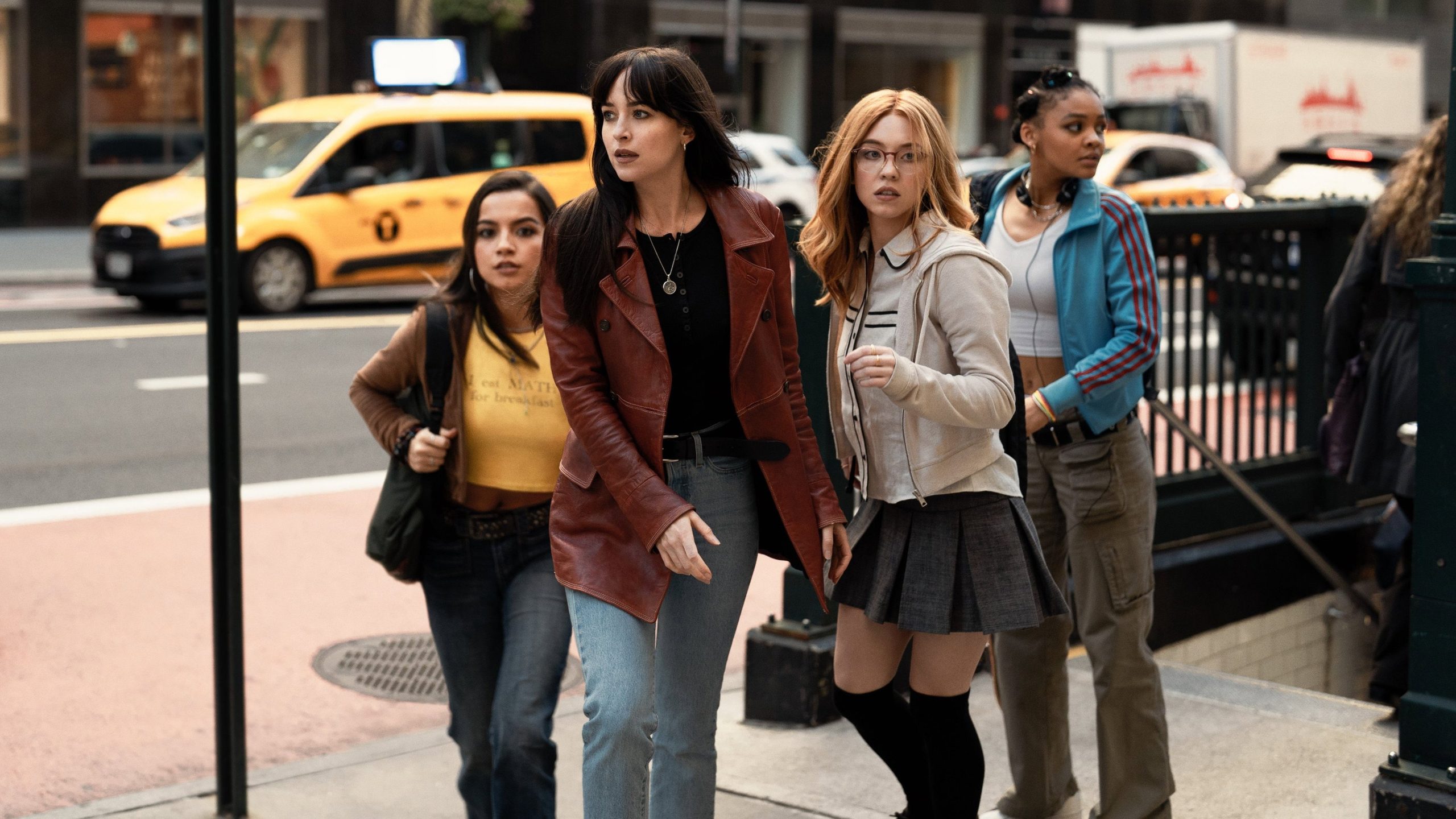
Sydney Sweeney, Isabela Merced and Celeste O’Connor bring some life to the exchanges between the younger women and Cassandra Webb. Their bickering offers a reason to spend time with the group beyond waiting for another explanation of the plot. But the screenplay gives them too little individuality for that friction to develop into relationships we care about. Tahar Rahim has even less room as Ezekiel Sims, whose menace is repeatedly explained and seldom felt.
The screenplay, credited to Burk Sharpless, Claire Parker, Matt Sazama and SJ Clarkson, gives explanation far more space than behaviour. It keeps checking that we understand the premise, without giving the characters enough worthwhile things to do with it. That is particularly damaging in a story built around anticipating danger, where each pause to clarify matters lets the suspense drain away. At 117 minutes, it takes a modest amount of story a long time to tell.
Leigh Folsom Boyd’s editing has one useful device: the glitches that accompany Cassandra Webb’s visions briefly make her uncertainty ours. For those moments, the film lets us experience her difficulty instead of having somebody describe it. Elsewhere, the cuts leave the action disjointed rather than tense, and following the immediate danger takes more effort than it should. Mauro Fiore’s cinematography keeps the ordinary surroundings clean and legible, but does little to make them feel threatening when the cutting fails to build suspense.
Ethan Tobman’s production design helps establish the 2003 setting, and the attention to period detail is welcome. The conspicuous branding becomes distracting, though, and it is hard to enjoy those details when products keep demanding notice. Johan Söderqvist’s score supplies urgency that the scenes themselves too often lack. The music is trying to sustain a threat that Tahar Rahim has not been given enough material to establish.
The film’s restrained scale is worth defending in a genre that can make every problem a global emergency. There is room for a superhero story about an unwilling adult and younger women learning to tolerate one another, and this cast occasionally finds it. But the humour is intermittent, and the lifeless stretches are too long to make a persuasive evening of accidental comedy. Only committed admirers of Dakota Johnson’s dry humour should make time for this.