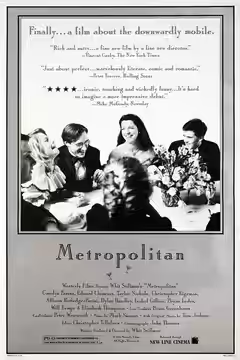
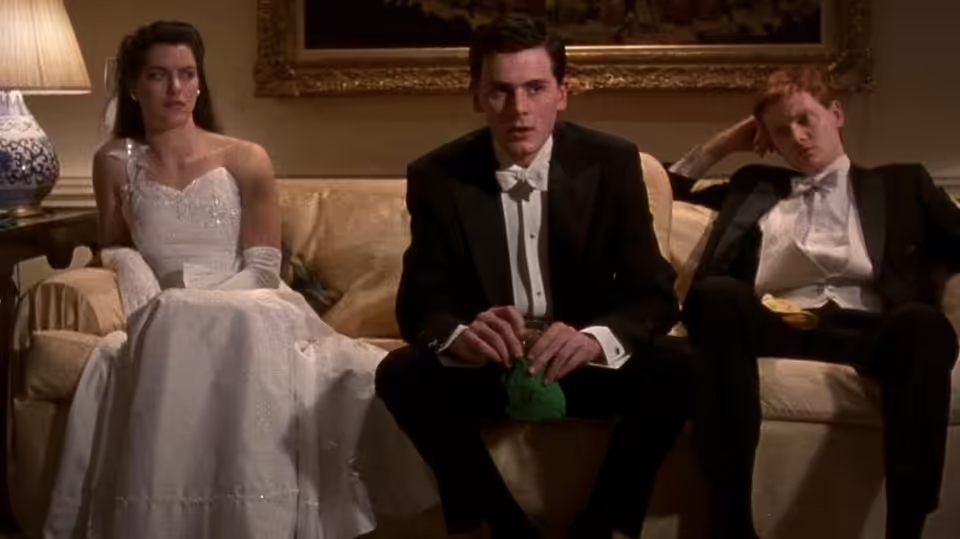
Woman in white gown sits with two men in tuxedos on a sofa
Film review

Metropolitan

1990 · Directed by Whit Stillman · 1h 39m

In a sentenceYoung people in formal wear discuss their declining social importance; we regret to report that they are excellent company

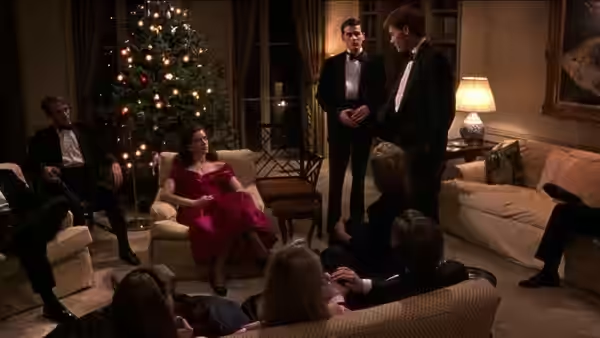
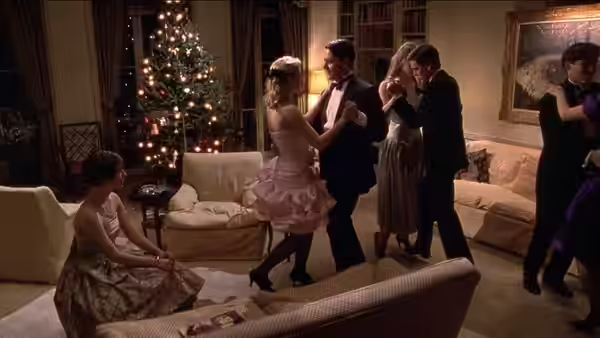
During the Christmas holidays, a circle of university-age New Yorkers moves between debutante balls and the conversations that follow them. Outsider Tom Townsend (Edward Clements) enters this old-money social scene, where questions of class and belonging occupy much of the talk. Among the young people around him are Nick Smith (Chris Eigeman), Charlie Black (Taylor Nichols) and Audrey Rouget (Carolyn Farina). As the group negotiates friendships, romantic interests and its uncertain social future, Tom gets to know the people behind the formal occasions. Whit Stillman writes and directs this comedy-drama about a season in their company.

Plays from YouTube when you press play; nothing loads from them until then.

Fi1m review

Whit Stillman’s debut is a funny, affectionate comedy about privileged young New Yorkers with plenty to say about themselves. Its later romantic plotting feels forced, but the dialogue and ensemble make it well worth an evening.

The privileged young New Yorkers in Metropolitan are worried about their place in society, and Whit Stillman takes the worry seriously. His debut is a warm, sharply written comedy, and we recommend it despite the strained romance that develops later on. During Manhattan’s Christmas debutante season, the characters attend balls and then talk, with an earnestness that would be easier to bear if they were discussing somebody else. The surprise is how much pleasure there is in listening to them.

Edward Clements’s Tom Townsend provides a useful way into this circle: he is an outsider, and the film lets us find our bearings alongside him. Clements’s mannered delivery suits a young man trying to work out how to behave among people whose habits he does not share. Stillman’s screenplay is alert to the awkwardness of joining a group that already knows how its conversations go. It does not require us to mistake social confidence for intelligence, or to assume that uncertainty makes Tom wiser.

Chris Eigeman’s Nick Smith and Taylor Nichols’s Charlie Black are especially funny, though the pleasure lies as much in delivery as in the lines themselves. Eigeman gives the talk a brisk certainty; Nichols makes the effort of sounding certain more apparent. We laughed at the solemnity with which these young people discuss the future of their class. Their concern is real, but so is their assumption that it deserves everyone’s attention, and Stillman allows both to be audible.

John Thomas’s largely static camerawork gives those performances space, allowing us to watch the speakers rather than continually redirecting our attention. It works because a remark can land, and the person delivering it can remain there, responsible for having said it. Christopher Tellefsen’s editing gives the dialogue a rhythm without trying to disguise how much of the film consists of people talking. At 99 minutes, the film has time to establish the group’s habits and let us grow familiar with its members.

Mary Jane Fort’s costumes make the formal occasions feel slightly too grown-up for the people attending them. The clothes suit their social position better than their age, which is part of the comedy. The music credited to Mark Suozzo and Tom Judson adds a welcome lightness without competing with the dialogue. The restraint works, because the voices already give us plenty to attend to.

The trouble comes when Stillman asks the romantic complications to carry more of the film. His writing is so precise about how these people talk that its more forced plotting becomes conspicuous: we start noticing the effort to give them something to do. The mannered acting, usually an advantage, also has less to offer when the story asks for a more immediate response. Nothing here undoes the affection already established, but the second half is less consistently persuasive than the conversations that introduce the group.

A comedy of manners can make its audience feel comfortably superior to everyone on screen, and Stillman has little interest in providing that service. He notices the vanity of these young socialites without pretending it cancels their capacity for embarrassment or affection. That generosity makes the humour last longer than a simple attack on their privilege would. Come for the talk, and allow a little patience for the romance.
Critical consensus AI synthesised

83
Positive
7
Mixed
0
Negative
0

The reviews are favourable without exception, and the praise gathers almost entirely around Whit Stillman’s screenplay. Critic after critic singles out the dialogue, described variously as chiselled, glittering, quotable and musical, and most note the affection in the observation: a comedy of manners that ribs its privileged young New Yorkers without belittling them. The ensemble is admired too, with Taylor Nichols and Christopher Eigeman picked out as the funniest performers and the outsider Tom as the sharpest piece of characterisation.

The spread of scores is narrow and the reservations are mild. Empire finds the second half drifting from astringent social comedy into somewhat forced romance. The Los Angeles Times admits that sympathy for the very rich and rather dim is tested before the film’s quiet observation wins it round, and Eye for Film recommends it despite rather than because of its Park Avenue setting. Nobody is hostile; the only question is how much patience the milieu asks of the viewer.

The AV Club
6 August 2015 · A · Mike D'Angelo
95

The critic calls the film a hilarious yet warmly affectionate portrait of New York’s debutante-ball subculture that remains a fascinating cinematic oddity. He singles out the plethora of quotable lines and the superb ensemble delivering them for praise.

Read the full review →
Film Comment
· Jonathan Romney
80*

The critic views Metropolitan as a melancholic yet appreciative elegy for a class of anachronistic young socialites whose charm and self-awareness make the film enduring. He singles out the film's elegant, perceptive dialogue and aperçus for particular praise.

Read the full review →
The Guardian
19 May 2006
80*

Whit Stillman’s directorial debut confidently immerses viewers in an improbable but believable hothouse world of privileged Manhattan youth. The critic singles out the beautifully chiselled dialogue, paired with near-static camerawork and mannered performances, as the film’s chief attraction.

Read the full review →
The Independent
20 May 2006
80*

Whit Stillman's first film from 1990 is a wryly sympathetic portrait of aristocratic college students attending nightly balls in Manhattan over Christmas. It features glittering dialogue and lovely New York scenery, evoking what Woody Allen might have made if born rich.

Read the full review →
Time Out
15 May 2006 · Jessica Winter
80*

Stillman’s semi-autobiographical debut follows the university-age scions of New York’s old-money Upper East Side during Christmas vacation debutante balls and after-parties. The critic praises the dry, affable humour that ribs the characters’ vanities without belittling them and highlights the sharp characterisation, especially of the outsider stand-in Tom.

Read the full review →
Empire
26 May 2006 · Angie Errigo

This small, gentle first feature shows Stillman's literary background to good effect with sound cinematic instincts and affectionate, witty observation of young New York socialites. The second half shifts from astringent social comedy to somewhat forced romantic nonsense.

Read the full review →

Straight answers AI written, from our review

Is Metropolitan worth watching?
Metropolitan is worth watching for anyone who enjoys a comedy of manners built almost entirely on conversation, and we scored it 82. Whit Stillman's debut gives its privileged young New Yorkers dialogue that is funny and unexpectedly affectionate, and the ensemble delivers it well. The romantic plotting in the second half feels forced, so come for the talk and allow the romance some patience.
How long is Metropolitan, and what is it rated?
Metropolitan runs 1h 39m. It is a comedy and drama film.
Where can I watch Metropolitan in Singapore?
Metropolitan is not on any streaming or rental service in Singapore at the moment. It is available in 5 other countries; change your country at the top of the page to see where. Availability is checked daily.
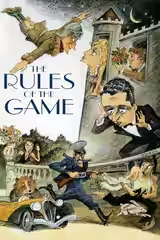
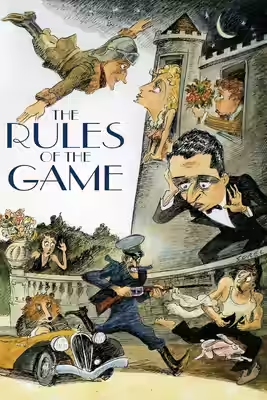
How does Metropolitan compare to The Rules of the Game?
Metropolitan is gentler and more affectionate than The Rules of the Game, which is the greater and more unsettling film. Stillman watches his young socialites talk about their declining importance with warmth; Renoir's house party lets good manners barely contain bad behaviour, and the effect is funnier and darker. Choose Metropolitan for an easy, talkative evening, and Renoir when you have the concentration his busy opening demands.
What should I watch after Metropolitan?
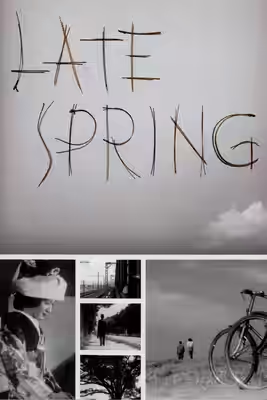
After Metropolitan, try The Rules of the Game (1939, Fi1m 91): For another gathering where good manners do little to contain bad behaviour. Then Late Spring (1949, Fi1m 92): Family expectations and quiet conversations make choosing a future painfully complicated; and The Souvenir (2019, Fi1m 84): Young adulthood and privilege again, with less laughter and more painful mistakes.

Cast

Awards

Academy Awards, 1991

Nominated
Best Writing, Original Screenplay

If you liked this, try…

  1. The Rules of the Game (1939, Fi1m 91)For another gathering where good manners do little to contain bad behaviour.

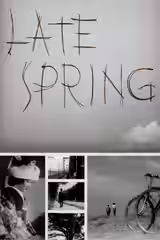
  2. Late Spring (1949, Fi1m 92)Family expectations and quiet conversations make choosing a future painfully complicated.

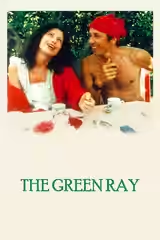
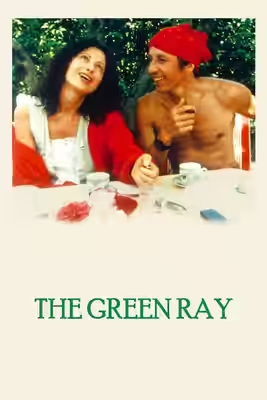
  3. The Green Ray (1986) · not reviewed yetMore talkative holiday company, with a sharper ache of loneliness underneath.

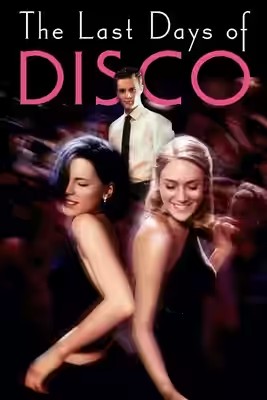
  4. The Last Days of Disco (1998) · not reviewed yetStillman follows another social circle through talk, attraction and anxious self-examination.

  5. The Souvenir (2019, Fi1m 84)Young adulthood and privilege again, with less laughter and more painful mistakes.

Free account

Know what to watch tonight

Two lists that know where things are streaming, collections you can share, your own score beside ours, and Discover that remembers what you have seen.

  • Want to see, sorted by what is streaming now
  • Seen, with your score out of ten
  • No adverts, ever