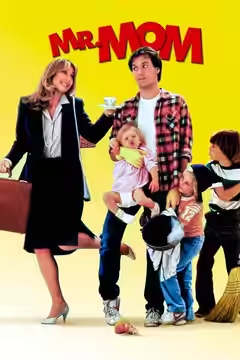
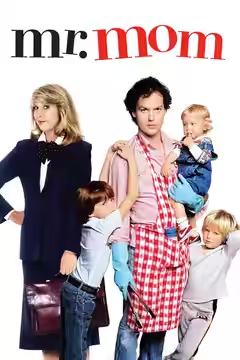
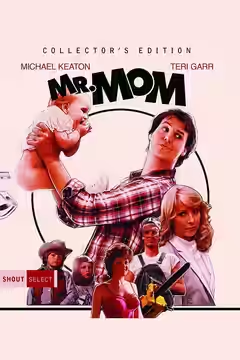
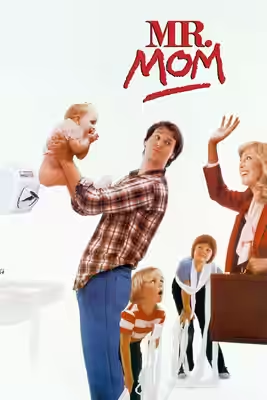
Michael Keaton and Teri Garr make this domestic role reversal warmer than its dated premise deserves. The shopping trip raises a laugh, but too much of the comedy stops at finding a father doing housework amusing.
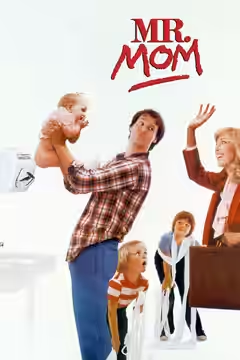
Mr. Mom is a likeable comedy held back by the belief that a father doing the housework is a joke in itself. Director Stan Dragoti and writer John Hughes get enough mileage from Michael Keaton and Teri Garr to make it a decent, undemanding evening. They are less successful at finding fresh comedy in the exchange of domestic responsibilities. The film works best when it stops treating Jack’s situation as extraordinary and pays attention to his children.
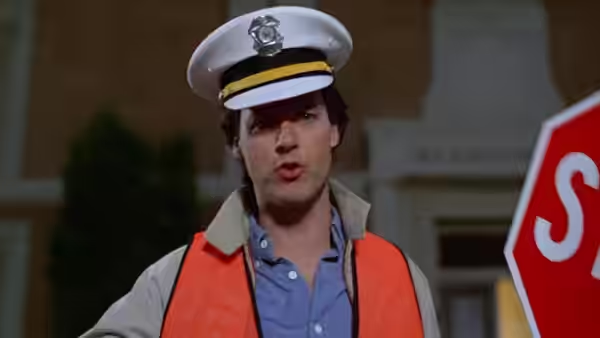
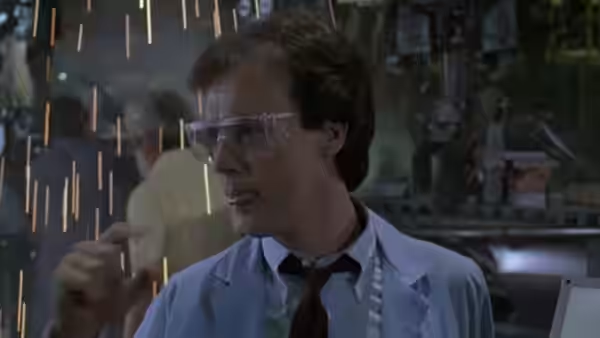
Michael Keaton gives Jack the right mixture of effort and injured pride. We laughed at his shopping trip with the children, because he seems so put out by how much effort an ordinary errand requires. The pleasure is in watching him try to cope, and he gets more out of that than the basic joke has any right to expect. His performance leaves room for affection even when the slapstick grows tiresome.
Teri Garr is just as important to the film’s warmth. Her comic timing gives Caroline a presence that the thin writing does not always earn, and she is good company even when the joke around her is obvious. She also helps keep the comedy from becoming a prolonged excuse to feel sorry for Jack. More attention to her would have given the film some welcome variety; his domestic difficulties cannot sustain every scene.
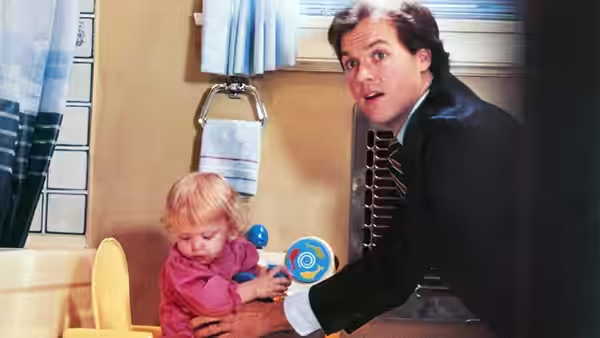
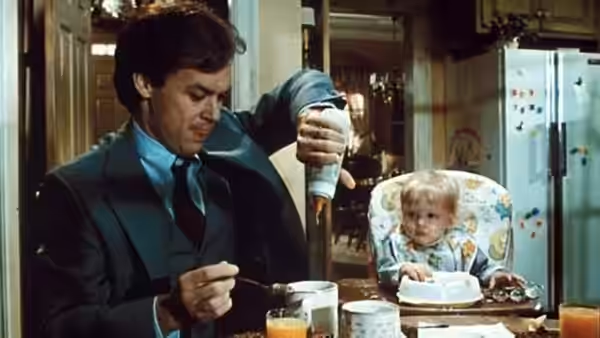
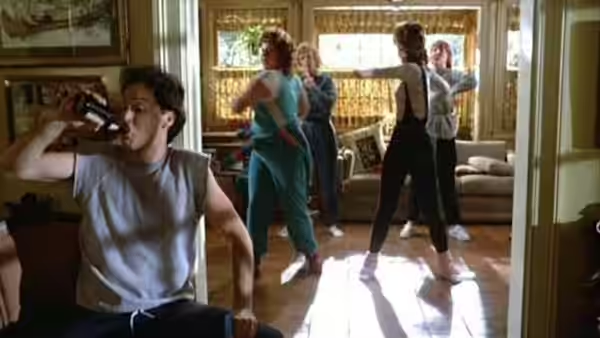
John Hughes finds something more engaging in Jack’s scenes with his children. Here Michael Keaton can let the effort of being a father matter, rather than simply showing a man baffled by domestic work. Those passages give the film some tenderness, and they make the broad farce elsewhere feel a little cheap. They also suggest how much better the comedy might have been had it trusted the family to hold our attention without another bout of slapstick.
Victor J. Kemper’s cinematography is straightforward enough to let the performances do the work, though it contributes little comic surprise of its own. Alfred Sweeney’s production design gives the household business a serviceable setting without making it especially distinctive. That plainness suits a comedy about ordinary responsibilities. It also puts considerable pressure on the performers when the script has no better idea than to make a routine task look difficult.
Patrick Kennedy’s editing keeps the farce moving, and the 91-minute running time is a kindness. Even so, some of these jokes have finished their work before the film lets them go. Lee Holdridge’s music provides an agreeable accompaniment without giving the comedy much extra character. Stan Dragoti keeps things amiable, but too rarely allows the less frantic exchanges to determine the pace.
The family-comedy pleasures are modest but real: recognisable frustration, appealing actors and some affection for the people making a mess of things. The dated assumptions are harder to ignore when the slapstick asks us to laugh simply because a man is doing a woman’s supposed job. For an undemanding evening with Michael Keaton and Teri Garr, there is enough here. Come for the actors, with reasonable expectations of the jokes.