Film review

The Full Monty

1997 · Directed by Peter Cattaneo · 1h 31m · MPA R

In a sentenceTaking your clothes off for money looks less frightening than telling the other men how you feel

Comedy

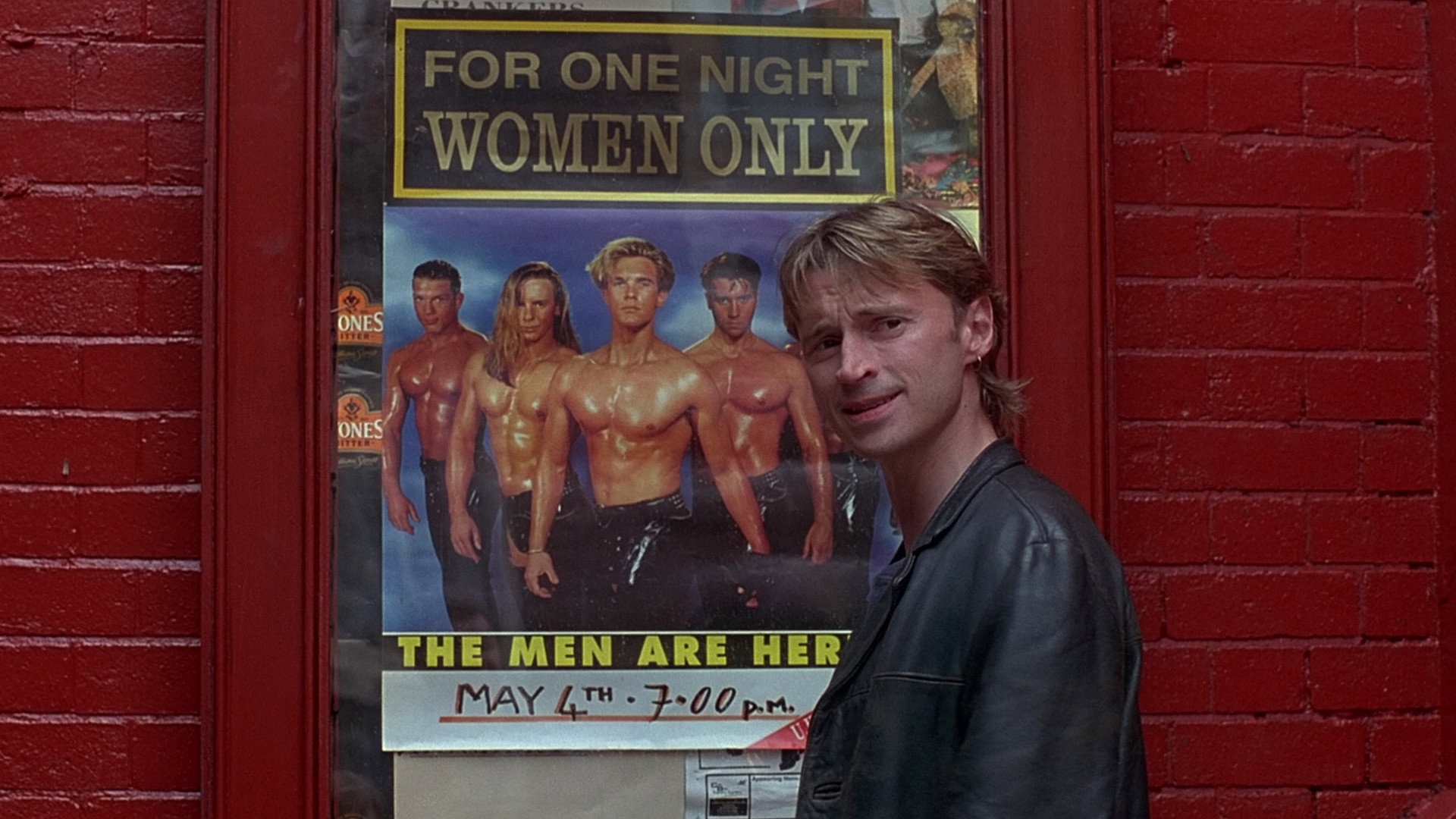
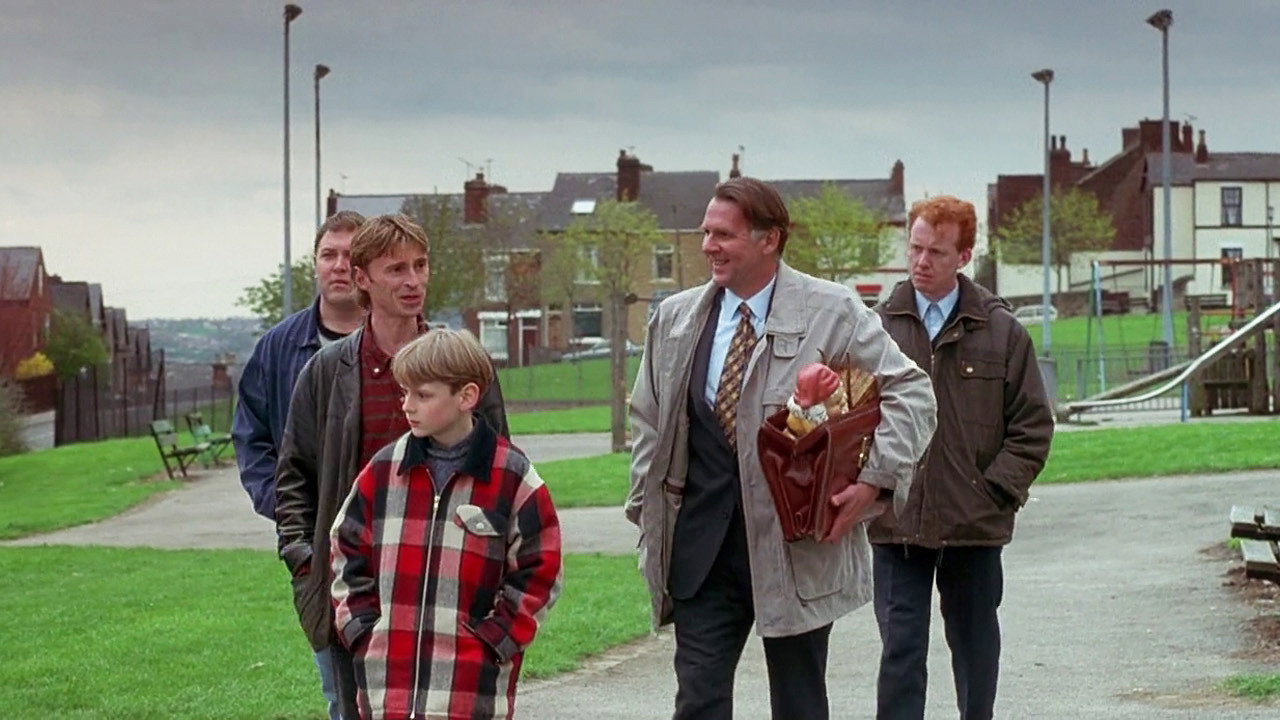
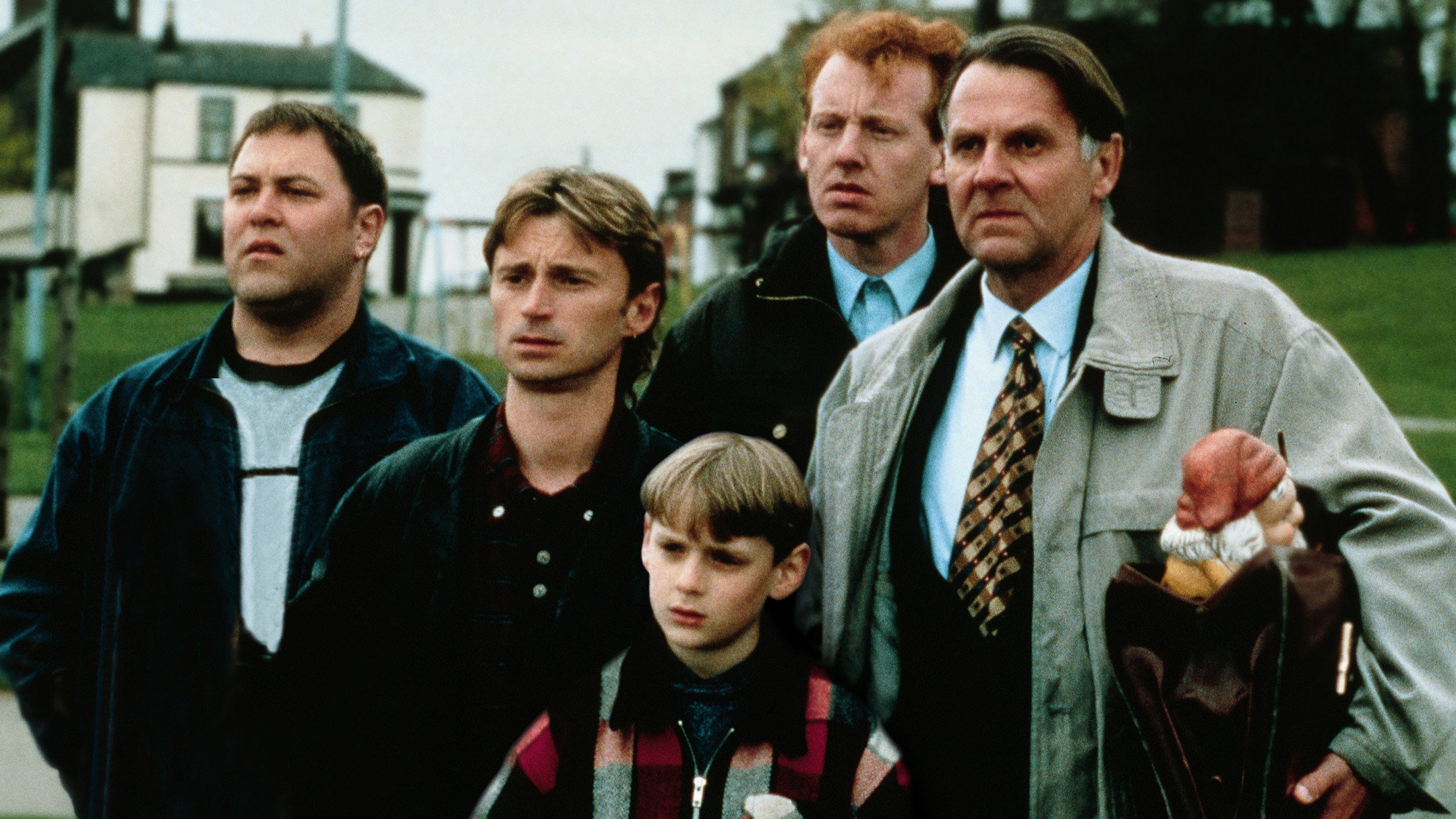
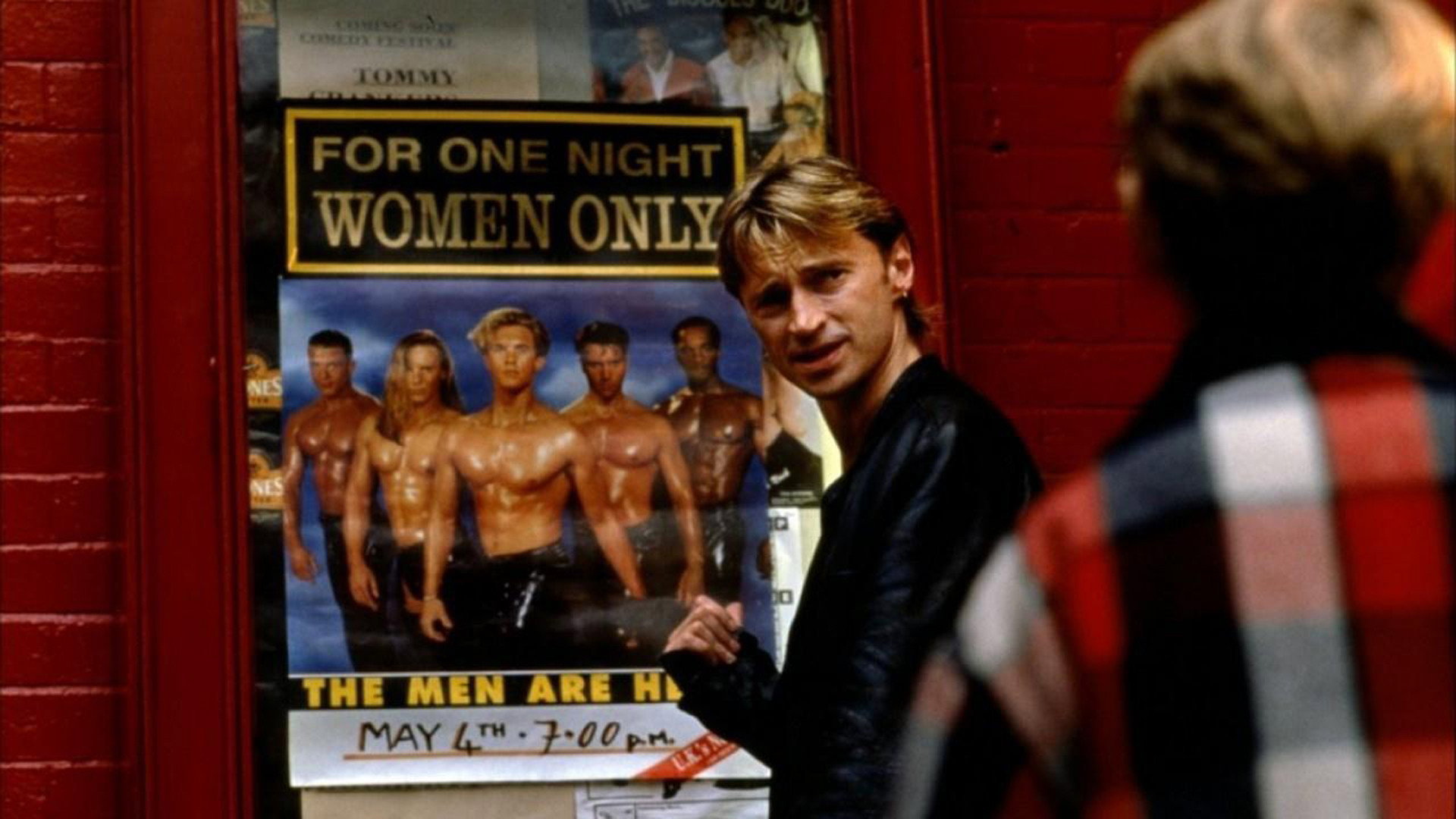
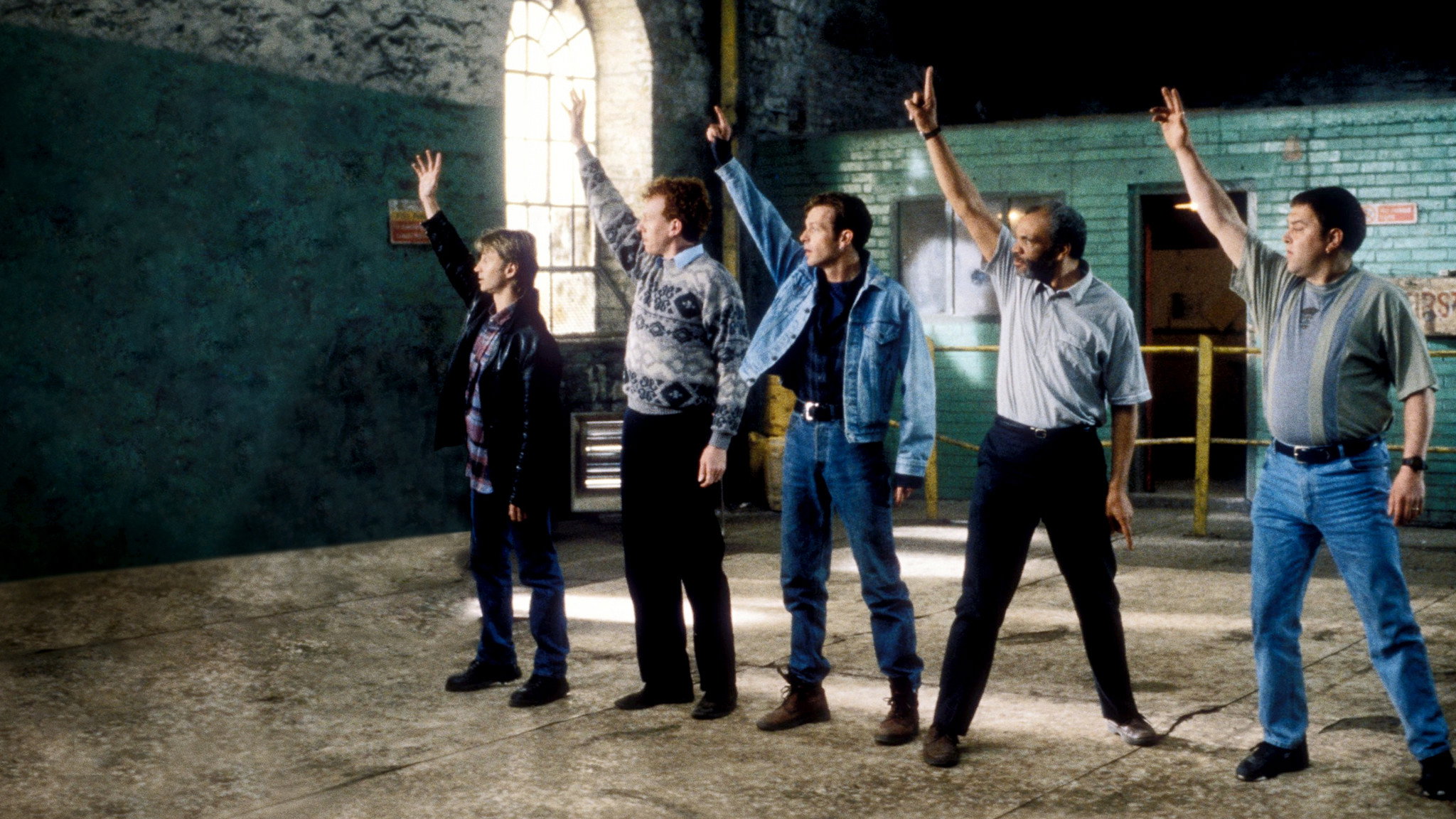
In Sheffield, a group of unemployed steelworkers decide to form a striptease act. Gary “Gaz” Schofield (Robert Carlyle) is among the men turning to an unlikely source of income, alongside Dave Horsefall (Mark Addy), Gerald Arthur Cooper (Tom Wilkinson) and Barrington “Horse” Mitchell (Paul Barber). Preparing to take their clothes off means confronting what they think about their bodies and what being out of work has done to their confidence. Their home lives complicate a scheme that already requires them to put their pride at risk. Working together means accepting help from other men with difficulties of their own.

Plays from YouTube when you press play; nothing loads from them until then.

Fi1m review

Peter Cattaneo’s comedy is warm, funny and unusually considerate of its unemployed would-be strippers, with Robert Carlyle leading a deft ensemble. It is too quick to cheer us up about hardship, but the affection feels earned.

Peter Cattaneo’s The Full Monty takes a striptease scheme seriously enough to make it funny. Its unemployed Sheffield steelworkers need money, but they also need something to do together that does not begin and end with admitting defeat. We recommend it warmly for the care it gives these men and the ease with which its cast makes their company enjoyable. Simon Beaufoy’s screenplay understands how easily a joke can become a way of avoiding an uncomfortable conversation. That understanding serves the comedy better than its rather tidy treatment of unemployment.

Robert Carlyle’s Gaz gives the enterprise the necessary forward push without becoming a salesman for the film’s good intentions. There is enough self-mockery in the performance to keep his determination from getting tiresome. Mark Addy, as Dave, makes physical embarrassment matter without asking us to pity him, while Tom Wilkinson’s Gerald brings a useful stiffness to this company. Their differences keep the group from becoming a row of interchangeable comic turns. Cattaneo lets them be awkward without treating awkwardness as a character defect.

We were moved by the men’s unease about their bodies, particularly the discomfort Addy brings to Dave. A comedy about stripping can get a cheap laugh just by putting an unathletic man in front of an audience; here, his awareness of being looked at matters. Beaufoy gives the men home lives that make their pride comprehensible, even when it gets in their way. That helps the embarrassment remain recognisable even when the scheme itself is far-fetched.

John de Borman’s cinematography and Gottlieb’s production design keep the Sheffield setting credible without making it a display of misery. That matters in a film asking us to laugh at a plan born of having no work. The physical comedy has an everyday awkwardness: ordinary bodies attempting something that demands a confidence their owners do not possess. Cattaneo is good at letting us notice the incongruity without encouraging us to feel superior.

Editors Nick Moore and David Freeman keep the exchanges brisk enough for the jokes to register without pressing each one for a second laugh. At 91 minutes, the film has little room for waste, although the later stretch loses some of the early urgency. Anne Dudley’s music helps sustain the warmth between comic business and hurt feelings. We occasionally wanted Cattaneo to leave a little more discomfort unresolved, rather than make quite so sure that the evening remained pleasant.

The larger weakness is that getting the men together sometimes seems enough of an answer to having no work. Beaufoy is alert to the shame unemployment can bring, but less searching about what a strip act cannot fix. Working-class ensemble comedies often have this trouble: the shared task becomes so enjoyable that the circumstances requiring it receive less attention. Here, the affection can make hardship seem more manageable than the film has any right to suggest. Watch it with company, with a little patience for its eagerness to cheer everyone up.

Critical consensus AI synthesised

81
Positive
6
Mixed
1
Negative
0

Most critics respond warmly to The Full Monty, finding a funny, tender comedy that gives its unemployed steelworkers more to worry about than taking their clothes off. Praise centres on the ensemble, particularly Robert Carlyle, and on the attention paid to pride, home life and male vulnerability. The reviews repeatedly pick out the camaraderie and comic set-pieces, with Peter Cattaneo’s sympathetic handling allowing the social hardship to matter without overwhelming the humour.

The differences are mostly over how much substance and momentum sit beneath that warmth. Time Out enjoys the humour but finds the film less convincing intellectually. Collider praises the ensemble chemistry while questioning uneven subplots and occasional melodrama. Eye for Film offers the clearest reservation, finding it less funny than its reputation suggests and arguing that the final third coasts. The spread is largely between enthusiasm and qualified affection, rather than outright rejection.

Radio Times
★★★★★ · Alan Jones
100

The critic praises director Peter Cattaneo's highly engaging, poignant and hilarious comedy drama about unemployed Sheffield steelworkers forming a strip act. It highlights the superb ensemble cast and memorable moments such as the dole queue dance routine.

Read the full review →
RogerEbert.com
27 August 1997 · Roger Ebert
85*

The critic finds it a lovable comedy about unemployed Sheffield steelworkers who form a striptease act out of desperation, giving gravity to the material through the characters' pride and home lives. It is placed in the tradition of bittersweet British working-class films like Brassed Off, with strong performances especially from Robert Carlyle.

Read the full review →
The Guardian
29 August 1997
85*

The critic finds the film an oddly innocent and jolly comedy about unemployed steelworkers becoming strippers, praising its tender approach to male vulnerability and camaraderie rather than raunchiness. It is hailed as the best British sitcom in years for its feel-good solidarity, comic efficiency and celebration of teamwork.

Read the full review →
Variety
11 August 1997
80*

The critic calls it bright and sassy, a treat that is small but muscular, about gawky unemployed men launching a striptease act, with inventive marketing potential for solid business. It notes the director's nonjudgmental approach and the strong ensemble, especially Robert Carlyle's lead performance leading to standing-ovation moments.

Read the full review →
Time Out
10 September 2012 · TJ
70*

The review describes how the film turns feel-bad clichés on their head as unemployed men seek self-respect through stripping, praising Carlyle's assured self-deprecating humour and the director's handling of incongruity while noting it does not fully convince intellectually.

Read the full review →
Empire
1 January 2000 · Deborah Brown

The central joke of unathletic Englishmen stripping lands well, with strong character work and original comic touches like the DSS rehearsal scene. It positions the film as another solid low-budget British crowd-pleaser.

Read the full review →

Cast

Stills

Awards

Academy Awards, 1998

Nominated
Best Director
Nominated
Best Picture
Nominated
Best Writing, Original Screenplay
Won
Best Original Musical or Comedy Score

European Film Award for Best Film, 1997

Won
European Film Award for Best Film

European Film Award – People's Choice Award for Best European Film, 1997

Won
European Film Award – People's Choice Award for Best European Film

If you liked this, try…

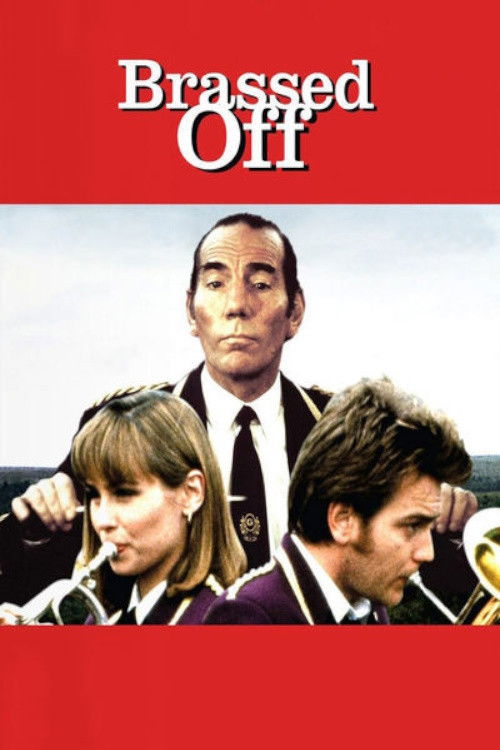
Brassed Off poster79

Brassed Off

1996 · Another working community finds purpose in performing, with anger nearer the surface.

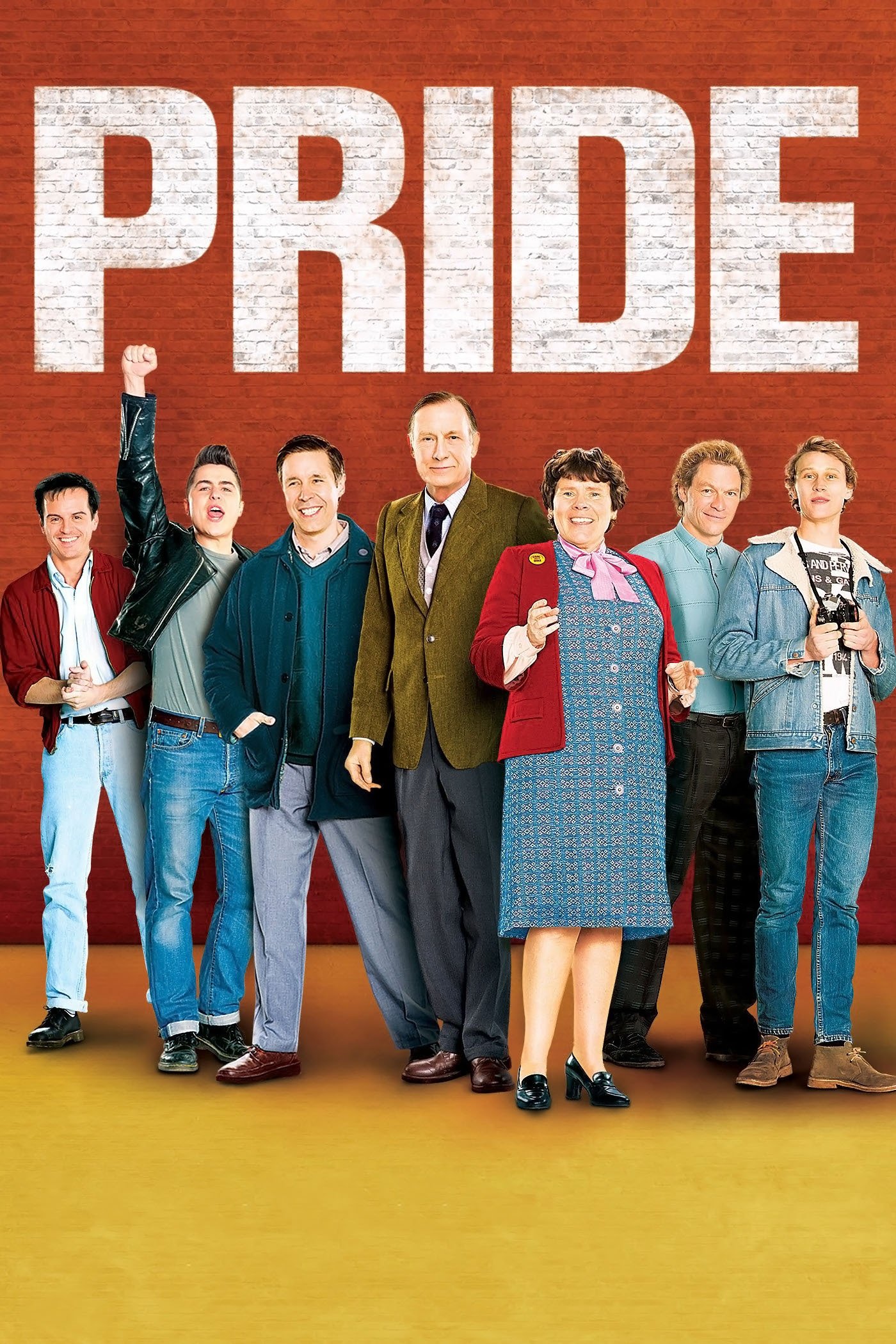
Pride poster

Pride

2014 · Group solidarity, awkward introductions and jokes that leave room for political anger.

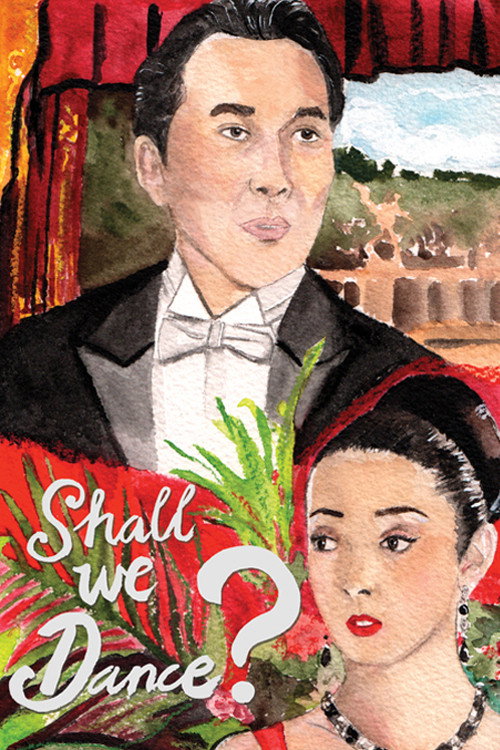
Shall We Dance? poster

Shall We Dance?

1996 · A Japanese office worker risks embarrassment for the pleasure of learning to dance.

The Band's Visit poster

The Band's Visit

2007 · Stranded musicians discover how much companionship can begin with an awkward conversation.

The Firemen's Ball poster

The Firemen's Ball

1967 · For a less forgiving look at communal pride and organised public embarrassment.