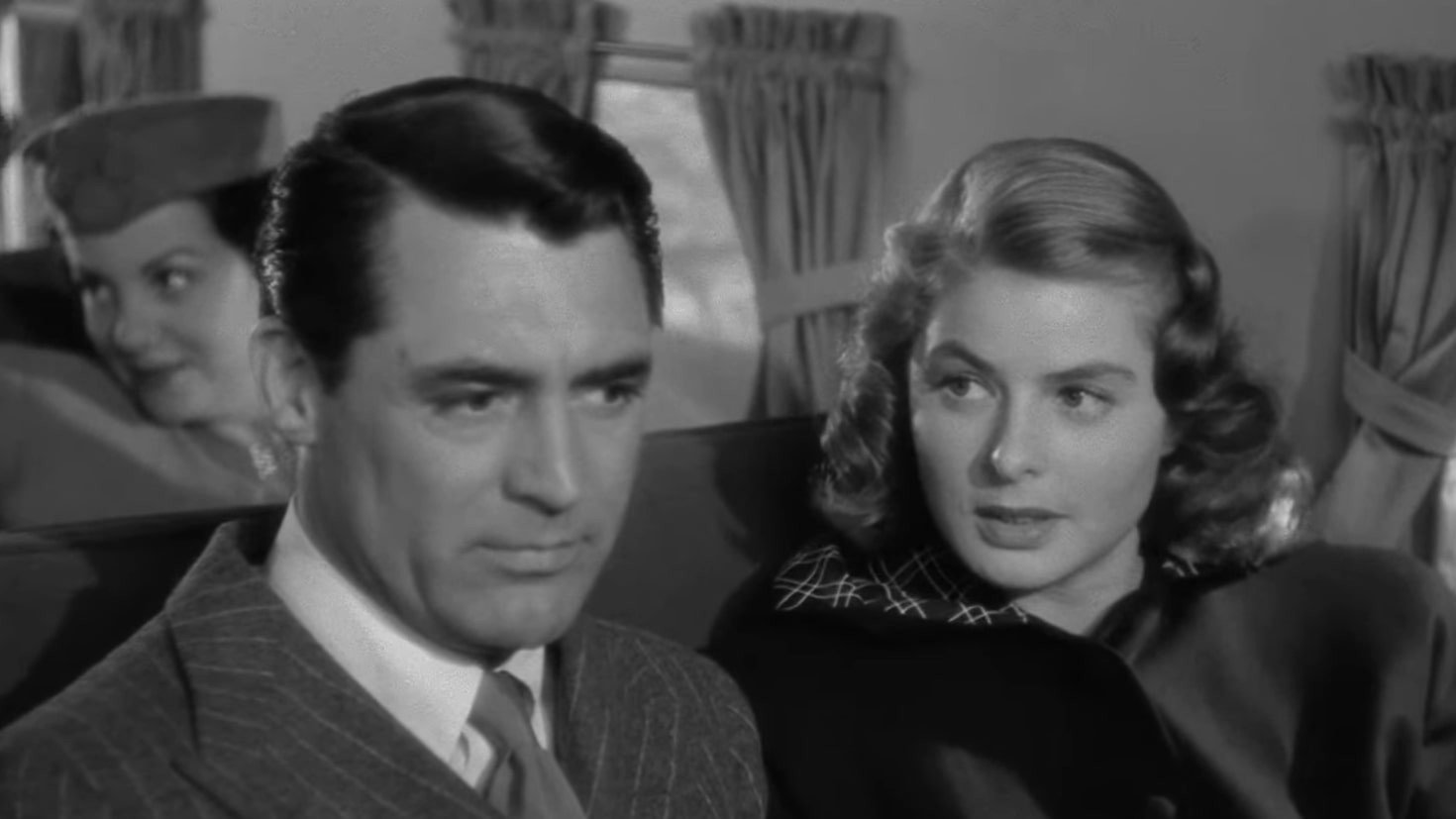
Alfred Hitchcock makes a cruel romance into an exceptionally tense spy thriller, with Ingrid Bergman giving its suffering weight. We recommend it readily, though anyone expecting Cary Grant to provide uncomplicated comfort has chosen the wrong film.
Notorious is an excellent spy thriller that becomes more disturbing the longer we attend to its romance. Alfred Hitchcock gives us lovers whose attraction is plain and whose willingness to hurt each other is harder to bear. We recommend it readily, with a warning that the polished surface offers little emotional comfort. Its 103 minutes allow the intimate scenes to develop without letting the surrounding danger disappear.
Ben Hecht’s script makes a woman’s reputation an ugly practical problem. Alicia Huberman’s father’s treason gives the espionage story its starting point, while the romantic triangle keeps bringing judgement back upon her. The men are quick to suspect her and slow to examine what their suspicion allows them to do. Each conversation has to be heard carefully, because the request being made may conceal something considerably less reasonable.
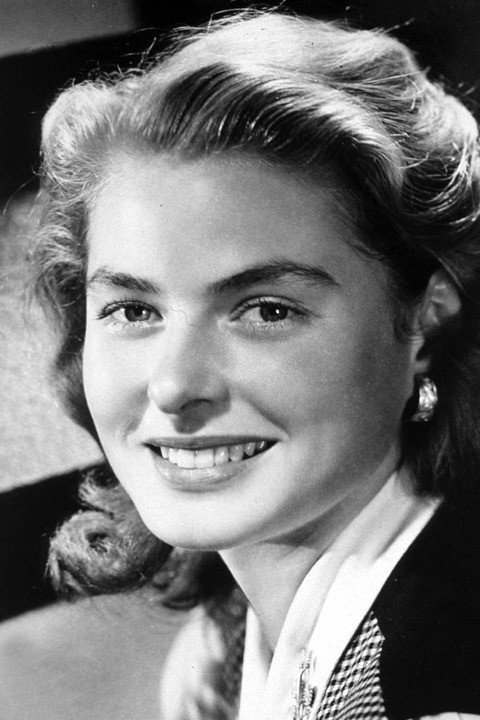
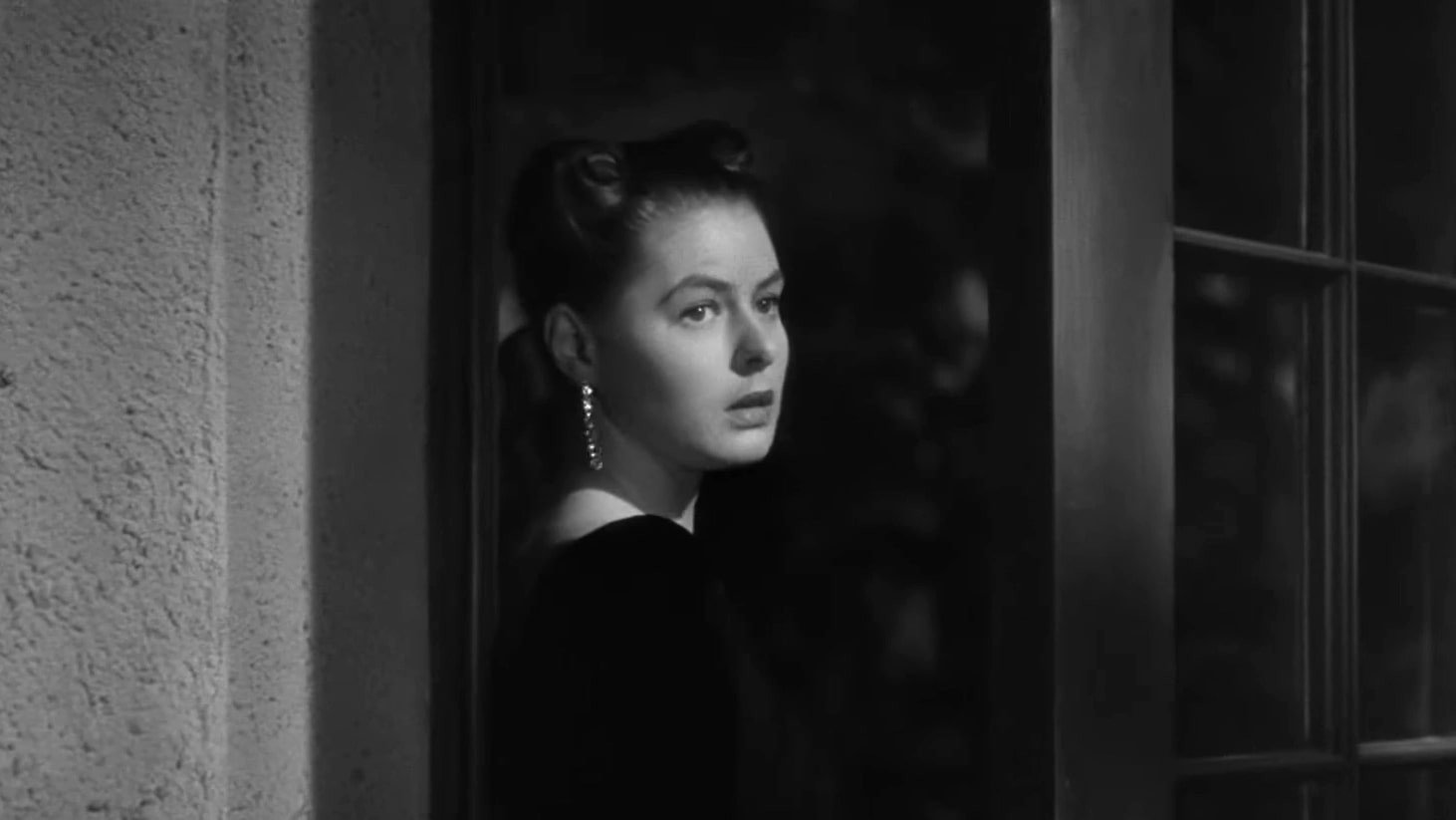
Ingrid Bergman gives Alicia Huberman enough bravado to make the vulnerability beneath it painful to watch. We felt protective of her in the drunken sequence, because keeping up that careless manner seems to take such effort. The performance allows her to be untidy, defensive and difficult without making those qualities a case against her. She keeps us interested in the woman even when everyone else seems occupied with her usefulness.
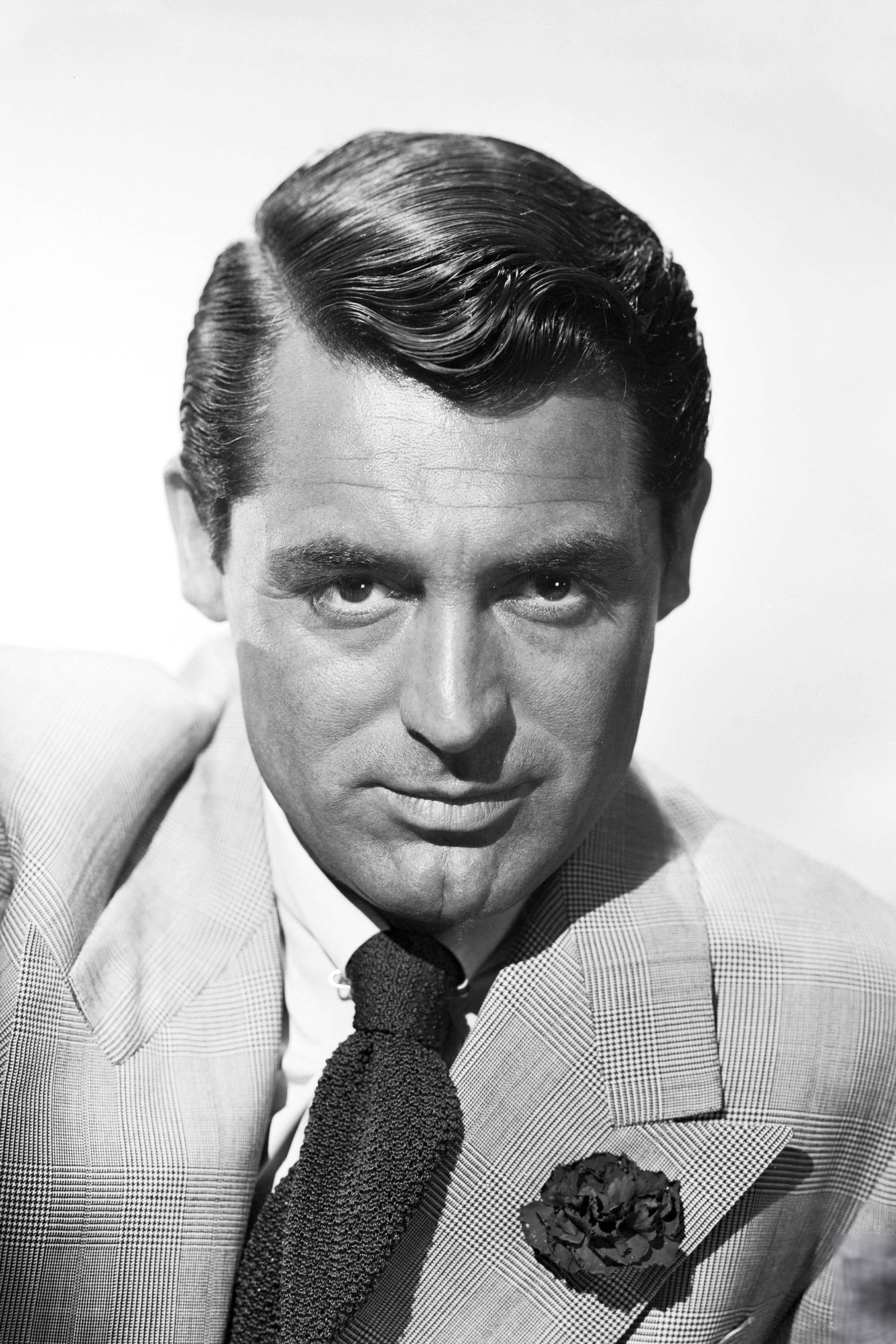
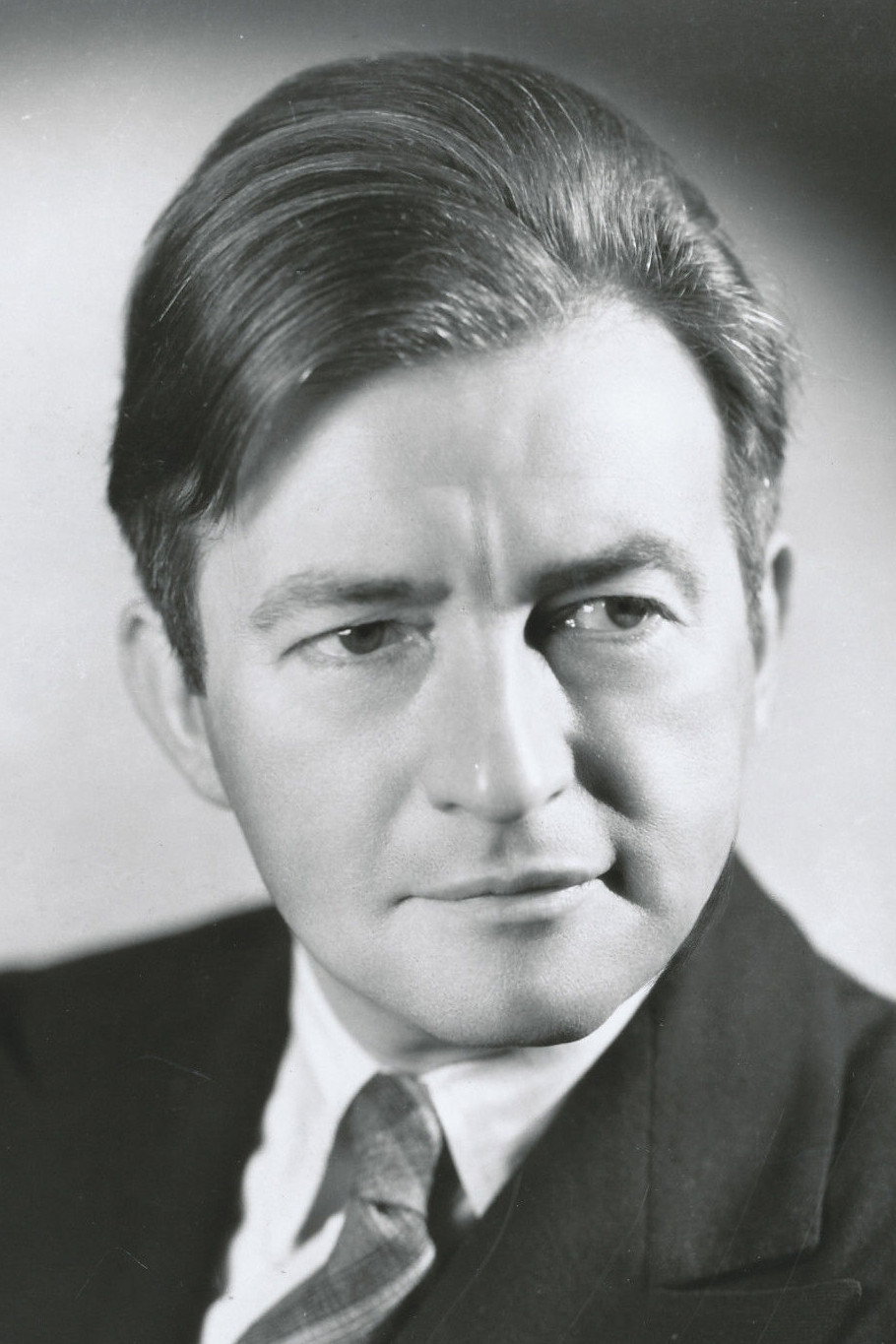
Cary Grant makes Devlin’s reserve distinctly unpleasant, and that is a large part of the performance’s success. His composure offers scant reassurance when warmth would require him to risk something. Claude Rains gives Alexander Sebastian a troubling capacity to invite sympathy; the villain is allowed feelings that do not conveniently announce themselves as villainous. Between the two men, the film denies us the simple satisfaction of knowing whom we ought to find attractive.
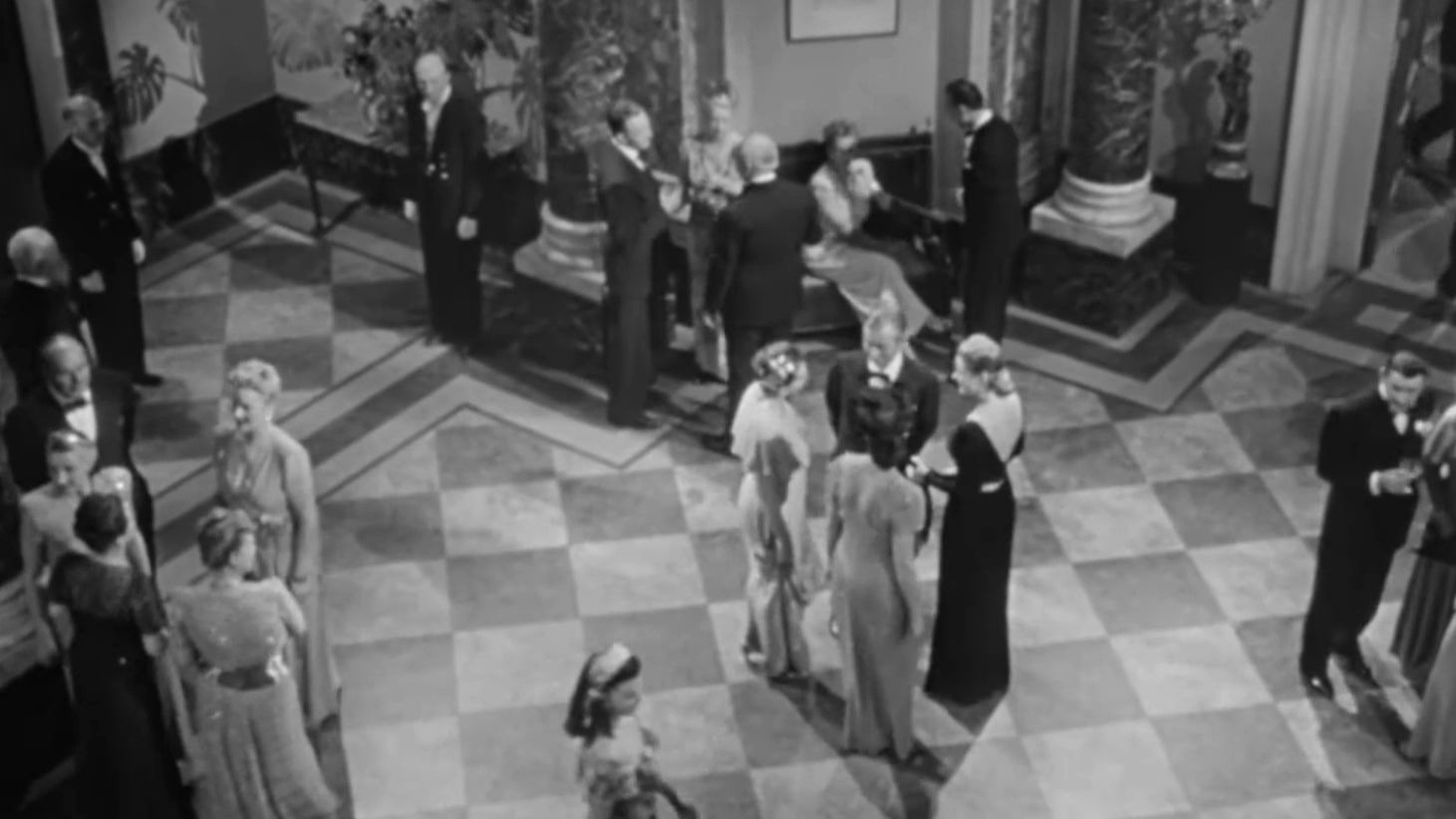
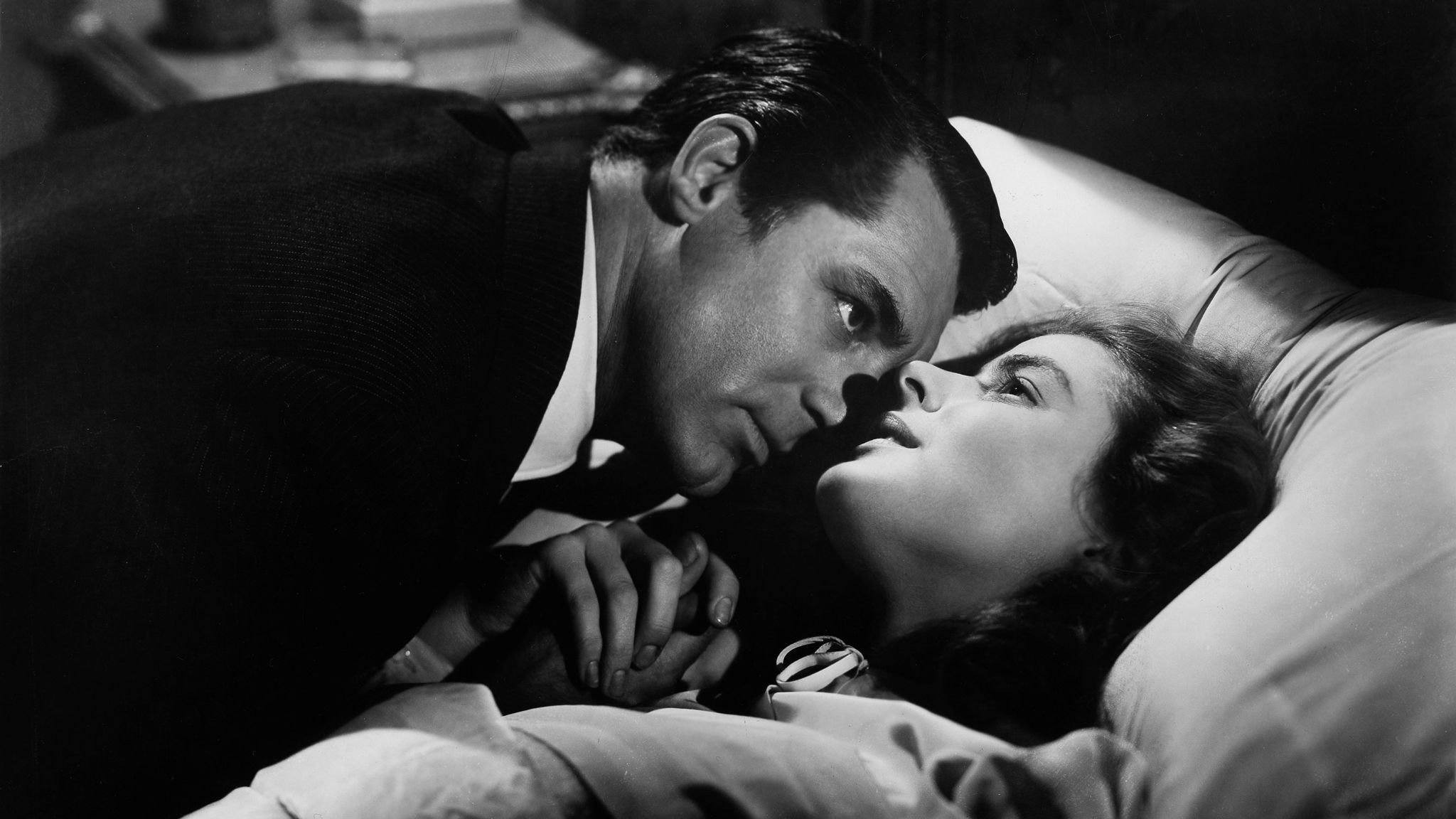
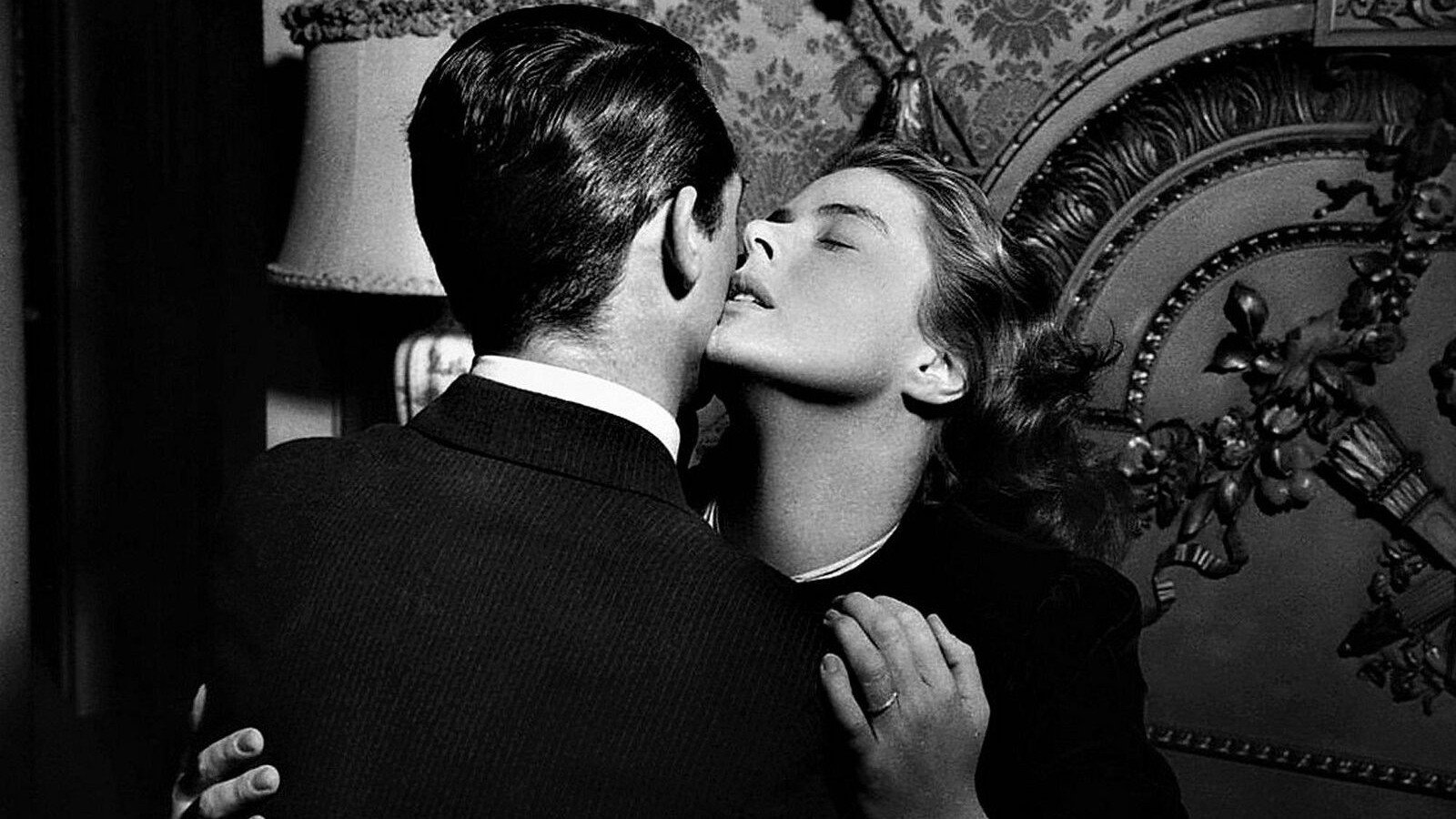
Ted Tetzlaff’s cinematography is precise about where we need to look. A crane movement travels across a party to a key, giving a small object an alarming importance. The extended kissing sequence allows physical closeness to persist long enough for us to notice how little emotional reassurance it provides. Alfred Hitchcock can hold our attention on two people kissing because the performances have already made their unhappiness worth worrying about.
Theron Warth’s editing gives the long takes time to work. The measured pace lets us watch for changes in a face without draining the pressure from the spy story. Roy Webb’s music supports the romance, though the actors need little assistance in making it hurt. The strongest passages trust our attention, and the film seldom seems anxious to prove how much technique has gone into them.
The limitation is the espionage plot itself, which is more conventional than the people caught inside it. We are given enough intrigue to sustain the suspense, but the supporting business has little of the emotional detail that distinguishes the lovers. Ben Hecht’s writing makes jealousy so particular that these more familiar complications sometimes seem thin. Anyone coming chiefly for the mechanics of espionage may reasonably want more substance there.
For all its technical assurance, Notorious is unusually uneasy company for a romantic thriller. The genre often makes dangerous attraction look flattering; Alfred Hitchcock lets it become humiliating, particularly for the person asked to prove herself. Watch it for Ingrid Bergman, and resist the temptation to forgive Devlin simply because Cary Grant is playing him.