Carl Franklin’s crime thriller earns its tension by making us care who is in danger. Bill Paxton and Cynda Williams give it unusual feeling, despite some heavy-handed noir touches and an underexplored sheriff.
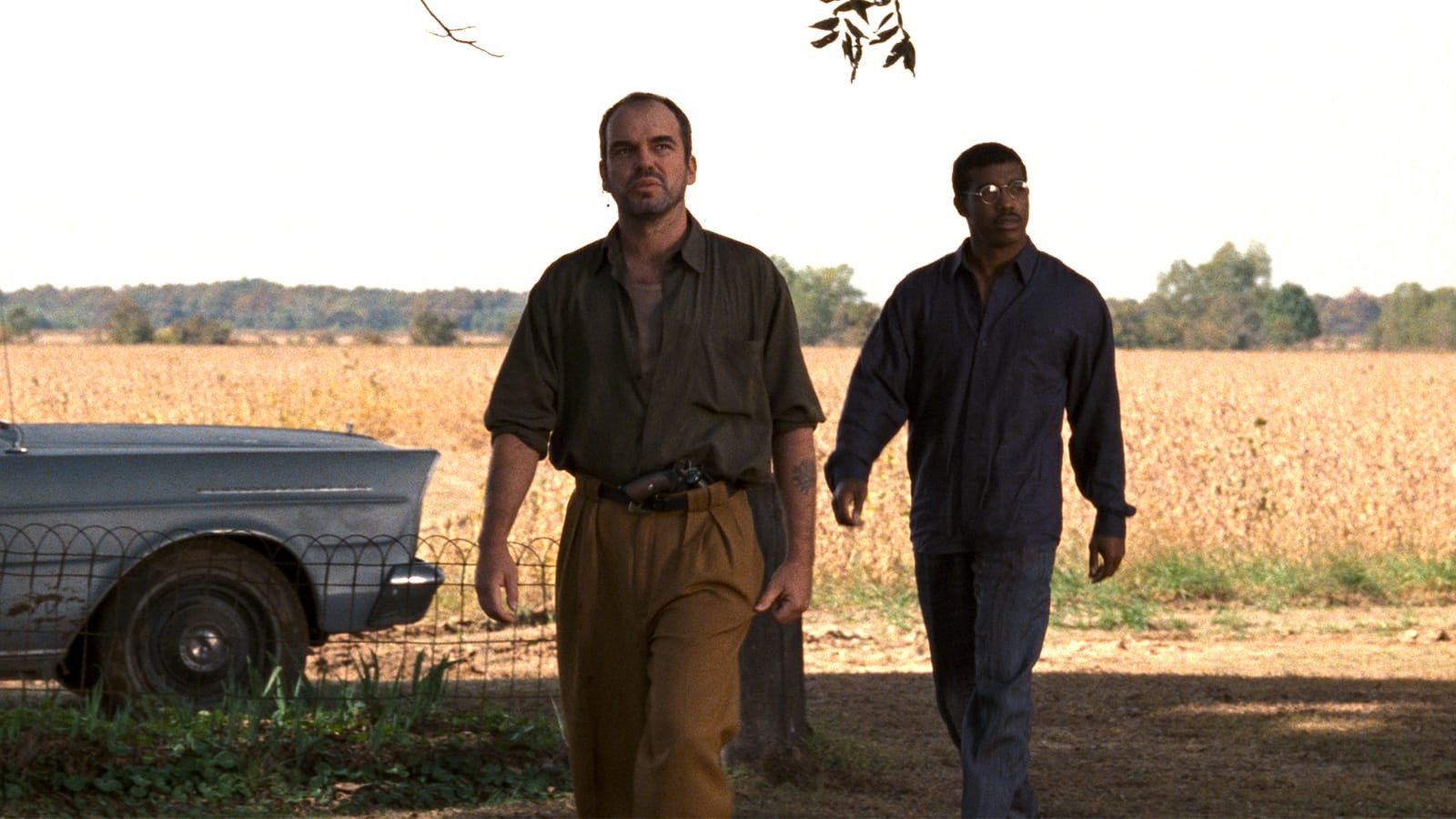
One False Move is an unusually humane crime thriller, and we recommend it despite some overemphatic direction. Carl Franklin works from a script by Tom Epperson and Billy Bob Thornton, following criminals towards a small Arkansas town and gradually giving the people more of our attention than the pursuit. That takes patience, but the human detail never feels like something to endure before the exciting business resumes. There is enough suspense to sustain the quieter passages without hurrying through them. The film runs 105 minutes.
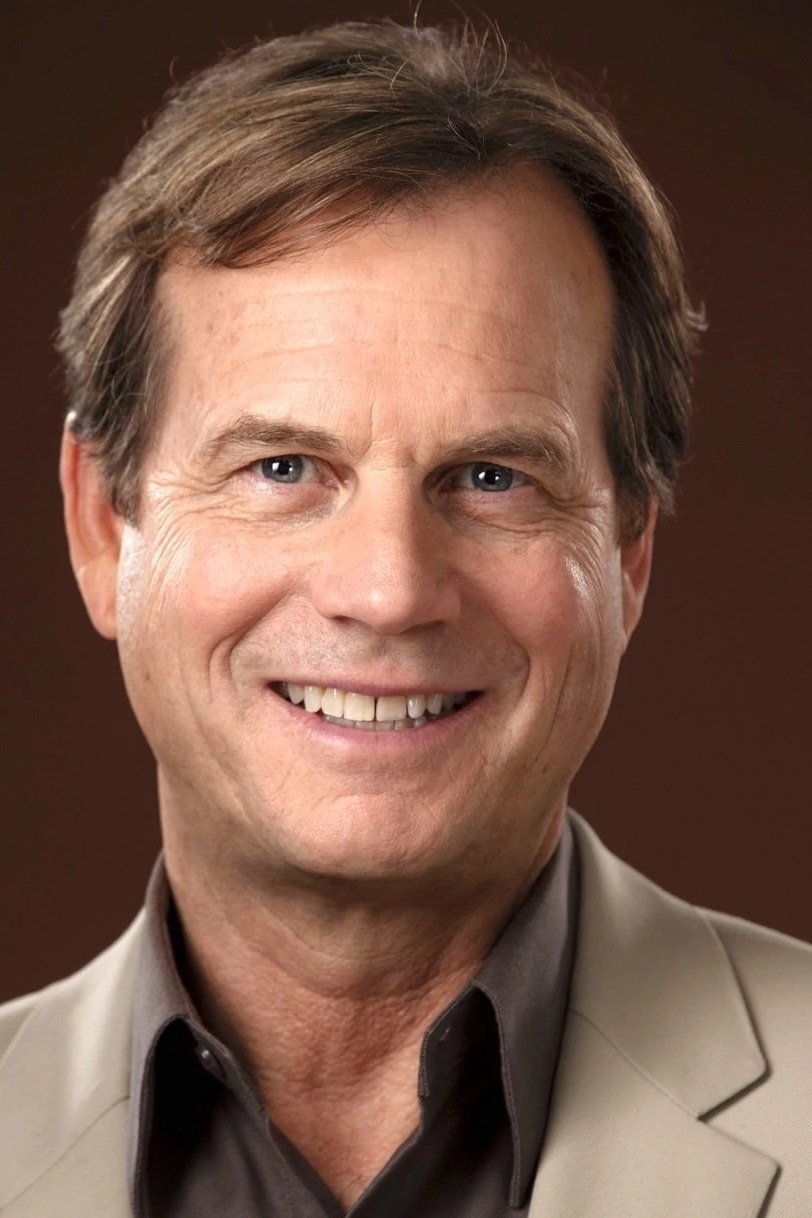
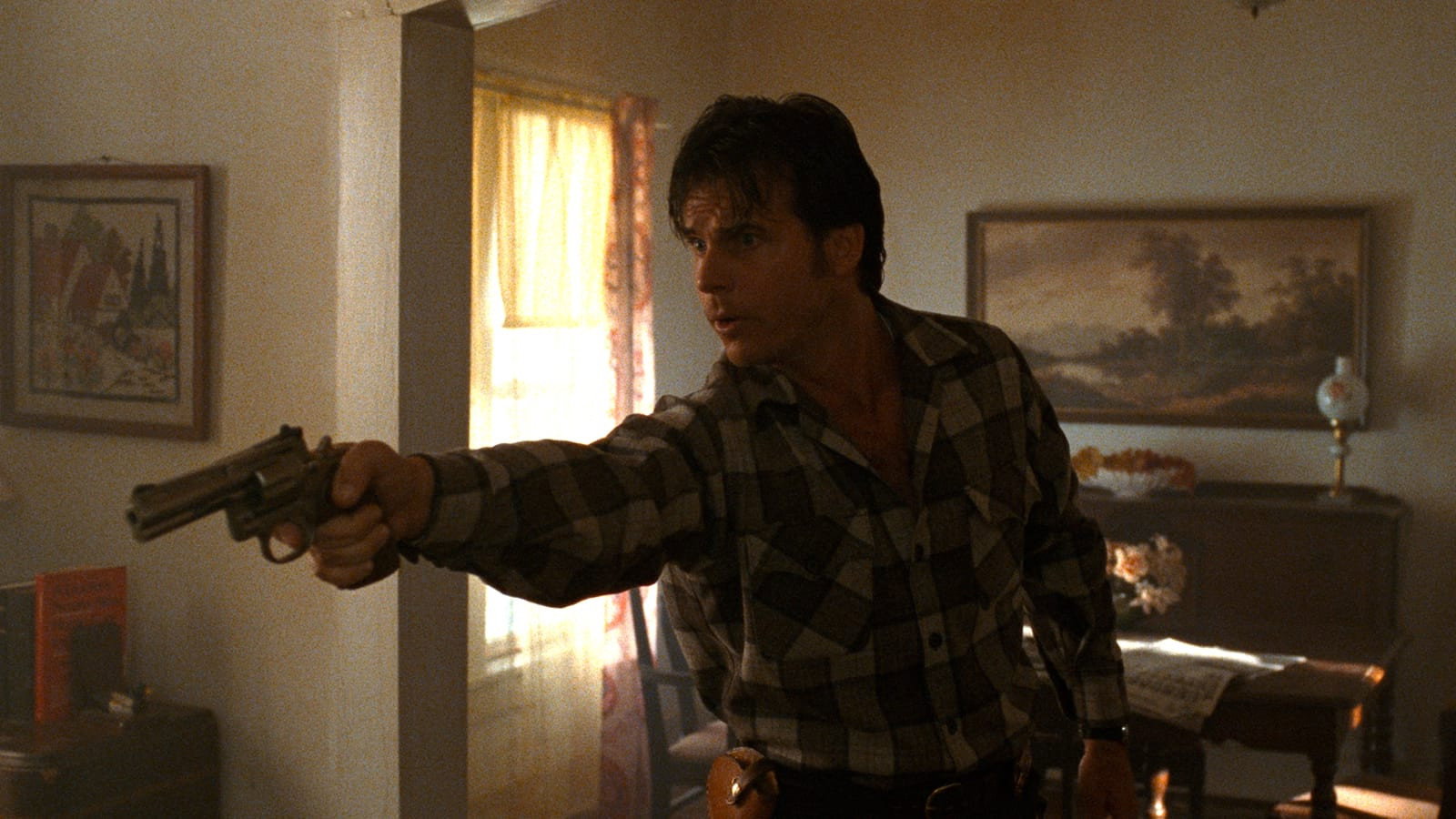
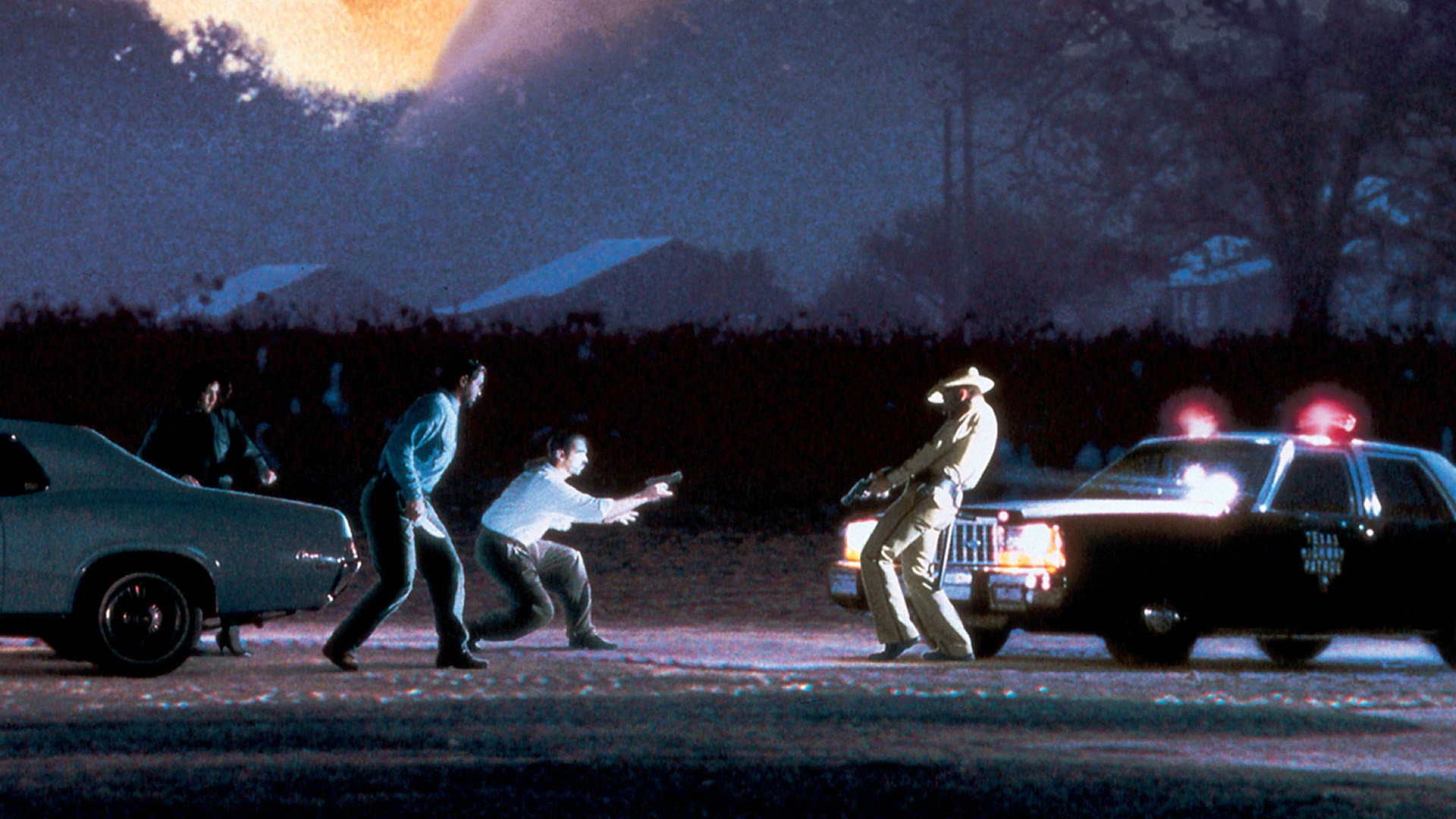
Bill Paxton plays Dale “Hurricane” Dixon, the sheriff of Star City, with a naturalness that keeps the part from becoming a joke about provincial policing. A city-country thriller can do a great deal of lazy work with a supposedly simple local lawman. Paxton makes us interested in Dixon before the plot has explained why we should be, and he does not need to advertise the character’s importance. We wanted a little more of him, particularly where the writing suggests a complicated man and then lets the pursuit take priority.
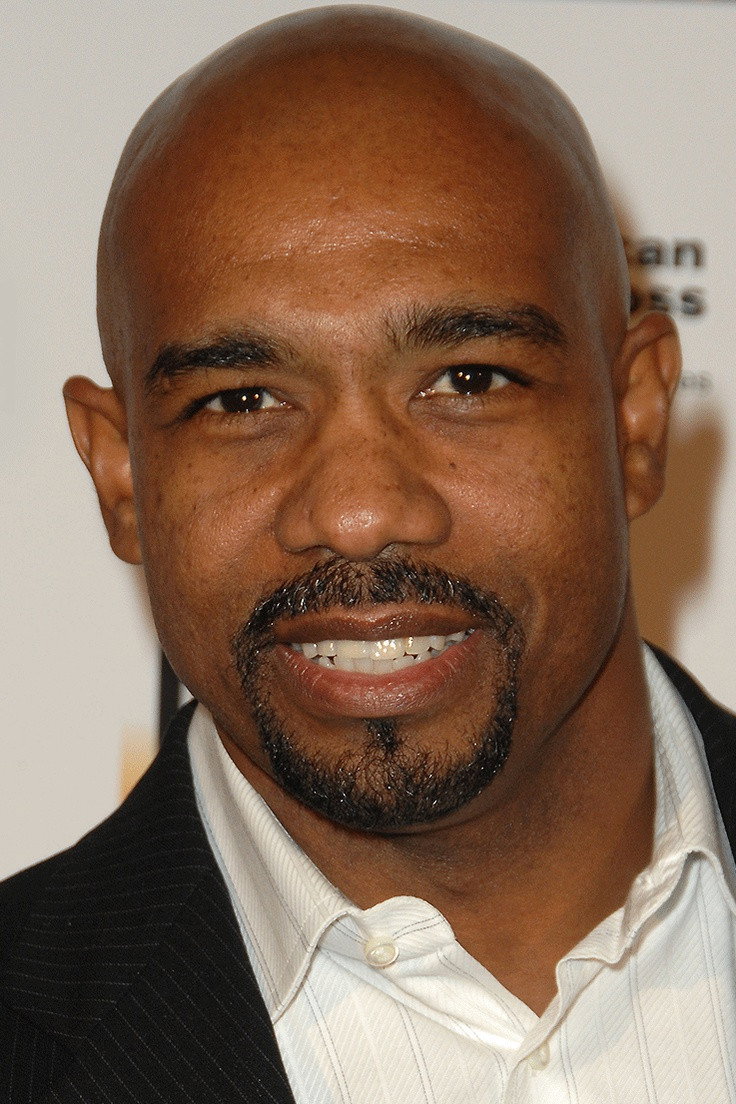
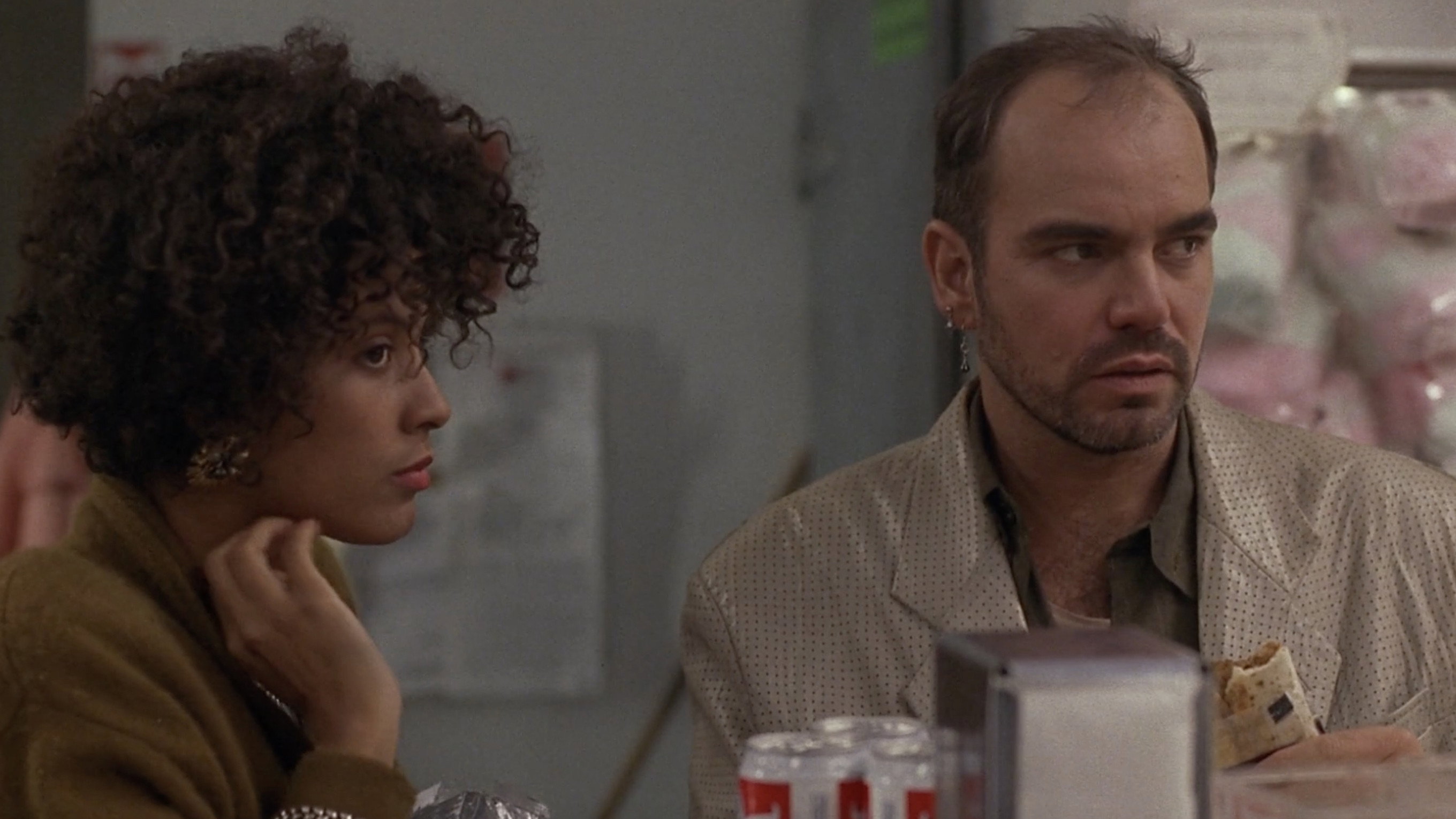
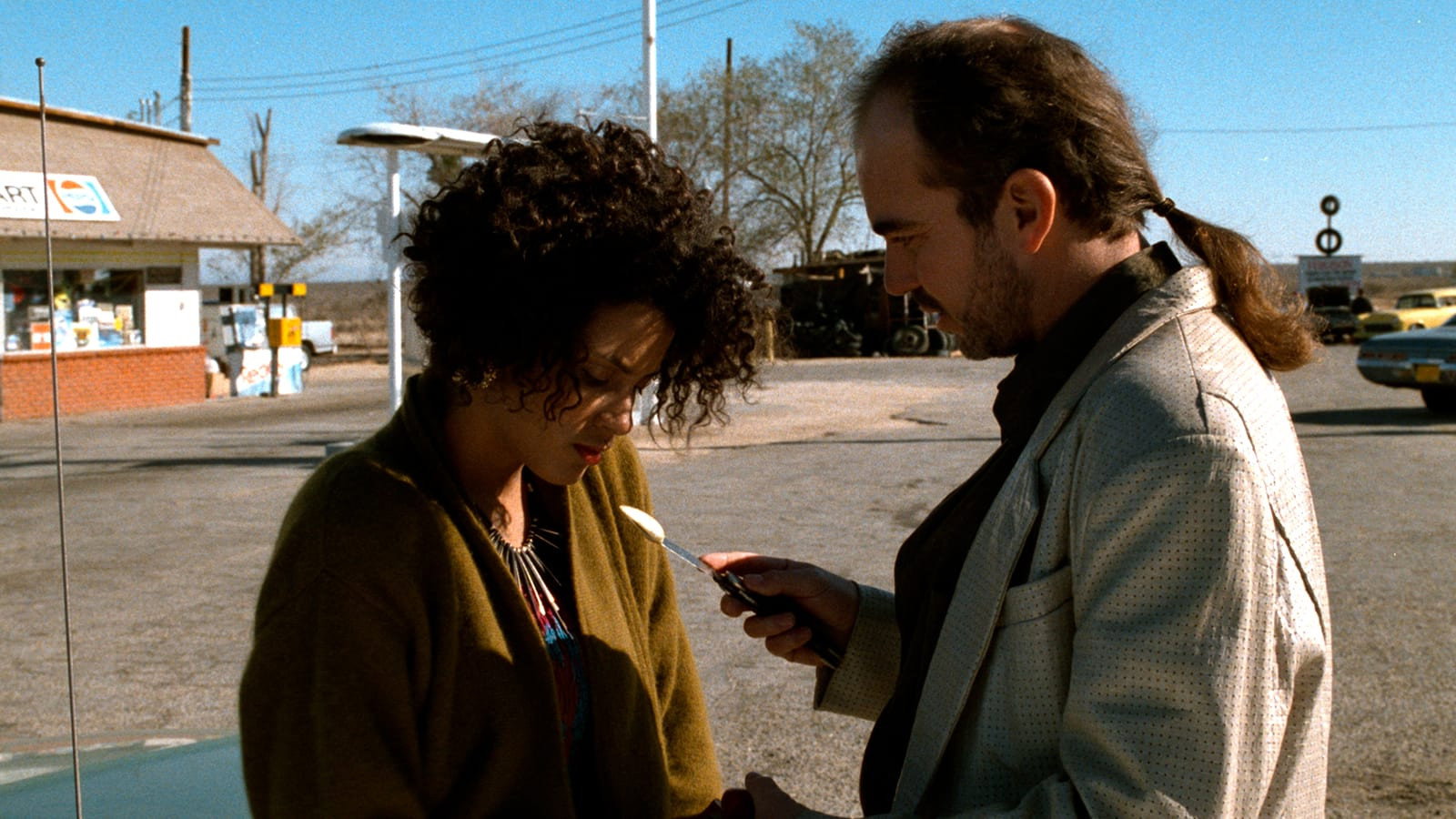
Cynda Williams gives Fantasia a distress that does not disappear whenever the chase needs to move forward. We were moved by her. Williams makes us stay aware of the character’s pain while the suspense encourages us to think only about the next danger. Thornton’s Ray Malcolm and Michael Beach’s Pluto belong to the same convincing ensemble, with nobody apparently auditioning for a more conspicuous film. The script’s attention to racial and sexual inequality gives us more to consider when judging these people.
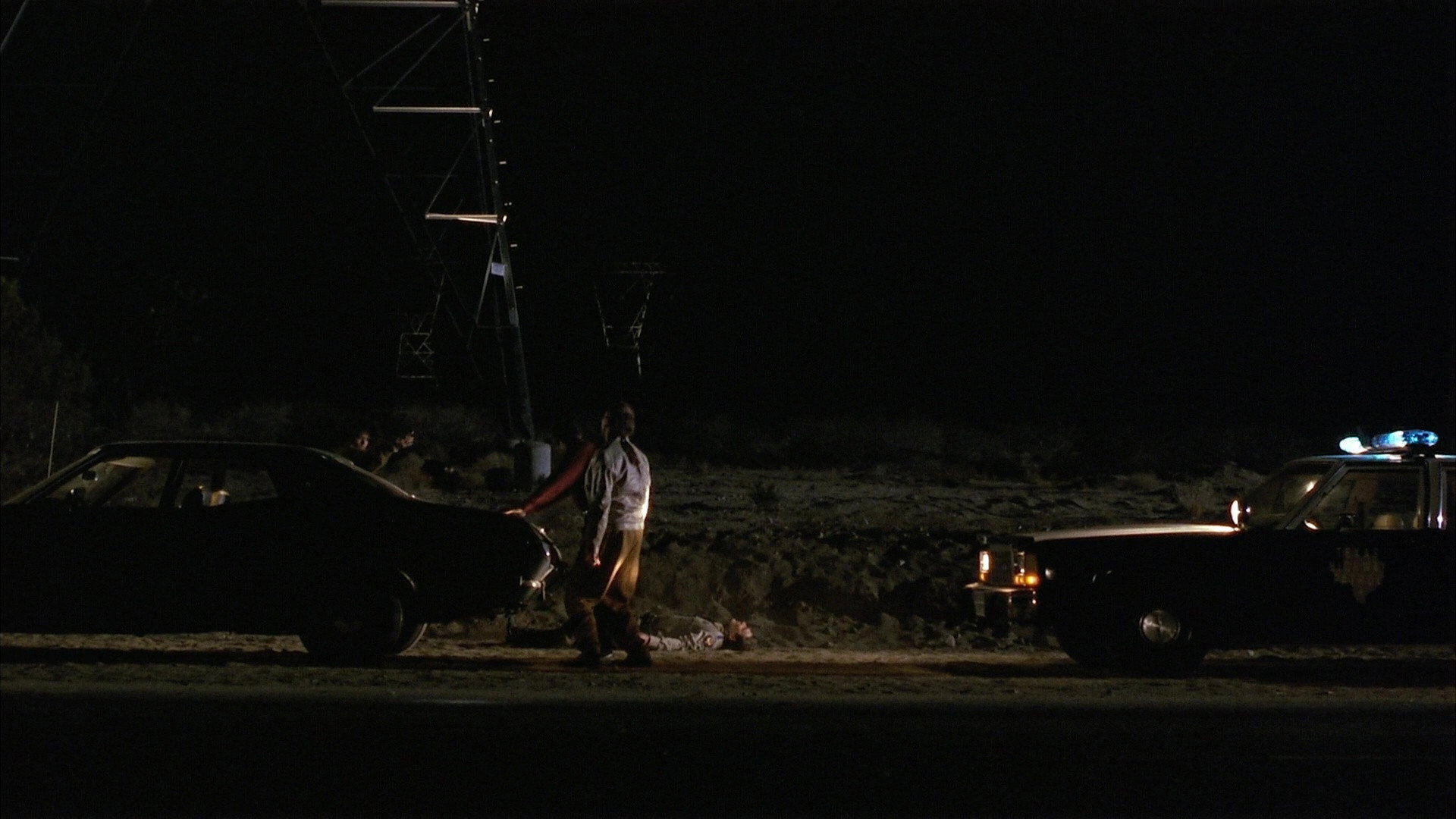
James L. Carter’s cinematography makes the shift from urban violence to rural Arkansas unsettling: the change of surroundings offers less relief than we expect. Gary T. New’s production design helps distinguish the two places without making the town seem safely detached from what we have seen. The contrast gives the pursuit a clear destination and makes us apprehensive about reaching it. Much of the unease comes simply from knowing that the criminals are approaching this small town.
Carole Kravetz Aykanian’s editing keeps the pursuit clear while allowing the performances enough time to register. We are not left impatiently waiting for the criminals whenever the film attends to Dixon, and Williams’s scenes do not feel like delays. The music by Derek Holt, Peter Haycock and Terry Plumeri helps sustain the unease, though we remember the actors more clearly than the score. The pacing gives us time to care about Dixon and Fantasia without losing track of the danger.
Some of Franklin’s noir touches are too emphatic, pressing for menace already present in the situation. We notice the effort, and that briefly weakens the unease. It is a small complaint, but this is a thriller in which unnecessary insistence is conspicuous. The genre’s familiar pleasures are here, including the anticipation of people meeting who should be kept well apart, and the performances give us good reason to dread those encounters.
Choose it for an evening when there is time to pay attention, not when a thriller is wanted to fill the background. The violence is a serious caveat, and the 18 certificate should settle any thought of casual family viewing. Paxton and Williams deserve to be watched without somebody checking another screen.