Clint Eastwood’s mysterious stranger holds together a rewarding, old-fashioned Western. The supporting actors and landscapes deserve attention too, even when the religious symbolism grows heavy and the danger seems too easy to handle.
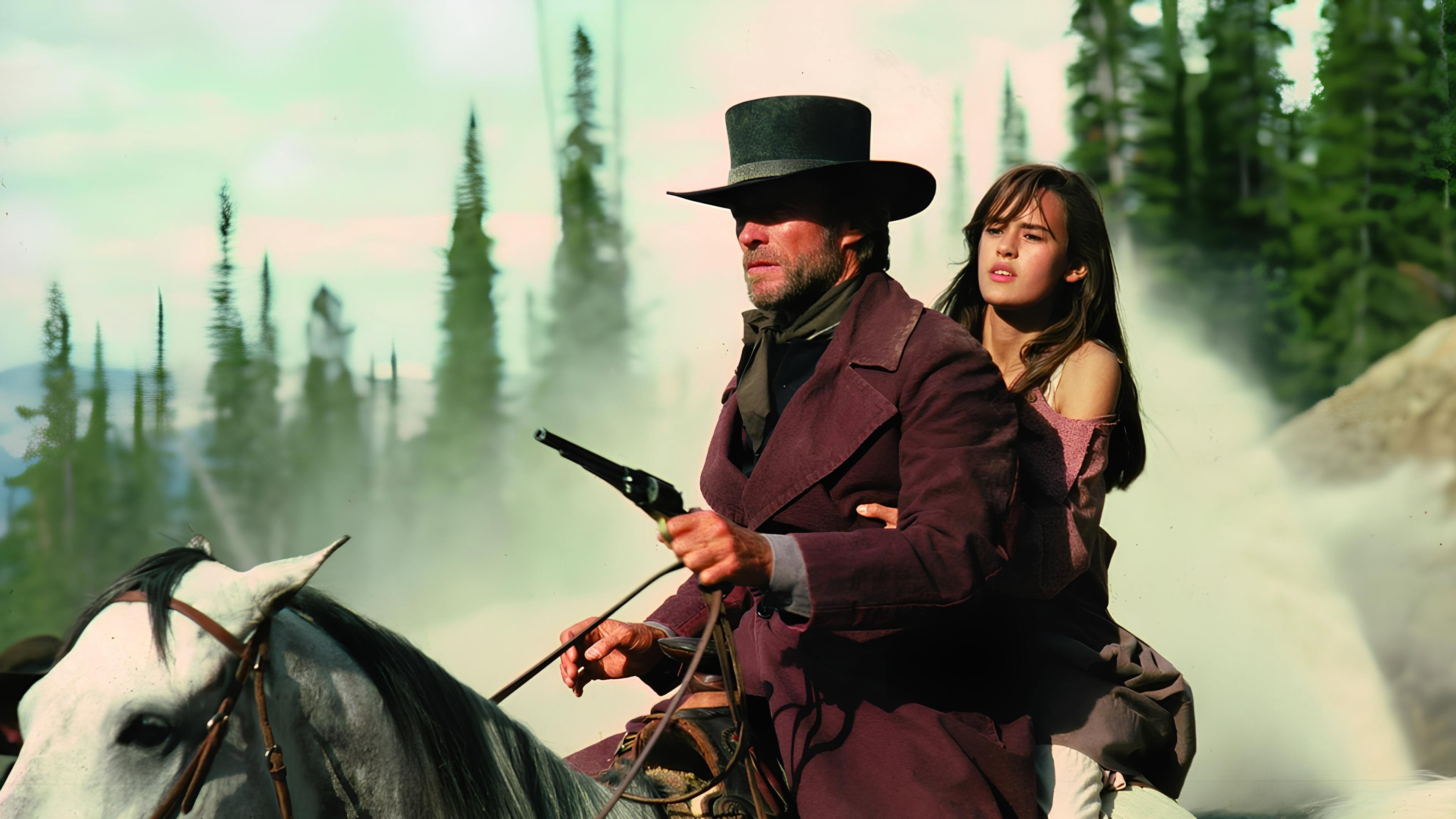
Clint Eastwood’s Pale Rider is a satisfying Western with a familiar story and an unsettling hero. It asks us to enjoy watching a stranger help people who cannot match the power ranged against them, while wondering quite what has come to their rescue. Eastwood directs without fuss and gives himself little need to explain. The religious symbolism grows heavy, but for much of the film a face or a stretch of country is enough to hold our attention.
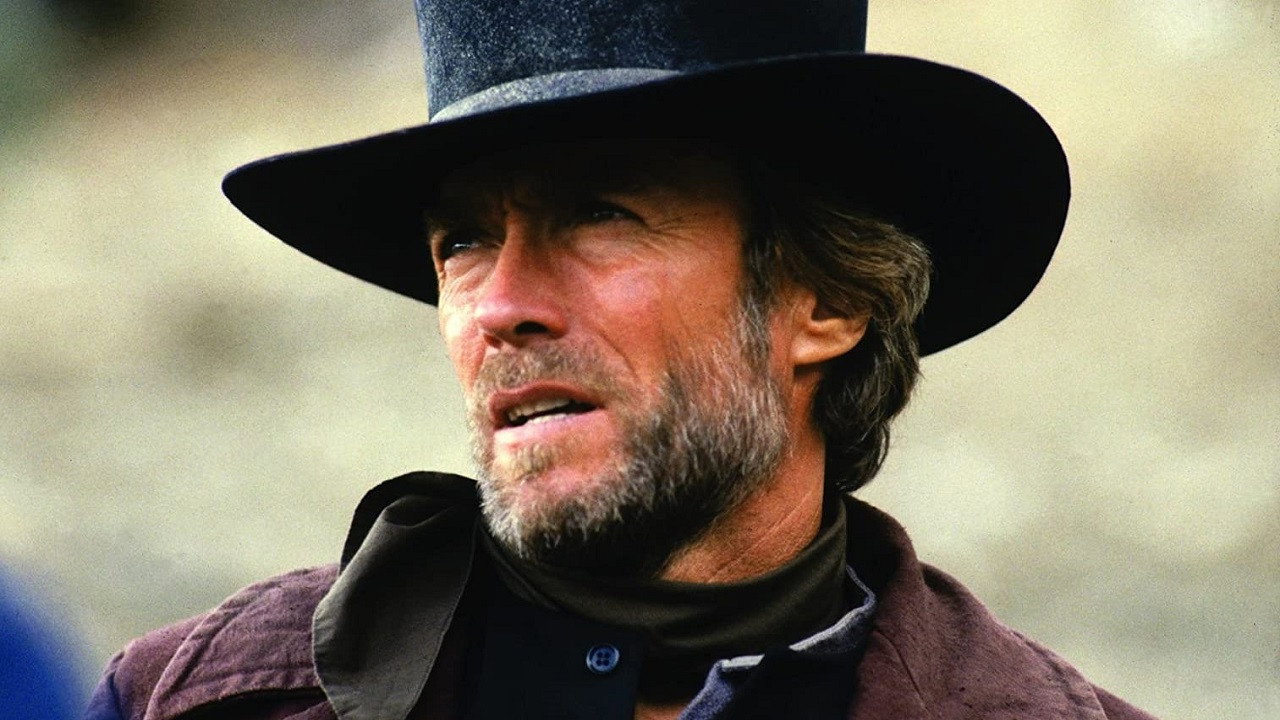
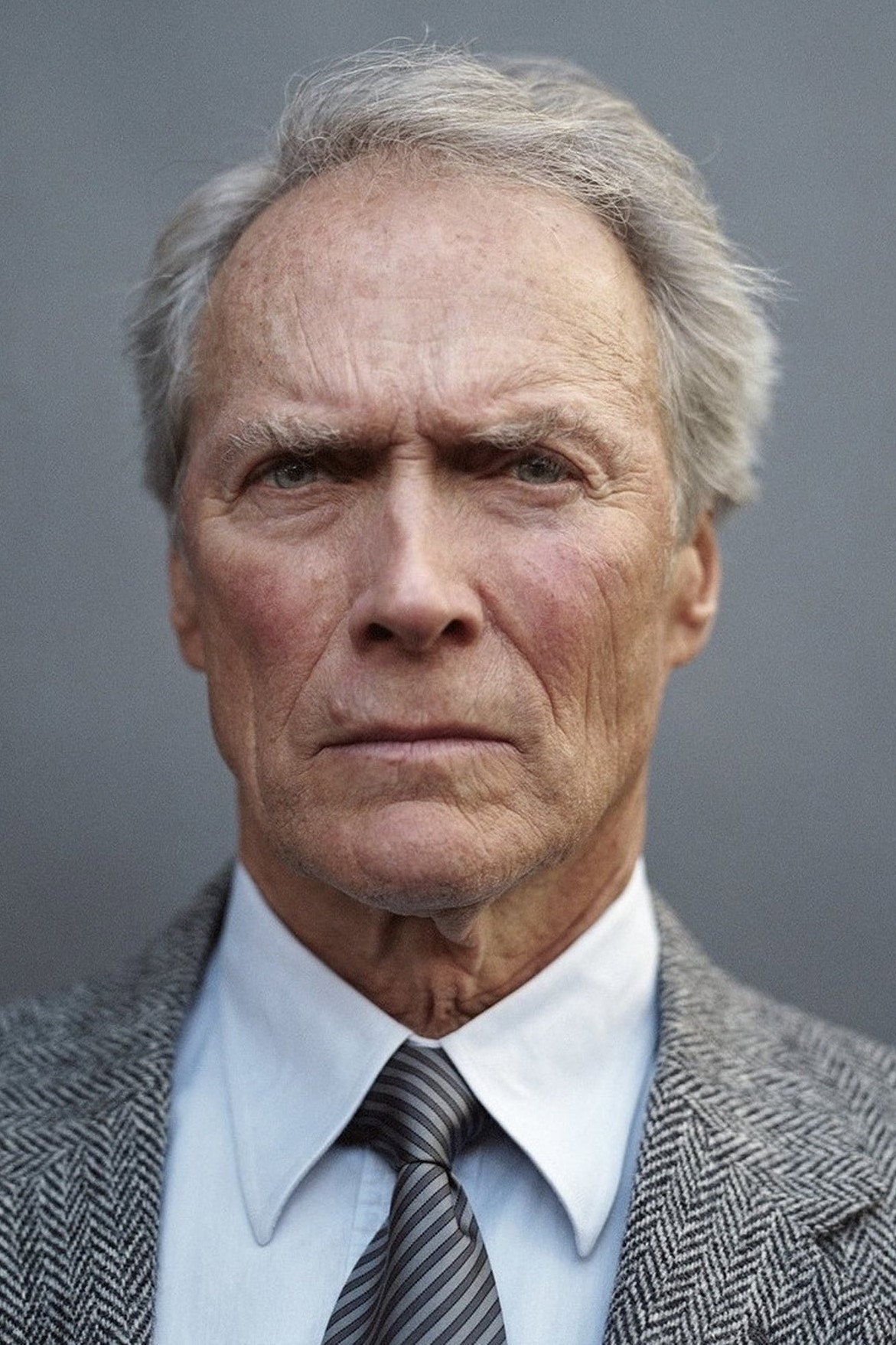
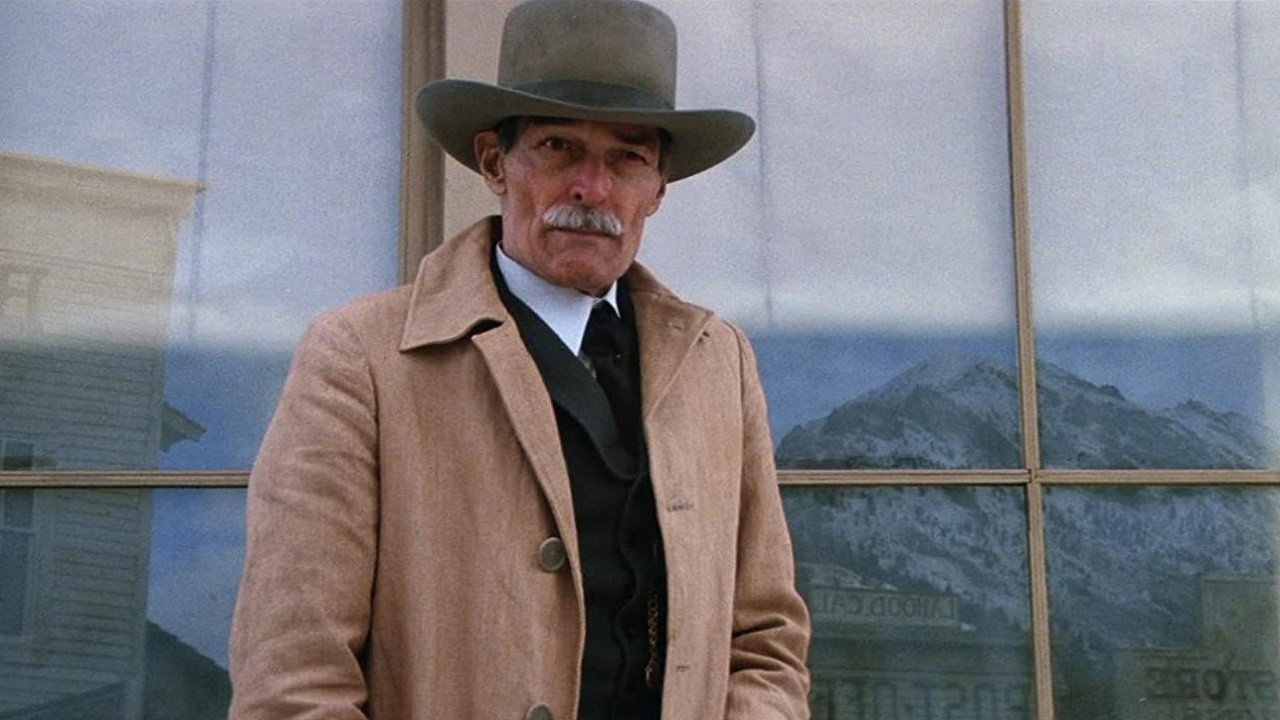
Eastwood plays Preacher with a stillness that makes everyone else’s urgency seem more exposed. We felt relief when he came to the townsfolk’s aid, because his calm suggested that their tormentors might at last meet someone they could not intimidate. That is an old pleasure of the genre, and the film does not spoil it by pretending to be embarrassed by it. It also leaves less room to fear for Preacher than the story needs.
Bruce Surtees gives the landscape enough space in the images to make the people look exposed. His photography makes the place seem remote and half remembered, which suits a stranger who never quite belongs to ordinary life. Edward C. Carfagno’s production design gives the townsfolk’s poverty a convincing physical setting. Their surroundings feel worth protecting, and the attention paid to the land makes the conflict matter beyond the usual question of which man will prevail.
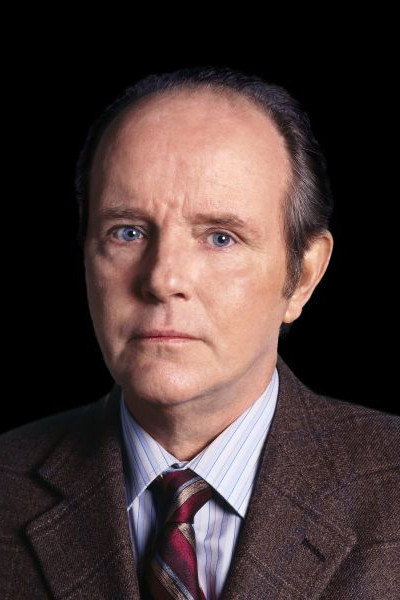
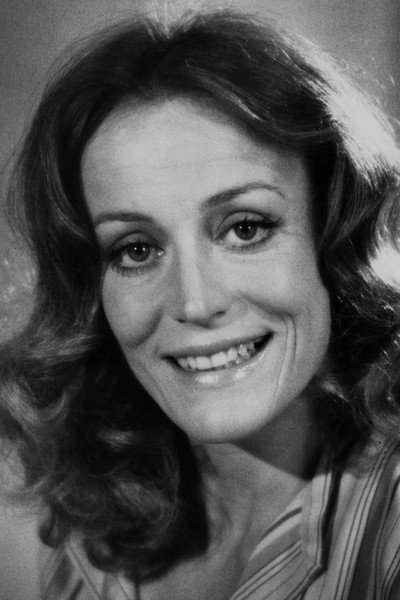
Michael Moriarty’s Hull Barret provides a welcome counterweight to Eastwood’s solemn certainty. Moriarty lets ordinary decency look effortful, keeping the film close to the people asking for help. Sydney Penny, as Megan Wheeler, brings feeling to scenes that might otherwise become absorbed in admiring the leading man. Carrie Snodgress’s Sarah Wheeler deserves more room, however; Michael Butler and Dennis Shryack’s screenplay gives its central stranger attention that could have made the surrounding people less familiar.
Joel Cox’s editing gives Eastwood time to establish a threat before a confrontation, and the patience is mostly welcome. The trouble comes when we have already taken everyone’s measure and are simply waiting for them to catch up. Lennie Niehaus’s music adds to the sense that this place exists at a distance from ordinary life. It suits Surtees’s photography, although the combined solemnity occasionally makes the dry humour feel like an interruption.
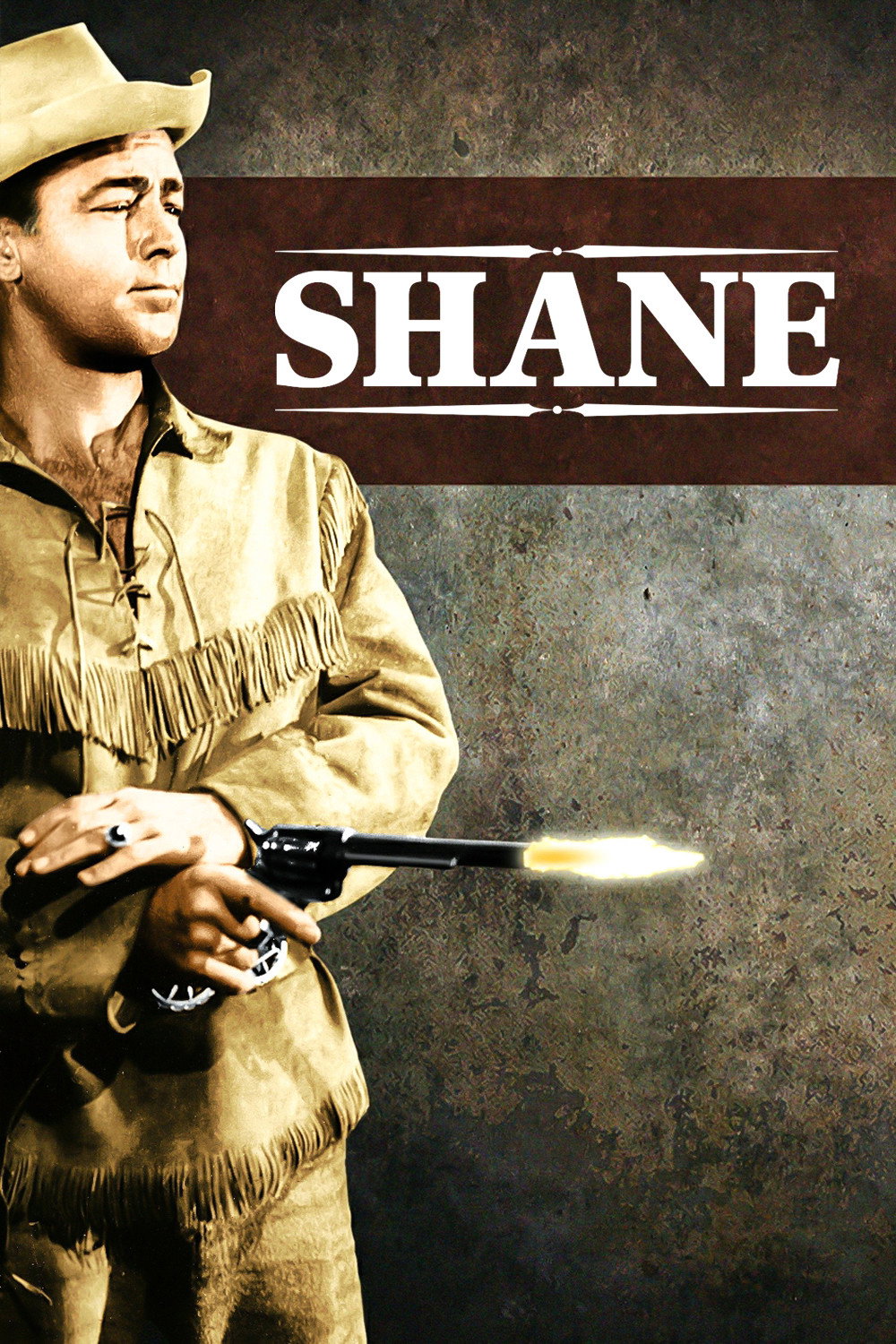
The resemblance to Shane matters less than what Eastwood does with it. The stranger who stands up for the weak is an old Western promise, and Eastwood still seems to believe it is worth keeping. Where Butler and Shryack overreach is in making that promise so insistently religious. The symbolism announces Preacher’s importance often enough that we start noticing how carefully his mystery has been prepared.
Yet Eastwood’s confidence remains a considerable pleasure, particularly when he lets the supporting actors draw our attention away from him. He treats the familiar story seriously without treating its audience as slow. At 115 minutes, there is time to settle into the landscapes and the measured pace. Come for a traditional Western; a taste for solemn mystery will help.