Film review

Pi

1998 · Directed by Darren Aronofsky · 1h 24m · MPA R

In a sentenceA mathematician could use some peace and quiet; the soundtrack has decided against it

MysteryDramaThriller

Maximillian Cohen (Sean Gullette) is a mathematician absorbed by the possibility that numbers can explain the world around him. His search for patterns takes in the stock market and Jewish mysticism, bringing financial speculation and religious belief into the same investigation. As he pursues a mathematical explanation for what others might call chance, his own state of mind becomes part of the mystery. Darren Aronofsky writes and directs this thriller about the pursuit of knowledge and the dangers of obsession. Mark Margolis plays Sol Robeson, alongside Ben Shenkman as Lenny Meyer and Pamela Hart as Marcy Dawson.

Plays from YouTube when you press play; nothing loads from them until then.

Fi1m review

Pi makes mathematical obsession tense, grubby and unexpectedly lonely. We recommend its grainy images and abrasive music to anyone with a taste for paranoid thrillers, though Aronofsky’s relentless pressure leaves his ideas underexamined.

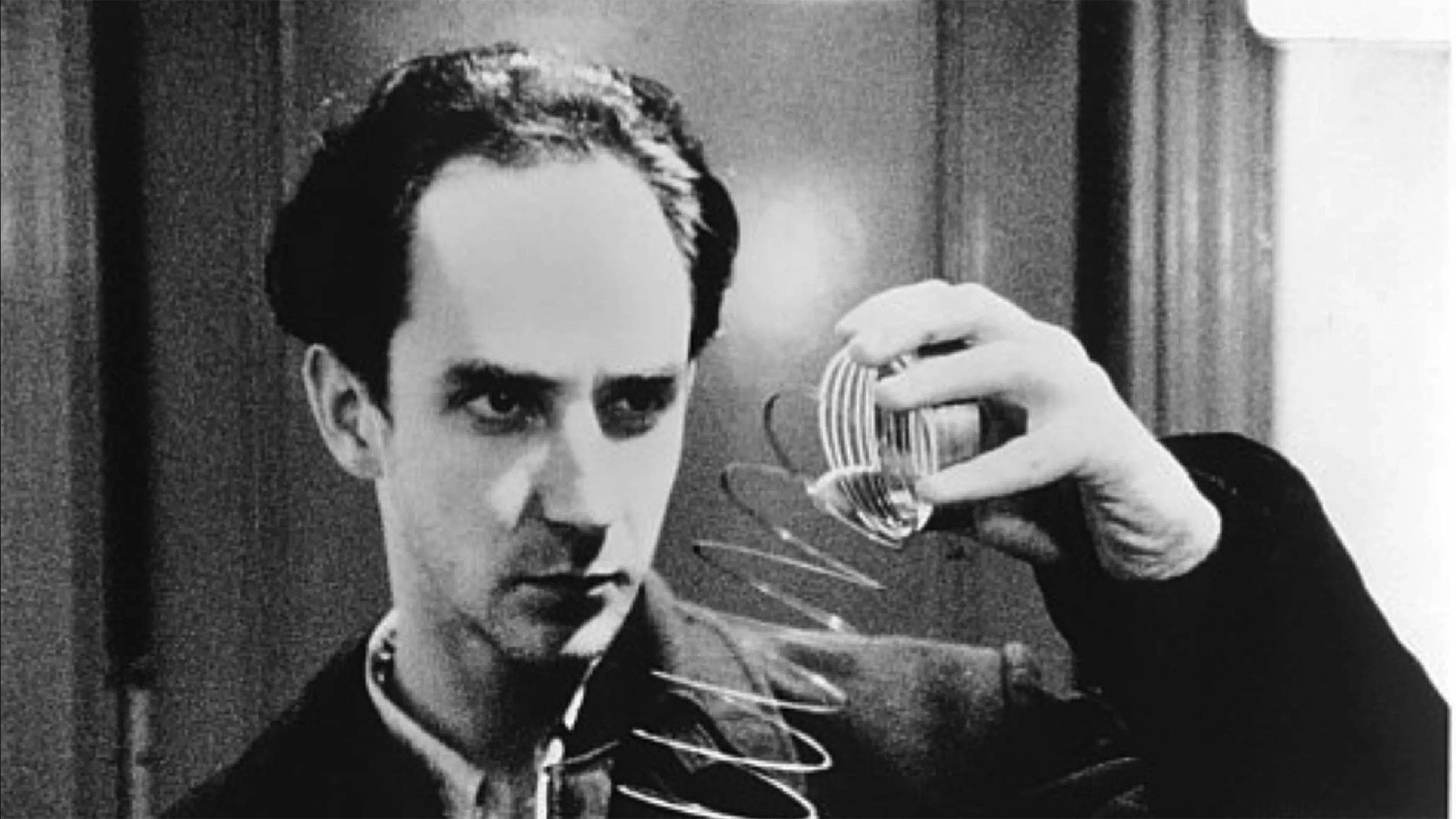
Darren Aronofsky’s Pi is a good paranoid thriller with a wearing habit of treating every thought as an emergency. Sean Gullette plays Maximillian Cohen, a mathematician searching for patterns that might explain far more than the stock market. Numbers, Jewish mysticism and the possibility of a universal explanation feed his obsession. Aronofsky keeps us close enough to share the strain, which is where the film succeeds. The emphasis stays on what the search is doing to him.

Gullette makes Cohen’s certainty uncomfortable to watch, while preserving something of the loneliness underneath it. We believe he would let ordinary company slip away for the chance to prove himself right. Even when his reasoning becomes difficult to follow, that need remains understandable. Gullette does not ask us to find him agreeable, and the performance is better for it. Aronofsky presses the signs of psychological distress so hard, however, that we soon have little room to wonder about him.

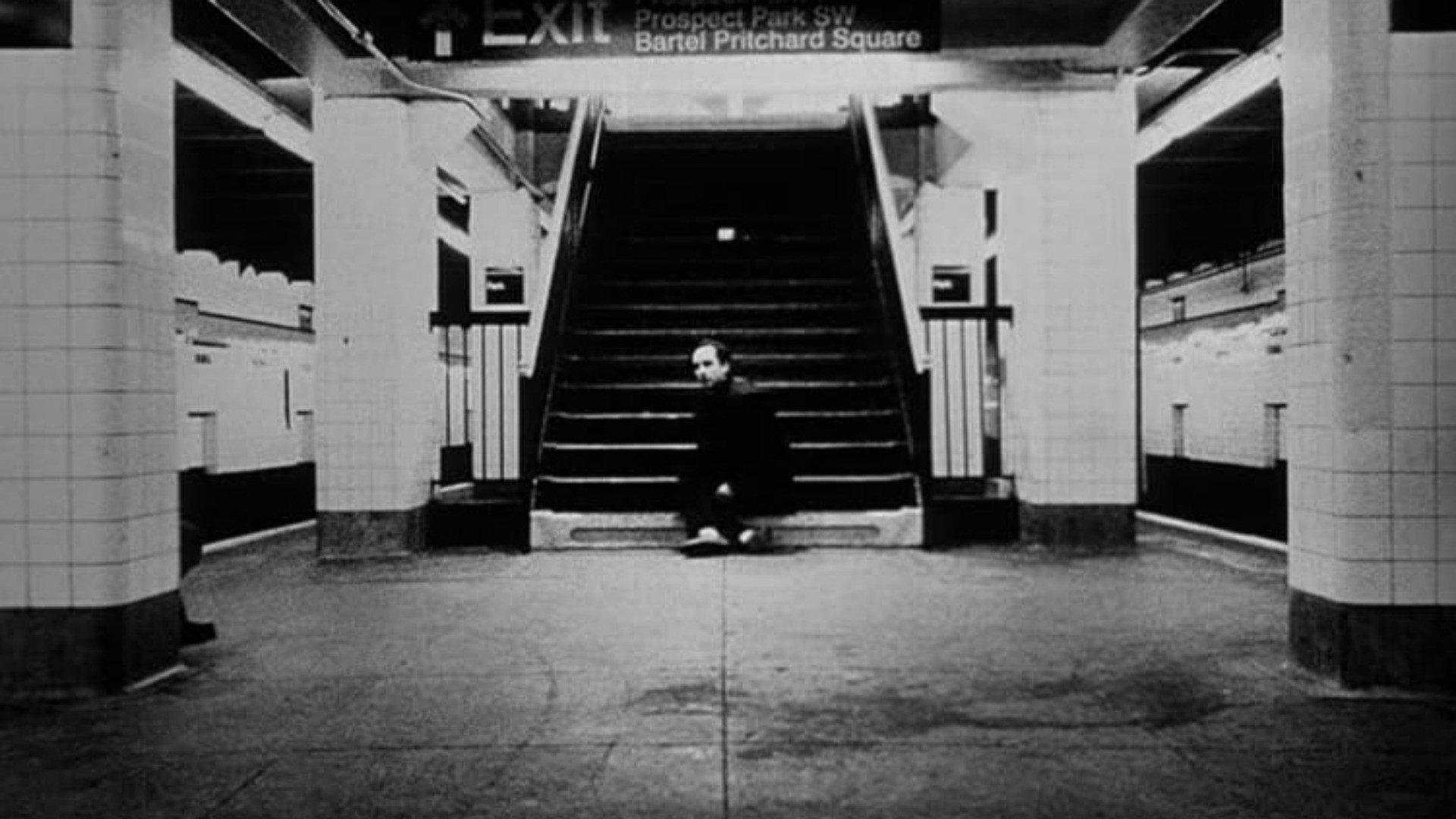
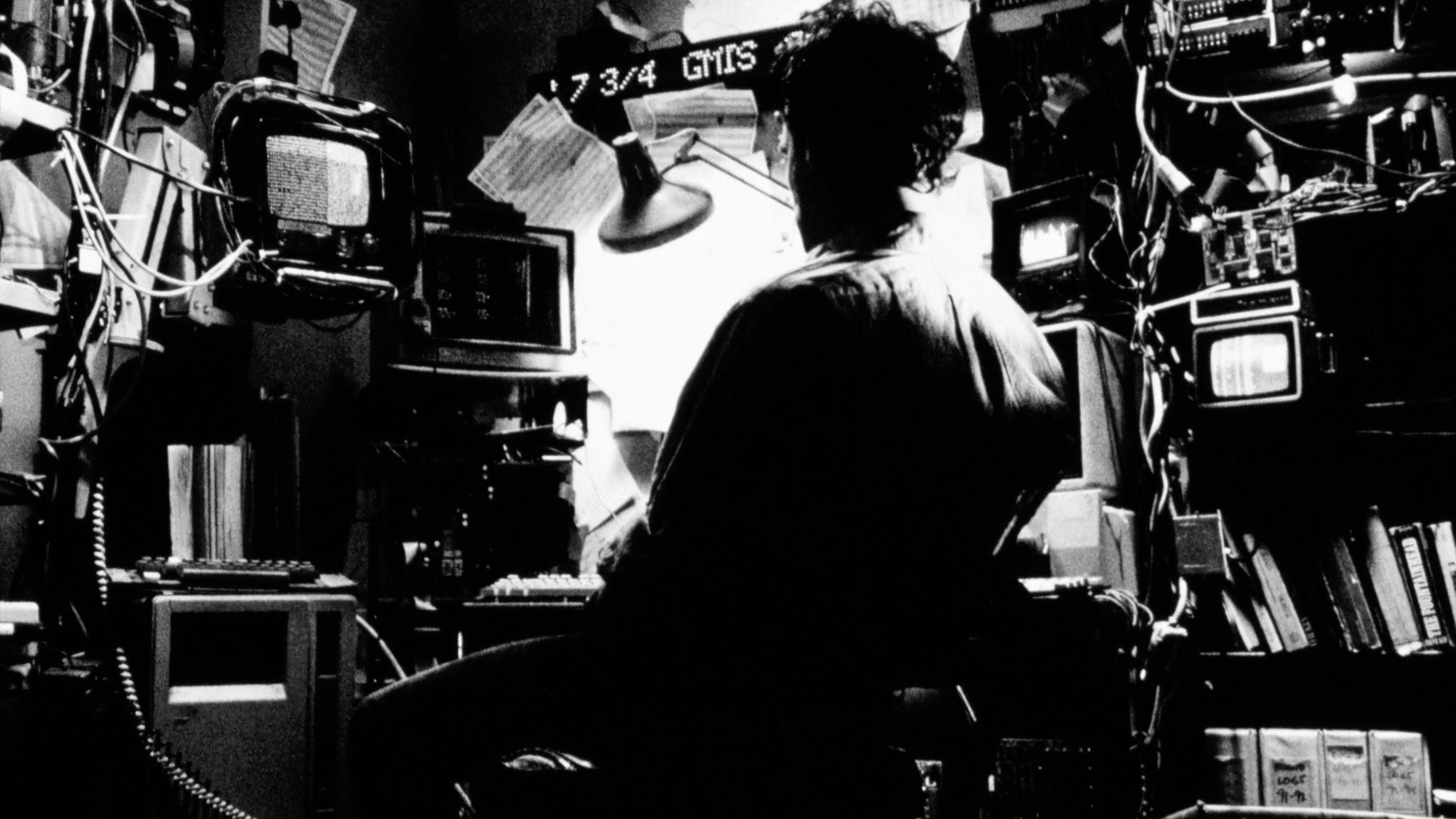
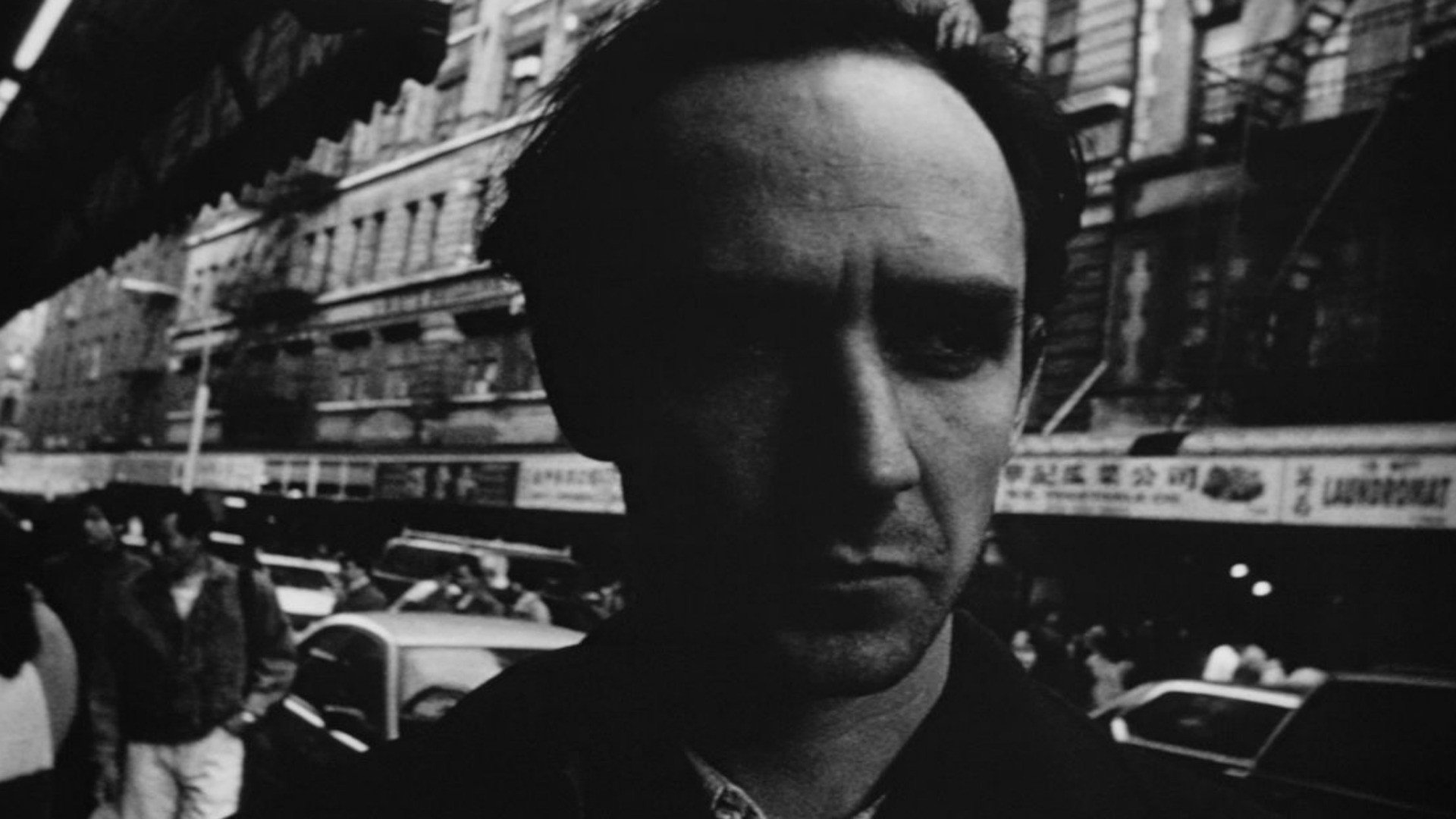
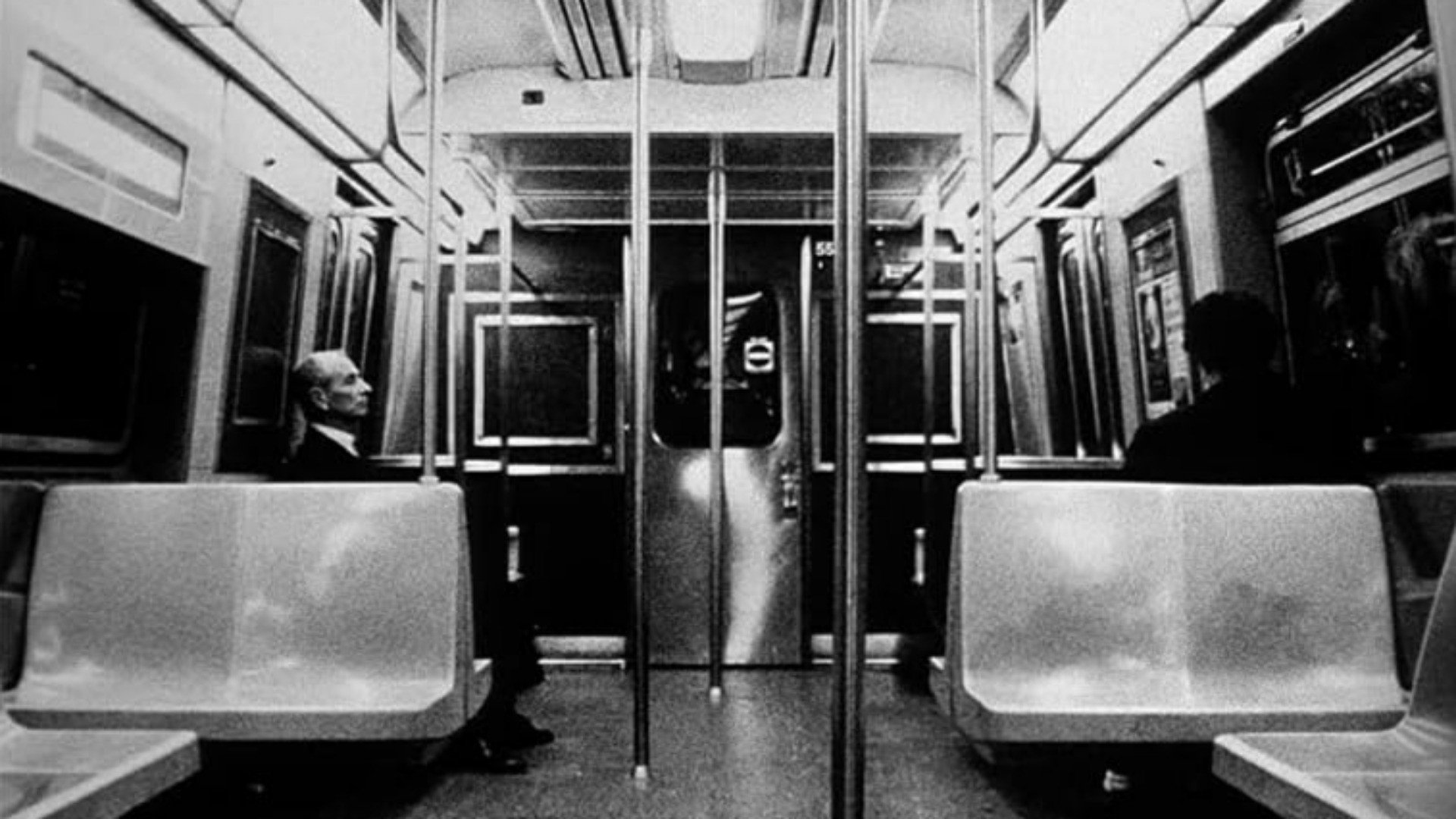
Matthew Libatique’s high-contrast black-and-white photography makes the strain visible: bright areas glare and dark ones swallow detail. The grain and shifting light make it difficult to look comfortably at an image, however carefully it has been composed. Matthew Maraffi’s production design helps make the urban surroundings feel cramped and unwelcoming, so the sense of confinement continues beyond Gullette’s performance. This is effective work, giving a largely cerebral pursuit somewhere unpleasant to happen. The images keep bringing us back to the discomfort of occupying Cohen’s point of view.

We felt hemmed in by the grainy images and the pounding music. Clint Mansell’s score makes concentration feel physically exhausting, and its aggression is well suited to a man who cannot leave a thought alone. Oren Sarch’s editing keeps the pressure up, allowing the agitation to carry across the film without much breathing space. The combination works, though we began to want more variation in the pace. Sustaining alarm for this long can make distinct moments of distress start to feel much the same.

The larger weakness lies in Aronofsky’s screenplay, which brings mathematics, stock-market speculation and Jewish mysticism together without making those connections equally persuasive. The prospect of finding a pattern beneath everything is enough to get a thriller moving. Once that prospect has been established, the writing too often returns to evidence that Cohen is unwell. We understand his compulsion, but we would like more opportunity to consider what fascinates him. The film’s confidence can become trying when it expects the intensity of a belief to make that belief interesting.

As a paranoid thriller, Pi earns our recommendation by making a single person’s fixation so uncomfortable to share. The 84-minute running time helps, keeping a narrow, punishing experience from stretching beyond what it can sustain. There is enough vulnerability in Gullette’s performance to make the human damage matter, even when the theories cease to persuade. Save it for an evening when quiet is not a requirement.

Critical consensus AI synthesised

75
Positive
6
Mixed
1
Negative
0

Most critics respond warmly to Pi’s intensity and invention, with praise clustering around its grainy, high-contrast black-and-white images and forceful soundtrack. The reviews repeatedly describe a film that draws viewers into its mathematician’s obsessive, paranoid thinking through sound and image. Aronofsky’s direction earns credit for ingenuity, while several critics find suspense and human vulnerability beneath the numbers, mysticism and conspiracy. The enthusiasm rests chiefly on how vividly the film conveys a mind under pressure.

Reservations concern the storytelling: some reviews find the narrative thin or the ending disappointing. Sight and Sound offers the clearest dissent, arguing that the film’s self-conscious cleverness and insistence on its protagonist’s madness leave little space for drama. It also disputes the handling of mathematics, whereas RogerEbert.com praises its plausibility. The spread is mostly favourable, then, but the disagreement extends beyond taste in abrasive filmmaking to whether the ideas hold together.

The New York Times
17 July 1998 · Janet Maslin
85*

Aronofsky's startling debut is a hauntingly bizarre black-and-white fantasia about a tormented mathematician amid a swirl of numbers, Jewish mysticism, and numerological stock market theory. Maslin highlights its daring ingenuity on a tiny budget and its obsessive intensity as a victory of independent imagination.

Read the full review →
Time Out
25 October 2012 · TJ
85*

Aronofsky's startlingly original debut constructs a paranoid vision from black-and-white cinematography, a pounding score and hallucinatory weirdness, sharing the protagonist's feelings of psychological disintegration. Maths meets millennial doom in one of the decade's true originals.

Read the full review →
RogerEbert.com
24 July 1998 · Roger Ebert
80*

The film is a study in mental obsession and the risks a man takes in pursuing a dangerous mathematical quest that may unlock the secrets of the universe. Ebert praises its plausibility in terms of modern physics and math alongside its thriller elements centered on genius and madness.

Read the full review →
Los Angeles Times
24 July 1998 · Kevin Thomas
75*

The film is a brilliant intellectual adventure and dazzling bravura work of bold independent filmmaking with stunning high-contrast black-and-white visuals and energy. Thomas notes it builds suspense with dark humor but finds the ending a letdown that settles for a sentimental notion about life beyond mathematics.

Read the full review →
The Guardian
5 January 1999 · festival review
70*

The piece portrays Pi as an intense black-and-white burst of sound and image about a dysfunctional mathematical genius descending into mysticism and dementia. It is a good thing for American independent cinema even if it will not make mathematics sexy.

Read the full review →
Sight and Sound
· Mark Sinker
45*

The film is a computer-age update of Der Golem by way of Borges, rendered as a Hegelian occult thriller that never fully sheds its sense of its own cleverness. While it looks great in high-contrast black-and-white, the overdetermined portrayal of the protagonist as madman wrecks much chance of drama and the maths is poorly understood.

Read the full review →

Cast

Stills

Awards

Independent Spirit Awards, 1999

Won
Best First Screenplay

Open Palm Award, 1998

Won
Open Palm Award

Sundance U.S. Directing Award: Dramatic, 1998

Won
Sundance U.S. Directing Award: Dramatic

If you liked this, try…

The Conversation poster

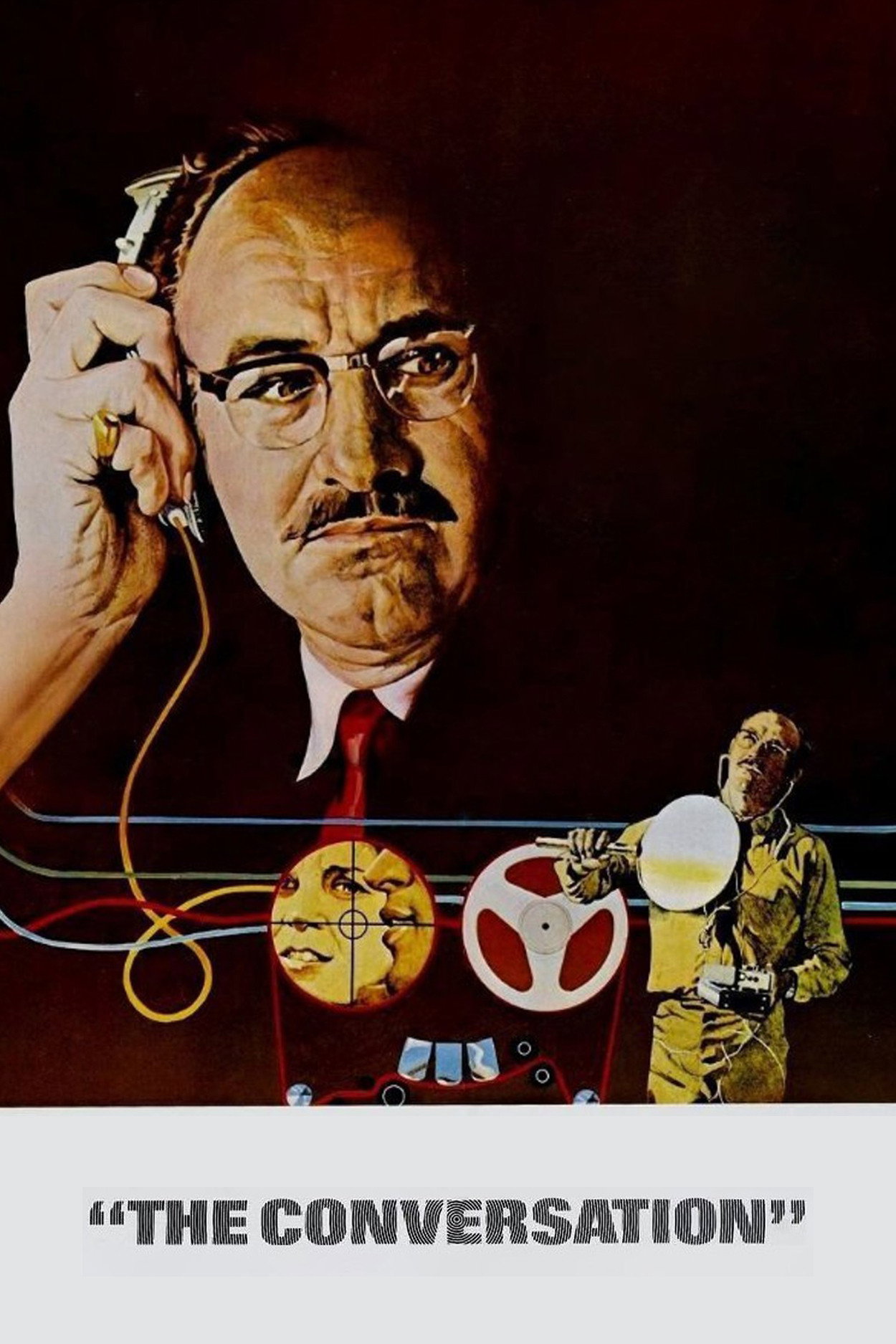
The Conversation

1974 · Another solitary specialist discovers how badly the need to understand can go.

Tetsuo: The Iron Man poster

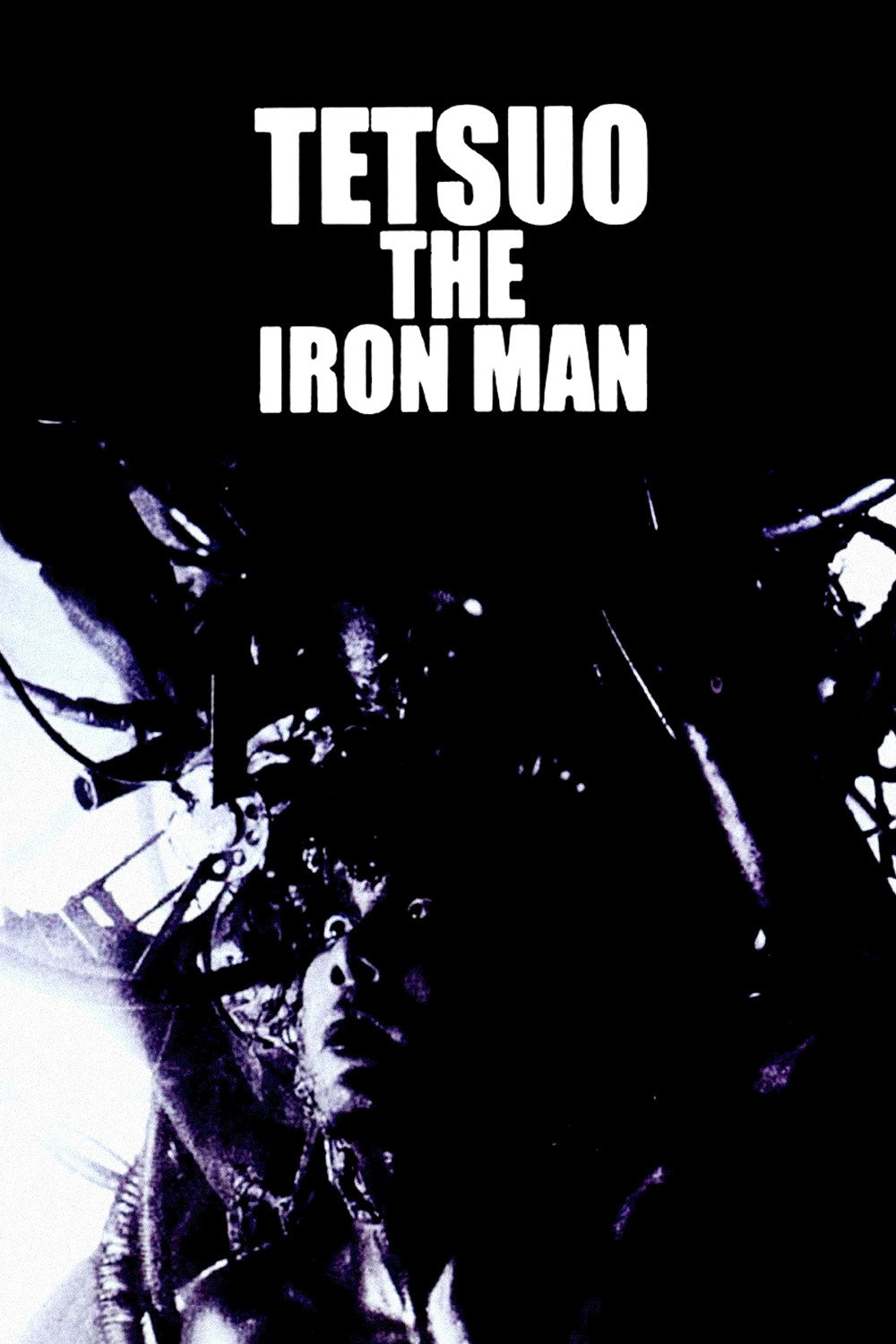
Tetsuo: The Iron Man

1989 · Grainy monochrome and abrasive sound, with the bodily panic turned higher.

Cure poster

Cure

1997 · A patient investigation becomes frightening as certainty drains from every explanation.

Seconds poster

Seconds

1966 · Distorted faces and hostile surroundings turn personal dissatisfaction into sustained paranoia.

The Double Life of Véronique poster

The Double Life of Véronique

1991 · Another search for connections, with more room for tenderness and uncertainty.