Matteo Garrone gives Pinocchio a vulnerable wooden face and a father worth worrying about. The creatures and performances make this an affecting fairy tale, though its episodic storytelling needs more discipline.
Matteo Garrone’s Pinocchio is tender, unsettling and worth the patience its uneven storytelling requires. Adapting Carlo Collodi’s novel, he makes the poverty surrounding the wooden boy impossible to ignore. There is pleasure in the creatures, but little suggestion that childhood protects anyone from adult selfishness. This is a family fantasy with enough affection to make its harshness bearable, though some of the lessons are delivered too heavily.
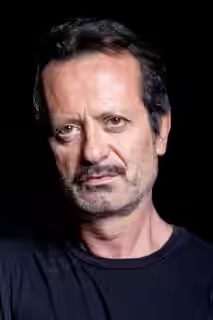
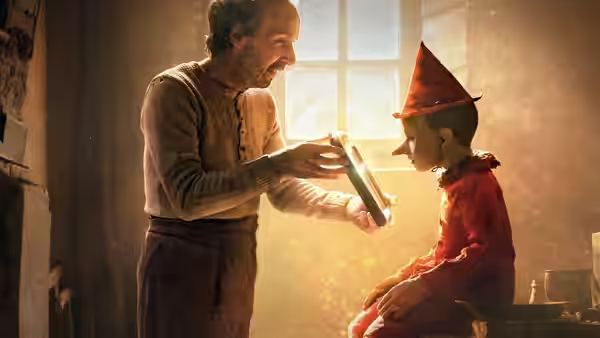
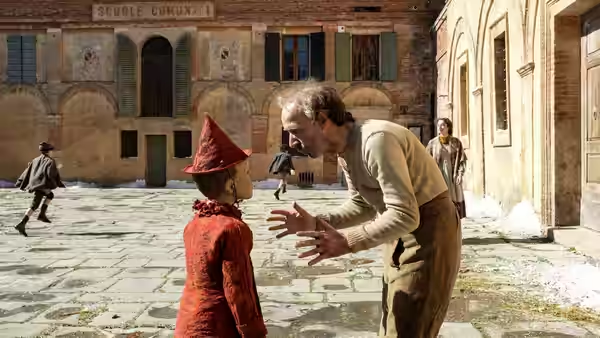
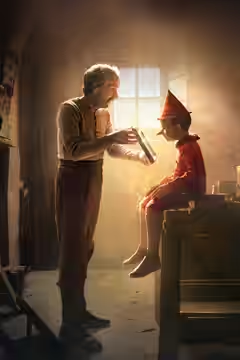
Roberto Benigni gives the film its most dependable source of warmth. As Mister Geppetto, he makes fatherhood seem like work undertaken gladly by someone who has little to spare, and keeps the tenderness free of fuss. The performance gives the dangers facing the boy a consequence beyond the next fright: someone loves him and has good reason to worry. The film is less affecting when its successive encounters push that concern into the background for too long.
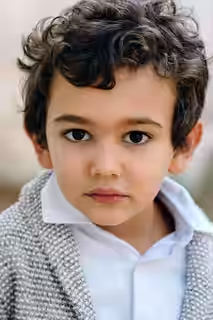
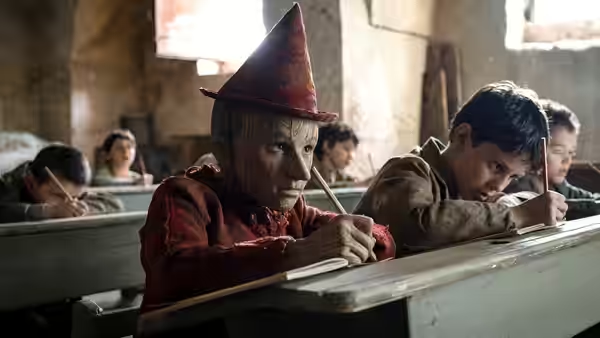
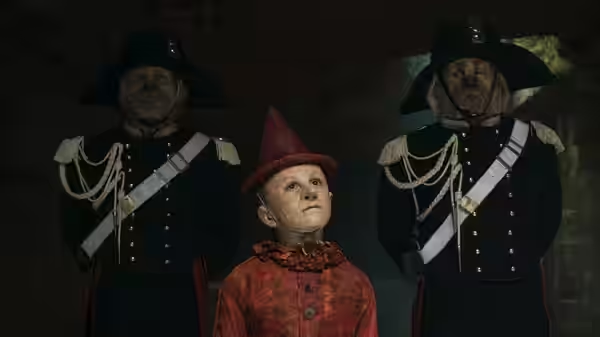
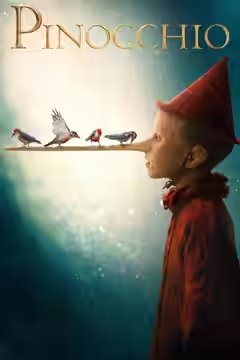
Federico Ielapi’s Pinocchio deserves that concern without being made conveniently sweet. The convincing wooden prosthetics leave him looking both childlike and difficult to read, which lets his human responses catch us slightly unprepared. We found his face unexpectedly moving; there is a child trying to make himself understood beneath a surface that ought to prevent it. His performance keeps the make-up from becoming the only thing to watch. The boy is allowed to be awkward, and that matters in a film so ready to correct him.
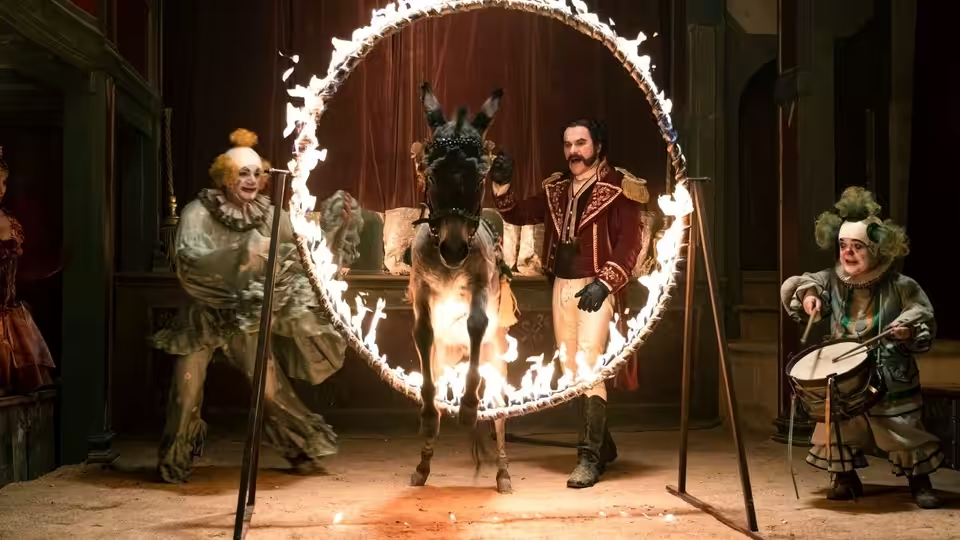
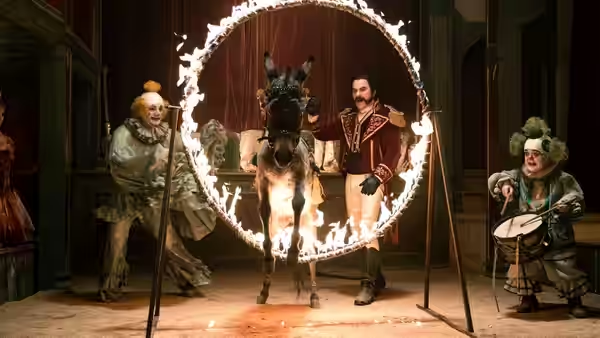
Cinematographer Nicolaj Brüel lets the fantasy colours brighten the images without making the poverty look comfortable. Dimitri Capuani’s production design keeps the period surroundings convincingly poor, and the creatures seem at home there. The practical effects invite close inspection, and the wooden face holds up particularly well to it. We sometimes wanted the film to linger over these odd inhabitants, even when we wanted the story itself to get on.
The difficulty is how often the film seems to begin another little story before the previous one has acquired much weight. The screenplay by Matteo Garrone and Massimo Ceccherini keeps finding fresh company for Pinocchio, but the succession can flatten danger into something we expect at regular intervals. Marco Spoletini’s editing does not always smooth those changes of scene, and at 124 minutes the gaps in momentum are noticeable. A few encounters start to feel like further instructions to a child who has already been told off.
Dario Marianelli’s score is most helpful when it supports the affection around the boy. Its gentleness offers some relief from the cruelty, although it sometimes encourages us to feel something the performances have already made clear. Some of the moral lessons are also too severe beside the patience of Mister Geppetto. Pinocchio already looks exposed enough without the film insisting quite so often that he needs correcting.
The creatures can be unpleasant company, and we welcome a family fairy tale that lets them stay that way. It trusts children to be curious about something they might also find frightening, and the performances give them reasons to keep looking. We would choose it for viewers who enjoy exploring a strange world and can forgive a wandering pace. The PG certificate still leaves plenty of room for a bad dream.