Oliver Stone’s Platoon makes combat frighteningly immediate, with performances that give the soldiers lives beyond their uniforms. We recommend it, despite a moral struggle between the sergeants that Stone makes too tidy.
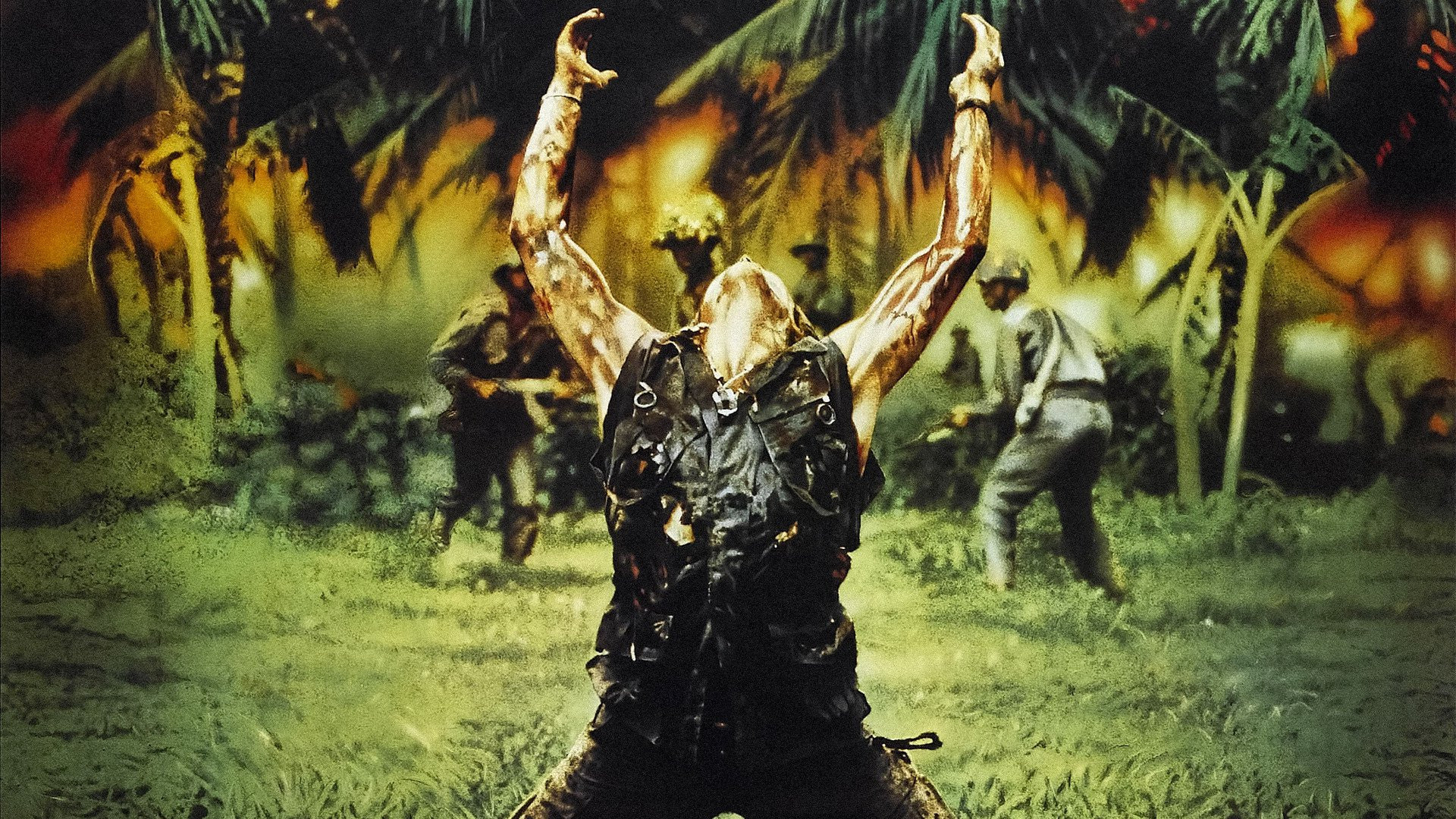
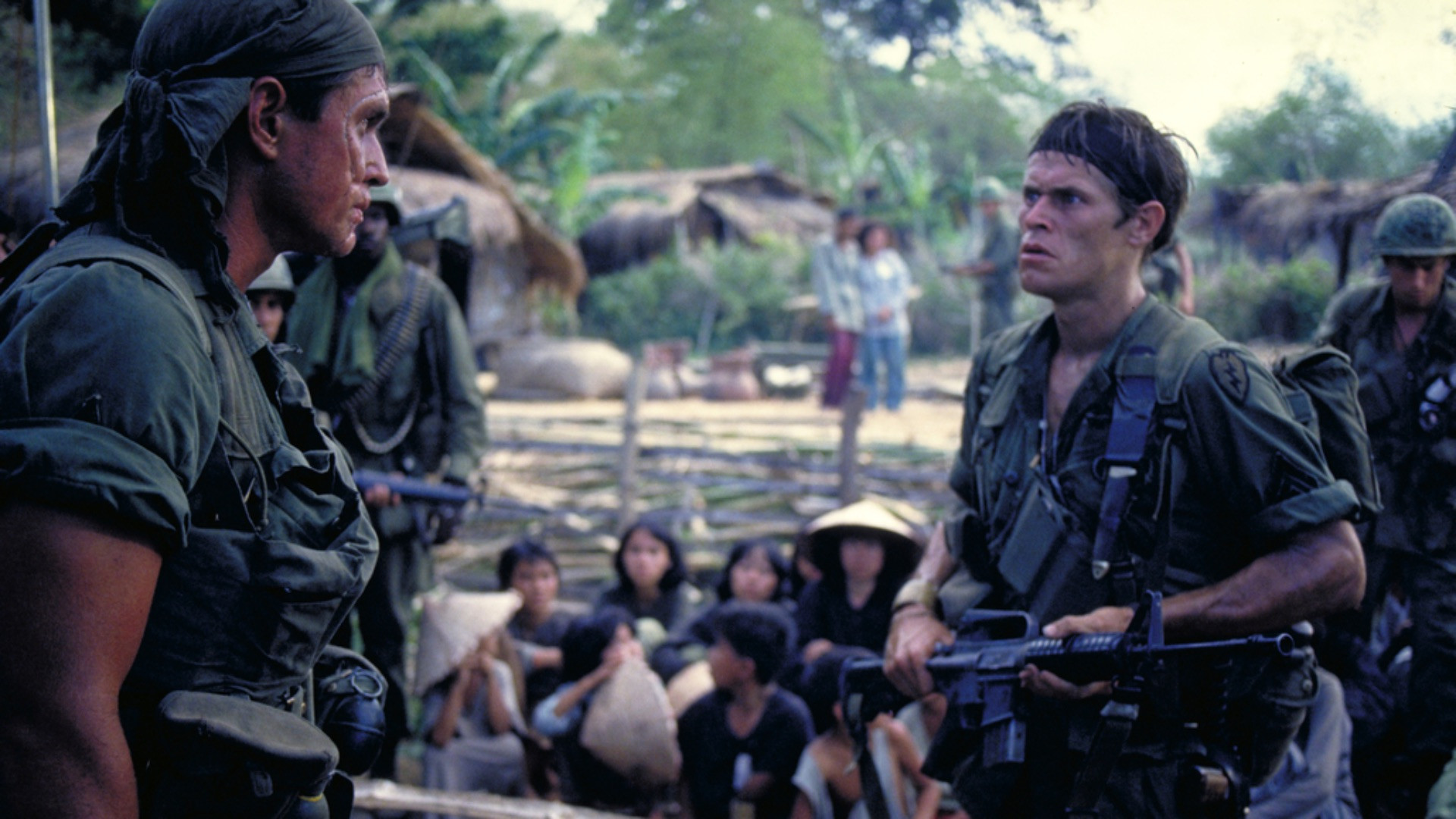
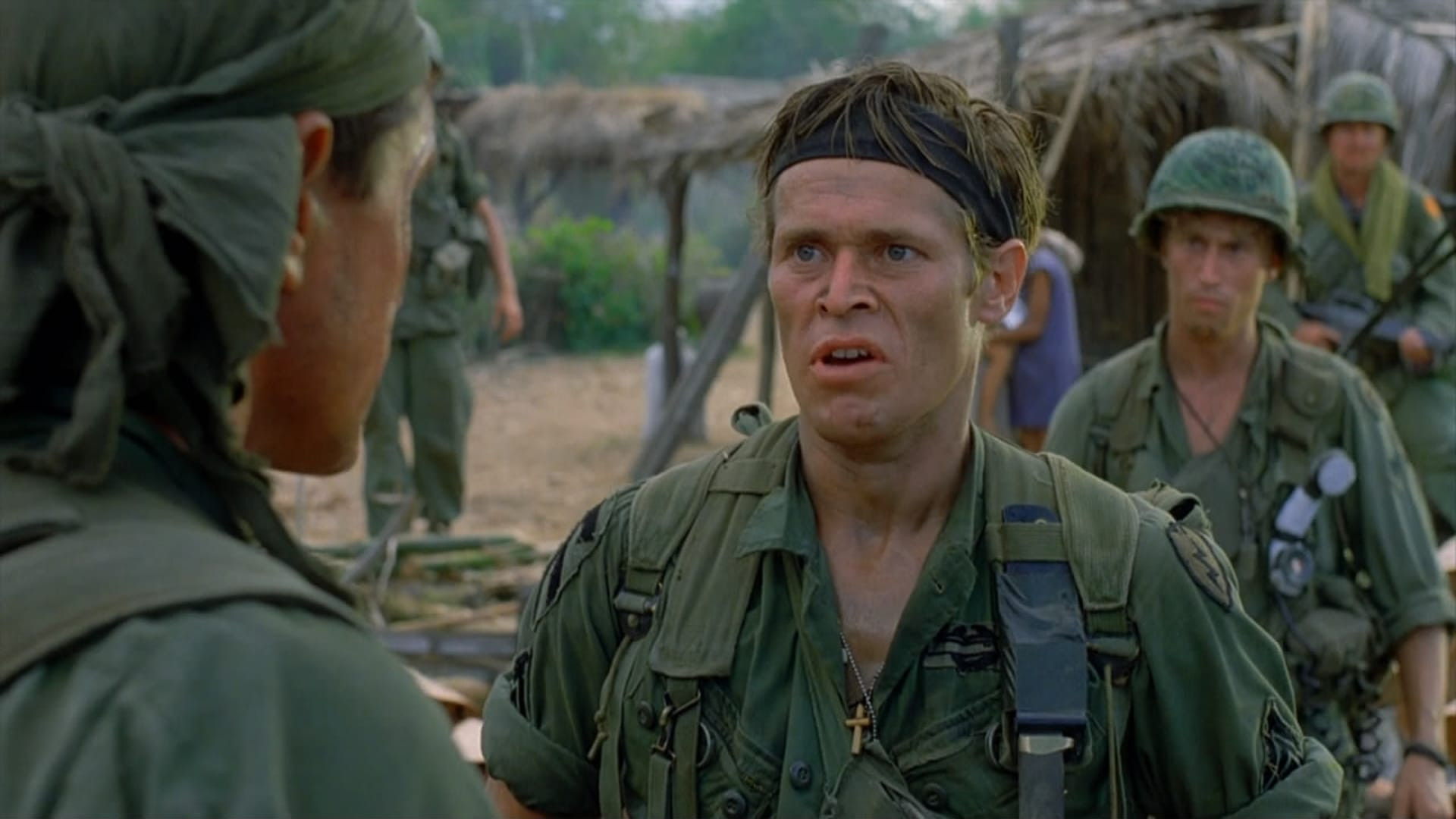
Oliver Stone’s Platoon is a forceful, frightening war film that we recommend despite its rather tidy division of good and bad influence. Charlie Sheen plays Chris Taylor, a young infantryman in Vietnam whose education comes partly from the conflict between two sergeants. Stone keeps the immediate demands of soldiering in view, along with the heat, muck and fear. Before Taylor can decide what sort of man to become, he has to cope with being there.
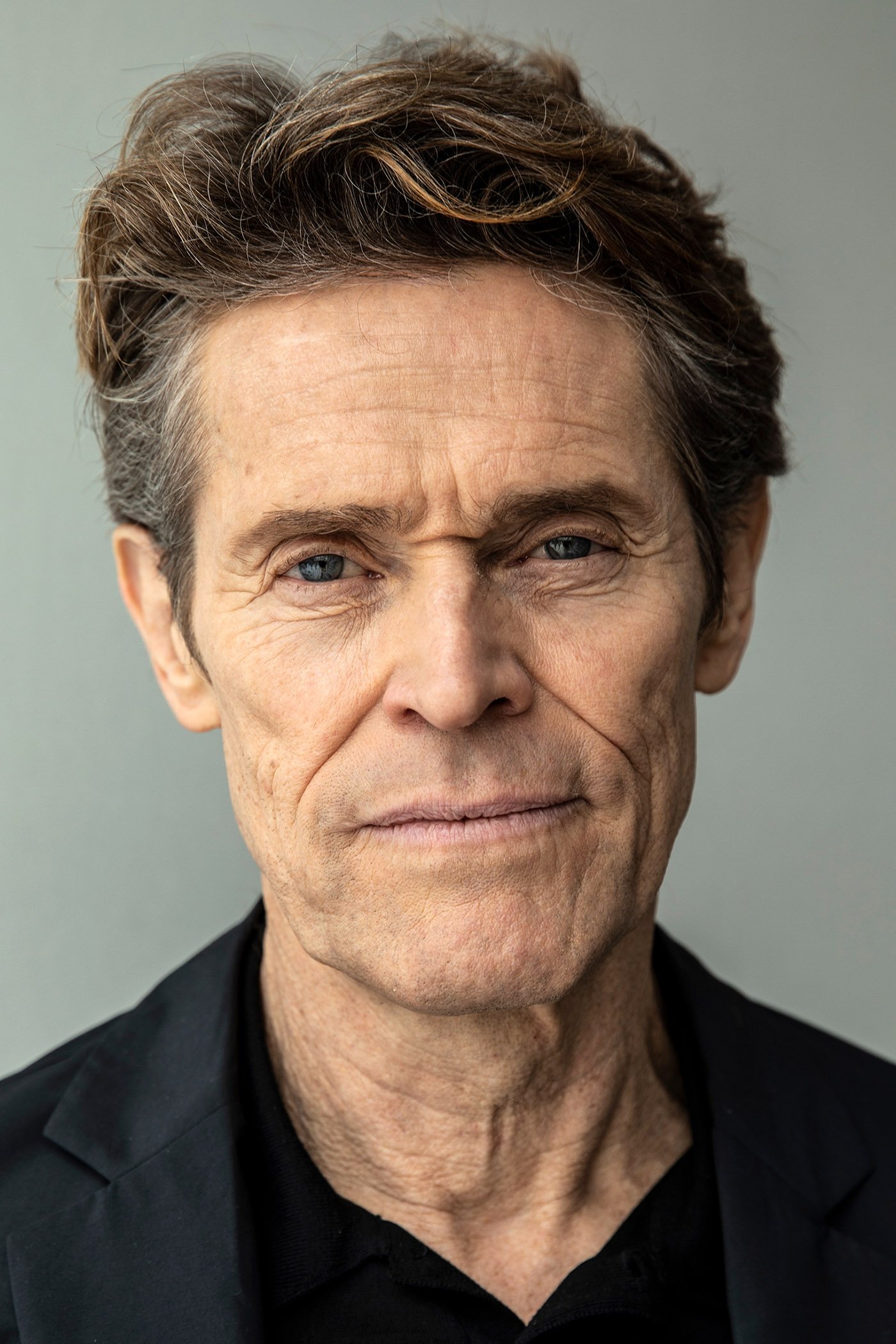
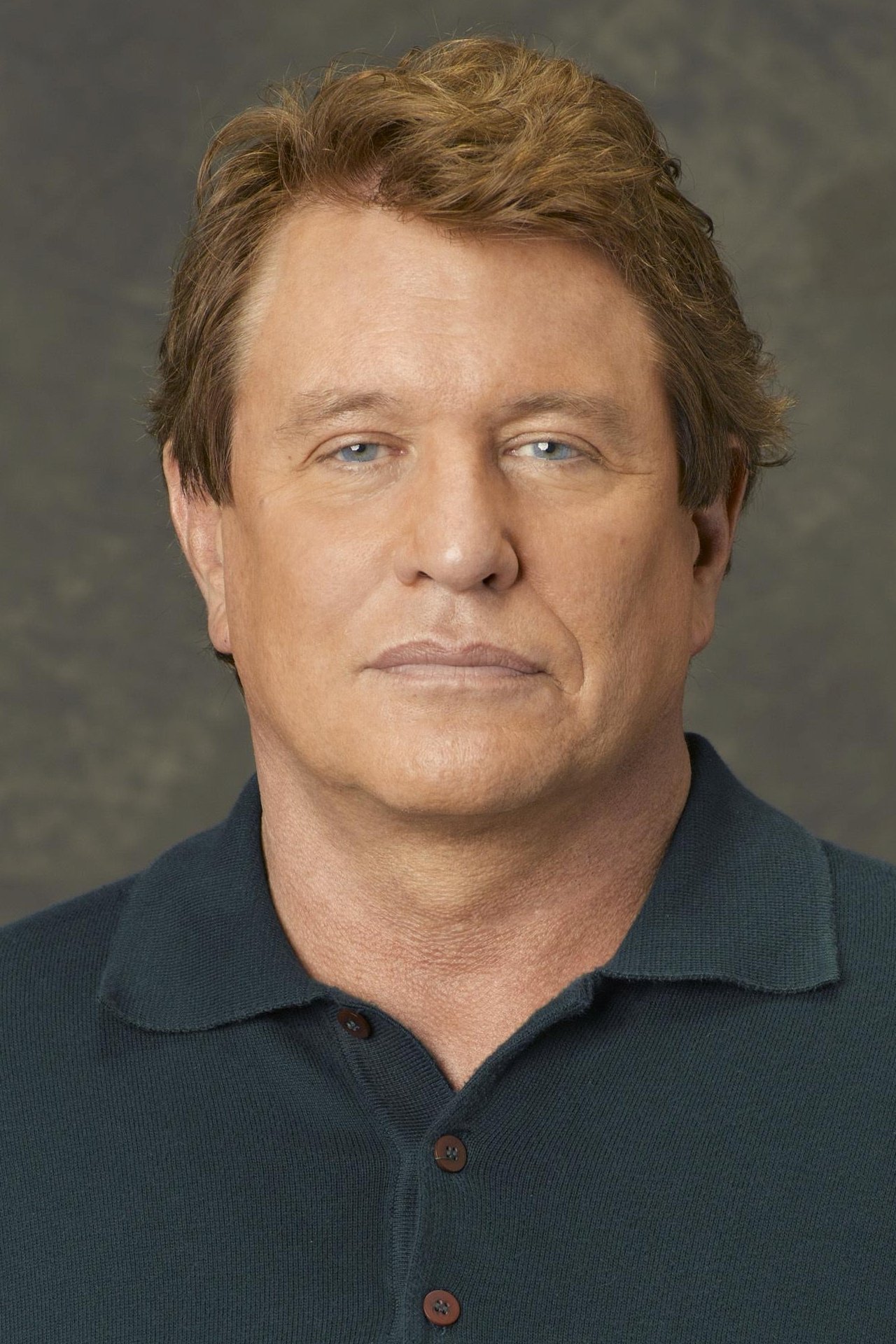
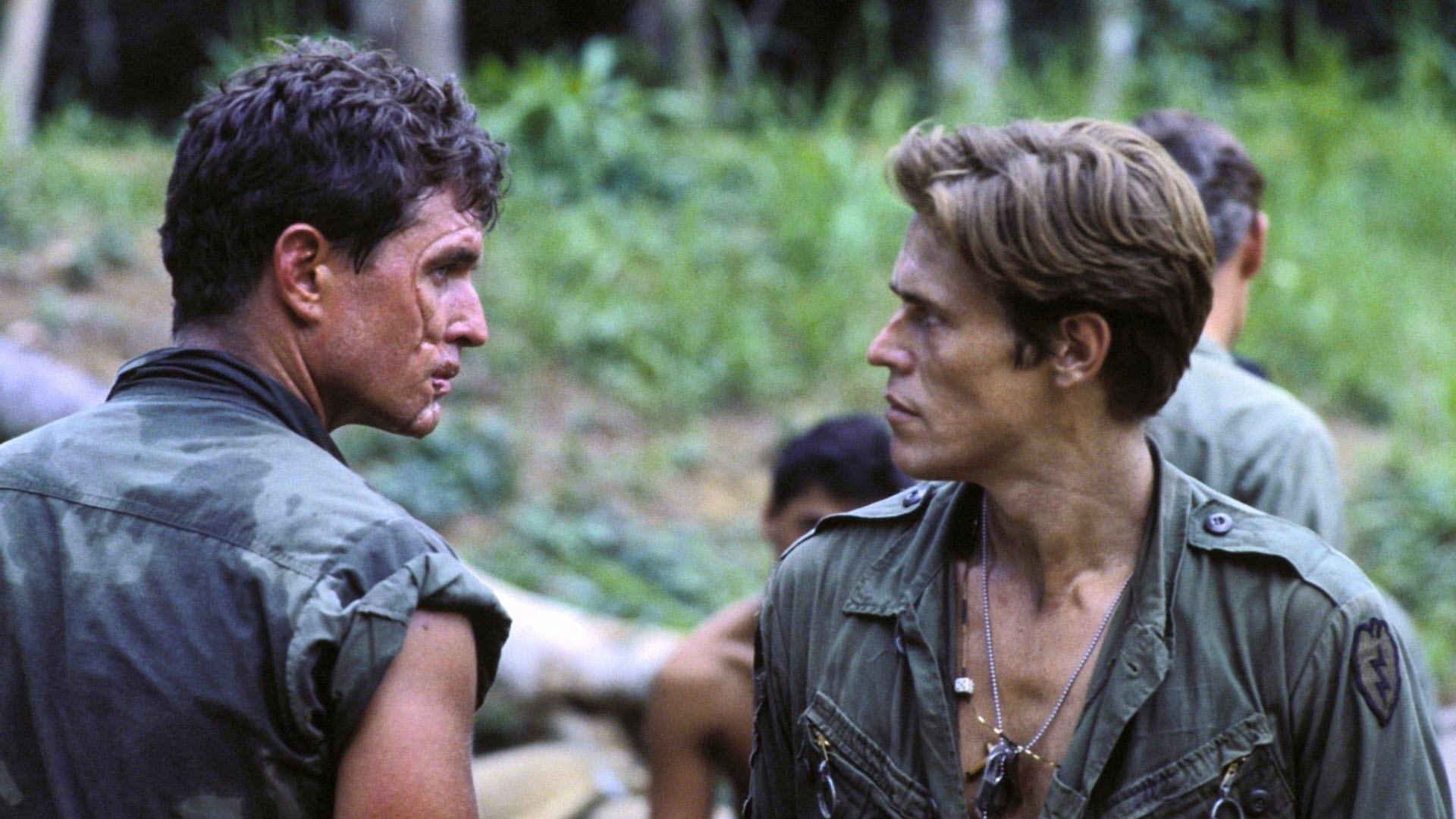
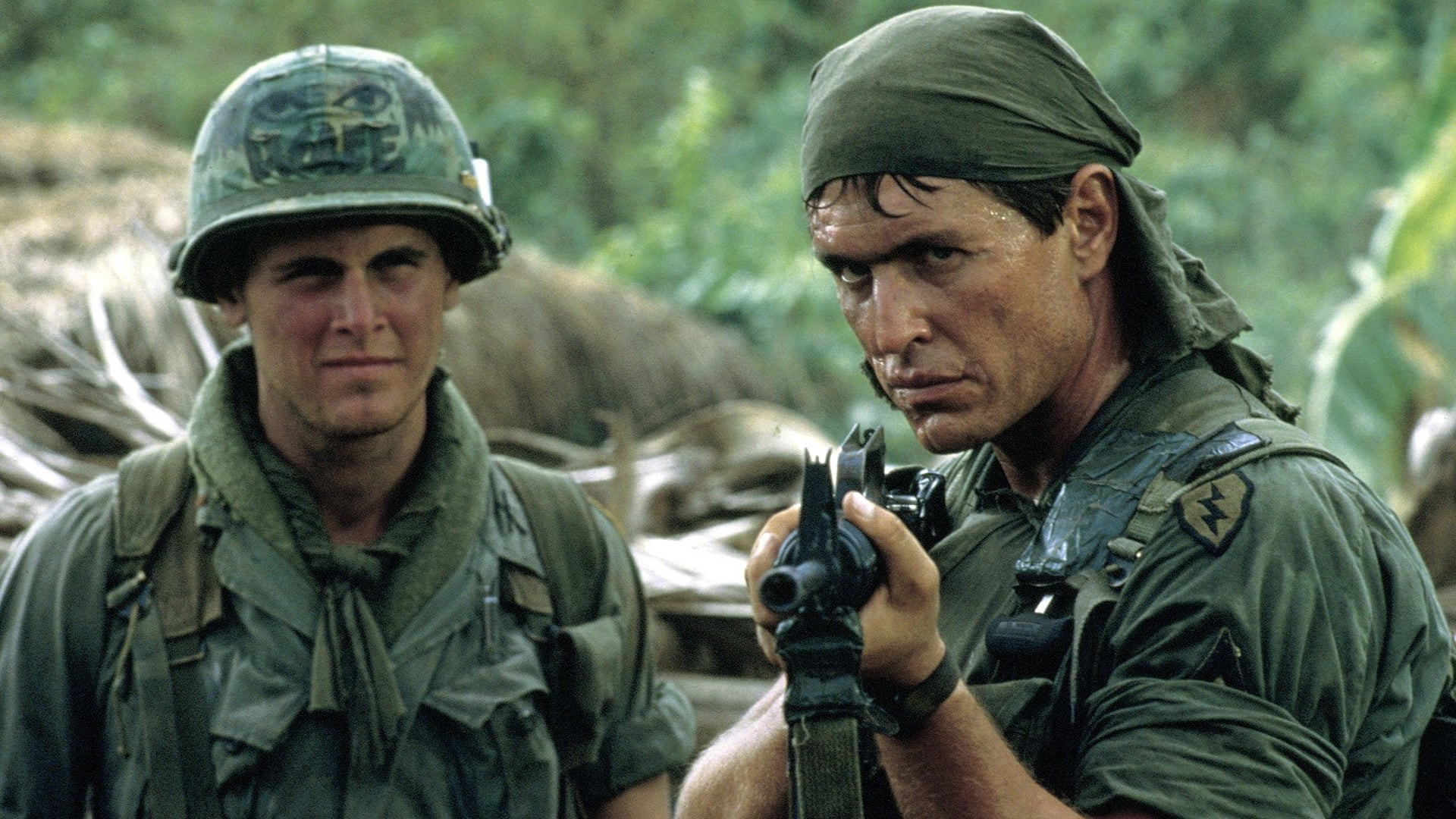
Sheen’s uncertainty gives the film a useful centre. He lets the other men make the stronger impression, which is right for a story about a recruit trying to understand the people who have authority over him. Willem Dafoe’s Elias and Tom Berenger’s Barnes are persuasive enough to make their competing influence credible. Berenger is especially effective at making authority frightening without making it difficult to understand why a soldier might submit to it.
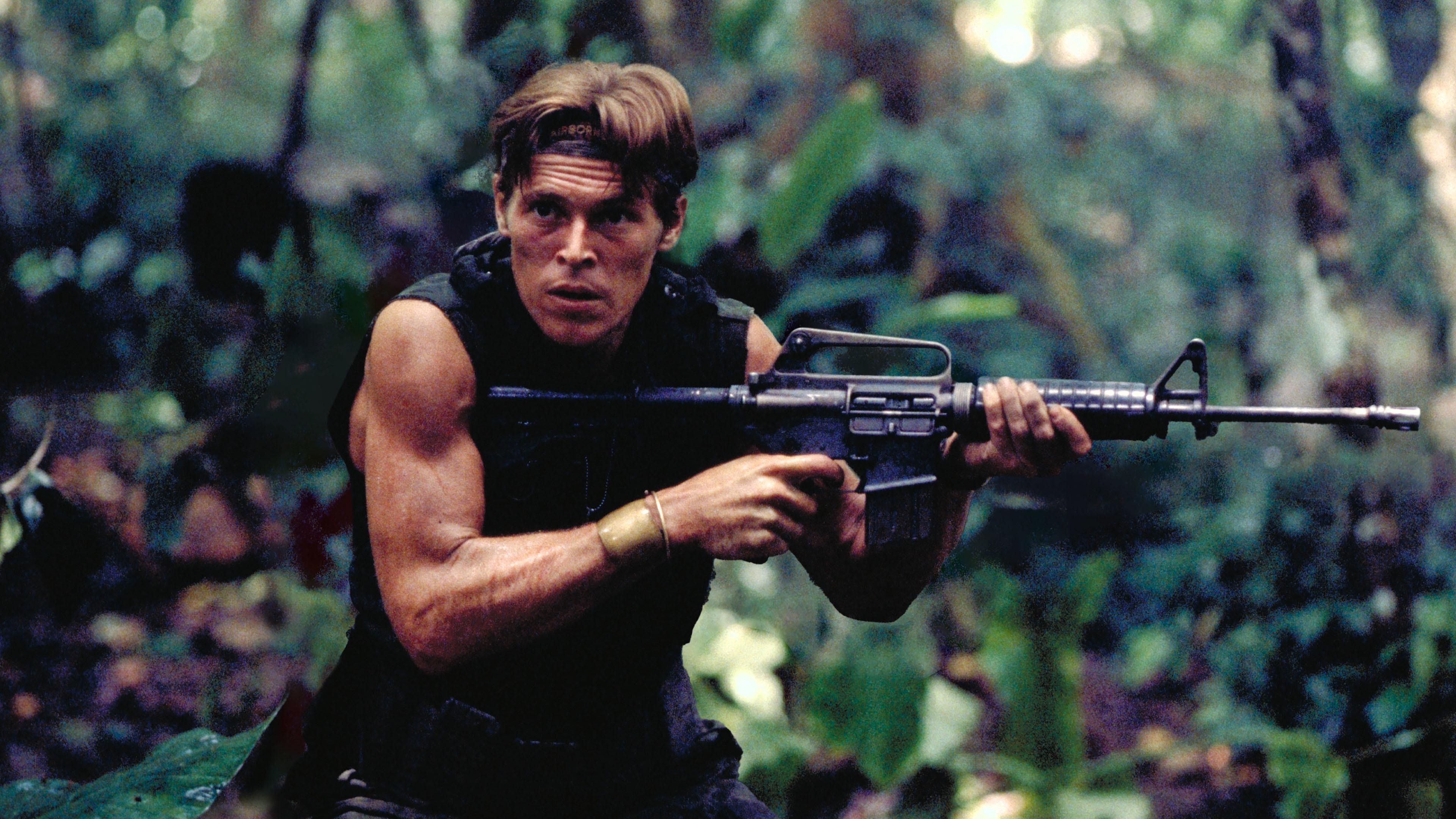
Robert Richardson photographs the soldiers at ground level, making the heat and muck feel hard to escape. His images can be overwhelming, but they keep our attention on the men struggling through those conditions. Bruno Rubeo’s production design contributes to the same exhausting sense of daily life, with surroundings that look punishing to inhabit. It is important that the film takes physical discomfort seriously, because the men’s decisions are made when patience and judgement are already under strain.
Claire Simpson’s editing is especially good in the night battles, giving us enough information to follow the fighting without making it feel orderly. We were frightened by those sequences. Being able to grasp the soldiers’ immediate danger, while still feeling their confusion, made the violence harder to sit through. This is difficult action to cut well: too little clarity would let us retreat into bewilderment, while too much would make the men seem in control. Simpson gets the balance right.
The trouble comes when Stone the writer presses the sergeants into a moral contest whose terms are too easy to recognise. Dafoe and Berenger give us people worth watching, but the writing keeps encouraging us to sort them into opposing positions. That reduces the uncertainty the combat scenes have worked hard to create. Georges Delerue’s music adds to the sorrow, sometimes more insistently than the performances need. With Stone also leaning towards reflective explanation, the film can seem unwilling to leave a painful impression alone.
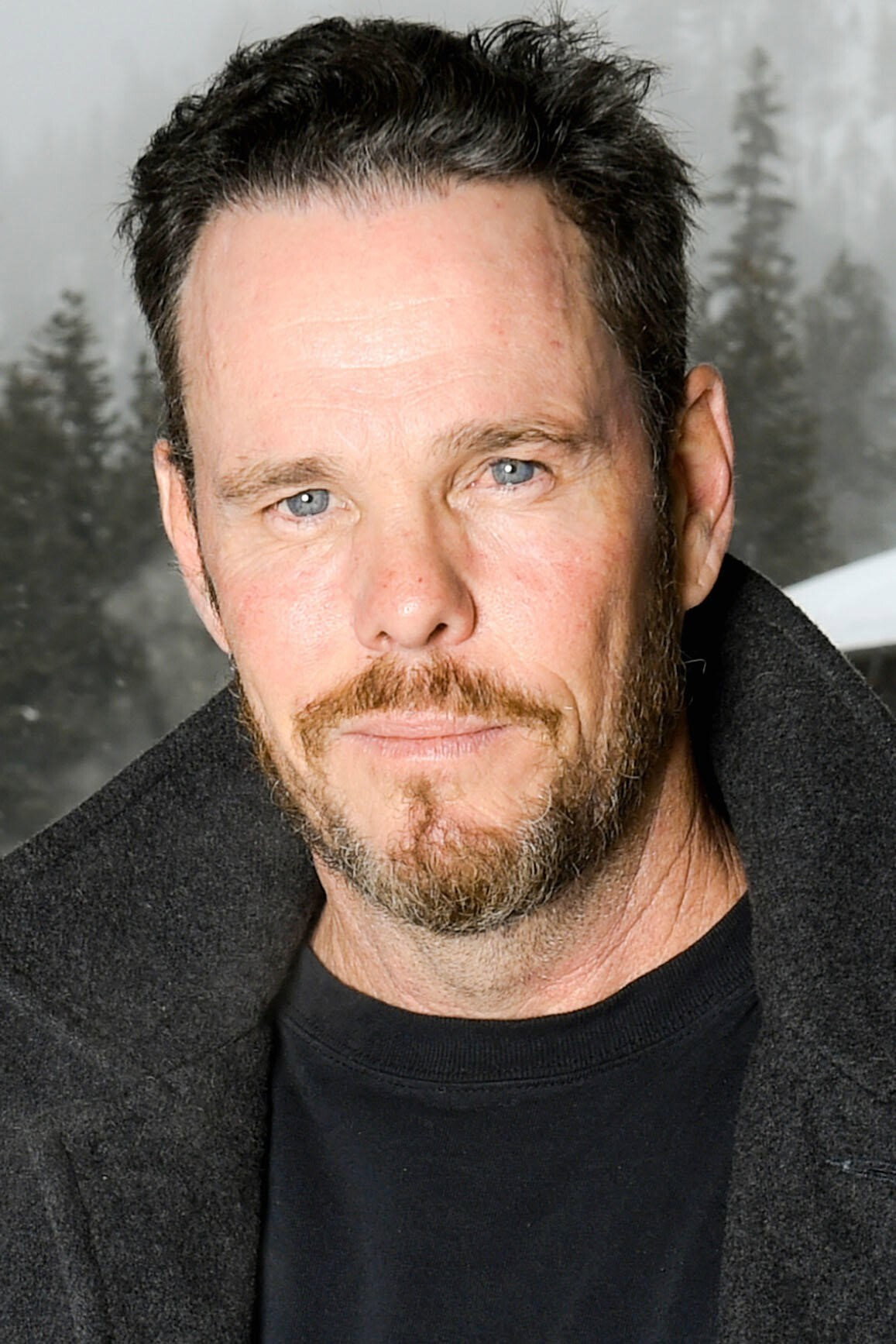
The other soldiers help prevent that scheme from taking over. Keith David as King and John C. McGinley as Sergeant O’Neill make their presence count without needing to compete with the leads. The platoon feels populated by men with different temperaments, and that keeps us attentive to more than Taylor’s education. By the standards of a combat drama, the attention paid to people between confrontations is one of the film’s considerable strengths.
At 120 minutes, it is a demanding evening, though the demand mostly comes from what Stone makes us face. The moral signposting is a real limitation, not a reason to avoid the film. We would choose it for the performances and the clear, frightening account of combat. Allow a little quiet afterwards; it is poor preparation for cheerful conversation.