Film review

The Hurt Locker

2008 · Directed by Kathryn Bigelow · 2h 11m · MPA R

In a sentenceJeremy Renner makes bomb disposal look like a job he would miss on his day off

DramaThrillerWar

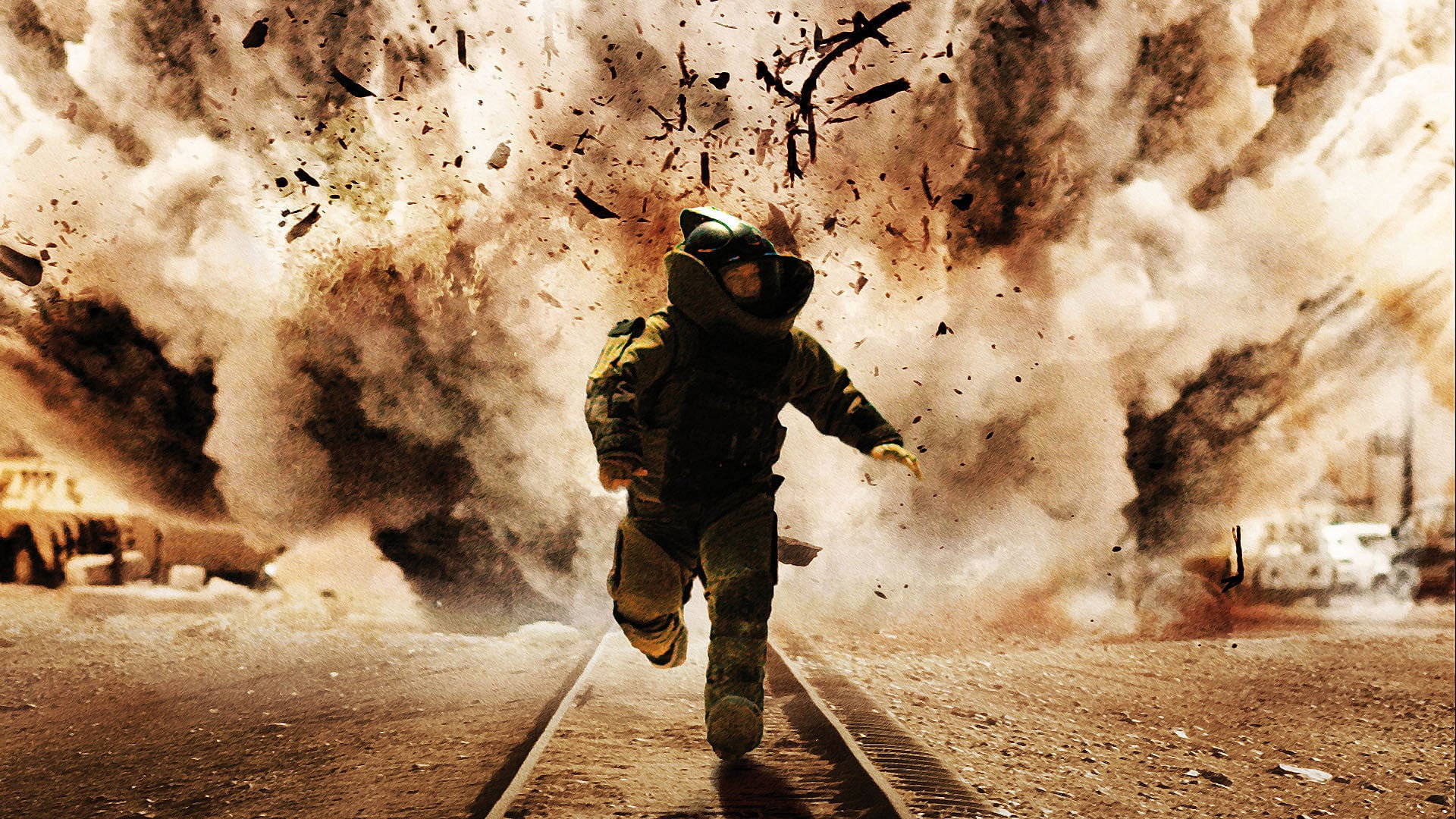
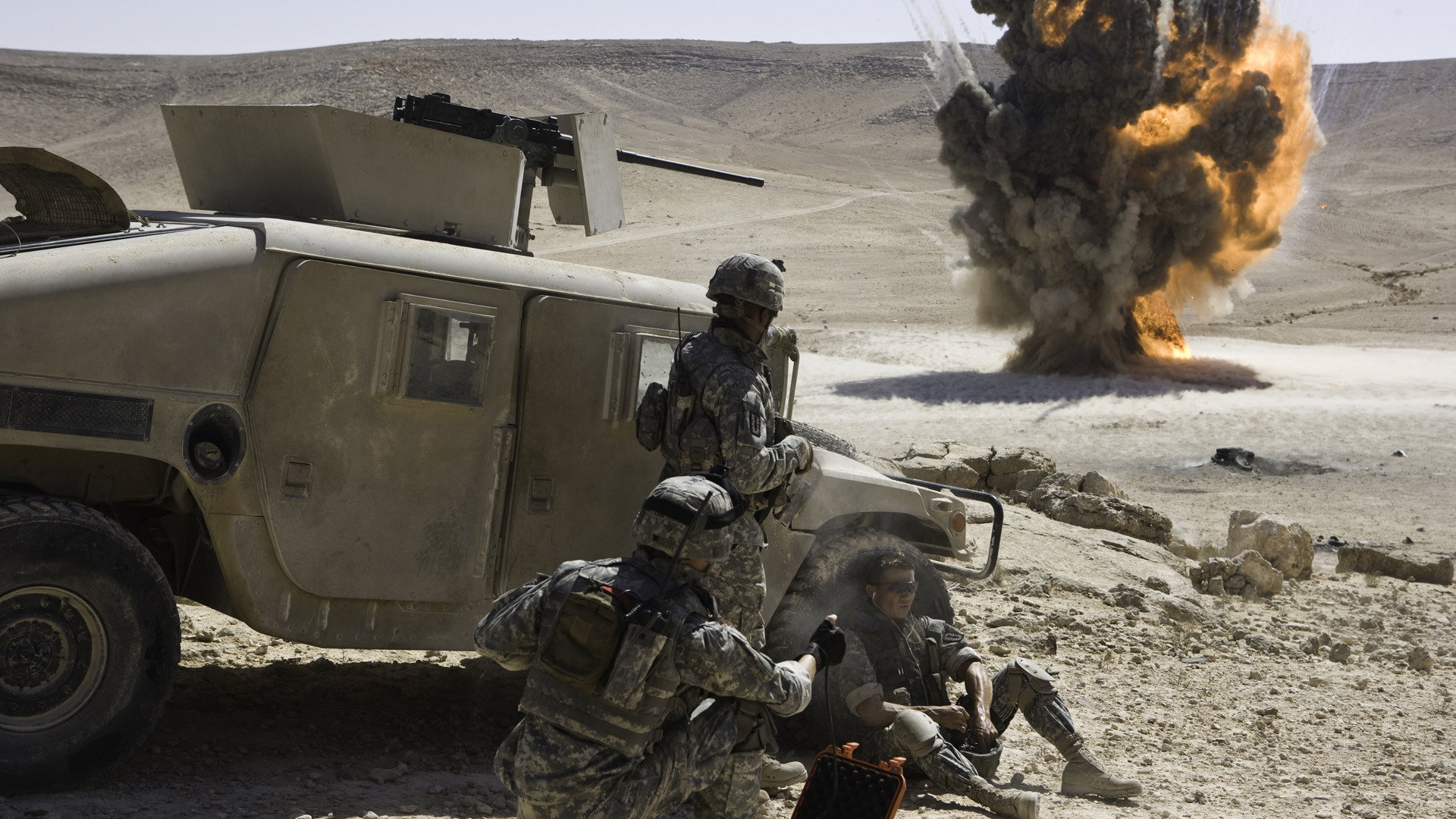
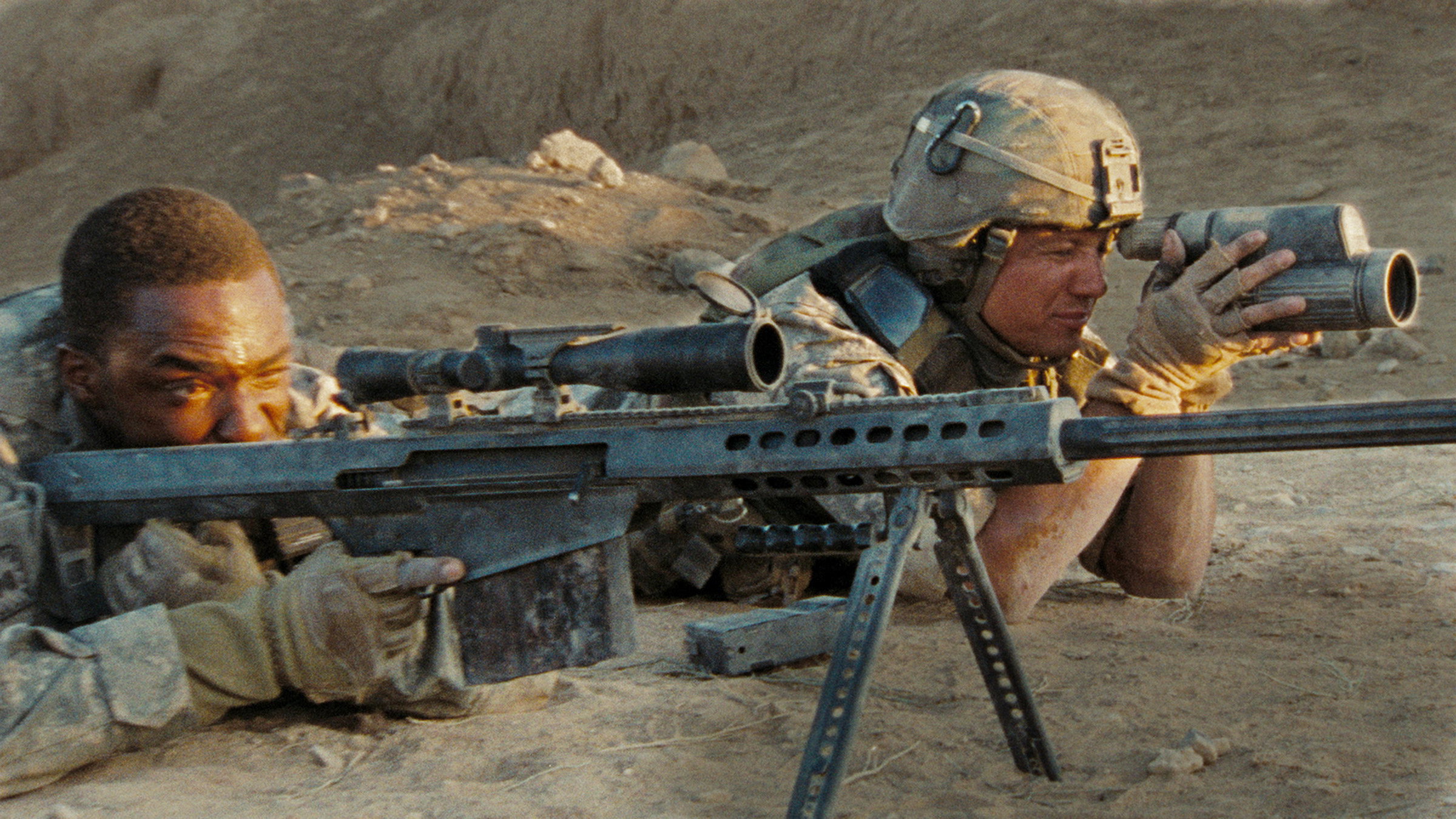
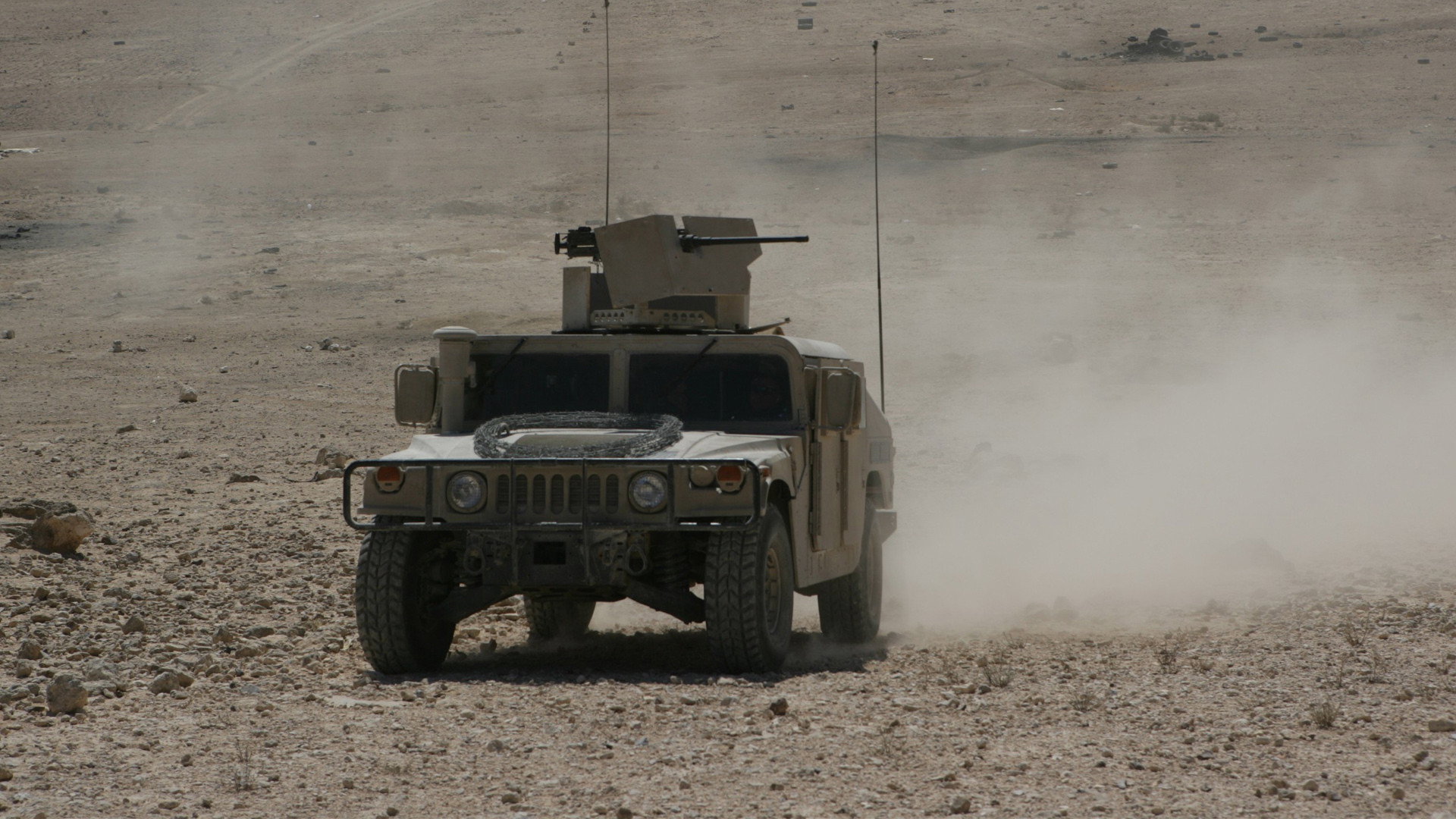
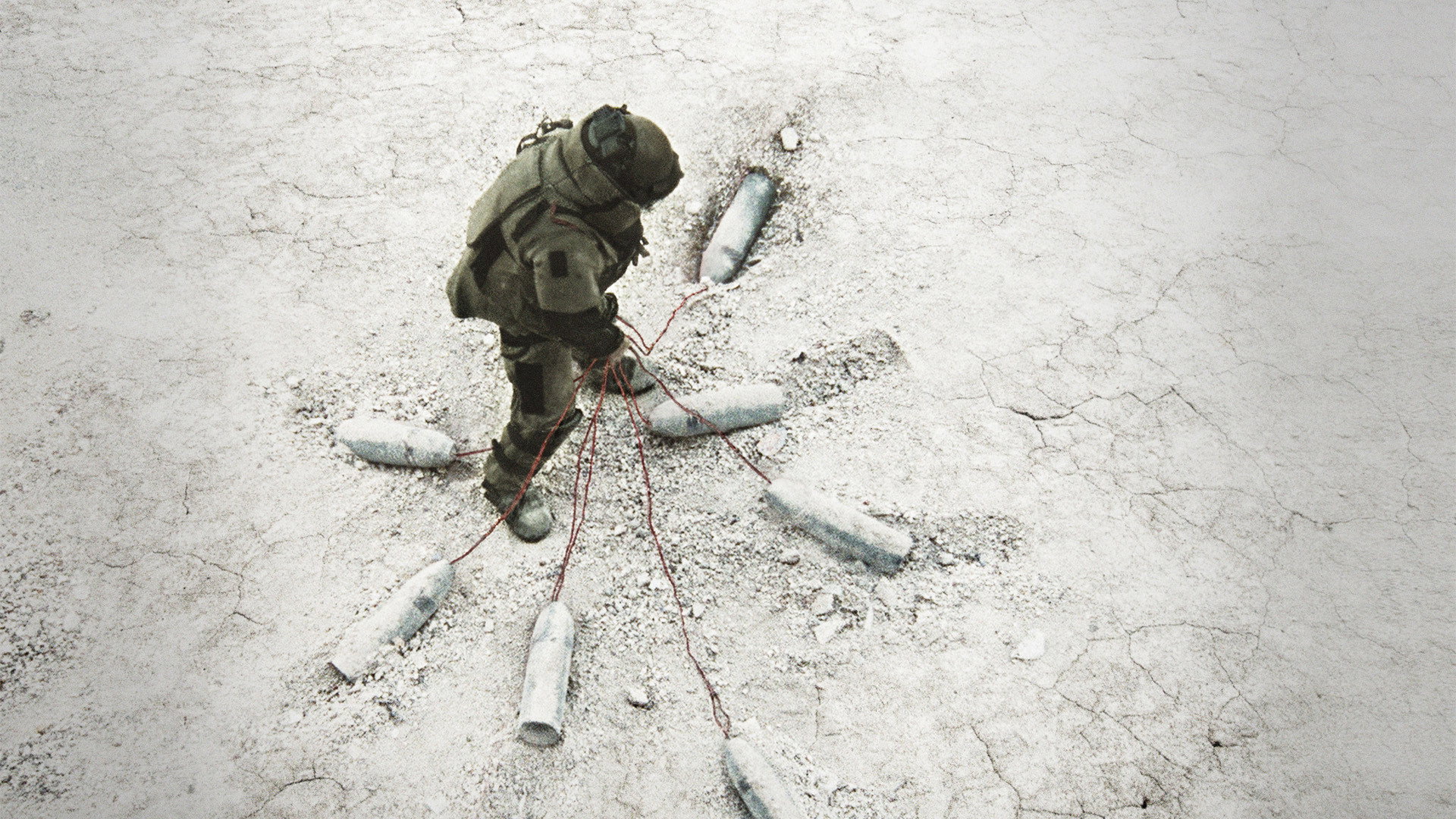
Staff Sergeant William James (Jeremy Renner) serves as a bomb-disposal expert with the US Army in Iraq. Sergeant JT Sanborn (Anthony Mackie) and Specialist Owen Eldridge (Brian Geraghty) share the dangers of work that depends on judgement, concentration and trust. The team faces explosive devices in a combat zone, where carrying out a technical task means staying exposed to threats they cannot fully control. James finds excitement in this work, adding his own appetite for risk to the pressures on the unit. The film follows the soldiers through their assignments, keeping its attention on their experiences of fear and danger.

Plays from YouTube when you press play; nothing loads from them until then.

Fi1m review

Kathryn Bigelow makes bomb disposal frighteningly clear, with Jeremy Renner giving the danger a troubling appeal. We recommend this tense, forceful war thriller, though its supporting soldiers deserve more of the attention given to their work.

Kathryn Bigelow’s The Hurt Locker is an unusually persuasive war thriller, and we recommend it with one reservation: some of its soldiers deserve more attention. Staff Sergeant William James, played by Jeremy Renner, disposes of bombs in Iraq and finds something in the danger that he wants to repeat. Mark Boal’s screenplay makes that appetite central to the film. The difficult question is how much we come to share it.

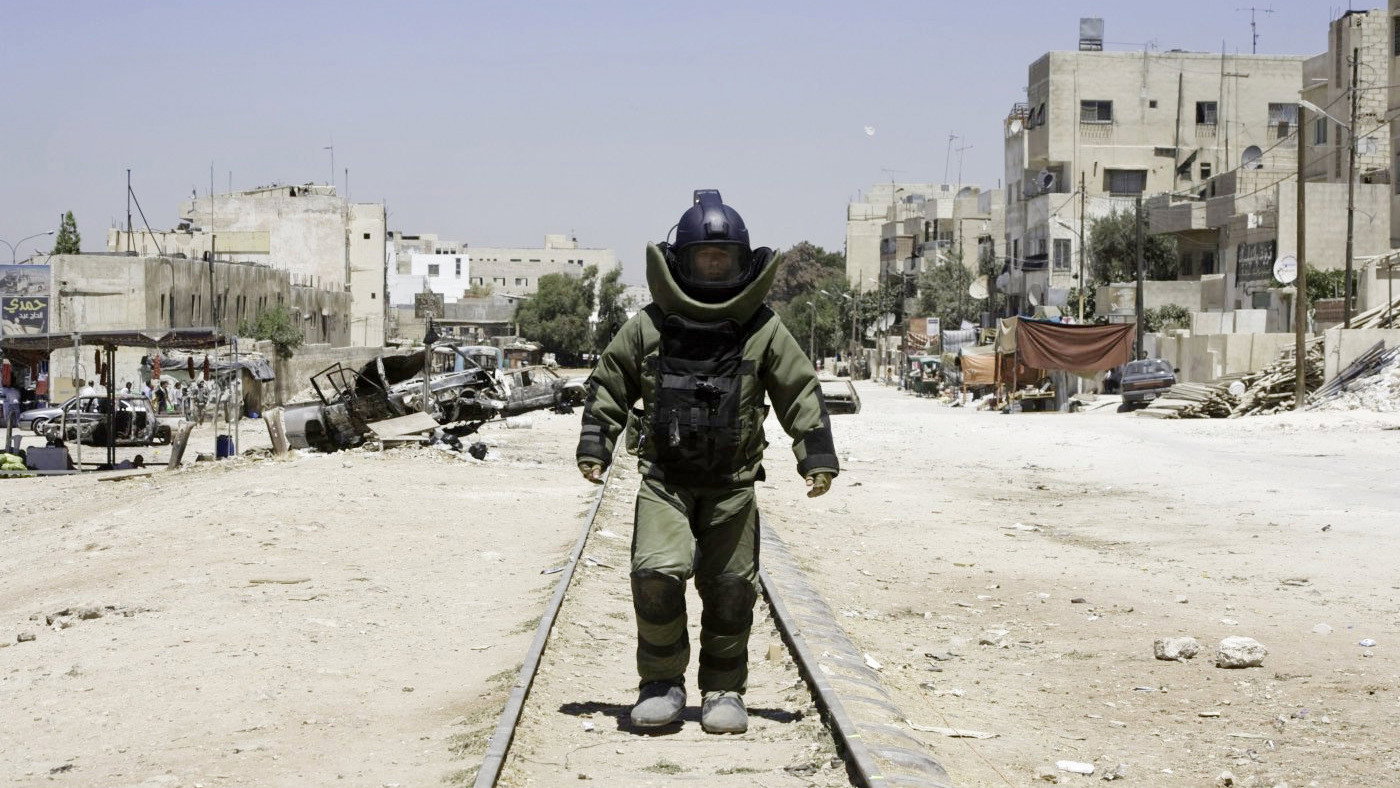
Bigelow takes the practical business of bomb disposal seriously enough to let it occupy the film, without hurrying towards the next explosion. Barry Ackroyd’s handheld cinematography keeps us close to the work without making the action unreadable. Editors Bob Murawski and Chris Innis preserve a clear sense of where people are and what they are doing, so the tension survives each change of shot. We can follow the task and still have no confidence that it will be completed safely.

We were frightened by the bomb-disposal sequences because understanding the men’s actions gives us so much time to worry about them. Confusion would make it easier to disengage, but Bigelow keeps the task legible and the outcome uncertain. The men’s judgement matters, and the film gives us time to think about what might follow a mistake. At 131 minutes, it demands sustained concentration, which these passages amply repay.

Renner is the reason the film can make this exhausting work look desirable. His James enjoys danger, and Renner does not play that enjoyment as an invitation to diagnose him. We can see the attraction of his company even as his judgement gives us reasons to worry. Anthony Mackie, as Sergeant JT Sanborn, and Brian Geraghty, as Specialist Owen Eldridge, keep the team from becoming merely an audience for its most conspicuous member. Their performances make us consider what it costs to work alongside him.

Paul Joyal and Karl Júlíusson’s production design gives the work a credible, unwelcoming setting. The surroundings never seem conveniently arranged to make the soldiers’ tasks easier to follow; that is the camera and editing doing their jobs. Marco Beltrami and Buck Sanders’s music adds unease without making James sound like a man we should applaud. It is effective support for suspense that already has plenty to work with in the men’s behaviour.

Boal is less successful at giving the supporting soldiers the same interest he gives their predicament. They register as people under pressure, but the screenplay does not always take us much further than that. The narrow attention to the American unit also means that this account of war in Iraq offers little sense of life beyond the soldiers’ immediate concerns. That limit is worth accepting, though the film’s confidence can make its view of the conflict seem more complete than it is.

War thrillers often invite admiration for people who can keep going under pressure. Bigelow complicates that response by asking what happens when the pressure itself becomes desirable. Her interest in James survives the underwritten supporting parts, and Renner makes him worth sustained attention even when he is difficult company. Choose an evening when being put at ease is not the point.
Critical consensus AI synthesised

87
Positive
9
Mixed
0
Negative
0

The consensus is strongly positive, with praise centred on Kathryn Bigelow’s control of tension and the close attention to soldiers doing dangerous work. Critics repeatedly single out the bomb-disposal sequences for keeping space and action clear while making the danger feel immediate. Jeremy Renner’s performance also draws praise for conveying the central soldier’s appetite for risk without simplifying him into a conventional hero. Most critics find that the ground-level focus gives the film psychological force without requiring a broader political account of the war.

The differences are chiefly about what that narrow focus leaves unexplored, rather than whether the suspense works. The Hollywood Reporter admires the raw tension but finds little depth in the character analysis or moral stance. Eye for Film similarly praises the atmosphere and Renner while finding the story and characterisation thin. These reservations sit within an otherwise enthusiastic response: the disagreement concerns depth, not Bigelow’s command of action.

RogerEbert.com
8 July 2009 · ★★★★/4 · Roger Ebert
100

The film is a spellbinding war movie focused on the people in terrible danger rather than phony suspense mechanisms. It earns its real suspense through personalities and clear, intelligent direction that keeps space and action coherent.

Read the full review →
Slant Magazine
22 June 2009 · ★★★★/4 · Fernando F. Croce
100

Bigelow delivers a smashing piece of visceral filmmaking that gets closer than others to the tense, ground-level spectacle of bomb disposal in Baghdad. The film excels in its handheld action sequences and character focus while avoiding both recruiting pamphlet and antiwar tract extremes.

Read the full review →
Film Comment
· Amy Taubin
90*

The critic praises the film as both a structuralist war movie and an immersive high-anxiety experience. Bigelow excels at making viewers feel the adrenaline rush of war through kinetic camerawork and Renner's standout performance as the central bomb disposal expert.

Read the full review →
Little White Lies
28 August 2009 · 3/4/4 · Kingsley Marshall
80

The critic calls it a commendably mature response to conflict, closer in tone to Generation Kill than other Iraq war films. It singles out the well-paced action sequences and the complex, subjective portrayal of the bomb disposal team.

Read the full review →
Time Out
25 August 2009 · ★★★★ · Dave Calhoun
80

The critic calls it one of the better films about the US Army in Iraq, praising its expert management of tension combined with journalistic attention to detail. It singles out the fine distinction between heroism and heroics and the immersive, realistic depiction of the squad.

Read the full review →
Empire
29 July 2009 · Ian Nathan

The review lauds the film as a bruising, brilliant masterclass in tension and visceral participation in the bomb-disposal unit's daily hell, highlighting Bigelow's skill at stripping back style for docu-intense realism and Jeremy Renner's standout performance as a war-addicted protagonist.

Read the full review →

Cast

Stills

Awards

Academy Awards, 2010

Nominated
Best Actor
Nominated
Best Cinematography
Nominated
Best Original Score
Won
Best Director
Won
Best Film Editing
Won
Best Picture
Won
Best Sound
Won
Best Sound Editing
Won
Best Writing, Original Screenplay

BAFTA Film Awards, 2009

Won
Best Film

If you liked this, try…

Sorcerer poster

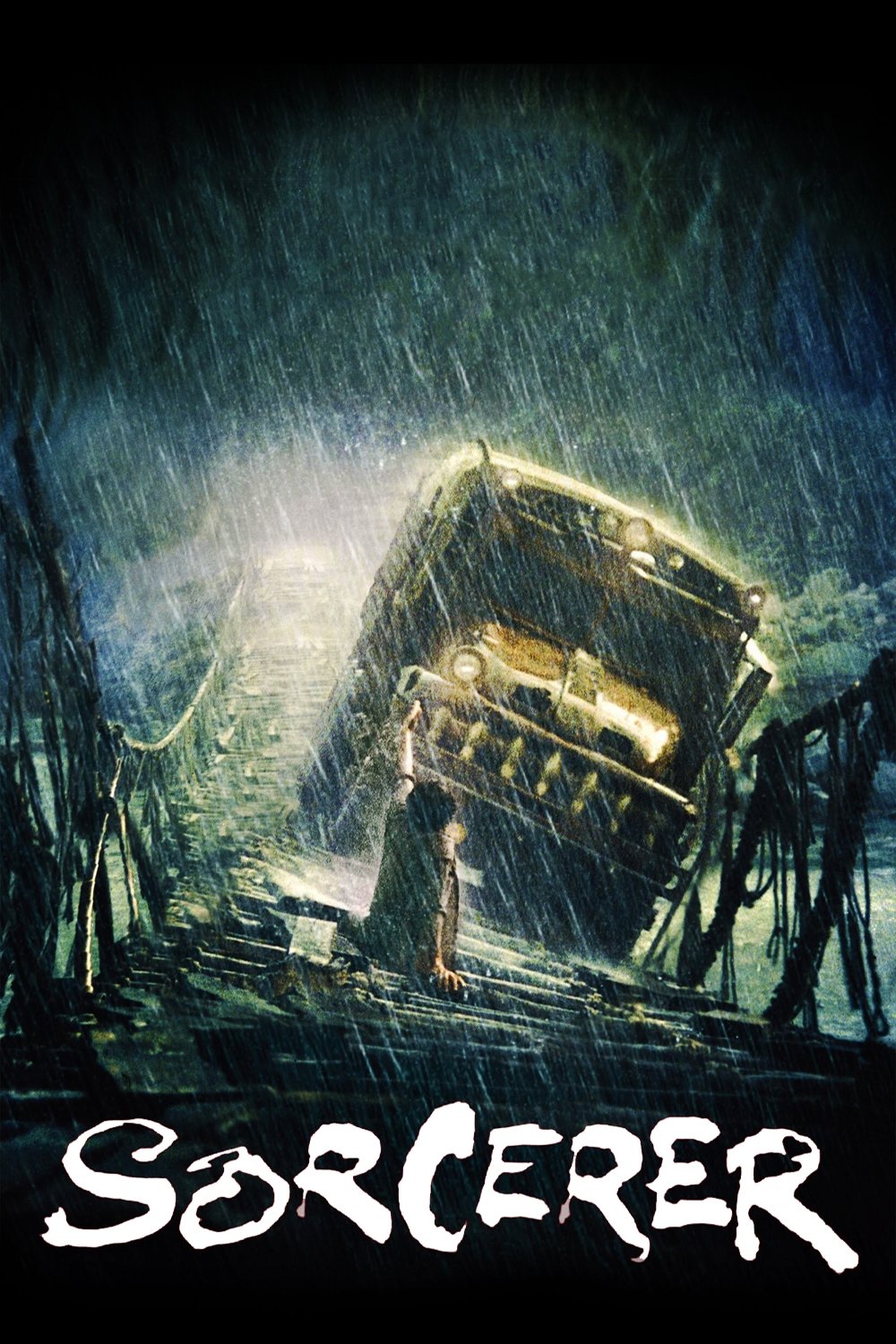
Sorcerer

1977 · Dangerous work, fraying trust and suspense built from understanding what could go wrong.

Beau Travail poster

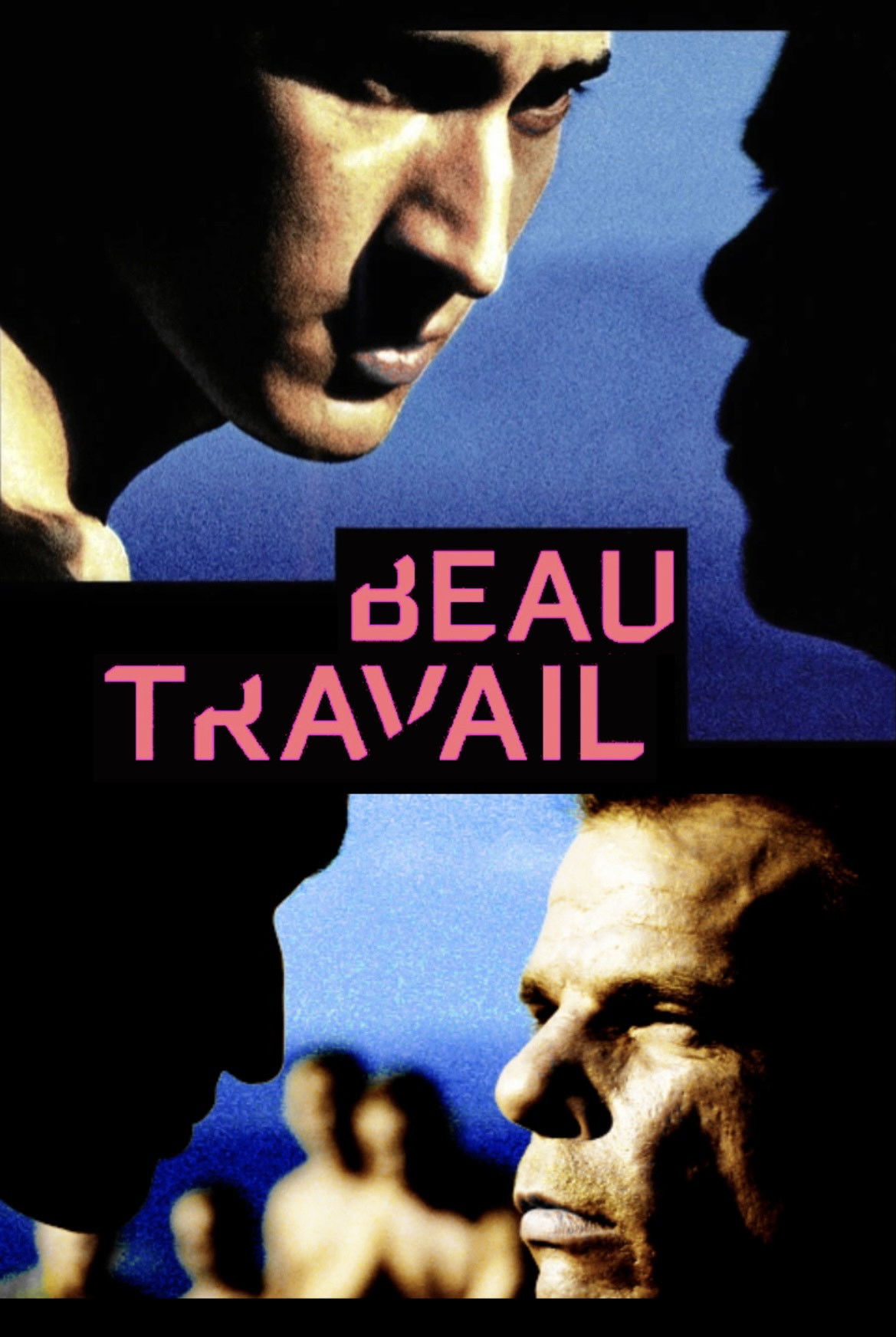
Beau Travail

1999 · Military discipline and masculine obsession, with bodies telling what the men cannot.

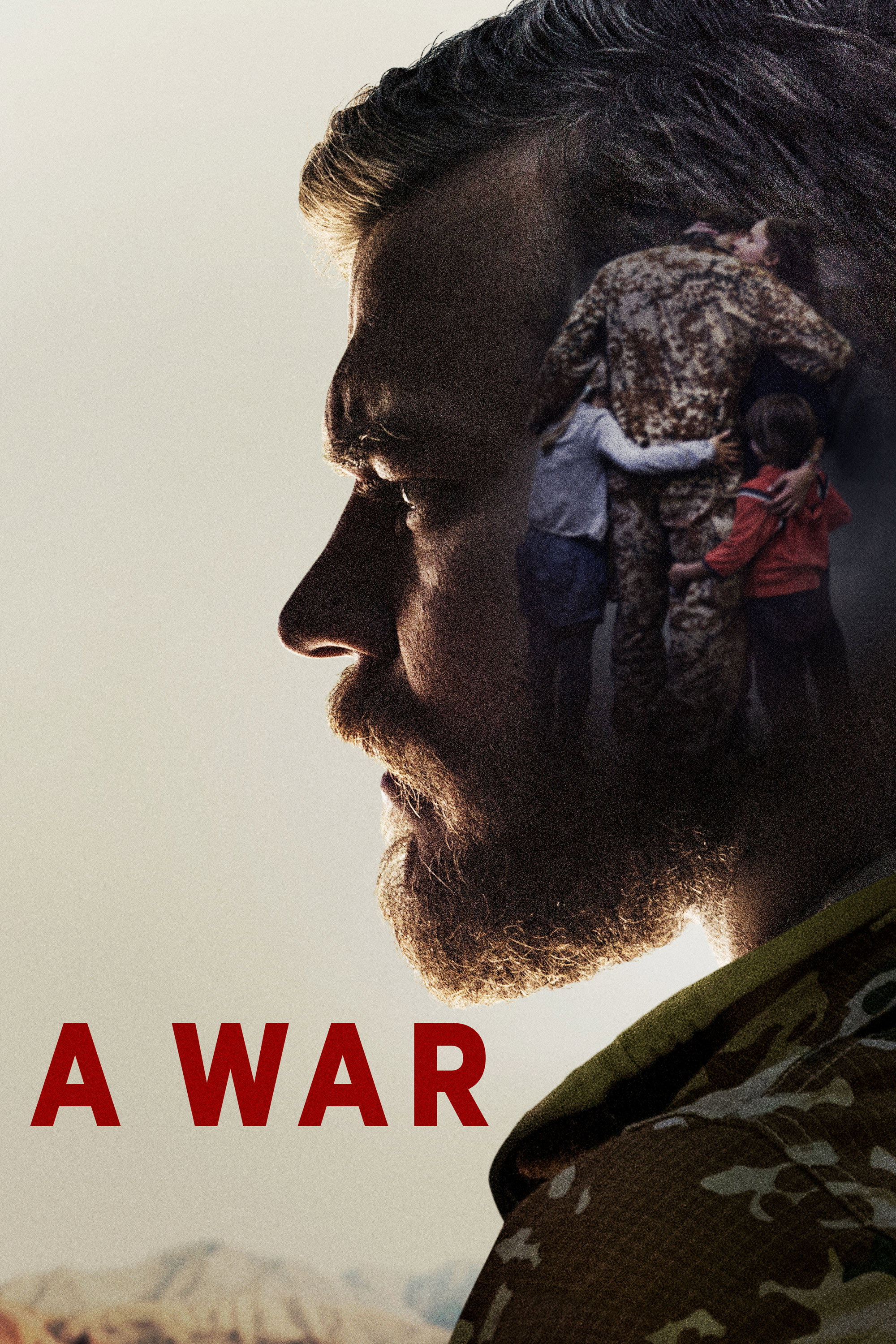
A War poster

A War

2015 · A soldier’s decisions carry consequences beyond the immediate business of surviving combat.

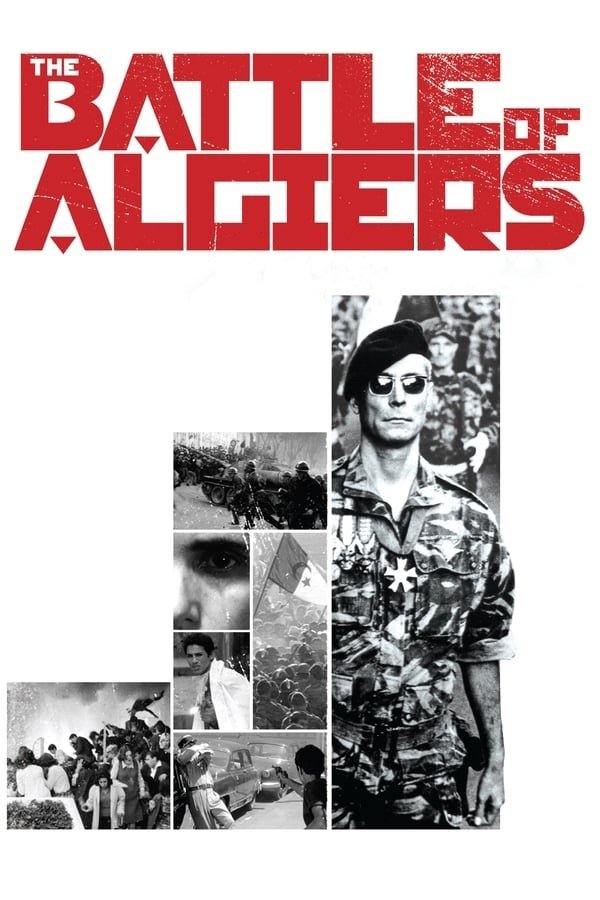
The Battle of Algiers poster93

The Battle of Algiers

1966 · Urban warfare examined through a wider political lens, with equally unnerving clarity.

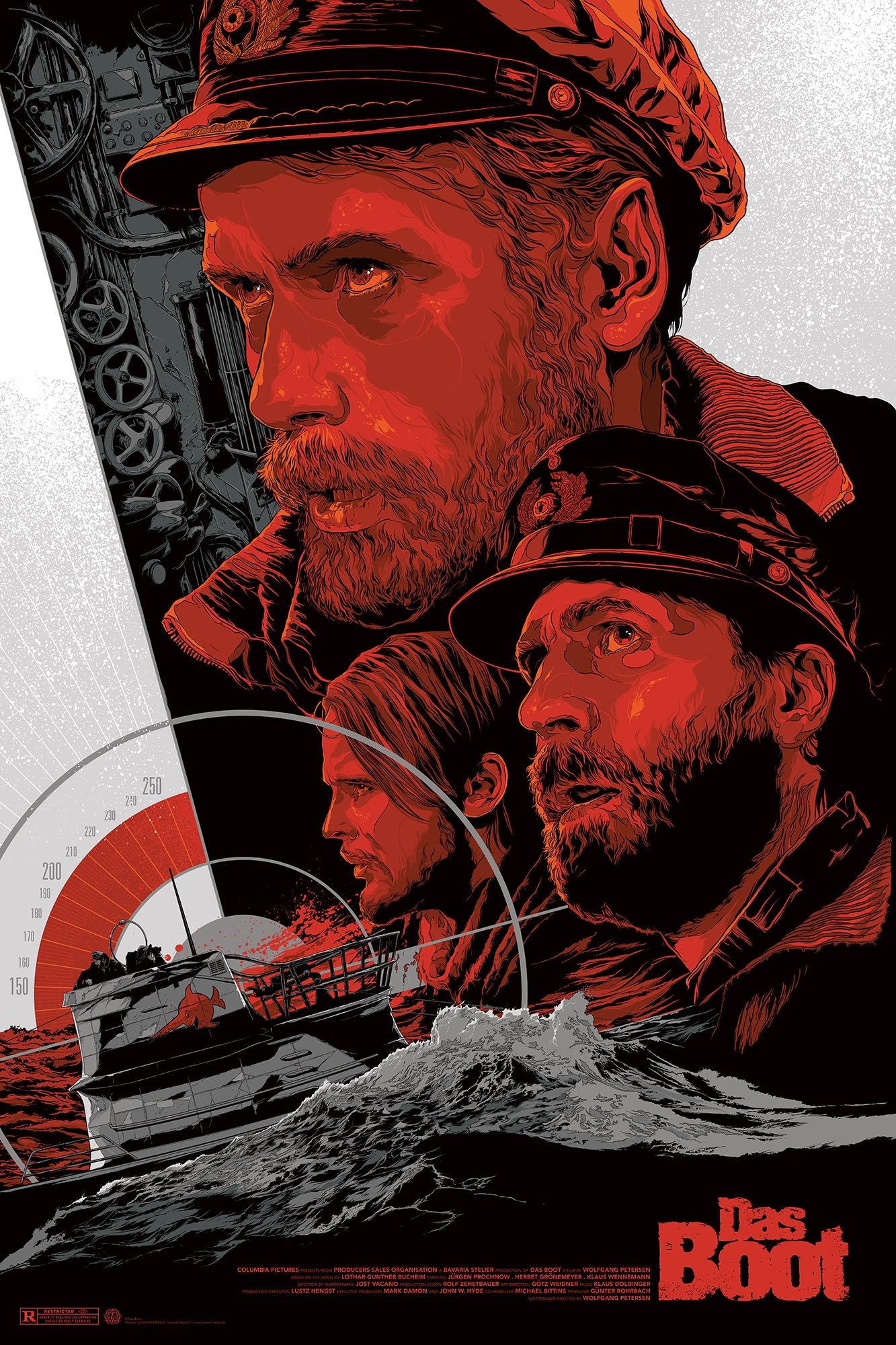
Das Boot poster

Das Boot

1981 · Another confined military team whose technical competence offers no guarantee of safety.