Joe Wright’s Austen adaptation is funny, warmly acted and persuasive as a romance, with Keira Knightley giving Elizabeth Bennet a welcome impatience. We recommend it, with a caveat: the grand romantic mood sometimes overwhelms the sharper social comedy.
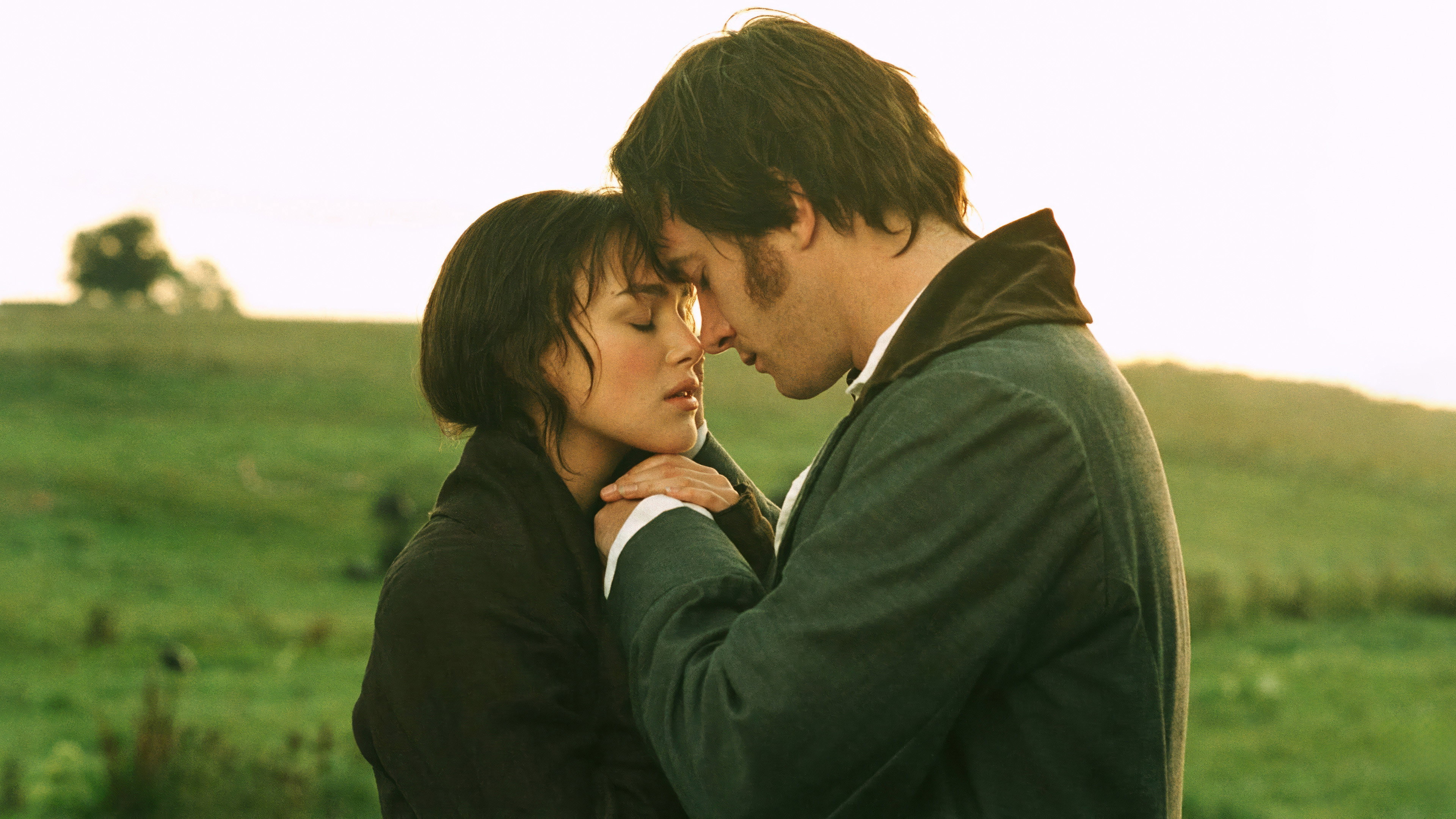
Joe Wright’s Pride & Prejudice makes a persuasive case for letting Austen’s young people behave like young people. They are quick to judge, awkward in company and much less composed than their clothes might suggest. We warmly recommend it: Keira Knightley gives Elizabeth Bennet enough wit and impatience to keep the romance lively, even when Wright makes the feelings a little too grand. Deborah Moggach’s screenplay keeps the social pressures in view, though the wish to sweep us along sometimes makes the comedy broader than it needs to be.
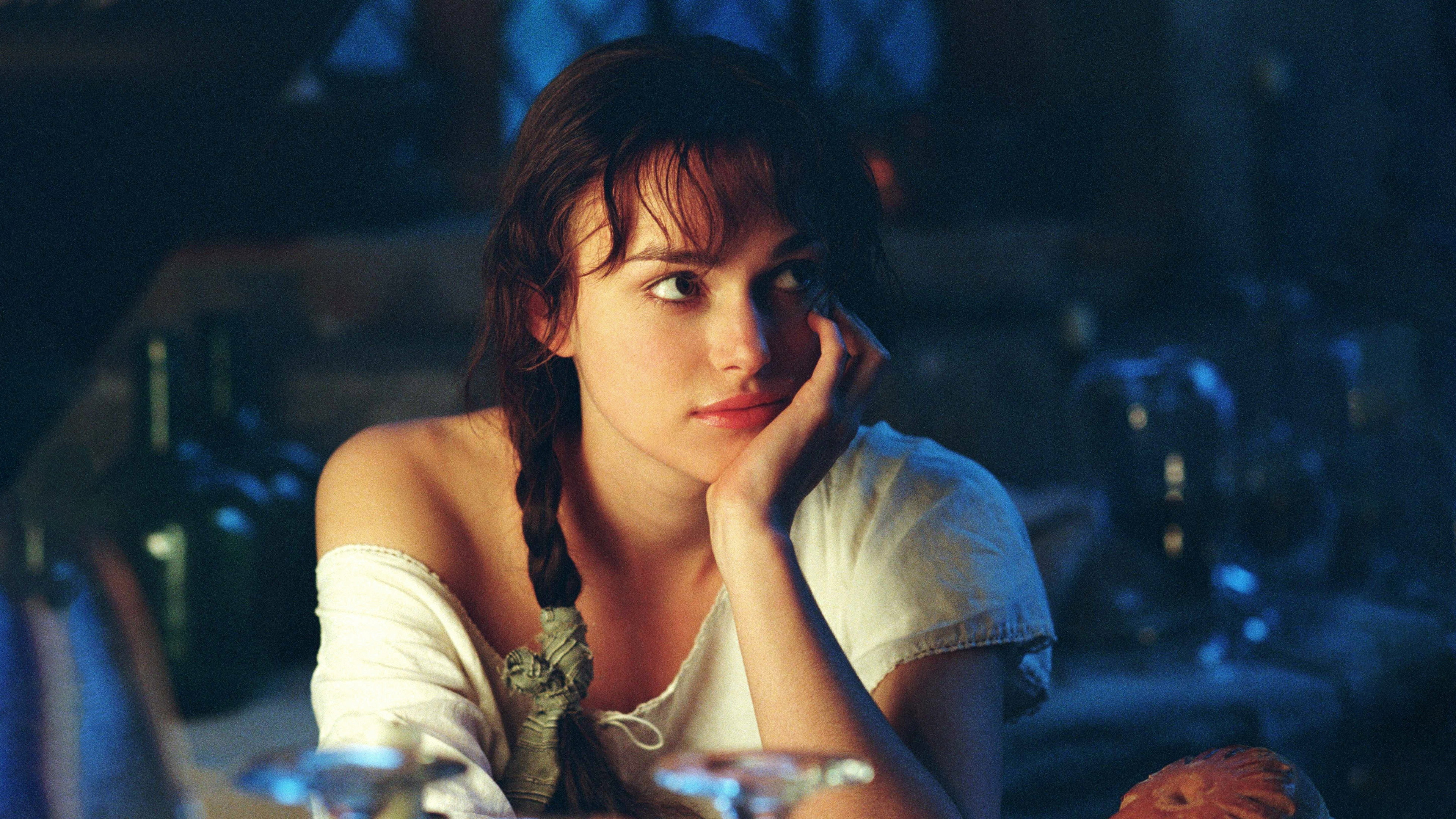
Knightley makes Elizabeth’s quick judgements enjoyable enough that we can understand why she trusts them. We laughed at the discomfort of Elizabeth’s first meeting with Darcy, because Knightley’s readiness to engage runs into Matthew Macfadyen’s determined reserve. There is a risk of making such a heroine so charming that she cannot plausibly be wrong, and Knightley occasionally comes close. Her sharpness is most useful when it has a touch of self-satisfaction, something the performance allows without asking us to dislike her.
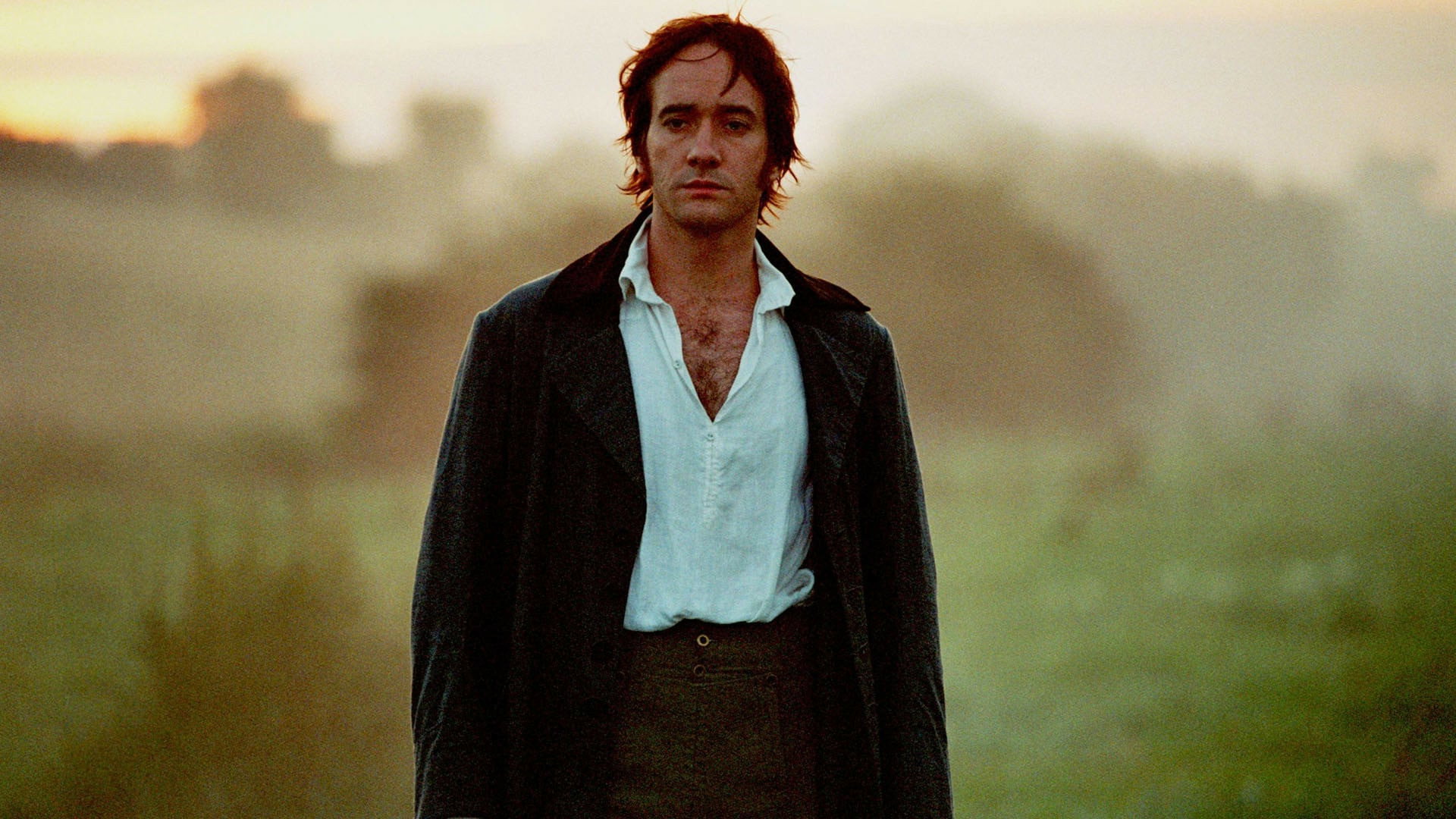
Macfadyen takes longer to justify his place in the film. His Darcy is so withdrawn that the early encounters can leave Knightley doing most of the work, and we understand the complaint that he is simply dull. Yet the stiffness makes emotional sense beside her speed: he looks like someone who cannot comfortably participate in the company he is expected to keep. The attraction becomes convincing because these two seem capable of unsettling one another, though a little more conversational ease would not have ruined him.
Roman Osin’s cinematography allows the period settings to look imperfect, with lighting that makes the rooms feel inhabited rather than prepared for inspection. Sarah Greenwood’s production design gives the Bennet household the same welcome lack of tidiness. This helps the family seem accustomed to living together, with none of the cautious behaviour of actors afraid to touch the furniture. The busy country-house balls extend that sense of lives being lived around the central couple.
Paul Tothill’s editing keeps the introductions and social encounters moving briskly, so the 128 minutes seldom feel crowded with obligations. Dario Marianelli’s music supplies some of the emotional openness that Macfadyen withholds, and the romance benefits from that warmth. But Wright sometimes pushes the romantic mood until the social comedy becomes secondary. The attraction is already persuasive, and some of the more emphatic treatment feels unnecessary when the actors have made small differences in temperament so interesting.
Brenda Blethyn’s Mrs Bennet is the performance most exposed by the broader comedy. The fuss can become wearing, and Wright does not always leave enough space for the social worries beneath it. Rosamund Pike’s Jane offers a useful quieter presence, while Tom Hollander’s Mr Collins makes formal manners funny without requiring the whole film to stop for him. The unevenness matters because Austen’s comedy needs people whose behaviour is absurd but whose concerns remain understandable.
Compared with the tidier sort of costume romance, this is pleasingly willing to let people seem uncomfortable and households look used. We would have preferred Wright to trust the humour a little more, particularly when the courtship becomes his overriding concern. Readers attached to the novel’s cooler judgement may find the romantic emphasis excessive, but there is ample pleasure in the company of these actors. Choose it for Knightley, and allow Darcy a little longer to make his case.