Nicole Kidman and Aaron Eckhart make this restrained grief drama worth the discomfort. Its humour is sharp and its compassion convincing, though the careful presentation sometimes keeps us further away than it should.
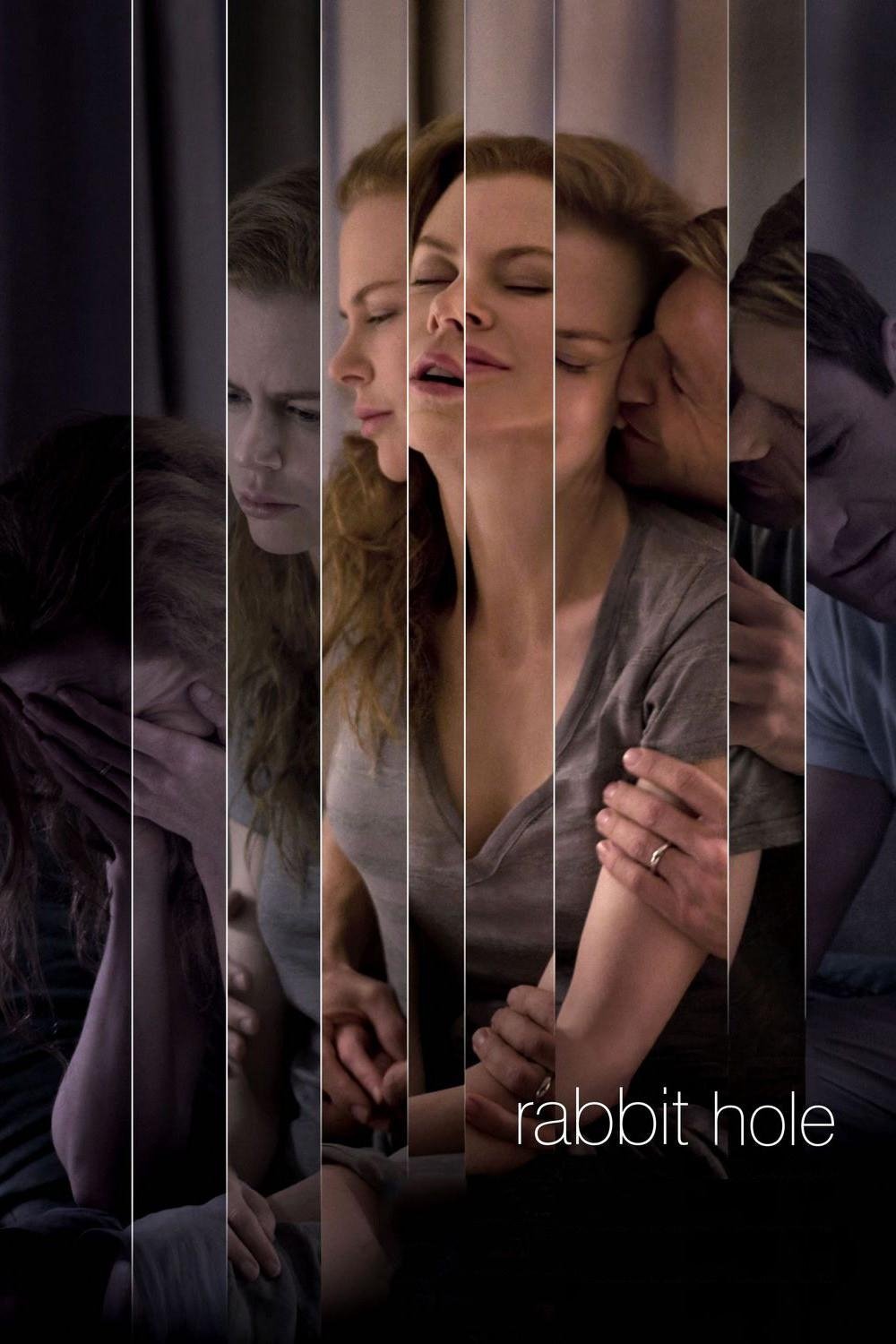
Rabbit Hole is a good, sometimes painfully funny drama whose acting is more searching than its direction. John Cameron Mitchell follows a marriage after the death of a young son, allowing grief to interrupt daily routines without treating recovery as a series of tasks. That is a sensible approach to material so easily spoiled by solemnity. David Lindsay-Abaire’s screenplay leaves room for irritation and bad company as well as sorrow. Its people can be hard to spend time with, which is part of what makes them worth watching.
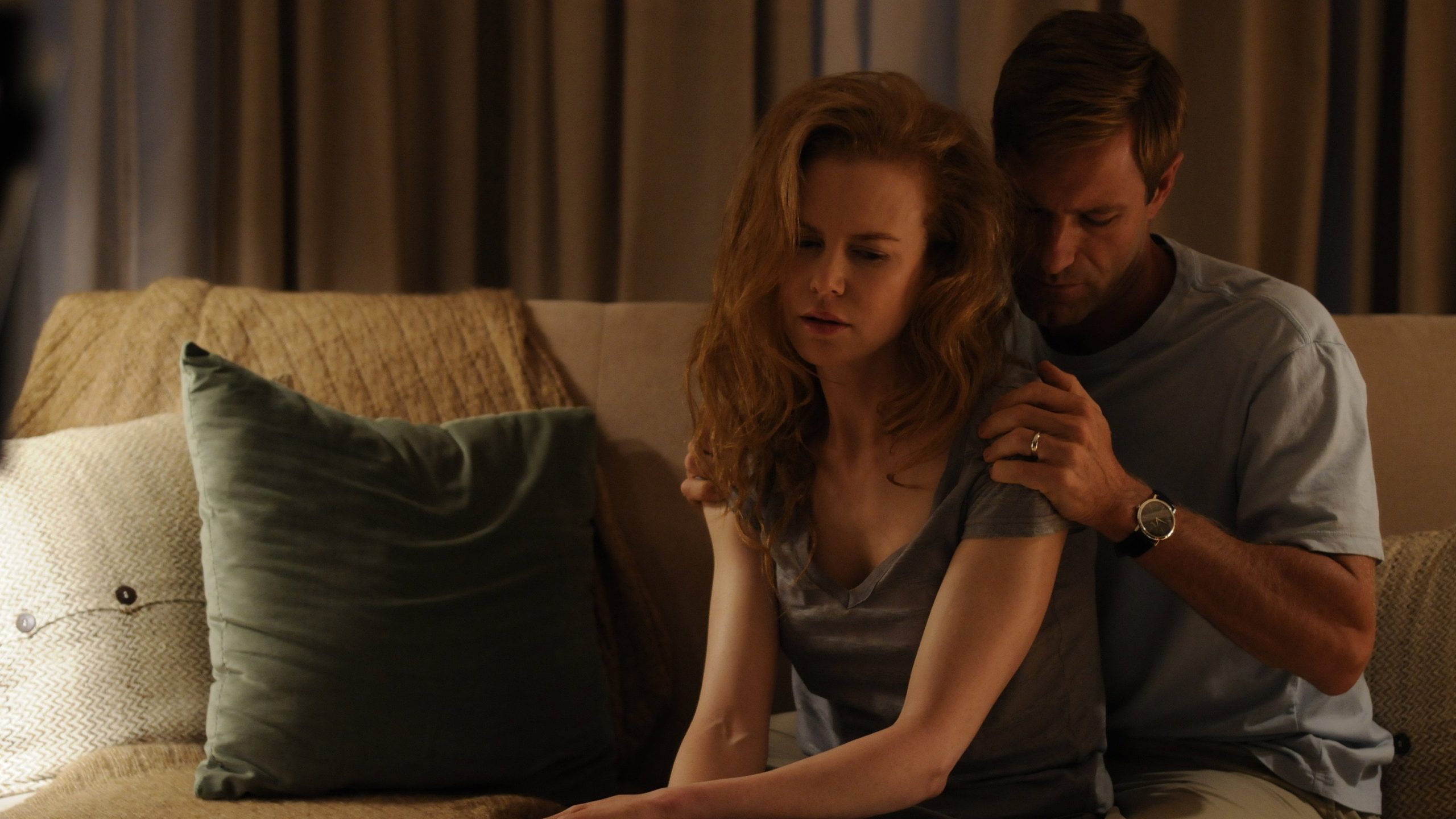
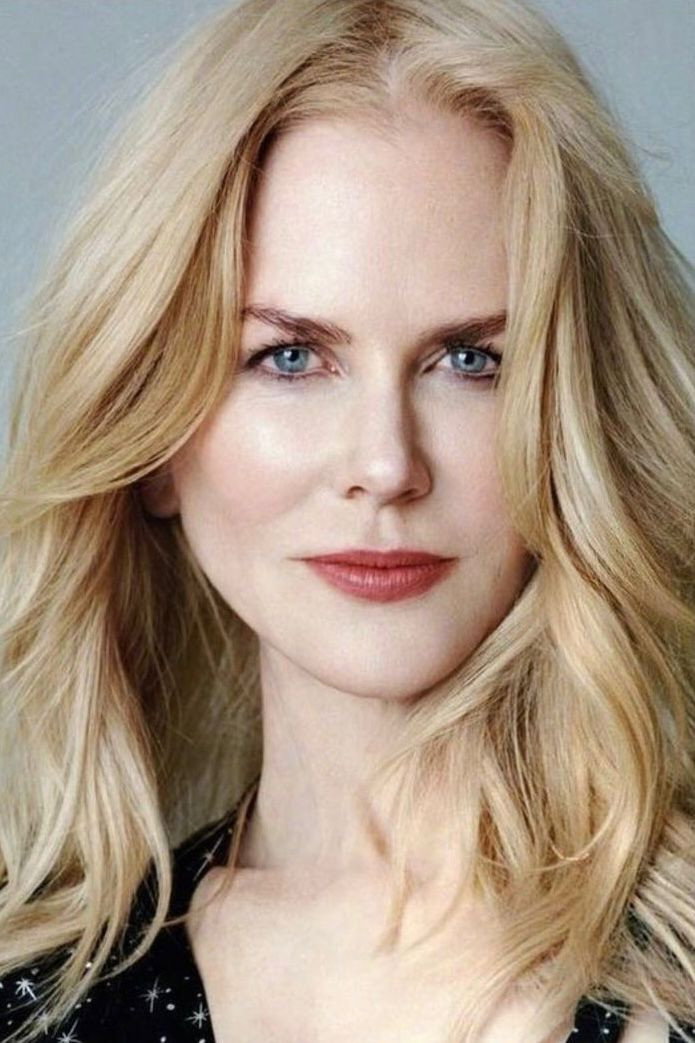
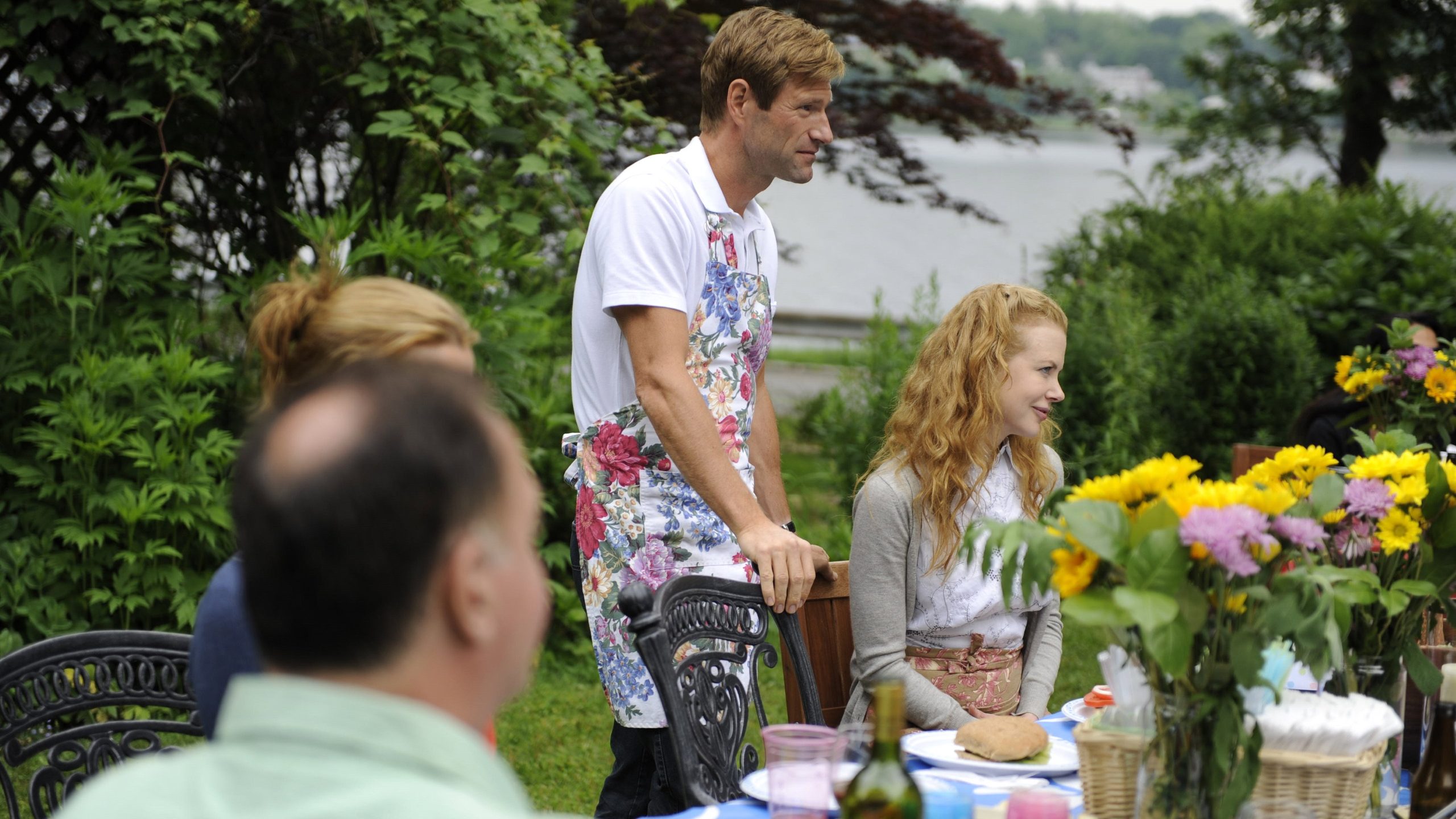
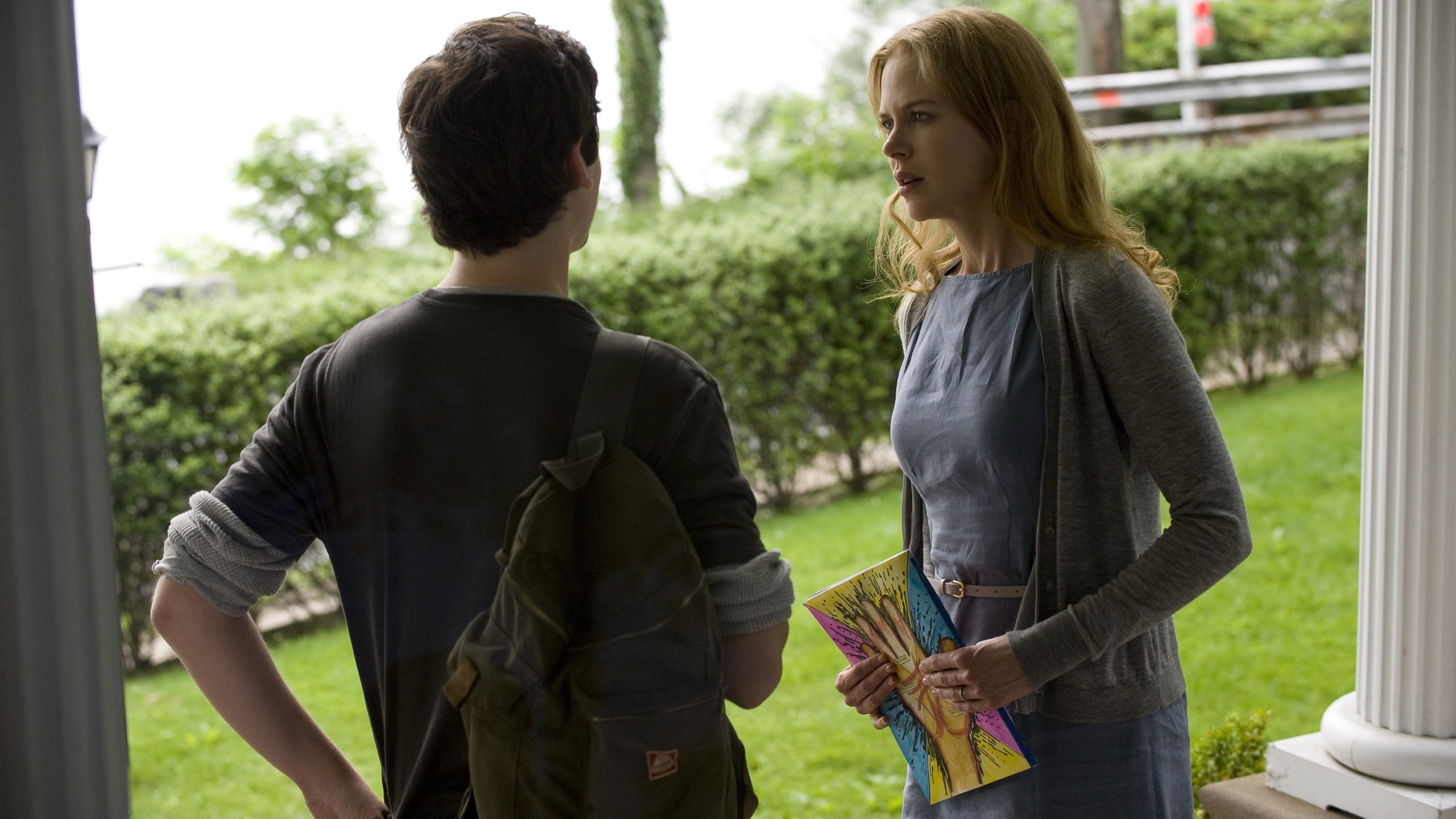
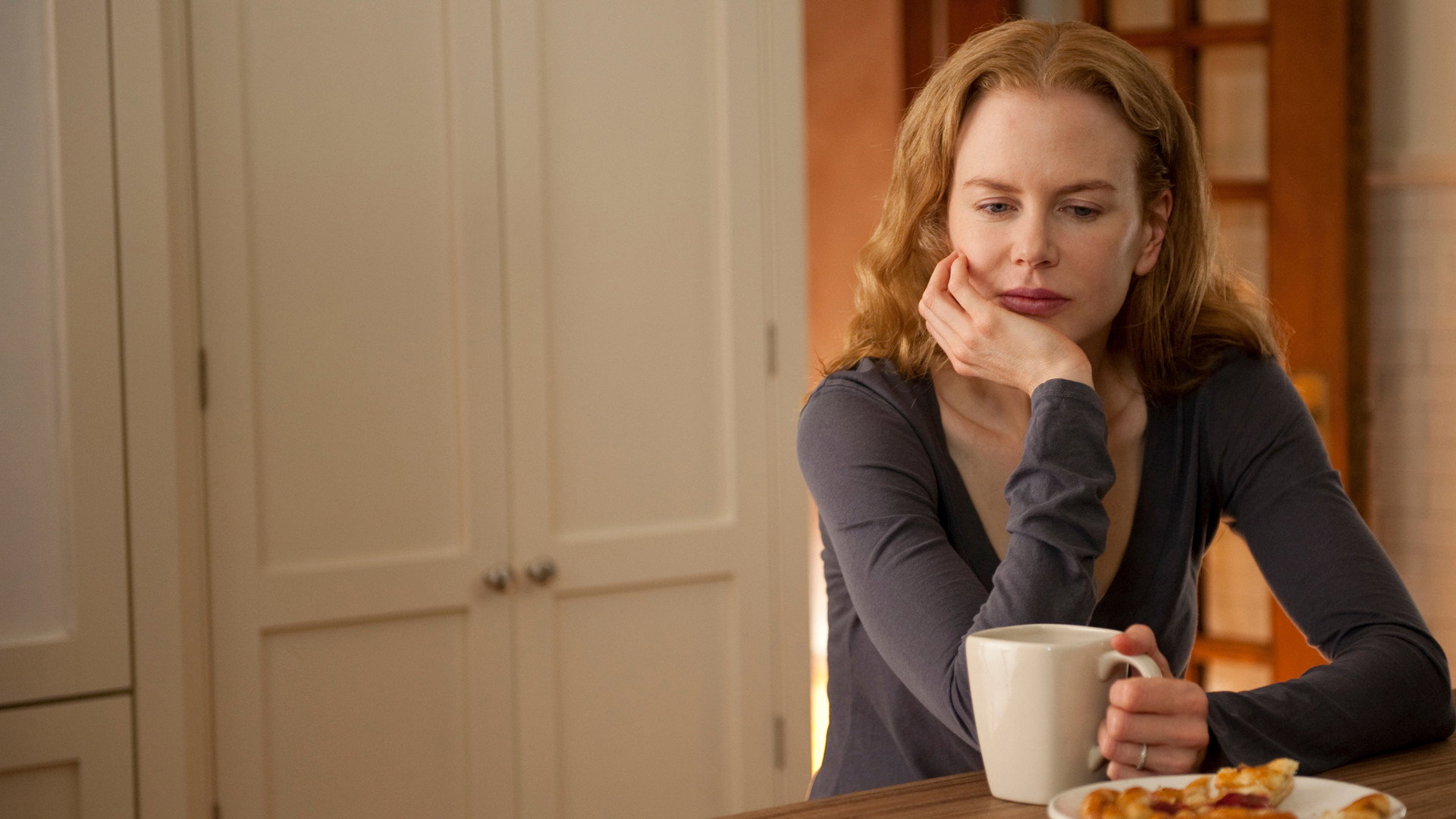
Nicole Kidman gives Becca Corbett an anger that is uncomfortable because she seems to understand the damage she can do. The performance stays contained without making her feelings obscure. We felt for her most when that anger became funny: the laughter did not make her pain any easier to sit with. There is a difficult pleasure in watching someone resist the obligation to be agreeable while suffering. Nicole Kidman makes that resistance persuasive without asking us to welcome every expression of it.
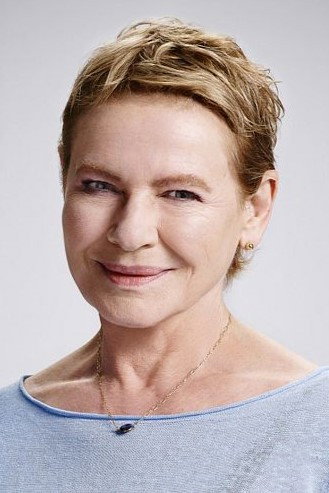
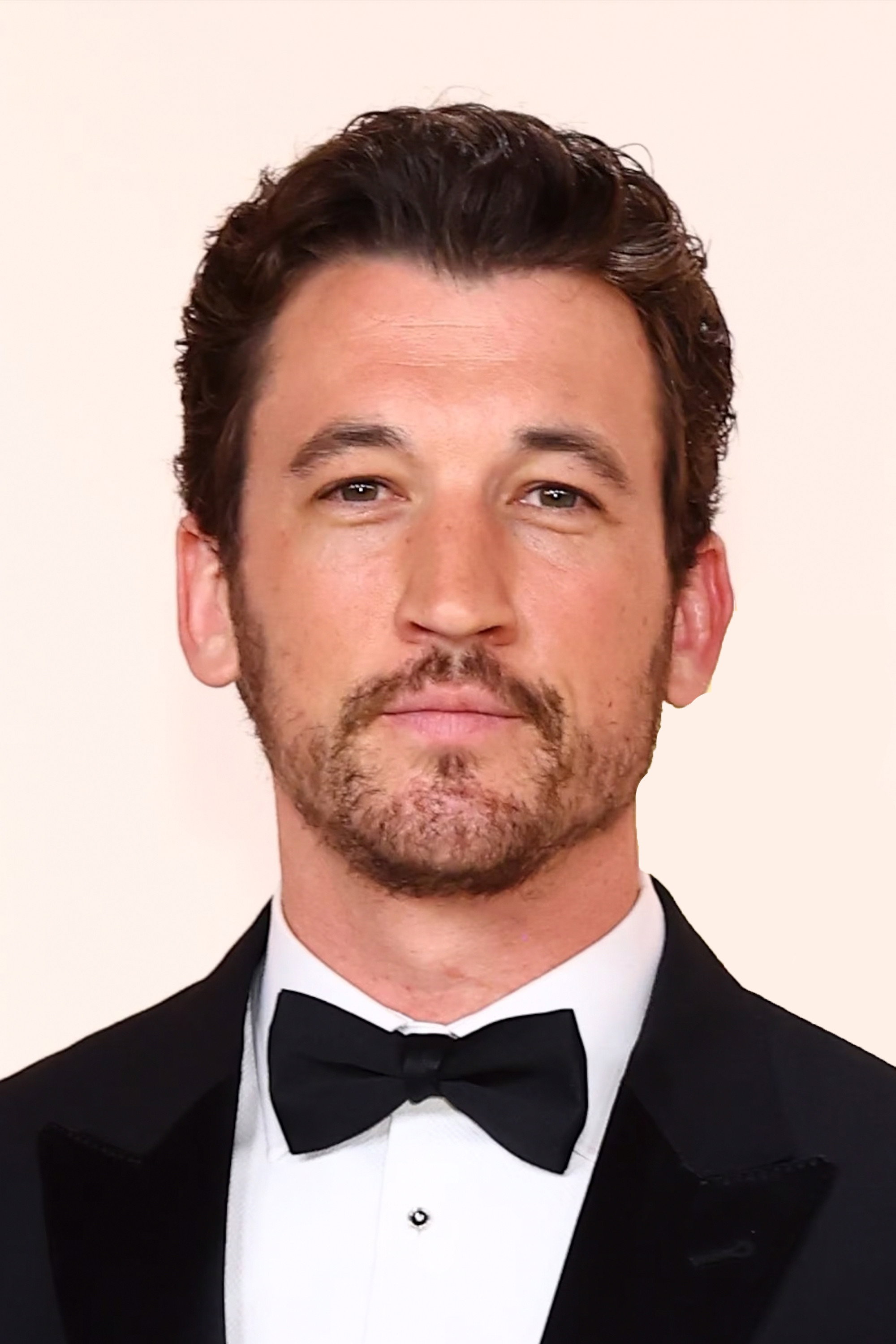
Aaron Eckhart makes Howie Corbett’s distress equally persuasive, giving the marriage two people whose sorrow cannot be assumed to bring them closer. He is particularly good at making emotional need feel awkward rather than automatically deserving of sympathy. Dianne Wiest, as Nat, supplies some of the human particularity that the central couple sometimes lack. These performances allow us to understand unpleasant behaviour, and leave us free to find it unpleasant.
John Cameron Mitchell’s preference for close-ups gives Nicole Kidman and Aaron Eckhart the attention their work deserves. Frankie DeMarco’s cinematography makes faces the main reason to keep watching, but offers less interest away from them. Kalina Ivanov’s production design contributes to a polish that sometimes feels too careful for these damaged lives. The presentation is restrained enough to avoid bullying us, though it can also make an intimate drama feel politely observed from outside.
Joe Klotz’s editing accommodates the changes between humour and distress without turning each shift into a separate occasion. At 91 minutes, the film does not overstay, although some exchanges still feel more shaped for performance than overheard. Anton Sanko’s music is less memorable than the actors’ voices, which is not much of a complaint here. The trouble is that the conversations sometimes feel so carefully prepared that we notice the writing before we believe the people speaking.
The screenplay is strongest when it lets the couple be difficult without immediately explaining them. It is weaker when their grief seems to account for almost everything we are allowed to know about them. A drama about bereavement needs some sense of the lives interrupted, and there are moments when these two seem to have little existence beyond the subject under discussion. That limits how much we care about them, even as the performances make individual exchanges hurt.
There is enough wit and unruly feeling here to keep the restraint from becoming oppressive. For a film about losing a child, that matters: it gives the actors more to do than demonstrate devastation. We recommend it for their work, with a reservation about the careful presentation surrounding them. Choose it when there is room in the evening for a difficult conversation afterwards.